Appointments Available
Phone Support 24/7
Bell Gardens, CA 90201
*Serving most of Southern California*
Appointments Available
Phone Support 24/7
Bell Gardens, CA 90201
You need a roof that doesn’t leak during February’s heavy rains. One that holds up when temperatures swing from 21°F to 113°F. And you need the work done without shutting down your business for weeks.
That’s what happens when the crew knows what they’re doing. TPO and PVC roofing installed correctly the first time means fewer callbacks, lower energy bills, and compliance with California’s Title 24 cool roof standards without the runaround.
Your property manager isn’t fielding tenant complaints about water damage. Your insurance documentation is clean. Your roof just works, and you’re focused on running your business instead of babysitting contractors.
We’ve been handling commercial roofing across Los Angeles County long enough to know what Altadena properties face. The Santa Ana winds that rip through every fall. The Title 24 requirements that trip up inexperienced contractors. The permitting process through LA County Building and Safety that can stall projects if you don’t know the system.
Our crews aren’t rotating faces every job. Many have been with us for decades, which means they’ve installed enough flat roof systems to spot problems before they become expensive emergencies. Factory certifications from major manufacturers give you access to better warranties and installation methods that actually work in this climate.
After the Eaton Fire devastated over 9,000 structures in January 2025, Altadena needs contractors who understand both reconstruction timelines and fire-resistant roofing solutions. We’ve been here through it all.
You start with an inspection that documents everything with photos. Not just for your records, but because insurance claims and Title 24 compliance require proper documentation. You’ll know what needs immediate attention and what can wait.
If permits are required, we handle the LA County Building and Safety paperwork. Structural repairs, insulation upgrades, cool roof compliance—all of it gets addressed in the permit application so you’re not dealing with failed inspections later.
The installation gets phased to keep your business running. We’re not tearing off your entire roof on a Monday and hoping for good weather. TPO, PVC, or hot mop systems get installed in sections, and we coordinate around your busiest operational hours when possible.
Once the work is complete, you get documentation showing Title 24 compliance, manufacturer warranty activation, and photo records of the installation. If you ever file an insurance claim or sell the property, that paperwork matters.
Altadena’s climate isn’t kind to roofs. You’re dealing with 5.74 inches of rain in February alone, summer temperatures averaging 85.8°F in July, and wind events that test every seam and fastener. Your flat roof system needs to handle all of it.
Industrial roofing solutions here include TPO and PVC membranes designed for California’s UV exposure and temperature swings. Title 24 cool roof restoration isn’t optional for most nonresidential low-slope roofs—it’s required. That means reflective coatings and materials that meet specific solar reflectance and thermal emittance standards.
Commercial roof maintenance programs catch small problems before they become emergency repairs. A proactive inspection schedule extends your roof’s lifespan and keeps your operating costs predictable. You’re not scrambling to find a contractor when water starts dripping into your warehouse or office space.
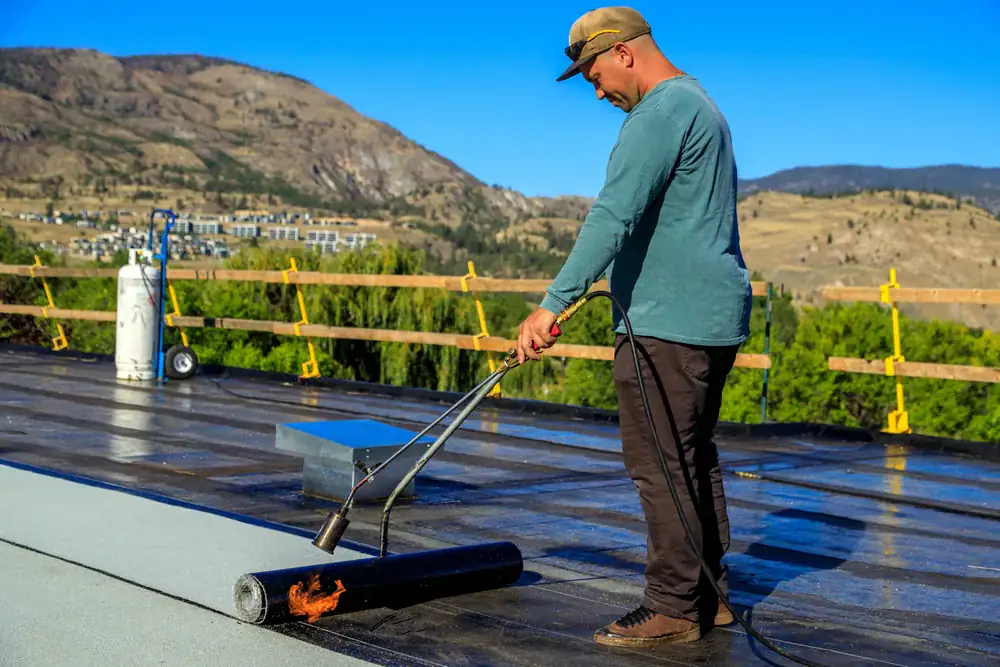
Hot mop systems remain one of the most reliable waterproofing solutions for flat and low-slope commercial roofs in this area. The process creates a seamless membrane that handles Altadena’s weather extremes better than many alternatives, especially on complex roof geometries.
Most commercial roofing projects in Altadena take one to three weeks depending on the building size, roof complexity, and weather conditions. Flat roof systems and TPO or PVC installations can often be phased to minimize business disruption.
The timeline starts with permitting through LA County Building and Safety, which can add several days before work begins. If your project requires structural repairs or insulation upgrades to meet Title 24 standards, that extends the schedule.
Weather plays a bigger role than most property managers expect. February’s heavy rainfall can delay installation, and extreme heat in summer affects material application. We plan around Altadena’s climate patterns and build buffer time into the schedule so you’re not left with an exposed roof during a storm.
California’s Title 24 energy standards require most nonresidential low-slope roofs to meet specific reflectivity and thermal emittance requirements. This typically means using cool roof materials that reflect solar heat rather than absorbing it.
For commercial properties in Altadena, compliance usually involves installing roofing membranes or coatings with a minimum aged solar reflectance of 0.63 and thermal emittance of 0.75. TPO and PVC roofing systems often meet these requirements right out of the box, while some existing roofs can be brought into compliance with reflective restoration coatings.
The documentation matters as much as the materials. You need proof of compliance for building permits, and that paperwork stays with the property. If you ever sell or refinance, buyers and lenders will ask for it. Contractors who don’t understand Title 24 requirements leave you exposed to compliance issues down the road.
A proactive maintenance program typically costs a fraction of emergency repairs, but the real savings show up in extended roof lifespan and avoided business disruption. Regular inspections catch small issues—a loose seam, a clogged drain, minor membrane damage—before they become major leaks.
Emergency repairs in Altadena often happen at the worst times: during heavy February rains or after Santa Ana wind events. You’re paying premium rates for immediate service, dealing with water damage to inventory or equipment, and potentially shutting down operations while the repair happens.
Maintenance programs usually include twice-yearly inspections, minor repairs, drain cleaning, and documentation for warranty compliance. The cost is predictable and budgetable. Emergency repairs are neither. Most commercial property managers find that maintenance pays for itself within the first prevented leak.
Yes. California requires a C-39 Roofing Contractor license for any roofing work, and you can verify a contractor’s license status on the CSLB website. This isn’t just a legal requirement—it’s protection for your property and business.
C-39 licensed contractors carry the required insurance and bonding to protect you if something goes wrong. They’ve demonstrated competency in roofing installation, repair, and safety standards. Unlicensed contractors might offer lower bids, but you’re taking on massive liability if someone gets injured or the work fails.
For commercial properties in Altadena, the stakes are higher than residential projects. You’re dealing with larger roof areas, more complex systems, stricter building codes, and potential business interruption. A licensed contractor understands LA County permit requirements, Title 24 compliance, and proper installation methods that protect your investment.
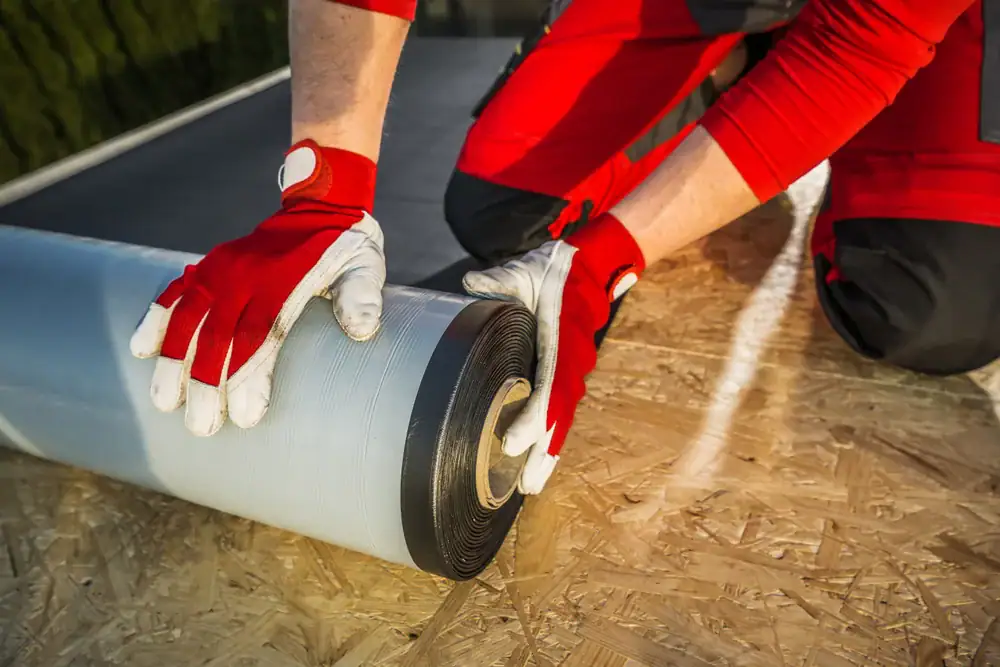
Both TPO and PVC are single-ply membrane systems that work well for flat and low-slope commercial roofs in Altadena, but they have different strengths. TPO (thermoplastic polyolefin) is typically more affordable and offers good UV resistance and energy efficiency for Title 24 compliance.
PVC (polyvinyl chloride) costs more upfront but handles chemical exposure better, making it the better choice for restaurants or industrial facilities where grease, oils, or other chemicals might contact the roof. PVC also tends to be more flexible in cold weather, though Altadena’s mild winters make that less critical here.
Both systems meet California’s cool roof requirements and can last 20-30 years with proper installation and maintenance. The choice usually comes down to your building’s specific needs, budget, and what substances your roof might be exposed to. We can walk you through which system makes sense for your property.
Start with photo documentation of the damage as soon as it’s safe to do so. Insurance companies want to see the extent of the damage, what caused it, and how it’s affecting your building. Wind damage from Santa Ana events or water intrusion from heavy rains needs to be documented immediately.
Contact your insurance company to open a claim before any repairs begin, except for emergency tarping or temporary protection to prevent further damage. Most policies require notification within a specific timeframe, and starting repairs before the adjuster visits can complicate your claim.
Work with a contractor who understands insurance-compliant documentation. We provide detailed photo records of the damage, the repair process, and the completed work. This documentation supports your claim and protects you if the insurance company disputes the scope of work. We know what adjusters need to see and how to document everything properly.
Other Services we provide in Altadena