State Licensed “SINCE 1982”

CSLB C-39 #432352

Full Workers Comp. & $2M Liability Insurance
OUR EMPLOYEE ROOFERS ARE FACTORY CERTIFIED
*Serving most of Southern California*
State Licensed “SINCE 1982” CSLB C-39 #432352
Full Workers Comp. & $2M Liability Insurance
OUR EMPLOYEE ROOFERS ARE FACTORY CERTIFIED.

*Serving most of Southern California*

Commercial Roofing Contractor in Cypress, CA

Your Roof Protects Everything Below It

When your commercial roof fails, everything stops—operations, revenue, tenant satisfaction. You need a contractor who understands Title 24 compliance, insurance documentation, and how to keep your business running.
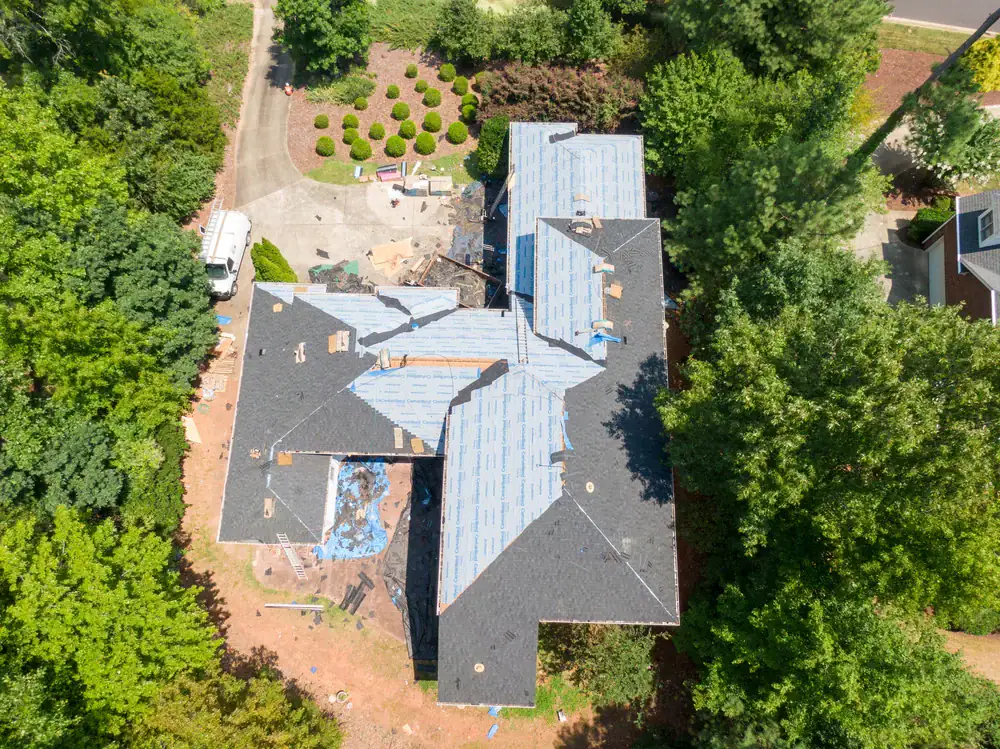
Aerial view of a residential roof undergoing commercial roofing repairs in Acton, California.
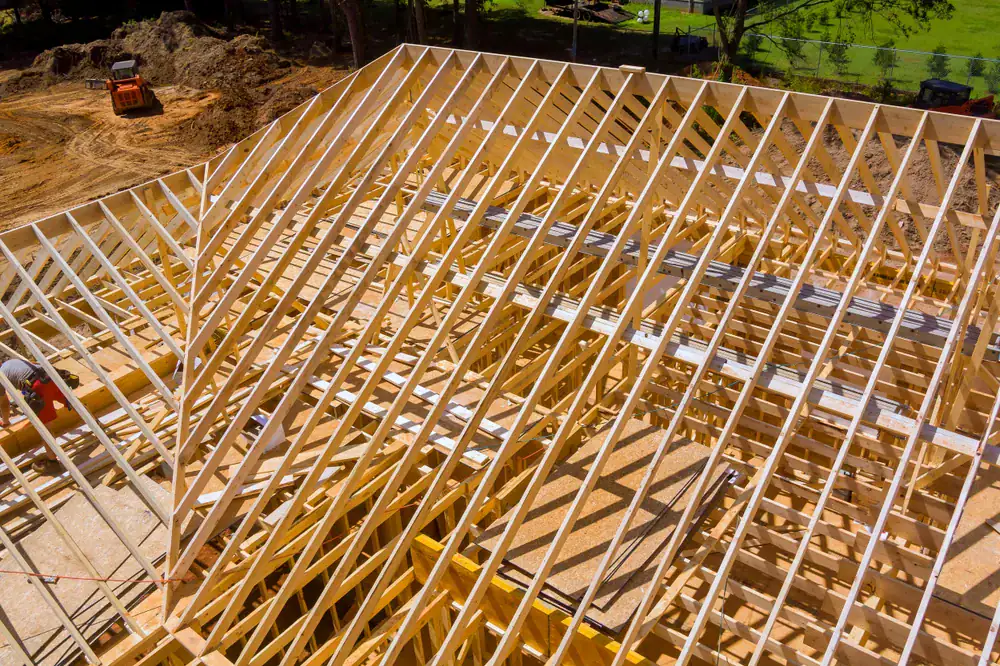
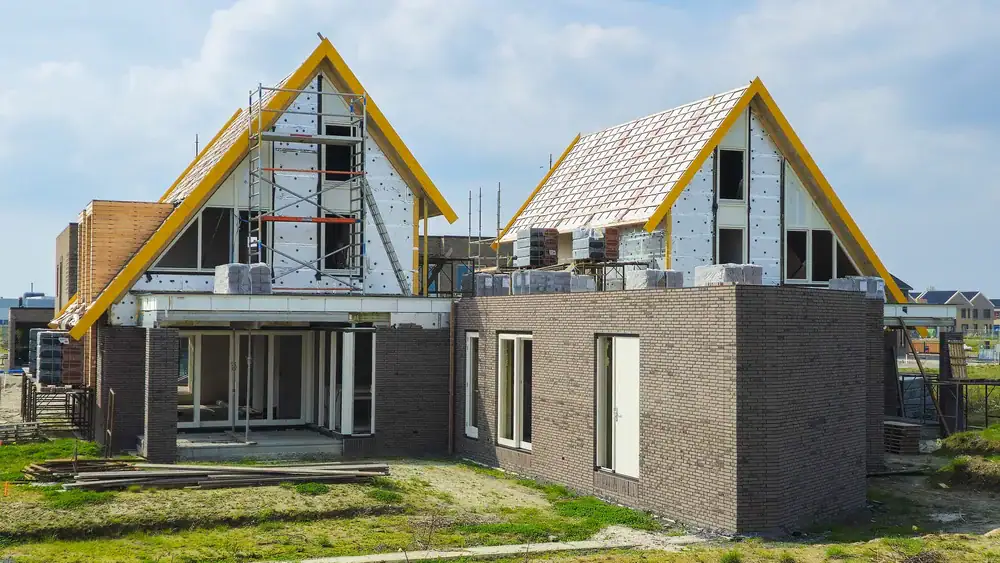
Roof framing under construction in Acton, CA for a commercial building.

Commercial Roof Systems in Cypress

What Happens When Your Roof Actually Works

You stop worrying about the next rainstorm. Your energy bills drop because your roof reflects heat instead of absorbing it. Your insurance company approves claims faster because the documentation is already done right.

That’s what proper commercial roofing looks like in Cypress, CA. Not emergency calls at 2 AM. Not surprise costs when a small leak becomes a big problem. Not scrambling to find someone who actually knows Title 24 cool roof requirements.

You get a roof that meets California’s energy codes, protects your property value, and doesn’t demand constant attention. Your tenants stay comfortable. Your property manager stops fielding complaints. Your maintenance budget becomes predictable instead of reactive.

The difference shows up in your operating costs within the first year. Cool roof systems can cut your HVAC expenses significantly in our climate. Title 24 compliance isn’t just about passing inspection—it’s about designing a roof that works with Southern California weather instead of fighting it.

Cypress Commercial Roofing Experts

We've Been Doing This Since Before It Was Complicated

We hold a C-39 specialty contractor license and maintain factory certifications with major manufacturers. That’s not marketing language—it means we can legally handle complex commercial projects and our installations qualify for full warranty coverage.

We’ve worked in Cypress and throughout Los Angeles County for decades. Same crews, same standards, same family ownership. When regulations changed and Title 24 added cool roof requirements, we were already installing them.

You’re not getting a different crew every time or a project manager who disappears after the deposit clears. You’re working with people who’ve seen what happens when shortcuts get taken, and who’ll be around when your roof needs maintenance in five years.

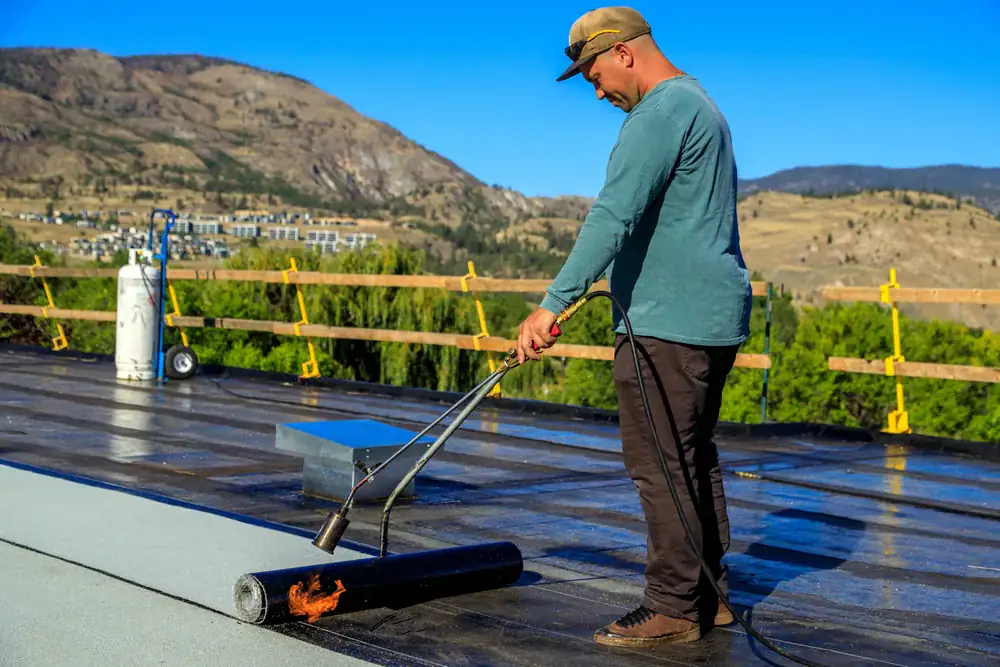
Professional roofing contractor applying roofing membrane on commercial roof in Acton, CA.

Commercial Roofing Process in Cypress

Here's What Actually Happens on Your Project

First, we inspect your existing roof and document everything with photos. Not just problem areas—the whole system. You need to know what you’re dealing with before anyone talks about solutions or pricing.

Then we walk you through your options. If you need Title 24 compliance, we explain which cool roof systems make sense for your building type and budget. TPO and PVC roofing both meet the requirements, but they’re not interchangeable. We’ll tell you why one works better than the other for your situation.

Once you approve the scope, we schedule around your operations. Most commercial clients can’t shut down for a week. We plan the work in phases if needed, coordinate with your tenants or staff, and keep disruption minimal.

During installation, you get progress updates and documentation. Every step gets photographed. If you’re filing an insurance claim, you’ll have the proof you need. If you’re managing multiple properties, you’ll know exactly what was done and when.

After completion, you receive warranty information, maintenance recommendations, and a contact who’ll actually answer when you call. No hunting down someone who knows your project history.

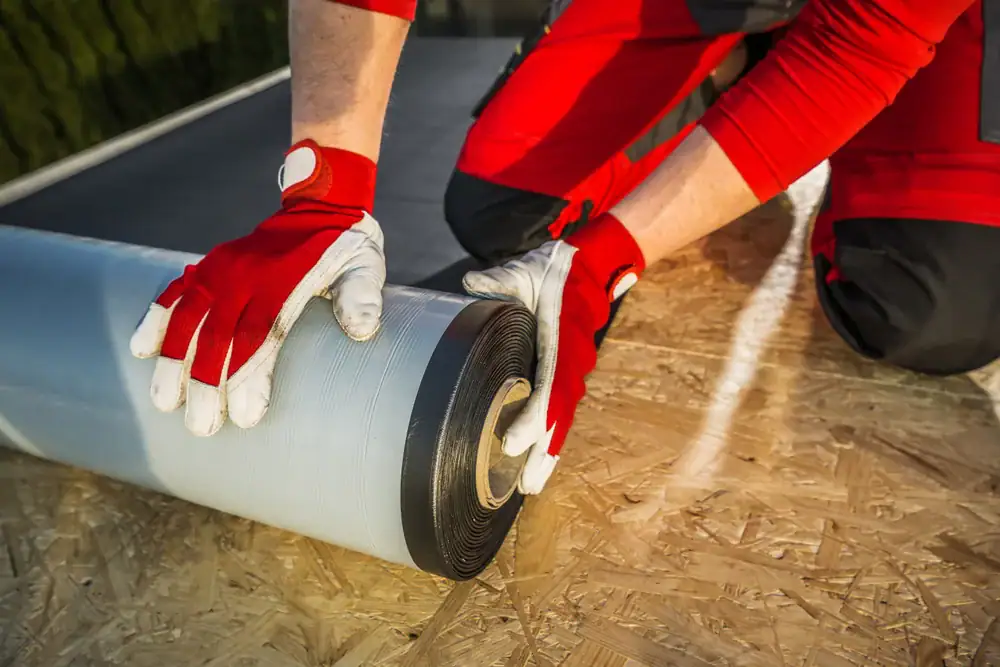
Roofing membrane installation for commercial building in Acton, CA.

Explore More Services

About Royal Roofing Company

Flat Roof Systems and Maintenance

What's Included in Commercial Roof Service

You’re getting more than installation. Our commercial roofing service covers flat roof systems, TPO and PVC membrane roofing, Title 24 cool roof restoration, and ongoing commercial roof maintenance.

In Cypress, most commercial buildings use low-slope or flat roof systems. These need different expertise than residential steep-slope roofs. Water doesn’t shed the same way. Seams matter more. Thermal movement creates stress points that don’t exist on pitched roofs.

Title 24 compliance is mandatory for most commercial re-roofing projects in our climate zone. Your new roof needs minimum solar reflectance and thermal emittance levels. We handle the calculations, product selection, and documentation so you’re not guessing whether you’ll pass inspection.

Industrial roofing solutions for warehouses and manufacturing facilities require additional planning around equipment loads, drainage, and access. We account for HVAC units, solar panel compatibility, and future maintenance access during the design phase.

Regular commercial roof maintenance catches problems before they become emergencies. A twice-yearly inspection costs less than one emergency repair call. We check drains, inspect seams, look for punctures, and document conditions so you can budget accurately.

New commercial roofing installation on modern buildings in Acton, CA.

What does Title 24 cool roof compliance actually require in Cypress?

Title 24 requires commercial roofs in climate zone 10 (which includes Cypress, CA) to meet specific solar reflectance and thermal emittance minimums. Your roof needs to reflect at least 63% of solar energy when new and maintain 55% after three years. Thermal emittance must be at least 75%.

This isn’t optional if you’re doing a roof replacement or recovering more than 50% of your existing roof. The building department will ask for product documentation proving compliance before they’ll approve your permit.

TPO and PVC roofing systems typically meet these requirements right out of the box. Some coatings can bring older roofs into compliance if the underlying structure is still sound. We test your existing roof, recommend products that meet the standard, and provide the documentation you need for permitting.

The benefit isn’t just regulatory—cool roofs genuinely reduce your cooling costs. Reflecting heat instead of absorbing it means your HVAC system works less. In Cypress summers, that adds up.

Most commercial roof replacements in Cypress take one to three weeks depending on building size, roof complexity, and weather. A 10,000 square foot flat roof with straightforward access typically takes about a week. Larger buildings, multiple roof levels, or extensive repairs to the underlying deck add time.

Weather matters more than most people expect. We can’t install TPO or PVC roofing in rain, and adhesives need specific temperature ranges to cure properly. Spring and fall usually offer the most consistent working conditions in Southern California.

If you can’t shut down operations during construction, we phase the work. We’ll section off areas, complete them, then move to the next zone. This takes longer overall but keeps your business running.

The timeline also depends on permitting. Commercial projects in Los Angeles County require plan review and inspections. We handle the permit applications, but the jurisdiction controls approval timing. Factor in two to four weeks for permitting before physical work starts.

Both TPO and PVC are single-ply membrane roofing systems that meet Title 24 requirements, but they’re not identical. PVC has been around longer and handles chemical exposure better. If your building has restaurant exhaust, HVAC condensate, or industrial processes that could contact the roof, PVC is usually the better choice.

TPO costs less and has gotten much more reliable over the past decade. Early TPO formulations had problems, but modern products from reputable manufacturers perform well. For standard commercial buildings without chemical exposure, TPO delivers excellent value.

Both systems are heat-welded at the seams, creating watertight bonds stronger than the membrane itself. Both reflect heat effectively. Both typically carry 15 to 20-year warranties when installed by certified contractors.

The decision usually comes down to your specific building conditions and budget. We’ll look at what’s on your roof now, what kind of use the building gets, and what your maintenance capabilities are. Then we’ll recommend the system that makes sense for your situation, not the one with the highest margin.

That depends on what’s happening with your current roof. If you’ve got isolated leaks, minor membrane damage, or weathering that hasn’t compromised the underlying structure, cool roof restoration might work. If the decking is rotted, insulation is saturated, or you’re patching the same areas repeatedly, you need replacement.

We test for moisture in the roof assembly using infrared scanning or core samples. Water trapped in your roof system won’t dry out on its own. Coating over wet insulation just hides the problem until it gets worse.

Roof restoration involves cleaning the existing surface, making repairs, then applying a reflective coating system that meets Title 24 standards. This costs roughly 40-60% less than full replacement and can extend your roof life by 10-15 years if the underlying system is sound.

The catch is timing. Restoration works best before damage becomes extensive. If you’re already dealing with multiple leaks or visible sagging, you’ve probably waited too long. An honest inspection will tell you which direction makes financial sense. We’d rather restore a roof when it’s viable than sell you a replacement you don’t need yet.

Commercial roof maintenance starts with drainage. Flat roofs aren’t actually flat—they have slight slopes to move water toward drains. Those drains clog with leaves, debris, and sediment. Clogged drains create standing water. Standing water finds ways through your roof.

Check drains quarterly at minimum. After storms, check them again. Clear any debris before it blocks water flow. This takes fifteen minutes and prevents thousands in damage.

Inspect seams and penetrations twice a year. Look where the roof membrane meets walls, pipes, HVAC units, and vents. These are your most likely leak points. Catch a failing seal early and you’re looking at a small repair. Miss it for a year and you’re replacing insulation and decking.

Keep foot traffic minimal and controlled. Every commercial roof needs occasional access for HVAC maintenance or other work. Create designated walkways and make sure anyone accessing the roof knows where they can step. Punctures from dropped tools or careless walking damage membrane roofing.

Document everything with photos and dates. When you do need repairs or eventually replace the roof, you’ll have a maintenance history that helps with insurance claims and warranty coverage. Most commercial roof failures aren’t sudden—they’re the result of small problems that got ignored.

Start with licensing. California requires a C-39 roofing specialty license for commercial projects. That’s different from a general contractor license. The C-39 proves the contractor passed exams on roofing-specific regulations, techniques, and safety requirements. Ask for the license number and verify it’s active with the Contractors State License Board.

Check for manufacturer certifications. Factory-certified installers have been trained on specific products and installation methods. More importantly, manufacturer warranties often require certified installation. If your contractor isn’t certified, your warranty might not be valid.

Look at insurance and bonding. Commercial projects need higher liability limits than residential work. Your contractor should carry general liability insurance plus workers’ compensation for their crews. Ask for certificates of insurance and verify they’re current.

Ask about their actual crews. Do they use the same people on every project, or do they subcontract to whoever’s available? Crew consistency matters for quality control and accountability. You want to know the people on your roof have done this before.

Finally, talk to them about Title 24 compliance and local permitting. If they’re vague about cool roof requirements or act like permits are optional, walk away. Commercial roofing in Cypress requires permits, inspections, and specific energy compliance. Contractors who skip these steps are creating liability you’ll inherit.

Other Services we provide in Cypress