Appointments Available
Phone Support 24/7
Bell Gardens, CA 90201
*Serving most of Southern California*
Appointments Available
Phone Support 24/7
Bell Gardens, CA 90201
You stop worrying about the next leak during a storm. Your insurance premiums don’t spike because of preventable damage. Your tenants aren’t calling about water stains on the ceiling.
That’s what a properly installed and maintained commercial roof does. It removes itself from your list of problems. You’re not scheduling emergency repairs or explaining to your board why the budget just got blown on another patch job.
Dana Point’s coastal environment—salt air, UV exposure, temperature swings—puts constant pressure on roofing materials. Flat roof systems need proper drainage. TPO and PVC membranes need correct installation to handle foot traffic and equipment loads. Title 24 cool roof requirements aren’t optional. When these things are done right from the start, your roof becomes an asset that protects your investment instead of draining it.
The difference shows up in your operating costs, your maintenance schedule, and how long you go between major capital expenses. That’s the outcome worth paying for.
Royal Roofing Company has been handling commercial roofing projects in Los Angeles County for decades. We hold a C-39 specialty contractor license and factory certifications that most roofers don’t bother getting. Our crews aren’t rotating faces—many have been with us for years, which means consistency in how your job gets done.
We’re a family business, which matters more than it sounds. When your name is on the work, you don’t cut corners. We’ve built our reputation in Dana Point and the surrounding areas by showing up when we say we will, doing what we say we’ll do, and documenting everything so you have records when you need them.
Property managers and business owners come back to us because we take time to explain what’s actually wrong, what your options are, and what each choice means for your budget over the next ten years. No pressure, no upselling—just straight information so you can make the call that makes sense for your property.
First, we come out and actually look at your roof. Not a quick glance from the ground—we get up there, take photos, check drainage, look for problem areas you might not know about yet. You get a detailed report with those photos so you can see what we’re seeing.
Then we walk you through your options. If you’ve got a flat roof that’s failing, we’ll explain whether TPO, PVC, or another membrane system makes sense for your building and budget. If Title 24 compliance is required, we’ll show you how to meet it without overspending. If it’s a repair situation, we’ll tell you honestly whether fixing it buys you two years or ten.
Once you decide to move forward, we schedule around your business operations. Most commercial projects can’t shut down for a week, so we plan phases that minimize disruption. Our crews show up on time, work clean, and document each phase with photos. You’re not guessing what happened while you weren’t there.
After installation, you get warranty documentation, maintenance recommendations, and a point of contact if something comes up. We’re not disappearing after the check clears—we’re still here when you need us.
You’re getting more than just installation. Every commercial roofing project includes a full assessment of your current system, detailed documentation with photos, and a breakdown of what needs to happen and why. We handle permits, coordinate with property management, and make sure everything meets California building codes and Title 24 requirements where applicable.
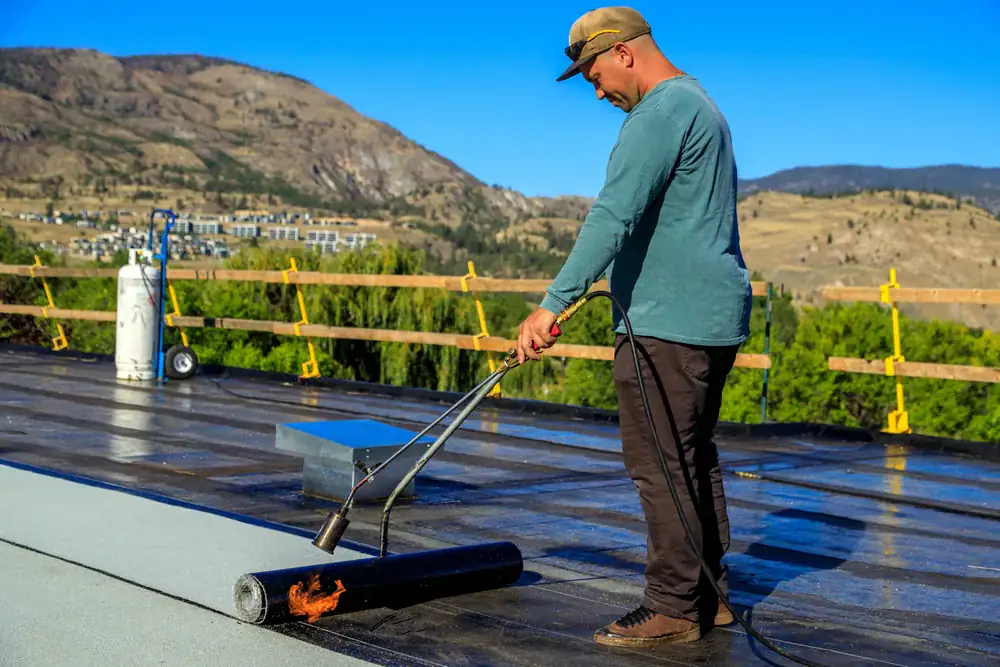
For flat roof systems, that means proper drainage solutions, correct membrane installation, and attention to penetrations and edges where most leaks start. TPO and PVC roofing installations include heat-welded seams that actually hold up to Dana Point’s coastal conditions. If you’re dealing with an insurance claim, we provide the documentation adjusters need to process it without back-and-forth delays.
Maintenance programs are available for properties that want to extend roof life and catch problems early. Regular inspections, minor repairs, and cleaning services keep small issues from becoming expensive emergencies. You get scheduled visits, written reports, and a maintenance history that helps when it’s time to budget for replacement.
Industrial roofing solutions for warehouses and manufacturing facilities account for equipment loads, chemical exposure, and high-traffic areas. We’re not treating every roof the same—your building’s use determines how we approach the work.
Most commercial roof replacements take one to three weeks depending on building size, roof complexity, and weather. A small retail building with straightforward access might be done in a week. A large multi-tenant property with HVAC equipment, skylights, and occupied units below will take longer.
We break projects into phases when possible so your business doesn’t shut down completely. If you’ve got tenants or customers coming in daily, we’ll work around peak hours or section off areas to keep operations running. Weather delays happen—Dana Point doesn’t get much rain, but when it comes, we’re not installing roofing materials in wet conditions.
You’ll get a realistic timeline during the estimate phase. We’d rather give you an honest schedule than promise something fast and miss it.
Both are single-ply membrane systems that work well for flat roofs, but they’re not identical. TPO is less expensive and performs well in most commercial applications. It reflects UV rays, resists algae growth, and holds up to normal foot traffic. It’s a solid choice for standard commercial buildings where budget matters.
PVC costs more but handles chemical exposure better and tends to last longer in harsh environments. If your roof deals with grease, oils, or industrial chemicals, PVC is the better call. It’s also more flexible in cold weather, though that’s less of a concern in Dana Point.
Both need proper installation—heat-welded seams, correct fastening, attention to flashing details. A poorly installed PVC roof will fail faster than a well-installed TPO roof. The material matters, but the installation matters more.
If you’re doing a roof replacement or recovering more than 50% of your roof area, Title 24 cool roof requirements usually apply. The regulations are designed to reduce energy consumption by requiring roofing materials that reflect solar heat instead of absorbing it.
Compliance means using materials with specific solar reflectance and thermal emittance ratings. Most modern TPO and PVC systems meet these standards automatically, but you’ll need documentation proving it. We handle that paperwork as part of the project so you’re not scrambling during inspections.
There are some exceptions based on building type and roof slope, but for most commercial properties in Dana Point, you’re going to need compliant materials. The good news is that cool roofs actually lower your cooling costs, so the requirement works in your favor long-term.
Age is the first indicator. Most commercial roofing systems last 15 to 25 years depending on material and maintenance. If yours is in that range and you’re seeing problems, replacement is probably smarter than ongoing repairs.
Look for multiple leak points, widespread membrane damage, or failing flashing in several areas. One isolated leak might be a repair. Six leaks across different sections means the whole system is breaking down. Ponding water that doesn’t drain within 48 hours after rain is another red flag—it means your roof structure or drainage has issues that repairs won’t fix.
Energy bills creeping up can signal roof problems too. If your insulation is wet or your membrane is degrading, your HVAC system works harder to compensate. We’ll give you an honest assessment during inspection. Sometimes a repair buys you five more years and makes financial sense. Sometimes it’s throwing money at a roof that’s done.
Real maintenance means scheduled inspections, minor repairs before they become major ones, and keeping your drainage system clear. We’re checking seams, flashing, penetrations, and anywhere water could get in. We’re looking at membrane condition, fastener integrity, and whether your roof is holding up the way it should.
Debris removal matters more than people think. Leaves, dirt, and trash block drains and hold moisture against your roof membrane. We clear drains, gutters, and scuppers so water moves off your roof like it’s supposed to. We also check HVAC equipment, vents, and anything else mounted on your roof that could cause problems.
You get a written report after each visit with photos of any issues we found and recommendations for addressing them. Small problems get fixed during the visit if possible. Bigger issues get flagged so you can budget for them before they turn into emergency situations. Maintenance programs typically run twice a year, but high-traffic roofs or buildings with equipment might need quarterly visits.
Usually not. Most commercial roofing projects can be phased so your business stays operational. We schedule noisy work during off-hours when possible and section off areas so customers and employees can still access the building safely.
Retail locations, restaurants, and office buildings almost never need to close completely. We coordinate with property managers to minimize disruption and keep entrances accessible. Warehouses and industrial facilities might need to move equipment or pause operations in specific areas temporarily, but full shutdowns are rare.
The biggest disruption is usually noise and the presence of workers and equipment. We’re not quiet—roofing involves tear-off, power tools, and material delivery. But we’re also not tearing your entire roof off at once unless the project requires it. You’ll know the schedule ahead of time so you can plan around it and communicate with tenants or customers about what to expect.
Other Services we provide in Dana Point