Appointments Available
Phone Support 24/7
Bell Gardens, CA 90201
*Serving most of Southern California*
Appointments Available
Phone Support 24/7
Bell Gardens, CA 90201
You’re not thinking about your roof when it’s doing its job. You’re running your business, managing tenants, or keeping operations moving. That’s exactly how it should be.
A properly installed commercial roof means your HVAC costs drop because the membrane is actually reflecting heat instead of absorbing it. It means you’re not scrambling to move inventory or shut down operations when the next winter storm rolls through the foothills. It means your insurance claims go through without pushback because the work was documented correctly from day one.
The property managers and business owners we work with in Glendora aren’t looking for the cheapest bid. They’re looking for a roof that lasts 25-30 years, meets Title 24 requirements without hassle, and gets installed by crews who’ve been doing this for decades. That’s what a commercial roofing contractor should deliver, and it’s what you should expect.
We hold a C-39 specialty roofing license and factory certifications from the manufacturers whose systems we install. That’s not just paperwork—it’s what qualifies your project for extended warranties and ensures our crews are trained on the specific products going on your building.
We’ve worked on commercial properties throughout Los Angeles County for decades, which means we understand how Glendora’s foothill location affects your roof. Debris from nearby trees, winter rainstorms that test your drainage, and summer heat that can crack inferior membranes—we’ve seen it all and know how to build for it.
Our crews aren’t subcontractors we found last month. These are people who’ve been with us for years, some for generations. When you’re trusting someone with a five or six-figure roofing project, that kind of stability matters.
We start with an inspection of your existing roof to identify what’s failing and why. You’ll get photos, measurements, and a clear explanation of what needs to happen—not a sales pitch. If you’re dealing with an insurance claim, we document everything in a way that satisfies adjusters and keeps your claim moving.
Once we’re on the same page about scope and budget, we schedule the work around your business operations. For most commercial projects, that means working in phases or during off-hours so your tenants, customers, or employees aren’t affected. Our crews show up when we say they will, and we keep the site clean and safe throughout the project.
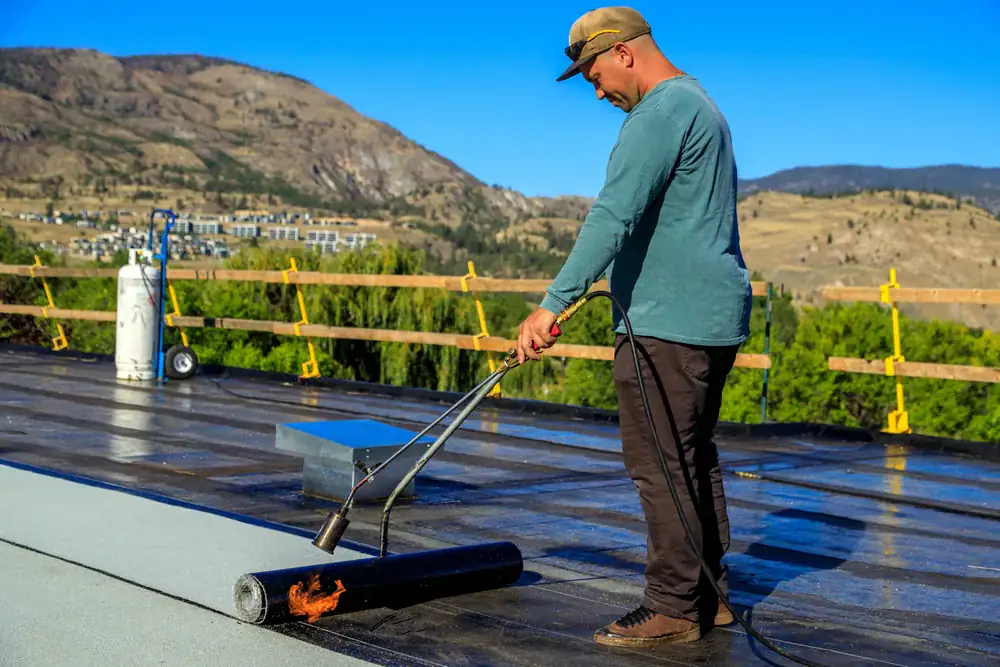
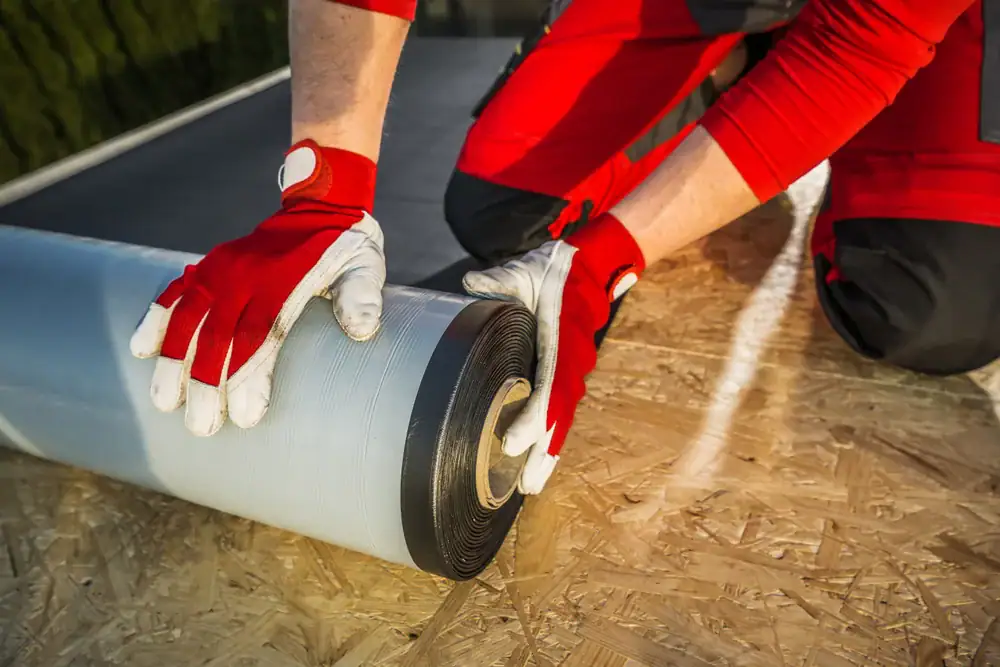
The installation itself depends on what system you’re getting. Flat roof systems using TPO or PVC membranes get mechanically fastened or fully adhered depending on your building’s needs and wind exposure. If you’re doing a Title 24 cool roof restoration, we’re applying reflective coatings that meet California’s energy standards. Every step gets photographed for your records and for warranty purposes.
After the install, you get documentation that includes warranty information, maintenance recommendations, and photos of the completed work. If you’re filing an insurance claim, you’ll have everything you need to submit without delays.
Commercial properties in Glendora typically have flat or low-slope roofs, which means you’re looking at single-ply membrane systems like TPO or PVC. These materials dominate the commercial market because they’re durable, energy-efficient, and can handle California’s climate when installed correctly.
TPO roofing reflects up to 80% of solar radiation, which directly reduces your cooling costs—usually by 20-30% compared to traditional roofing. That’s real money back in your budget every month. PVC systems offer similar energy benefits with added chemical resistance, which matters if your building houses industrial operations or restaurant equipment that vents onto the roof.
Title 24 compliance isn’t optional in California, and cool roof restoration is one of the most cost-effective ways to meet those requirements without a full tear-off. We handle the paperwork, the installation, and the documentation you’ll need if the city or county comes asking.
For property managers overseeing multiple buildings, our commercial roof maintenance programs catch small problems before they become expensive emergencies. Scheduled inspections, drain cleaning, and minor repairs keep your roofs performing and extend their lifespan. You’re not waiting for a leak to find out something’s wrong.
Most commercial roof replacements take one to three weeks depending on the size of your building, the system you’re installing, and weather conditions. A 10,000 square foot flat roof with a straightforward TPO installation might be done in a week. Larger buildings or projects that require significant repairs to the deck or insulation will take longer.
We schedule the work in phases when possible so your business doesn’t shut down. That might mean working on one section at a time or scheduling crews during evenings and weekends. The timeline also depends on inspections and any permits required by the city, which we handle as part of the project.
You’ll get a realistic schedule upfront, and we’ll keep you updated if anything changes. Weather delays happen, especially during Glendora’s winter rainy season, but we don’t leave your building exposed. Temporary protection goes up at the end of each day until the new roof is fully installed.
Both TPO and PVC are single-ply membrane systems that work well for flat and low-slope commercial roofs. They’re both energy-efficient, reflective, and durable. The main differences come down to chemical resistance and cost.
PVC handles chemical exposure better, which matters if your roof is near restaurant exhaust, industrial vents, or HVAC systems that might leak oils or solvents. It’s also more flexible in cold weather, though that’s less of a concern in Glendora’s climate. PVC typically costs more upfront but can last 25-30 years with proper maintenance.
TPO is the more popular choice for general commercial applications because it offers similar energy performance at a lower cost. It’s heat-welded at the seams just like PVC, creating a watertight barrier that holds up well in Southern California’s heat. TPO has improved significantly over the past decade, and the current formulations are holding up better than earlier versions.
The right choice depends on your building’s specific needs, your budget, and what’s already on your roof. We’ll walk you through the pros and cons based on your situation, not based on what we want to sell.
If you’re doing a roof replacement or significant alteration on a commercial building in California, yes, you need to meet Title 24 energy standards. That usually means installing a cool roof system with a minimum solar reflectance and thermal emittance rating.
Cool roofs reflect more sunlight and absorb less heat than traditional roofing materials, which reduces your building’s cooling load and energy costs. TPO and PVC membranes typically meet Title 24 requirements right out of the box because of their reflective white surface. If you’re restoring an existing roof, we can apply reflective coatings that bring your roof into compliance without a full replacement.
The city or county will want documentation proving your roof meets the standards, and that’s part of what we provide. We handle the paperwork, the installation, and the final inspection so you’re not dealing with compliance issues down the road. Ignoring Title 24 can cause problems when you sell the property or if the city does an audit, so it’s worth doing it right the first time.
Commercial roof maintenance typically costs a few hundred to a few thousand dollars per year depending on the size of your building and how many visits you need. A basic program might include two inspections per year, drain cleaning, minor repairs, and a written report after each visit.
That’s a fraction of what you’d pay for emergency repairs or premature replacement. Most commercial roofs fail early because of neglected maintenance—clogged drains that cause ponding water, small punctures that turn into major leaks, or flashing that separates and lets water into the building. Catching these problems early saves you money and extends your roof’s lifespan by years.
For property managers overseeing multiple buildings, we can set up a maintenance schedule that covers all your properties. You’ll get consistent service, documentation for your records, and peace of mind that someone’s actually checking your roofs before problems start. We’re not trying to upsell you on repairs you don’t need—we’re keeping your roofs functional so you’re not dealing with tenant complaints or water damage claims.
Yes, and we do it regularly for businesses, retail centers, and industrial facilities that can’t afford downtime. The key is planning the project in phases and coordinating the work around your schedule.
For some buildings, that means working on one section at a time so the rest of the property stays operational. For others, it means scheduling crews during off-hours, weekends, or slower business periods. We’ve installed roofs on occupied office buildings, operating warehouses, and retail centers that stayed open throughout the entire project.
Safety is non-negotiable, so we’ll set up barriers, signage, and protection zones to keep your employees and customers away from the work area. We also manage noise, debris, and access so you’re not dealing with complaints or hazards. At the end of each day, the site is cleaned up and secured so your property is safe and presentable.
The earlier you bring us into the conversation, the better we can plan around your needs. Last-minute emergency repairs are harder to schedule around business operations, which is another reason why proactive maintenance and timely replacements matter.
Start with licensing and insurance. In California, commercial roofing requires a C-39 specialty contractor license, not just a general contractor license. That license means the contractor has met specific requirements for roofing work and carries the right insurance. Ask to see proof of both before you sign anything.
Factory certifications matter because they determine what warranties you can get. A contractor who’s certified by the manufacturer can offer longer, more comprehensive warranties than someone who’s just buying materials at a supply house. Those certifications also mean the crews have been trained on proper installation techniques for that specific product.
Experience with your type of building is important. A contractor who mostly does residential work might not understand the complexities of commercial flat roof systems, Title 24 compliance, or how to work around operating businesses. Ask for references from similar projects and actually call them.
Finally, pay attention to how they communicate. If a contractor can’t explain what’s wrong with your roof, what needs to happen, and why it costs what it costs, that’s a red flag. You should understand what you’re paying for and feel confident that the work will be done right. If the bid seems too cheap, it probably is—and you’ll pay for it later in callbacks, failures, or warranty issues.
Other Services we provide in Glendora