State Licensed “SINCE 1982”

CSLB C-39 #432352

Full Workers Comp. & $2M Liability Insurance
OUR EMPLOYEE ROOFERS ARE FACTORY CERTIFIED
*Serving most of Southern California*
State Licensed “SINCE 1982” CSLB C-39 #432352
Full Workers Comp. & $2M Liability Insurance
OUR EMPLOYEE ROOFERS ARE FACTORY CERTIFIED.

*Serving most of Southern California*

Commercial Roofing Contractor in Hidden Hills, CA

Your Roof Protects Everything Inside—Get It Right

Licensed crews, factory certifications, and decades of commercial roofing experience across Los Angeles County—without the runaround or surprise costs.
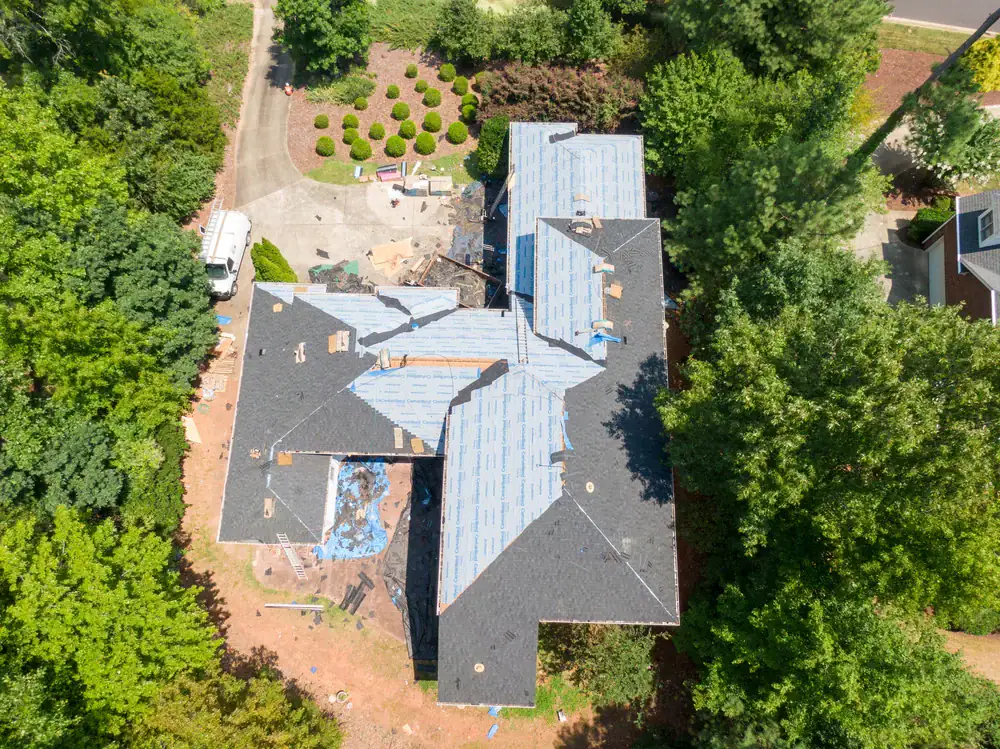
Aerial view of a residential roof undergoing commercial roofing repairs in Acton, California.
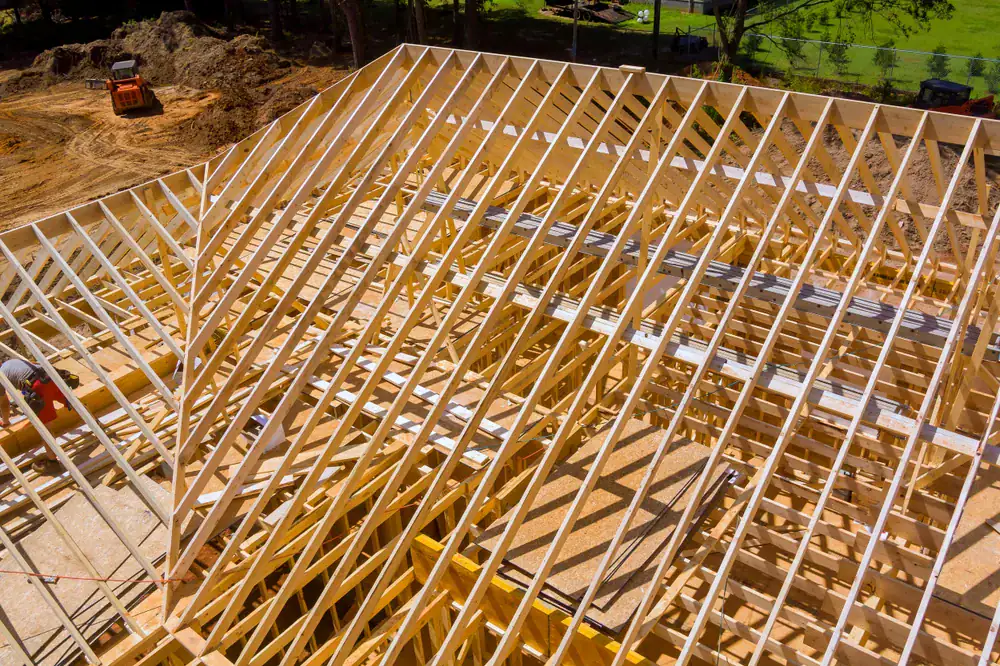
Roof framing under construction in Acton, CA for a commercial building.

Commercial Roof Systems in Hidden Hills

What You Actually Get When the Job's Done

You’re not just getting a roof installed. You’re getting documentation that holds up with your insurance company when you need it. You’re getting a system that meets Title 24 cool roof requirements without someone explaining it to you like you’re five. You’re getting a crew that’s been doing this for decades, not a rotating cast of subcontractors who learned roofing last month.

When we finish a commercial roof installation or restoration in Hidden Hills, you walk away with photo-documented workmanship, manufacturer warranties that actually mean something, and a roof system designed to last. Whether it’s TPO, PVC, or a flat roof system on an industrial property, the install is done right the first time.

That means fewer callbacks. Fewer leaks. Fewer emergency repairs that shut down your operations and cost you real money. It means your property manager isn’t fielding complaints, and your tenants aren’t dealing with buckets in the hallway.

Licensed Roofing Contractor Serving Hidden Hills

We've Been Doing This Since Before It Was Trendy

We’re a family-owned business with a C-39 specialty roofing license and factory certifications from the manufacturers whose systems we install. We’ve been serving commercial properties across Los Angeles County for decades, and our crews have been with us just as long. That’s not common in this industry, and it matters.

Hidden Hills properties demand a higher standard. You’re managing high-value commercial real estate, and you need a contractor who understands California building codes, Title 24 compliance, and how to work with insurance adjusters without creating more problems. We do that every day.

We’re BBB accredited, and we’ve built our reputation on showing up, doing what we said we’d do, and being around when you need us five years from now. Not every roofing contractor can say that.

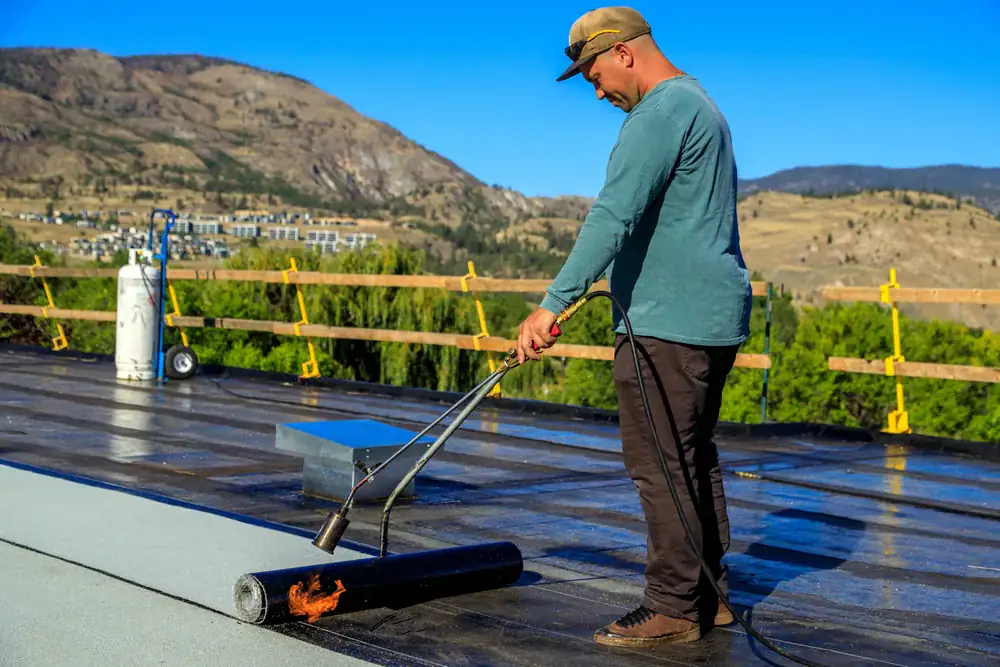
Professional roofing contractor applying roofing membrane on commercial roof in Acton, CA.

Commercial Roof Installation Process in Hidden Hills

Here's What Happens from Start to Finish

First, we come out and assess your roof. Not a sales pitch—an actual assessment. We’re looking at your existing system, identifying problem areas, checking for code compliance issues, and figuring out what you actually need. If your roof can be restored instead of replaced, we’ll tell you. If it needs to be replaced, we’ll explain why.

Once we agree on scope, we walk you through material options. TPO and PVC roofing systems are popular for commercial properties in Hidden Hills because they meet Title 24 cool roof standards and reflect heat instead of absorbing it. That cuts down your energy costs. We’ll explain the differences, the warranties, and what makes sense for your building.

Then we schedule the work around your operations. Our crews show up on time, complete the installation with minimal disruption, and document everything with photos. You get a full record of the work, which matters when you’re dealing with insurance claims or selling the property down the line.

After install, we provide maintenance programs that catch small issues before they become expensive problems. Most commercial roof failures happen because of deferred maintenance, not bad installation. We help you avoid that.

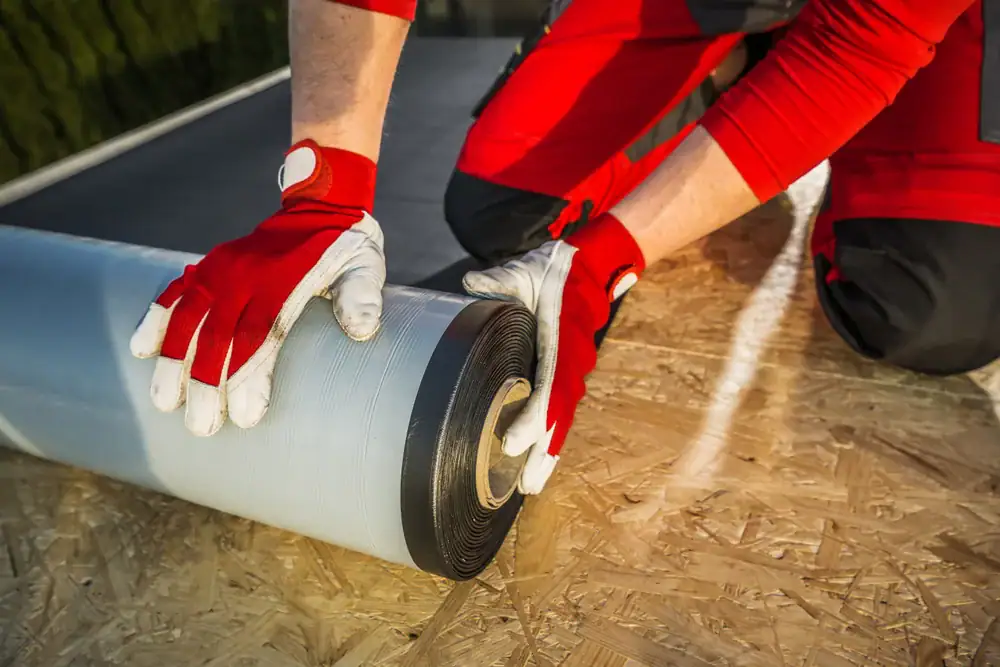
Roofing membrane installation for commercial building in Acton, CA.

Explore More Services

About Royal Roofing Company

Commercial Roofing Solutions for Hidden Hills Properties

What's Included When You Hire Us

You’re getting a licensed contractor with a C-39 specialty license and factory certifications for the systems we install. That’s not just paperwork—it means we’re trained on the specific products going on your roof, and your manufacturer warranties stay intact.

You’re getting experienced crews who’ve been with us for years. They know flat roof systems, TPO and PVC installations, Title 24 cool roof restoration, and industrial roofing solutions. They’re not learning on your property.

You’re getting full documentation. We photograph every stage of the installation, which protects you if there’s ever an insurance claim or dispute. Most contractors skip this. We don’t.

You’re also getting someone who understands Hidden Hills and Los Angeles County building requirements. California’s Title 24 energy standards aren’t optional, and if your roof doesn’t meet cool roof mandates, you’re going to have problems during inspections. We handle compliance so you don’t have to worry about it.

And you’re getting ongoing support. Commercial roof maintenance programs, emergency repairs, and a company that’s been around long enough to honor warranties and commitments. That’s worth more than a low bid from a contractor who might not be in business next year.

New commercial roofing installation on modern buildings in Acton, CA.

How do I know if my commercial roof needs to be replaced or just repaired?

Start by looking at age and condition. Most commercial flat roof systems last 15 to 25 years depending on the material and how well they’ve been maintained. If your roof is approaching that range and you’re seeing multiple leaks, ponding water, or visible membrane damage, replacement is probably the smarter move.

Repairs make sense when the damage is localized. A small puncture, a failed seam, or damage from a fallen branch—those can be patched without tearing off the whole system. But if you’re constantly patching different areas, you’re just delaying the inevitable and spending more money in the long run.

We’ll assess your roof and give you an honest answer. If a repair buys you another five years and fits your budget, we’ll tell you. If the roof is failing in multiple areas and you’re going to be calling us back every six months, we’ll recommend replacement. You’ll get a straight answer either way.

Both are single-ply membrane systems that meet Title 24 cool roof requirements, but they’re not identical. TPO is more affordable and performs well in most commercial applications. It’s heat-welded at the seams, reflects UV rays, and holds up in California’s climate. It’s a solid choice for most properties in Hidden Hills.

PVC costs more upfront but offers better chemical resistance and longer warranties. If your building has grease exhaust, heavy foot traffic, or exposure to oils and fats, PVC is the better option. It’s also more flexible in cold weather, though that’s less of a concern here.

The real difference comes down to your building’s use and your budget. For a standard office building or retail property, TPO makes sense. For a restaurant with rooftop HVAC or an industrial facility, PVC might be worth the extra cost. We’ll walk you through both options and explain what fits your situation.

Yes, if you’re doing a roof replacement or certain types of repairs on a commercial building in California. Title 24 mandates cool roofs on most low-slope commercial structures to reduce energy consumption. Cool roofs reflect more sunlight and absorb less heat, which lowers your cooling costs and helps meet state energy efficiency goals.

The requirement applies to roofs with a slope of 2:12 or less. If you’re replacing more than 50% of your roof or doing a full tear-off, you need to meet Title 24 standards. That usually means installing a reflective membrane like TPO or PVC, or using a cool roof coating on certain existing systems.

Inspectors check for this, and if your roof doesn’t comply, you’ll fail inspection and have to redo the work. We handle Title 24 compliance on every commercial project in Hidden Hills and Los Angeles County, so you don’t have to worry about it. We know the requirements, we install systems that meet them, and we document everything for your records.

It depends on the size of your building, the type of system you’re installing, and the condition of the existing roof. A small commercial property with a straightforward TPO or PVC installation might take three to five days. A larger industrial building with multiple roof levels, HVAC equipment, and a full tear-off could take two weeks or more.

Weather also plays a role. We can’t install certain roofing systems in wet conditions, and we’re not going to rush a job just to meet a deadline if it means compromising quality. We’ll give you a realistic timeline upfront and keep you updated if anything changes.

We also schedule around your operations. If you need us to work nights or weekends to avoid disrupting your business, we can do that. Most of our commercial clients in Hidden Hills can’t afford downtime, so we plan the project to minimize impact. You’ll know the schedule before we start, and we stick to it.

Regular inspections are the most important thing. You should have your commercial roof inspected at least twice a year—once before winter and once after. That’s when you catch small problems like clogged drains, loose seams, or punctures before they turn into leaks.

Flat roofs are prone to ponding water, which breaks down roofing membranes over time. If water sits on your roof for more than 48 hours after a rainstorm, you’ve got a drainage problem. We check for that during inspections and fix it before it causes damage.

You also need to keep the roof clear of debris. Leaves, branches, and dirt clog drains and hold moisture against the membrane. If you’ve got HVAC units or other equipment on the roof, those need to be checked too—vibrations can loosen flashing and create leak points. We offer commercial roof maintenance programs that handle all of this, so you’re not scrambling to find a contractor every time something goes wrong.

It depends on what caused the damage. If your roof failed because of a covered event—wind damage, hail, fire, or a fallen tree—your commercial property insurance should cover the replacement. If the roof failed because of age, wear and tear, or deferred maintenance, insurance typically won’t pay.

The key is documentation. Insurance adjusters want proof that the damage was sudden and accidental, not the result of neglect. That’s where our photo-documented workmanship comes in. We document the condition of your roof before, during, and after the project, which gives you a clear record if you need to file a claim.

We’ve worked with plenty of insurance claims in Los Angeles County, and we know how to communicate with adjusters. If your roof was damaged and you’re filing a claim, we’ll assess the damage, provide a detailed estimate, and work with your adjuster to make sure the scope is accurate. We’re not a public adjuster, but we know what insurance companies look for, and we can help you avoid claim denials caused by incomplete documentation.

Other Services we provide in Hidden Hills