Appointments Available
Phone Support 24/7
Bell Gardens, CA 90201
*Serving most of Southern California*
Appointments Available
Phone Support 24/7
Bell Gardens, CA 90201
Your commercial property needs a roof that meets California’s Title 24 energy standards, handles Monrovia’s hot summers without failure, and comes with documentation you can hand to insurance adjusters or building inspectors without hesitation. That’s what happens when you work with a contractor who specializes in commercial systems—not someone who does residential work and occasionally takes on a flat roof.
You’re dealing with TPO and PVC roofing systems, hot mop applications, and cool roof restoration requirements that most general contractors don’t fully understand. The 2025 Title 24 standards require an SRI of 75 to 85 for most low-slope commercial buildings in Southern California. Miss that mark, and you’re looking at compliance issues during inspections.
What you actually get here is a roof installed correctly the first time, maintained on a schedule that prevents expensive failures, and backed by factory certifications that extend your warranty coverage. Your tenants stay comfortable. Your energy costs stay reasonable. Your property stays compliant.
Royal Roofing Company holds a California C-39 roofing contractor license and serves commercial properties throughout Los Angeles County, including Monrovia. We’re a family business with crews who’ve worked together for decades—not rotating subcontractors who show up once and disappear.
Monrovia’s Mediterranean climate means hot, dry summers that test your roof’s reflectivity and energy performance. We specialize in flat roof systems, hot mop applications, and Title 24 cool roof restoration because that’s what most commercial buildings in this area actually need. Our BBB A+ rating and factory certifications from major manufacturers aren’t marketing fluff—they’re proof that we install systems correctly and stand behind the work.
You’re not getting a sales pitch. You’re getting someone who’ll walk your roof, explain what’s actually happening up there, and give you options that make sense for your building and budget.
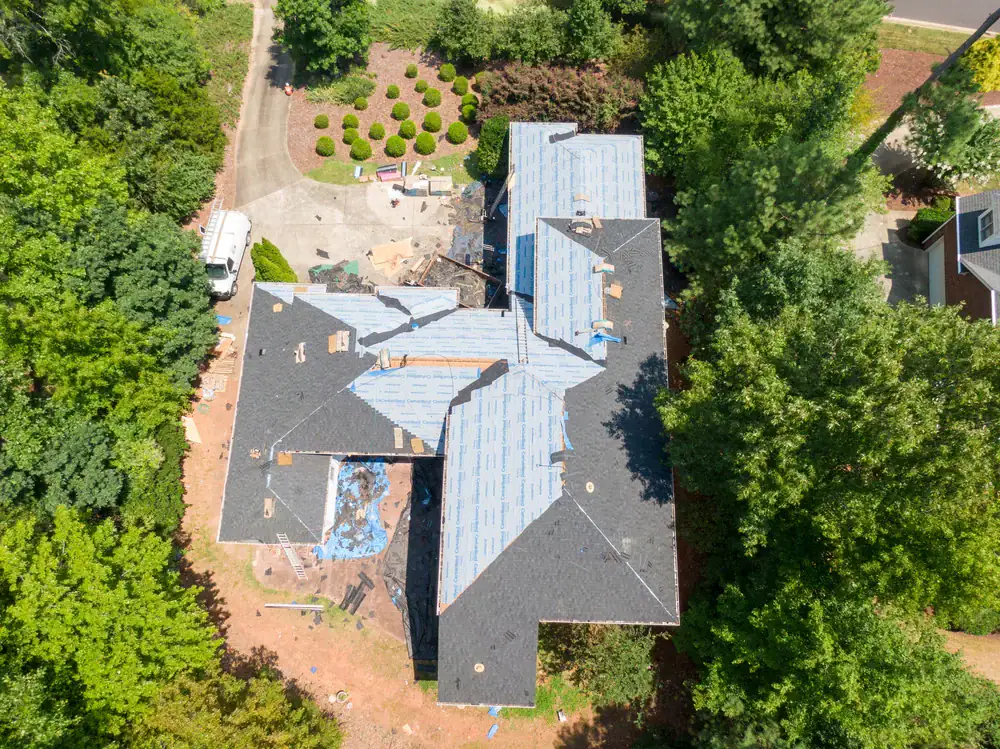
We start with a roof inspection—often using drone technology to assess your flat roof system without putting anyone at risk. You get photos of what we’re seeing, not vague descriptions. If you’re dealing with an insurance claim, we document everything in a format adjusters actually want to see.
Next, we walk you through your options. Maybe you need a full TPO or PVC roofing replacement. Maybe cool roof restoration will get you another decade of service and bring you into Title 24 compliance. Maybe you just need a maintenance plan to catch small problems before they become expensive ones. We explain what each option costs, how long it takes, and what kind of disruption your tenants will experience.
Once you decide, we pull permits, schedule the work around your business operations, and complete the installation with our own crews—the same people who’ve been with us for years. You get progress updates, photo documentation of the completed work, and all the paperwork you need for your records, warranty claims, or future property transactions.
After installation, we offer commercial roof maintenance programs that actually extend your roof’s lifespan. Regular inspections catch drainage issues, membrane damage, and seal failures before they turn into leaks.
You’re getting more than just installation. Every commercial roofing project includes permit acquisition, Title 24 compliance verification, and coordination with Monrovia’s building department. We handle the paperwork so you don’t have to figure out what forms the city needs or whether your roof meets current energy codes.
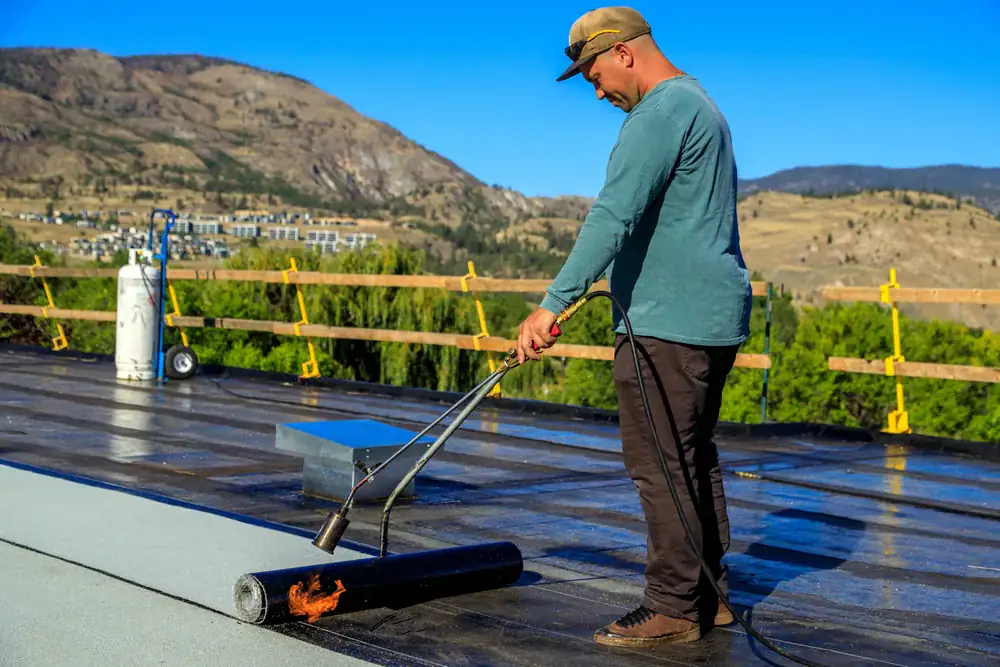
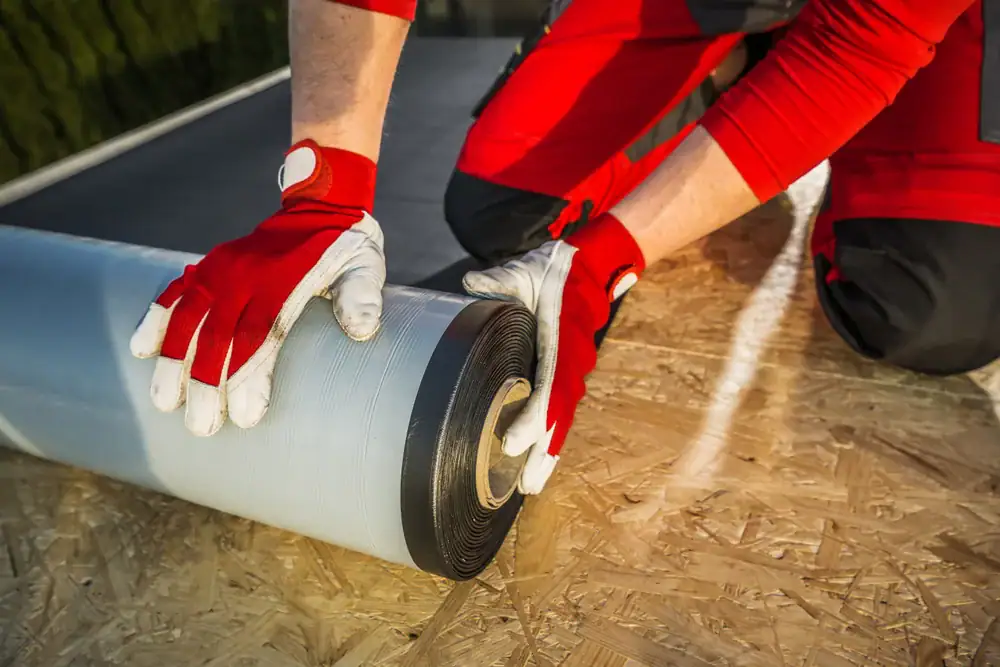
For flat roof systems, we specialize in hot mop applications—both cap sheet and rock-finished systems that most commercial buildings in Southern California use. We also install TPO and PVC roofing membranes, which offer excellent energy efficiency and meet cool roof requirements. If your existing roof can be restored instead of replaced, we’ll tell you that upfront. Cool roof coatings can bring older systems into Title 24 compliance and add years of service life at a fraction of replacement cost.
Industrial roofing solutions for warehouses, manufacturing facilities, and large commercial complexes require different approaches than standard office buildings. We account for HVAC loads, equipment access, and operational requirements that affect how and when we can work on your roof.
Every project includes photo documentation from start to finish. You get a complete record of the work—useful for insurance purposes, property sales, or just knowing exactly what’s under that roof membrane. Our factory certifications mean your installation qualifies for extended manufacturer warranties, which adds real value if you ever sell the property.
Most commercial property managers wait too long to address roof problems because they’re not sure whether they’re looking at a minor repair or a full replacement. Here’s what actually determines that decision.
If your flat roof system is over 20 years old, showing multiple areas of membrane deterioration, or has a history of recurring leaks in different locations, replacement usually makes more sense than patching. You’re throwing money at a failing system at that point. But if your roof is under 15 years old with isolated problem areas, targeted repairs or restoration often buy you another decade of service.
The key is getting an honest assessment from someone who doesn’t make more money by selling you a new roof. We use drone inspections to document the entire roof surface, then show you exactly what we’re seeing. Ponding water, membrane shrinkage, failed seams, and deteriorated flashing all tell us different things about whether your roof can be saved or needs replacement. You get photos, a written assessment, and options with real cost comparisons—not pressure to make a decision on the spot.
California’s Title 24 energy standards require most low-slope commercial roofs to meet specific solar reflectance requirements. As of 2025, you need an SRI (Solar Reflectance Index) of 75 to 85 for most commercial buildings in Southern California. That’s not optional—it’s code.
If you’re replacing or restoring your roof, you must meet these cool roof requirements to pass inspection. That means using materials that reflect solar heat instead of absorbing it. TPO and PVC roofing membranes typically meet these standards. Older built-up roofs or dark-colored membranes usually don’t. Cool roof coatings can bring non-compliant roofs up to standard without full replacement.
Here’s why this matters beyond just passing inspection: a Title 24-compliant cool roof reduces your building’s cooling costs, sometimes significantly. In Monrovia’s hot summers, a roof that reflects heat instead of absorbing it means your HVAC system works less. Lower energy bills, better tenant comfort, and compliance with state law. Not all roofing contractors understand these requirements or know which products actually meet the standards. We do this regularly, so you don’t end up with a failed inspection or a roof that doesn’t perform as promised.
Timeline depends on your building size, roof complexity, and weather conditions. A typical 10,000-square-foot flat roof replacement takes about one to two weeks from start to finish. Larger industrial roofing projects can take several weeks, especially if we’re coordinating around your business operations.
We schedule commercial roofing work to minimize disruption to your tenants and operations. That might mean working in phases, avoiding peak business hours, or timing the project during your slow season. Monrovia’s dry summers are ideal for roofing work—we rarely deal with weather delays between May and October.
Permit approval from the city adds a few days to a week before we start work, depending on their current workload. We handle all permit applications and inspections, so you’re not making trips to city hall or figuring out what documentation they need. Once permits are approved and materials are staged, the actual installation moves quickly. You’ll see daily progress, and we’ll keep you updated if anything changes. Most property managers are surprised by how fast the work goes once we’re on site—decades of experience means we know exactly how to sequence the job efficiently.
Yes, and we know exactly what insurance adjusters need to see. A significant portion of our commercial roofing work involves insurance claims—storm damage, leak-related claims, and age-related failures that policies cover under certain conditions.
We document everything with photos that show the extent of damage, the cause, and what needs to be repaired or replaced. Insurance companies want specific information: membrane condition, underlying deck damage, whether the failure resulted from a covered event or deferred maintenance. We provide that documentation in a format adjusters can use to process your claim quickly.
Here’s what makes this easier for you: we’ll meet with your adjuster on site, explain what we’re seeing, and provide a detailed scope of work with pricing. We’re not inflating estimates or trying to get insurance to pay for work your roof doesn’t need. We’re giving them accurate information so your claim gets approved and you can move forward with repairs. Many property managers tell us this is the most frustrating part of dealing with roof damage—we handle it so you don’t have to become an expert in insurance claim documentation overnight.
Regular maintenance is the difference between a 15-year roof and a 25-year roof. Our commercial roof maintenance programs include scheduled inspections, minor repairs, drain cleaning, and documentation that proves you’re maintaining your roof properly—which matters for warranty coverage and insurance claims.
We inspect your roof twice a year, typically in spring and fall. We’re checking for membrane damage, failed seals around penetrations, ponding water that indicates drainage problems, and any issues with flashing or edge details. Small problems get fixed during these visits before they turn into leaks. Drains and scuppers get cleared so water doesn’t pool on your roof.
You get a written report after each inspection with photos of any issues we found and what we did to address them. This documentation is valuable if you ever file an insurance claim or sell the property—you can prove the roof was properly maintained. Most manufacturer warranties require regular maintenance to stay valid. Skip it, and you might find out your warranty is void when you actually need it. Maintenance costs a fraction of what emergency repairs or premature replacement costs, and it gives you predictable roofing expenses instead of surprise failures.
California requires a C-39 roofing contractor license for anyone doing roofing work over $500. But here’s what most property managers don’t realize: a C-39 is a specialty license that requires specific experience, testing, and insurance that general contractors with a B license don’t have.
A C-39 license means we’ve demonstrated technical knowledge of roofing systems, materials, and installation methods to the California Contractors State License Board. We carry the required liability insurance and workers’ compensation coverage. If something goes wrong, you’re protected. Unlicensed contractors or those working under the wrong license classification put you at risk—if they damage your property or someone gets injured, you could be liable.
Beyond legal compliance, the C-39 license signals that we specialize in roofing. We’re not general contractors who occasionally do roofs. We do this every day, on commercial buildings throughout Los Angeles County. We understand flat roof systems, membrane types, Title 24 requirements, and the specific challenges of commercial roofing that residential-focused contractors don’t encounter. You’re getting specialized expertise, not someone learning on your building.
Other Services we provide in Monrovia