Appointments Available
Phone Support 24/7
Bell Gardens, CA 90201
*Serving most of Southern California*
Appointments Available
Phone Support 24/7
Bell Gardens, CA 90201
Your building stays compliant without the scramble. That’s what matters when the city inspector shows up or your insurance adjuster needs documentation.
You’re not dealing with callbacks because the flashing failed or the membrane wasn’t installed to spec. Your roof handles California’s Title 24 energy requirements without you thinking about it. TPO and PVC systems that meet cool roof standards and actually perform when temperatures spike.
The real benefit shows up during renewals. Your property manager isn’t fielding tenant complaints about leaks. Your maintenance budget isn’t getting blown on emergency patches. You’ve got photo documentation of every install phase, which matters more than you’d think when claims or inspections come around.
Flat roof systems in San Marino face specific challenges—minimal slope, strict fire codes, and energy mandates that change. When your roof is installed right from the start, you’re not retrofitting two years later to meet requirements that should’ve been handled during installation.
We hold California Contractor License #249559 and have completed over 375 permitted projects across Los Angeles County. Our crews come from Union Roofers Local 220, and several have been with us for decades.
San Marino’s building standards aren’t negotiable. You’re working in a city where zoning regulations are stricter than most of LA County, and inspectors know what they’re looking at. We’ve handled commercial projects here long enough to know which details get flagged and how to document everything correctly the first time.
Factory certifications from major manufacturers mean your warranty is actually valid. Our C-39 specialty license covers the scope of work your project requires. When you’re managing commercial property in this area, you need contractors who understand that compliance isn’t optional and shortcuts cost more than they save.
We start with a roof inspection that includes photo documentation of current conditions. You get a written assessment that breaks down what needs immediate attention versus what you can schedule for later. No pressure to replace what can be maintained.
If you’re moving forward, we pull the permits and handle city coordination. San Marino requires building permits for commercial roofing work, and inspections happen at specific phases. We schedule those and make sure the work is ready when the inspector arrives.
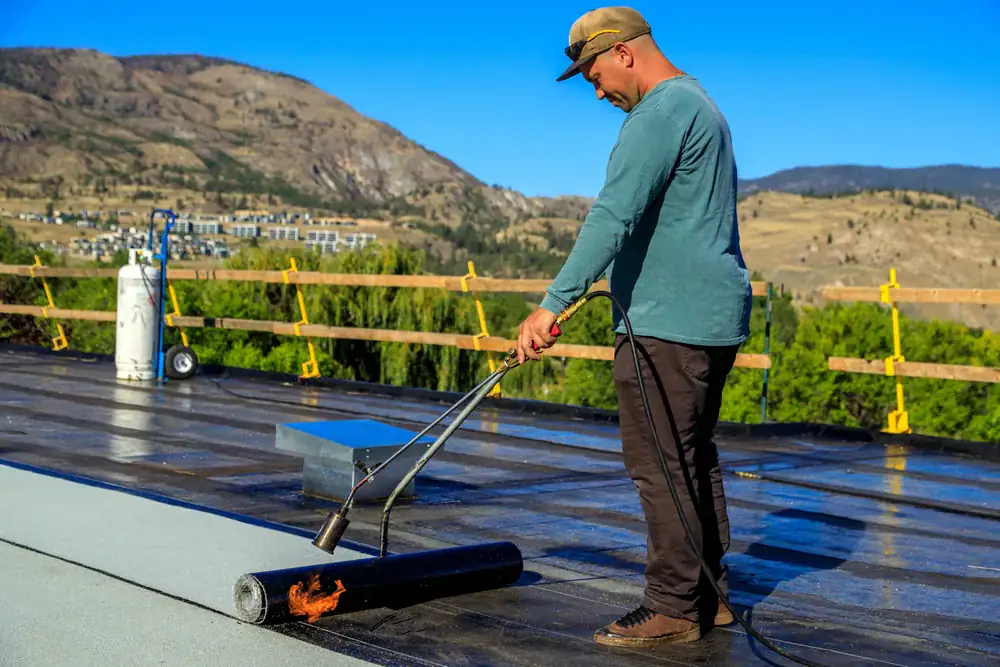
During installation, we document each layer. That matters for your records and for any future insurance claims. Whether it’s a TPO system for energy efficiency or a hot mop application for a complex detail, you’ll see exactly what’s under that finished surface.
After the final inspection passes, you receive all permit sign-offs, warranty documentation, and a full set of install photos. If you’re working with a property management company, we provide everything they need for their files. Most commercial projects in this area take two to five days depending on size and complexity, and we coordinate around your business operations to minimize disruption.
You’re getting a roof system designed for California’s Title 24 energy standards and San Marino’s local requirements. That includes cool roof compliance, proper fire ratings, and wind-uplift calculations based on your building’s exposure and height.
TPO and PVC single-ply membranes handle the energy efficiency requirements while providing chemical resistance for buildings with HVAC exhaust or other rooftop equipment. These systems reflect heat, which matters in San Marino where summer temperatures regularly hit the 90s. Your cooling costs drop, and you’re meeting code requirements that only get stricter over time.
Flat roof systems need proper drainage and flashing details. We handle the transitions at walls, penetrations, and equipment curbs—the spots where most leaks start. Every seam is inspected before we move to the next phase, and you’ll have documentation proving it.
San Marino properties often include HOA oversight or historic considerations that affect material selection and appearance. We work within those parameters while making sure the roof performs. You’re not sacrificing function for aesthetics or vice versa. Industrial roofing solutions for this area need to balance multiple requirements, and we’ve handled enough projects here to know what works and what creates problems down the line.
Yes. San Marino requires building permits for commercial roofing projects, and the city conducts inspections at specific phases of the work.
This isn’t optional, and trying to skip it creates major problems if you ever need to file an insurance claim or sell the property. The permit process includes plan review, and inspectors check the work before you can close out the permit. Most commercial projects require at least two inspections—one during installation and one at completion.
We handle the permit application and coordinate inspection scheduling. The city needs to see that your roof meets California building codes, Title 24 energy requirements, and local fire safety standards. That documentation protects you and proves the work was done correctly. If you’re working with a property management company, they’ll want copies of all permit records for their files.
Both are single-ply membranes that meet Title 24 cool roof requirements, but they handle different conditions. TPO costs less and works well for most commercial applications in San Marino. It’s heat-welded at the seams, reflects UV rays, and holds up to normal rooftop traffic.
PVC offers better chemical resistance, which matters if your building has restaurant exhaust, HVAC condensate, or other rooftop equipment that produces runoff. It’s more flexible in cold weather and generally lasts longer, but you’re paying more upfront. For flat roof systems where ponding water is a concern, PVC handles prolonged water exposure better than TPO.
Your building’s specific conditions determine which makes sense. If you’ve got grease exhaust or industrial processes that put chemicals on the roof, PVC is worth the extra cost. For standard office or retail buildings, TPO gives you the energy efficiency and durability you need without overspending. We’ll walk you through what your roof actually faces and recommend based on that, not on what’s easier for us to install.
Most commercial projects take two to five days depending on square footage, roof complexity, and weather. A straightforward flat roof on a 5,000 square foot building typically takes three days—one for tear-off and prep, one for installation, and one for details and cleanup.
Larger buildings or roofs with multiple levels, extensive HVAC equipment, or complicated flashing details take longer. We also need to factor in inspection scheduling since San Marino requires city sign-off at specific phases. If the inspector can’t come out for two days, that extends your timeline.
Weather delays happen. We don’t install membranes in rain or when temperatures drop too low for proper adhesion. That’s not us being cautious—it’s manufacturer requirements that affect your warranty. We’ll give you a realistic timeline upfront and update you if anything changes. Most commercial property managers appreciate knowing exactly when we’ll be on-site so they can notify tenants and plan around any noise or access restrictions.
Title 24 is California’s energy code, and it sets minimum standards for roof reflectivity and insulation. Your commercial roof needs to meet cool roof requirements, which means the materials must reflect a certain percentage of solar heat instead of absorbing it.
This affects your material choices. Standard dark membranes don’t qualify. You need light-colored TPO, PVC, or coatings that meet the reflectivity index. The goal is reducing your building’s cooling load, which lowers energy costs and helps California meet statewide energy targets.
Compliance isn’t optional. When we pull your permit, the city checks that your roof specs meet Title 24. If you’re doing a full replacement, you also need to meet current insulation requirements, which are stricter than they were ten years ago. We handle the calculations and spec the right materials so your roof passes inspection. You’ll get documentation proving compliance, which matters for your records and for any future buyers if you sell the property.
It depends on how much of your roof is compromised and whether the underlying structure is sound. If you’ve got isolated leaks and the membrane is less than 15 years old, repairs usually make sense. If more than 30% of the roof shows damage, or if you’re patching the same spots repeatedly, replacement is more cost-effective.
We’ll inspect the entire roof and document what we find. You’ll see photos of problem areas, and we’ll explain what’s causing the issues. Sometimes it’s obvious—the membrane is cracked and brittle across large sections. Other times it’s less clear, and we’ll give you options with honest cost comparisons for repair versus replacement.
San Marino’s strict codes mean that even repairs might trigger requirements to bring other parts of the roof up to current standards. If your roof is old enough, doing a full replacement lets you meet today’s energy codes and fire ratings, which adds value and avoids piecemeal upgrades later. We’re not pushing you toward the bigger job—we’re showing you what each option actually costs over the next five to ten years so you can make the call that makes sense for your property and budget.
It depends on what caused the damage and what your policy covers. Most commercial policies cover sudden damage from storms, fire, or vandalism. They typically don’t cover damage from poor maintenance or normal wear and tear.
If you’re filing a claim, documentation matters more than most property owners realize. Insurance adjusters want proof of what happened, photos of the damage, and records showing the roof was properly maintained before the incident. We provide that documentation during inspections and installations, which strengthens your claim if you ever need to file one.
San Marino’s building codes also affect insurance coverage. If your roof wasn’t installed to code or doesn’t meet current standards, your insurer might reduce the payout or deny the claim entirely. That’s why permits and inspections aren’t just bureaucratic hurdles—they’re proof that your roof was built correctly. We’ve worked with enough insurance claims to know what adjusters look for, and we document our work accordingly. If you’ve got damage and you’re not sure about coverage, we can assess the situation and provide the documentation your insurer will request.
Other Services we provide in San Marino