Appointments Available
Phone Support 24/7
Bell Gardens, CA 90201
*Serving most of Southern California*
Appointments Available
Phone Support 24/7
Bell Gardens, CA 90201
Your commercial property is an investment. A failing roof doesn’t just cost you repair money—it costs you tenants, insurance headaches, and sleepless nights wondering when the next leak will hit.
You’re dealing with California’s Title 24 cool roof mandates, energy costs that keep climbing, and the reality that most contractors don’t document their work well enough to satisfy your insurance adjuster. That’s not a small problem when you’re trying to file a claim or prove compliance during an inspection.
The right commercial roofing contractor handles flat roof systems, TPO and PVC roofing installations, and Title 24 cool roof restoration with the kind of attention that keeps your property protected and your operations running. You get a roof that performs through Walnut’s summer heat and winter storms, backed by maintenance programs that catch problems before they become emergencies. No surprises. No scrambling for emergency repairs at the worst possible time.
We’ve been handling commercial and industrial roofing solutions across Los Angeles County for decades. We’re not a crew that shows up different every job—our teams have been with us for years, and they know exactly what California’s commercial roofing demands.
We hold a C-39 specialty roofing license, factory certifications from major manufacturers, and an A+ BBB rating. That’s not marketing talk—it’s the documentation you need when your insurance company asks questions or your property manager wants proof of compliance. We’ve built our reputation in communities like Walnut by doing the work right and making sure you understand what’s happening on your roof every step of the way.
First, we inspect your roof and document everything with photos. You’re not getting a vague estimate—you’re getting a clear breakdown of what’s wrong, what needs attention now, and what can wait. We walk you through Title 24 requirements if you’re dealing with cool roof compliance, and we explain your options for flat roof systems, TPO, PVC, or restoration.
Once you approve the scope, we schedule the work around your business operations. Our crews show up when we say they will, and they don’t leave until the job is finished correctly. Every step gets photographed because that documentation matters when you’re filing insurance claims or proving code compliance to the city.
After installation, you’re not on your own. We offer commercial roof maintenance programs that include regular inspections, minor repairs, and the kind of proactive care that extends your roof’s lifespan. You’ll know what’s happening with your roof before it becomes a problem that shuts down your operations or floods your property.
You’re getting more than a patch job. Our commercial roofing services cover everything from new TPO and PVC roofing installations to Title 24 cool roof restoration, emergency leak repairs, and long-term maintenance contracts. We handle flat roof systems on retail centers, office buildings, industrial facilities, and HOA properties throughout Walnut and the surrounding areas.
California’s Title 24 energy code isn’t optional, and Walnut’s climate doesn’t give your roof a break. Summer temperatures in the San Gabriel Valley push roofing materials to their limits, breaking down membranes and flashing through UV exposure and thermal cycling. Winter rains find every weak point. You need a roof designed for these conditions, installed by people who’ve handled hundreds of commercial projects in this exact climate.
We also specialize in insurance claim documentation. If you’ve ever tried to get an insurance company to approve a commercial roof claim, you know how critical proper photos and reports are. We document every stage of the work, provide detailed estimates, and communicate directly with adjusters when needed. That’s the difference between a claim that gets approved and one that sits in limbo for months.
Start with an honest inspection. If your roof is leaking in multiple areas, showing widespread membrane damage, or failing to meet current Title 24 cool roof standards, replacement usually makes more financial sense than patching indefinitely.
Most commercial flat roof systems last 15-25 years depending on the material and maintenance history. If you’re past that window and dealing with recurring leaks, you’re spending money on repairs that won’t solve the underlying problem. A roof restoration might be an option if the substrate is still solid and you’re mainly dealing with surface-level wear.
We’ll walk your roof, document what we find, and give you a clear recommendation. Sometimes a section can be repaired and the rest maintained for a few more years. Other times, you’re better off replacing it now and avoiding the emergency call when the next storm hits. We’re not here to oversell you—we’re here to give you the information you need to make the right call for your property and budget.
Title 24 is California’s energy code, and it requires commercial roofs to meet specific reflectivity and emissivity standards. Basically, your roof needs to reflect sunlight and release heat instead of absorbing it, which reduces your building’s cooling costs and energy consumption.
If you’re replacing or restoring more than 50% of your roof, you’re required to meet these cool roof standards. That means using materials with a high Solar Reflectance Index—usually TPO, PVC, or specially coated systems. The exact requirements depend on your building type, roof slope, and climate zone, but in Walnut, you’re in an area where cool roofs make a measurable difference in energy bills.
We handle the compliance paperwork and material selection so you don’t have to figure it out yourself. The city will want documentation proving your roof meets Title 24 standards, and we provide that as part of the project. It’s not just about avoiding fines—it’s about installing a roof that actually performs better and costs less to cool during Walnut’s long, hot summers.
It depends on the size of your building, the roofing system you’re installing, and whether we’re working around your business operations. A small commercial building might take 3-5 days. Larger industrial roofing projects can take several weeks, especially if we’re coordinating around tenants or working in phases to avoid disrupting your operations.
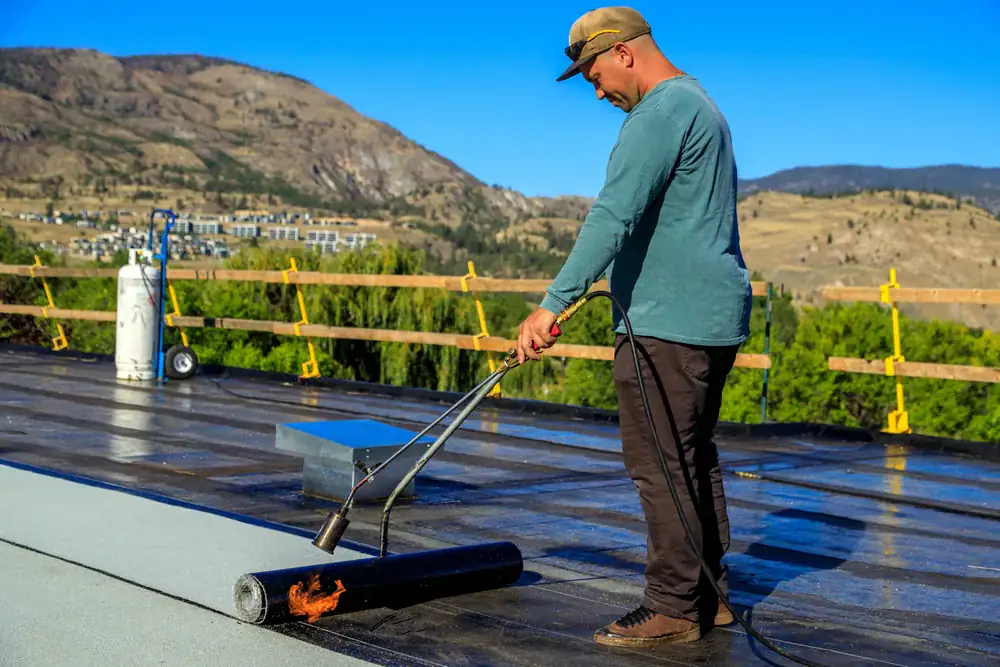
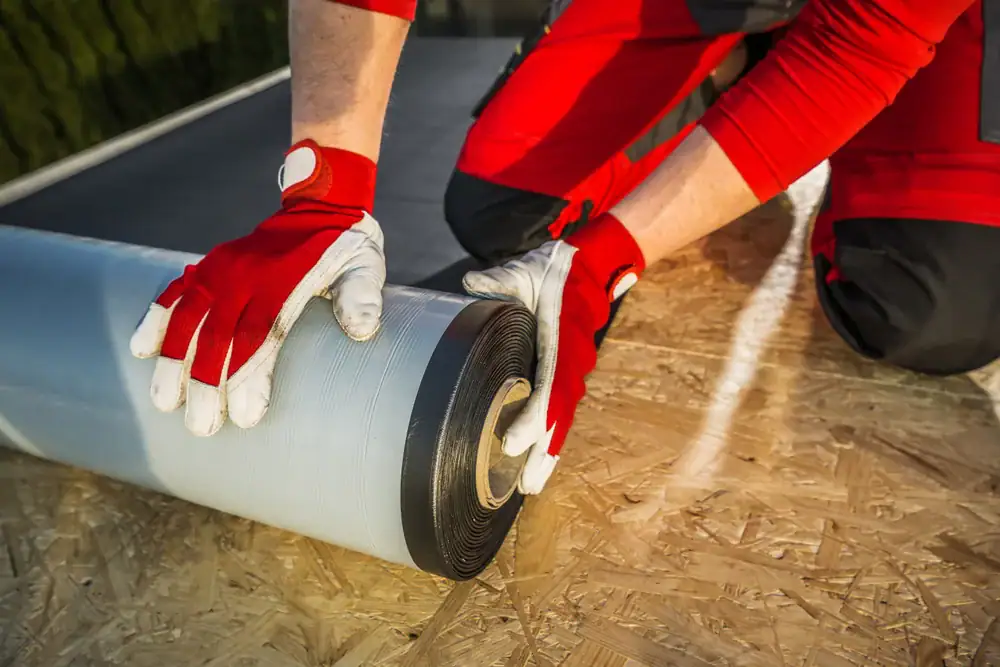
TPO and PVC roofing installations generally move faster than built-up or modified bitumen systems because the material comes in large sheets that get welded together. Flat roof systems on bigger properties take longer simply because there’s more square footage to cover, more penetrations to flash, and more details to get right.
We’ll give you a realistic timeline during the estimate, and we stick to it. If weather delays us or we find unexpected substrate damage that needs attention, we’ll let you know immediately. Most of our commercial clients care more about the work being done right than it being done fast, and we schedule projects so your business isn’t sitting with an open roof or blocked access for longer than necessary.
Yes, and we’ve done it enough times to know exactly what insurance adjusters need to see. We document the damage with detailed photos, provide written assessments of what caused the failure, and submit estimates that break down every line item so there’s no confusion about what’s covered.
Insurance companies want proof that the damage was sudden and accidental—not the result of deferred maintenance. If your roof failed because of a storm, we’ll document the wind damage, water intrusion points, and any related interior damage. If it’s wear and tear, we’ll tell you that upfront so you’re not surprised when the claim gets denied.
We can also work directly with your adjuster during their inspection, walking the roof together and answering their questions on the spot. That speeds up the process and reduces the back-and-forth that usually drags out claims. You’re still responsible for your deductible and any non-covered items, but we make sure you’re getting everything you’re entitled to under your policy. A lot of commercial property owners don’t realize how much proper documentation affects claim outcomes—it’s often the difference between full coverage and a partial payout.
Regular inspections, minor repairs, and documentation that proves you’re taking care of your roof. Most of our maintenance contracts include quarterly or semi-annual inspections where we check drains, flashing, seams, and membrane condition. We clear debris, reseal penetrations, and catch small problems before they turn into leaks.
You also get a written report after every visit with photos showing your roof’s current condition. That documentation is valuable when you’re renewing insurance, selling the property, or filing a claim down the road. It proves you’ve been proactive about maintenance, which insurance companies care about when deciding whether to cover damage.
Maintenance programs also extend your roof’s lifespan. A commercial flat roof that gets inspected and maintained regularly can last years longer than one that’s ignored until something breaks. You’re spending a little bit consistently instead of getting hit with a massive emergency repair bill when a leak floods your building during a winter storm. For most commercial property owners in Walnut, it’s the smartest way to protect their investment and avoid the headaches that come with reactive roofing.
Because California requires a C-39 specialty license for roofing work, and that license means the contractor has proven experience, insurance, and accountability. A general contractor or unlicensed crew might be cheaper, but they’re not legally allowed to pull permits for roofing projects, and you’re taking on all the liability if something goes wrong.
A C-39 license also means we carry the proper insurance to work on commercial properties. If someone gets hurt on your roof or we cause accidental damage during the project, our insurance covers it. Unlicensed contractors don’t have that protection, which means you’re on the hook if there’s an accident or defective work.
Factory certifications matter too. We’re certified by major roofing manufacturers to install their systems, which means your warranty is valid and backed by the manufacturer. If an unlicensed contractor installs the same material, the manufacturer won’t honor the warranty because the installation wasn’t done by an approved contractor. You’re paying for a roof that’s supposed to last 20 years, but you have no recourse if it fails in five. Hiring a licensed, certified contractor isn’t about paying more—it’s about protecting yourself and making sure the work is done right the first time.
Other Services we provide in Walnut