Appointments Available
Phone Support 24/7
Bell Gardens, CA 90201
*Serving most of Southern California*
Appointments Available
Phone Support 24/7
Bell Gardens, CA 90201
Your building stays dry when storms hit. Your cooling costs drop because the roof’s actually doing its job. Your insurance company has the documentation they need when you file a claim.
You’re not calling someone back in six months because the repair didn’t hold. You’re not explaining to tenants why there’s water damage in their unit. You’re not scrambling to find emergency coverage because a contractor disappeared.
The roof works. Your operations continue. That’s what matters when you’re managing a commercial property in West Carson, where coastal moisture and intense UV exposure don’t give you second chances.
We’ve been working in Los Angeles County since 1980. That’s forty years of understanding how coastal conditions affect commercial roofing systems, from the moisture that rolls in during June Gloom to the thermal stress of summer heat.
We hold a C-39 specialty roofing license and factory certifications that most contractors don’t pursue. Our crews have been with us for years, not months. When someone shows up to your property, they know what they’re doing because they’ve done it hundreds of times before.
West Carson businesses need roofing contractors who understand Title 24 compliance, insurance documentation requirements, and how to install flat roof systems that actually last in this climate. That’s what we do.
You call us or send a message. We schedule an inspection at a time that works around your business operations. Someone who actually knows commercial roofing shows up, not a salesperson reading from a script.
We assess your roof system, document current conditions with photos, and explain what you’re dealing with in plain terms. If it’s a repair, we tell you what needs fixing and why. If it’s a replacement, we walk through your options for flat roof systems, TPO and PVC roofing, or Title 24 cool roof restoration based on your building’s specific needs.
You get a detailed estimate with no hidden costs. When work begins, we coordinate around your schedule to minimize disruption. Our crews handle safety protocols, debris control, and site cleanliness like professionals. We document the installation process, provide you with photos for your records, and make sure you understand your warranty coverage before we leave.
You get roofing systems engineered for West Carson’s coastal environment. That means reflective single-ply membranes like TPO or PVC that reduce heat gain and meet California’s Title 24 energy requirements. It means proper drainage design so water doesn’t pool on your flat roof during winter storms.
Commercial roof maintenance programs include bi-annual inspections timed around California’s weather patterns. We check drainage systems, look for early signs of membrane degradation from UV exposure, and handle minor repairs before they become major problems. For industrial roofing solutions, we work with modified bitumen and coating systems that handle high-traffic areas and equipment loads.
Every project includes photo documentation that insurance companies actually want to see. You get detailed records of materials used, installation techniques, and warranty information. If you’re filing a claim, you have what you need. If you’re selling the property, the next owner knows exactly what they’re getting.
We carry $2 million in liability coverage and full workers comp. You’re not exposed if something goes wrong on your property.
Most commercial roof replacements in West Carson take between three to seven days, depending on building size and roof complexity. A 10,000 square foot flat roof with straightforward access typically takes four to five days from tear-off to completion.
Weather affects timing more than most property managers expect. We don’t install roofing systems when rain is forecast because moisture trapped under new membranes causes problems down the road. Coastal fog in West Carson usually burns off by mid-morning, so we plan around that.
Your business operations matter in scheduling. If you need us to work in phases so certain areas stay protected, or if you need us to avoid specific days when you have high customer traffic, we build that into the timeline. The goal is protecting your building without shutting down your business.
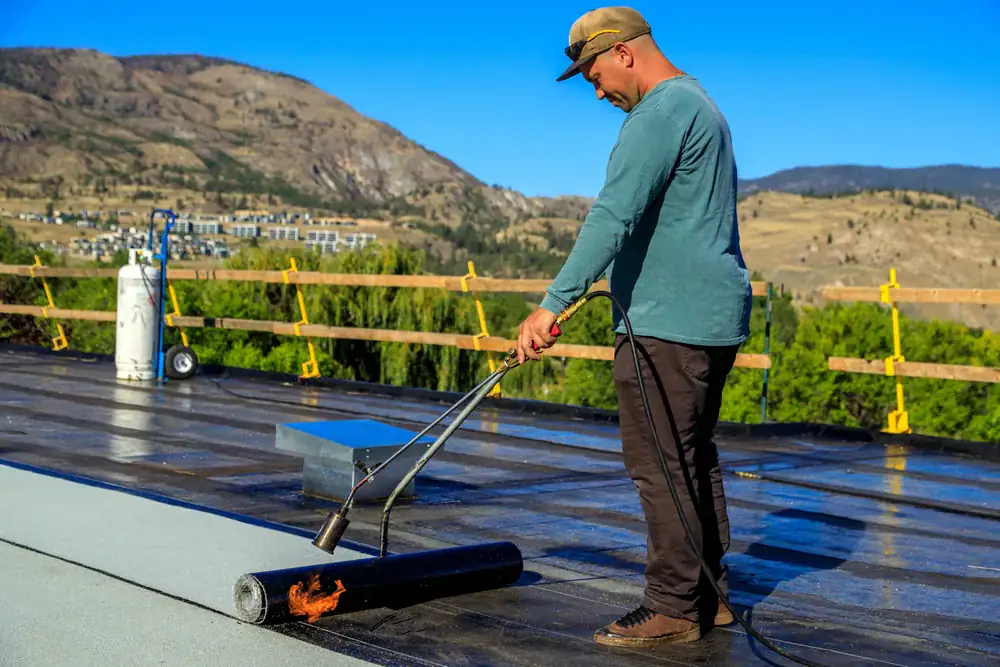
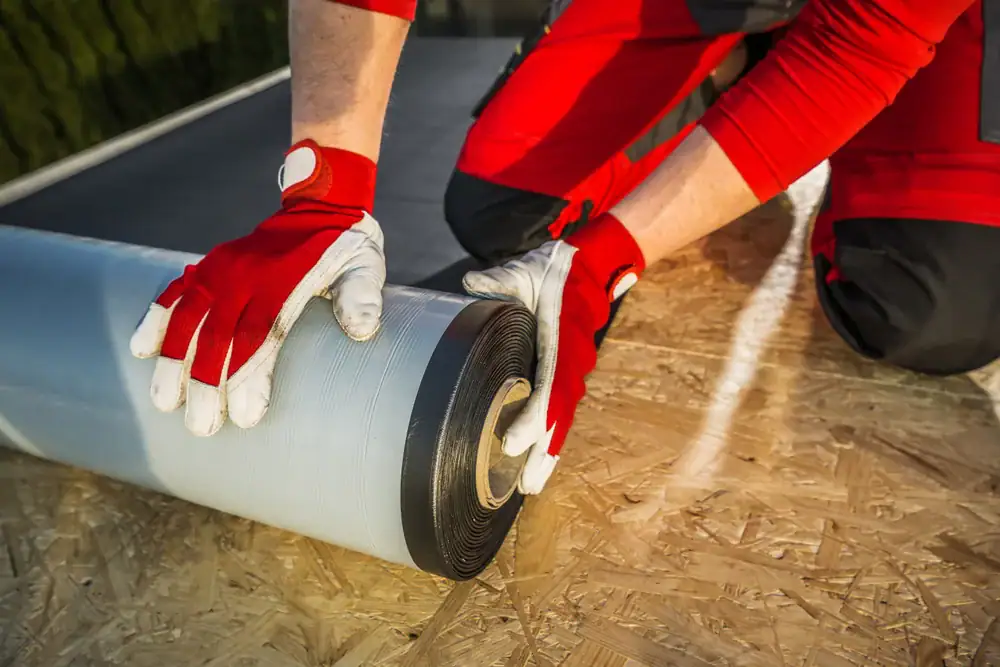
TPO and PVC are both single-ply membrane systems that work well in West Carson’s climate, but they handle different situations. TPO costs less upfront and performs well for most commercial applications. It’s heat-welded at the seams, reflects sunlight to reduce cooling costs, and typically lasts 15-20 years with proper maintenance.
PVC costs more but handles chemical exposure better. If your building has restaurant exhaust, HVAC condensate, or industrial processes that produce oils or greases, PVC holds up where TPO might degrade. PVC also tends to stay flexible longer in areas with significant temperature swings.
Both meet Title 24 cool roof requirements when installed in white or light colors. The choice usually comes down to your building’s specific conditions and budget. We walk through both options during inspections so you understand what you’re paying for and why one might make more sense than the other for your property.
Age tells you a lot. If your commercial roof is over 20 years old and you’re seeing multiple problem areas, replacement usually makes more financial sense than ongoing repairs. You’re not throwing good money after bad trying to patch a system that’s reached the end of its service life.
Active leaks, widespread membrane cracking, or standing water that doesn’t drain within 48 hours after rain are signs you need professional assessment. In West Carson’s coastal environment, you’ll also see accelerated UV damage on south and west-facing roof sections. If the membrane feels brittle or you can see the underlying layers, that’s deterioration that repair won’t fix long-term.
Energy bills matter too. If your cooling costs have increased significantly, your roof might not be providing adequate thermal protection anymore. We do infrared scanning during inspections to find trapped moisture and insulation failure that you can’t see from the surface. That gives you real data to make the repair versus replacement decision, not just guesswork.
Title 24 is California’s energy efficiency standard, and it affects commercial roofing through cool roof requirements. Your roof needs to meet specific solar reflectance and thermal emittance values, which basically means it has to reflect sunlight and release absorbed heat rather than transferring it into your building.
For flat or low-slope commercial roofs in West Carson, you typically need a roof system with an aged solar reflectance of at least 0.63 and thermal emittance of at least 0.75. Most white TPO, PVC, and cool roof coatings meet these requirements. The goal is reducing your building’s cooling load and energy consumption.
Compliance matters during roof replacement, major repairs, or when you’re pulling building permits. Inspectors check this. If you’re not compliant, you can face permit issues or problems when selling the property. We handle the documentation and certification process so you have proof of compliance for building departments and future buyers. It’s not optional in California, so you might as well do it right the first time.
Yes. When storms damage your commercial roof or you discover an active leak that’s threatening your operations, we mobilize quickly. Emergency response means we assess the damage, provide temporary protection to prevent further water intrusion, and schedule permanent repairs as fast as possible.
Temporary measures might include tarping, emergency patching, or sealing compromised areas until we can do proper repairs. The goal is stopping water damage to your building contents, equipment, and inventory. We document everything with photos for your insurance claim because you’ll need that evidence.
Emergency repairs cost more than scheduled work because we’re pulling crews from other projects and working outside normal hours. But when water is actively coming into your building during business hours, the cost of not acting is usually much higher. We give you straight answers about what needs to happen immediately versus what can wait, so you can make informed decisions when you’re under pressure.
Twice a year minimum. Schedule one inspection before winter storms arrive and another after they pass. West Carson gets most of its rainfall between November and March, and that’s when roof problems show up. Catching issues early means fixing a small leak instead of replacing water-damaged insulation and repairing interior damage.
Coastal conditions accelerate roof deterioration. Salt air, UV exposure, and temperature cycling stress roofing materials faster than inland locations. Regular inspections find membrane degradation, failing sealants around penetrations, and drainage problems before they cause major damage.
After severe weather events, inspect immediately. High winds can lift membrane edges or damage flashing. Heavy rain can reveal drainage issues that weren’t obvious before. Most commercial roof failures happen because small problems went unnoticed until they became big problems. Inspection programs cost a few hundred dollars. Emergency repairs and business interruption cost thousands.
Other Services we provide in West Carson