State Licensed “SINCE 1982”

CSLB C-39 #432352

Full Workers Comp. & $2M Liability Insurance
OUR EMPLOYEE ROOFERS ARE FACTORY CERTIFIED
*Serving most of Southern California*
State Licensed “SINCE 1982” CSLB C-39 #432352
Full Workers Comp. & $2M Liability Insurance
OUR EMPLOYEE ROOFERS ARE FACTORY CERTIFIED.

*Serving most of Southern California*

Commercial Roofing Contractor in La Crescenta-Montrose, CA

Roofs That Work When Your Business Can't Afford Downtime

Your commercial roof isn’t just overhead protection—it’s what keeps operations running, tenants comfortable, and insurance claims off your desk when La Crescenta-Montrose weather hits.
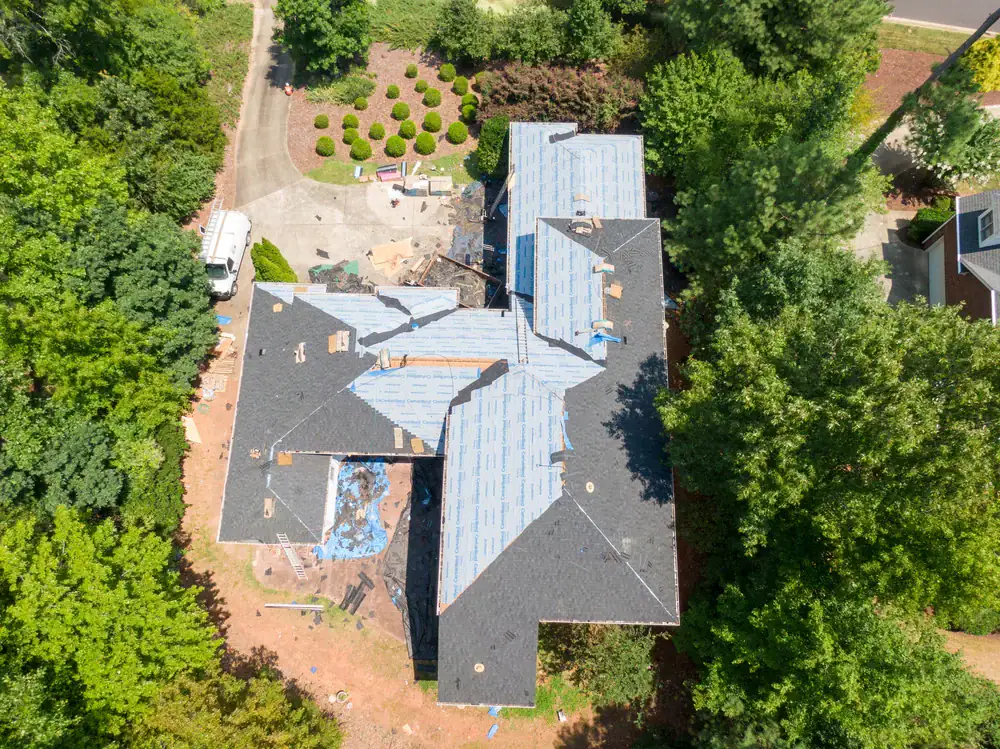
Aerial view of a residential roof undergoing commercial roofing repairs in Acton, California.
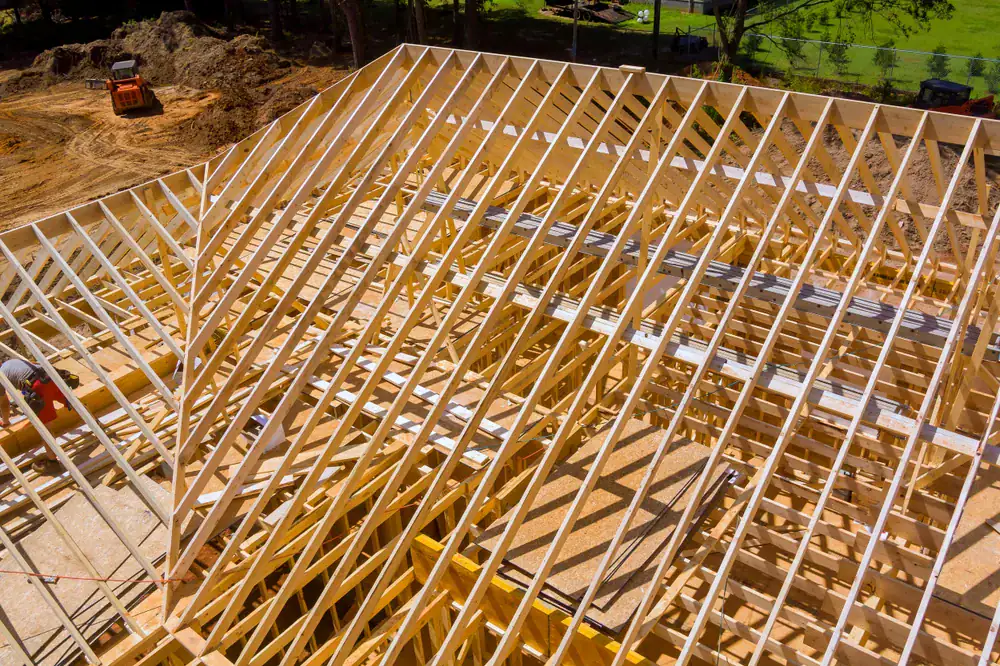
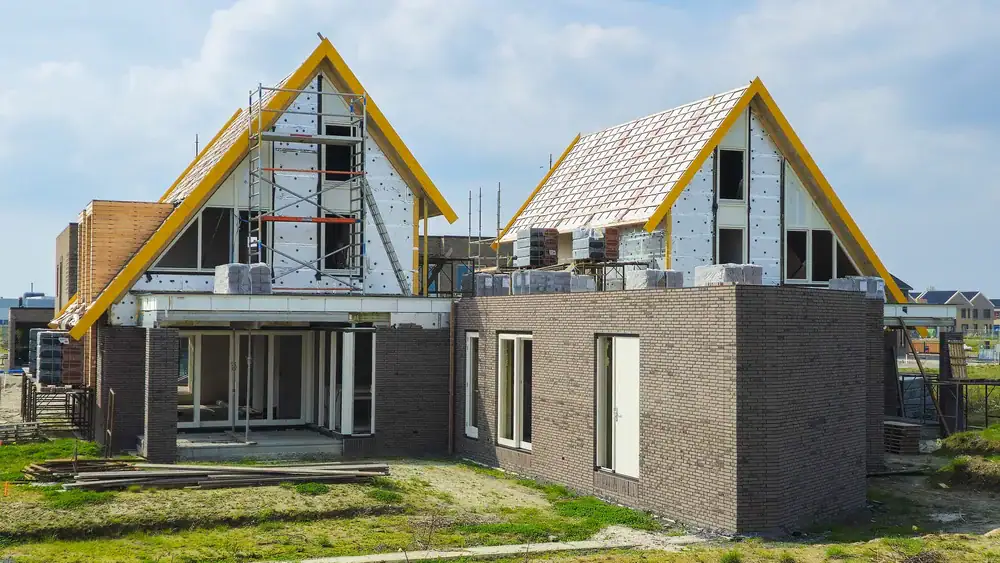
Roof framing under construction in Acton, CA for a commercial building.

Commercial Roofing Solutions in La Crescenta-Montrose

What You Actually Get From a Roof Done Right

You get a roof that doesn’t interrupt your business. No surprise leaks during the next heavy rain. No emergency calls that pull you away from what you’re actually supposed to be doing. No tenants complaining about water damage or HVAC units working overtime because your roof can’t reflect heat.

When your flat roof system is installed correctly—whether it’s TPO, PVC, or another membrane—you’re looking at 15 to 25 years of performance. That’s years without constant repairs eating into your maintenance budget. That’s cooling costs dropping because your roof is doing what Title 24 requires: reflecting heat instead of absorbing it.

You also get documentation that matters. Photos of the work. Compliance paperwork for insurance. A crew that shows up when they say they will and communicates with your tenants so you’re not fielding complaints. You get a roof that works, installed by people who’ve been doing this since 1980, so you can focus on running your property instead of babysitting contractors.

Trusted Commercial Roofer Serving La Crescenta-Montrose

Four Decades of Roofs in Los Angeles County

We’ve been handling commercial and industrial roofing in Los Angeles County since 1980. That’s nearly 40 years of flat roofs, TPO and PVC installations, Title 24 cool roof restorations, and emergency repairs across La Crescenta-Montrose and surrounding areas.

We hold a California C-39 Roofing Contractor License, factory certifications from major manufacturers, and BBB accreditation. More importantly, our crew has been with us for decades—not a rotating door of subcontractors who disappear after the job. When you work with us, you’re getting the same experienced hands that have installed thousands of commercial roof systems across this region.

La Crescenta-Montrose sits right against the Angeles National Forest, which means fire risk, extreme summer heat, and occasional heavy rains during El Niño years. We’ve been navigating those conditions for property managers, business owners, and HOAs in this area long enough to know what works and what fails. Your roof needs to handle 100°F-plus summers and meet California’s energy codes. We make sure it does both.

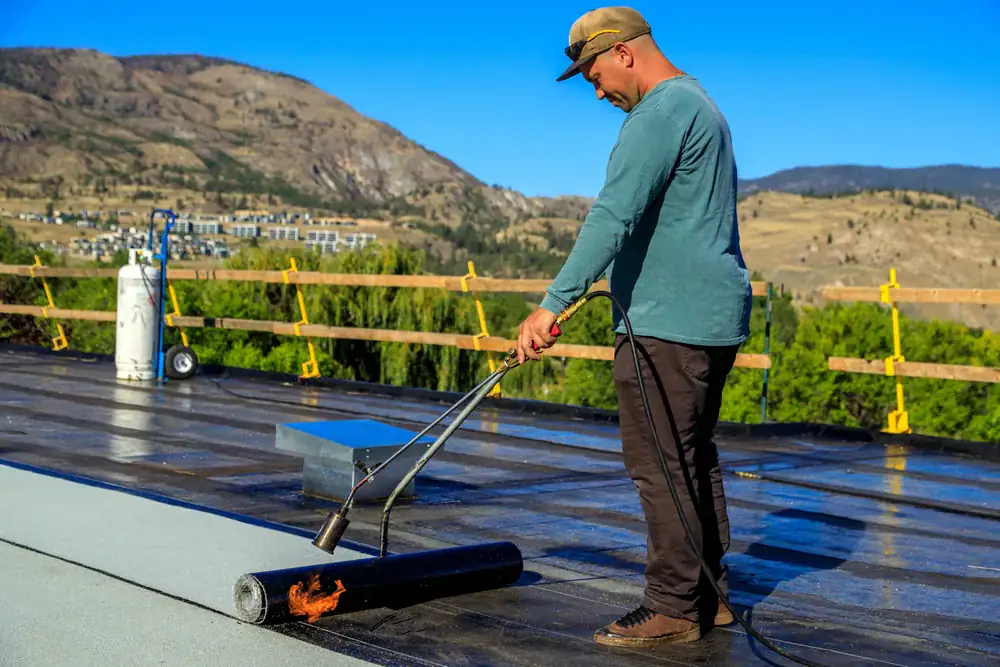
Professional roofing contractor applying roofing membrane on commercial roof in Acton, CA.

Our Commercial Roof Installation Process

Here's How We Handle Your Commercial Roof Project

First, we inspect your existing roof and document everything with photos. You get a clear assessment of what’s failing, what can be repaired, and what needs replacement. No upselling, no vague estimates. If your roof qualifies for restoration instead of full replacement, we’ll tell you.

Once you approve the scope, we coordinate timing that minimizes disruption to your business. If you have tenants, we communicate directly with them about noise, access, and timeline. Our crew shows up on schedule, and we keep you updated throughout the process with photo documentation of each phase.

For flat roof systems, we’re typically installing TPO or PVC single-ply membranes—both are Title 24 compliant cool roofs that reflect heat and reduce your cooling costs. We handle substrate prep, proper drainage design, flashing details around HVAC units and penetrations, and manufacturer-approved installation methods that protect your warranty. Once the roof is complete, you get final documentation, warranty information, and a roof that’s ready to perform for the next two decades.

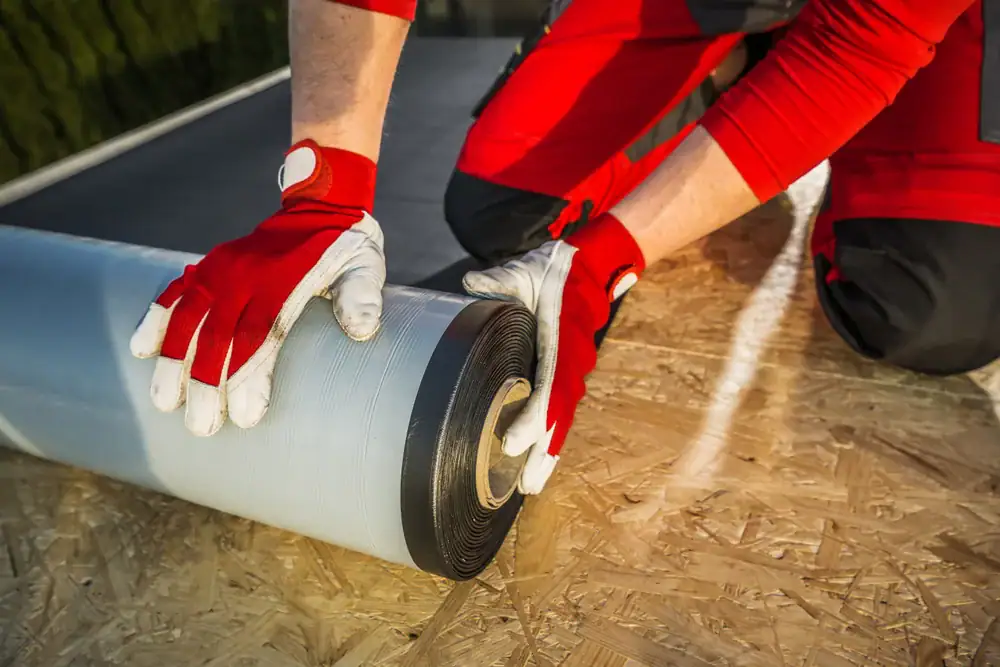
Roofing membrane installation for commercial building in Acton, CA.

Explore More Services

About Royal Roofing Company

Commercial Roof Services in La Crescenta-Montrose

What's Included in Your Commercial Roofing Project

You’re getting a complete roof system, not just a membrane slapped on top of your building. That means proper insulation, drainage design that prevents ponding water, flashing that actually seals around rooftop equipment, and edge details that won’t peel up during Santa Ana winds.

For La Crescenta-Montrose commercial properties, Title 24 compliance isn’t optional—it’s California law for any new or replacement low-slope roof. We install cool roof systems that meet the required thermal emittance and solar reflectance standards. That keeps you compliant and cuts your cooling costs by 10 to 25 percent, which matters when summer temperatures regularly exceed 100°F.

We also handle commercial roof maintenance, which most property managers overlook until there’s a leak. Regular inspections catch small problems before they become expensive emergencies. Clearing drains, resealing penetrations, and checking membrane seams takes a few hours and can add years to your roof’s lifespan. For industrial roofing solutions, we work with warehouses, office complexes, retail buildings, and apartment communities—anywhere you need a flat roof system that performs under California’s climate and code requirements.

New commercial roofing installation on modern buildings in Acton, CA.

How long does a commercial TPO or PVC roof last in La Crescenta-Montrose?

A properly installed TPO or PVC roof typically lasts 20 to 30 years in this climate, assuming regular maintenance. TPO has been the leading single-ply commercial roofing membrane since the 1990s because it handles heat well and costs less than PVC while delivering similar reflective performance.

PVC tends to last slightly longer—often hitting the 30-year mark—and it’s more resistant to chemicals and grease, which matters for restaurant or industrial buildings. Both materials are Title 24 compliant cool roofs, so they reflect solar heat instead of absorbing it, which is critical during La Crescenta-Montrose summers when your roof surface can hit 160°F or higher.

The real lifespan comes down to installation quality and maintenance. A roof with poor drainage will fail early because ponding water degrades the membrane. A roof with improperly sealed seams will leak within a few years. Regular inspections and minor repairs—clearing drains, resealing penetrations, checking flashing—can push your roof well past the 20-year mark and delay a costly replacement.

Title 24 is California’s energy code, and it requires all new or replacement low-slope commercial roofs to meet specific cool roof standards. That means your roof must have a minimum aged solar reflectance and thermal emittance—basically, it needs to reflect sunlight and release heat instead of absorbing it into your building.

For you, that translates to lower cooling costs. A cool roof can reduce your HVAC load by 10 to 25 percent during summer, which is significant when cooling accounts for 30 percent or more of a commercial building’s energy spend. In La Crescenta-Montrose, where summer temperatures regularly exceed 100°F, that’s real money saved every month.

Cool roof restoration involves either applying a reflective coating to your existing roof or installing a new reflective membrane like white TPO or PVC. If your current roof is structurally sound but aging, a coating can extend its life by 10 to 15 years and bring it into Title 24 compliance. If the roof is failing, a full replacement with a cool roof membrane is the better long-term investment. Either way, you’re meeting California’s requirements and cutting energy costs at the same time.

It depends on the extent of the damage and the age of your roof. If you’re dealing with isolated leaks, damaged flashing around HVAC units, or a few seams that have separated, repair is usually the right call. If your roof is less than 15 years old and the membrane is otherwise intact, patching those problem areas can buy you another decade of performance.

Full replacement makes sense when you’re seeing widespread issues—multiple leaks across the roof, large sections of membrane that are cracked or blistering, chronic ponding water that’s degrading the substrate, or a roof that’s already 20-plus years old and near the end of its lifespan. At that point, you’re throwing money at repairs that won’t last, and you’re better off investing in a new roof system.

We document everything with photos during the inspection so you can see exactly what’s happening. If your roof has another 10 years left with minor repairs, we’ll tell you that. If it’s time for replacement, we’ll show you why. The goal is to give you enough information to make the right financial decision for your property, not to upsell you on work you don’t need.

Both are single-ply membranes that perform well in La Crescenta-Montrose’s climate, but they have different strengths. TPO is the more popular choice because it costs less and delivers excellent heat reflectivity—it’s typically white, which keeps your building cooler and meets Title 24 cool roof requirements. It’s durable, resists UV damage, and handles thermal expansion well, which matters during temperature swings.

PVC costs more upfront but tends to last longer—often 30 years compared to TPO’s 20 to 25 years. It’s also more resistant to chemicals, grease, and punctures, so if you’re running a restaurant with rooftop exhaust or an industrial facility with chemical exposure, PVC is the better choice. It’s also more flexible in cold weather, though that’s less of a concern in Southern California.

For most commercial properties in this area—office buildings, retail centers, apartment complexes—TPO offers the best value. You get a long-lasting, energy-efficient roof at a lower price point. PVC makes sense when you need extra chemical resistance or you’re planning to stay in the building long-term and want to maximize lifespan. We walk through both options during the estimate so you understand what you’re paying for and why.

Less than you think, if the contractor plans it right. Most commercial roof work happens on top of your building, so there’s minimal impact on daily operations inside. You’ll hear noise—tear-off equipment, membrane welding, foot traffic—but it’s not like a full interior renovation where you’re dealing with dust and blocked hallways.

The biggest disruption is usually coordinating access for materials and equipment. We need space for a dumpster, delivery trucks for the new roofing materials, and sometimes a crane if we’re working on a taller building. If you have tenants or customers, we communicate the schedule ahead of time so everyone knows what to expect and when.

For most flat roof replacements, we’re talking about one to three weeks depending on the size of your building. We work during business hours unless you need us to shift to nights or weekends to avoid disrupting operations. If you have rooftop HVAC units, we coordinate around them so your climate control stays functional. The key is communication—we keep you updated throughout the project and handle any tenant concerns directly so you’re not playing middleman between your roofer and your building occupants.

Yes. Roof emergencies don’t wait for convenient timing, and we’ve handled plenty of urgent situations—sudden leaks during heavy rain, wind damage after Santa Ana events, punctures from fallen tree branches near the Angeles National Forest. When your roof fails, it’s not just an inconvenience; it’s a business interruption, potential property damage, and liability if tenants or inventory get affected.

Emergency repairs focus on stopping the immediate problem—tarping damaged areas, sealing active leaks, securing loose membrane before wind makes it worse. We assess the damage, document it with photos for your insurance claim if needed, and get your building protected as quickly as possible. Once the emergency is handled, we provide a full evaluation of what caused the failure and what permanent repairs or replacement will cost.

La Crescenta-Montrose’s proximity to the forest and exposure to extreme heat means roofs take a beating. Sudden storms during El Niño years can overwhelm poorly designed drainage systems. Prolonged heat can accelerate membrane aging and cause seams to fail. We’ve been responding to these situations in Los Angeles County since 1980, so we know how to stabilize your roof fast and give you a clear path forward for permanent solutions.

Other Services we provide in La Crescenta-Montrose