Appointments Available
Phone Support 24/7
Bell Gardens, CA 90201
*Serving most of Southern California*
Appointments Available
Phone Support 24/7
Bell Gardens, CA 90201
Your commercial roof sits under direct sun exposure for 300+ days a year in La Palma. That sustained heat breaks down standard materials faster than you’d expect, especially on flat roof systems that can’t shed water or heat the way sloped roofs do.
A properly installed TPO or PVC roofing system does more than keep water out. It reflects heat instead of absorbing it, which means your HVAC system isn’t fighting a losing battle all summer. Property managers we work with report 10-25% drops in cooling costs after upgrading to reflective membrane systems.
You also stop dealing with the constant patch-and-pray cycle. When a roof starts failing, it doesn’t give you one problem—it gives you several, spread out just enough to feel like bad luck. A roof designed for this climate, installed by factory-certified crews, gives you predictable performance and fewer middle-of-the-night phone calls.
We’ve been operating in Southern California since 1980. We hold a C-39 specialty roofing license, maintain $2M liability coverage, and our crews are factory certified on the systems we install. That’s not marketing language—it’s what keeps manufacturer warranties valid and what ensures your roof gets installed the way it was engineered to perform.
Most of our crew has been with us for over a decade. That matters because commercial roofing isn’t something you learn in a weekend. The guys on your roof have seen what works in La Palma’s climate and what fails six months later.
We’ve worked with commercial property owners, HOAs, and business managers throughout Orange County. Many of them came to us after a cheaper bid turned into an expensive problem.
You’ll start with a roof inspection where we document current conditions with photos. If you’re filing an insurance claim, this documentation becomes critical. We’ve handled enough insurance-driven projects to know what adjusters need to see.
From there, we’ll walk you through material options. TPO and PVC roofing membranes are the most common for flat or low-slope commercial buildings in La Palma, but your building’s use, existing structure, and budget all factor in. We’re not here to upsell you—we’re here to explain what each option actually does and what it costs over time, not just upfront.
Once you approve the scope, we handle permits and coordinate with La Palma’s building department. We’ve worked with local inspectors enough that we know what they’re looking for, which keeps your project moving instead of stalling out over paperwork.
During installation, we work to minimize disruption. If you’ve got tenants or operating hours to protect, we’ll schedule around them. The job gets done in phases if that’s what makes sense. Final inspection happens with the city, and you get documentation of the completed work, warranty information, and a maintenance plan if you want one.
Commercial roof maintenance in La Palma isn’t optional if you want your roof to last. Heat accelerates wear on every component—seams, fasteners, flashing, drains. An annual inspection catches small issues before they become water intrusion problems that cost tens of thousands to fix.
We also handle Title 24 cool roof restoration, which is California’s energy efficiency standard for commercial buildings. If your building is subject to Title 24 compliance, a cool roof coating can bring you into spec while extending your roof’s lifespan. It’s a fraction of the cost of a full replacement and cuts cooling costs immediately.
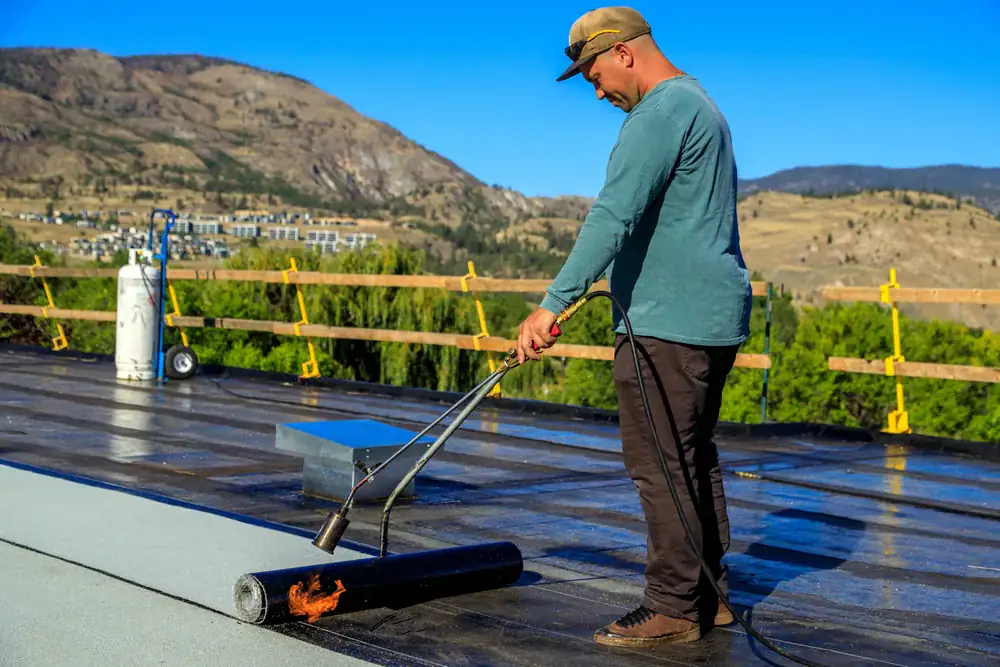
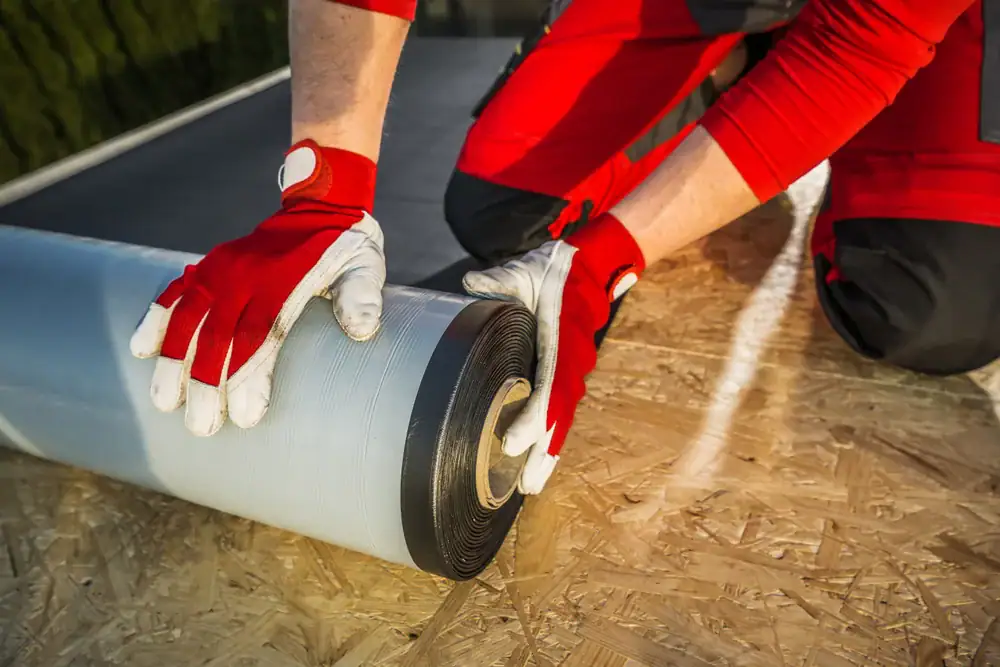
For new installations or full replacements, we specialize in TPO and PVC roofing systems, both of which are heat-resistant, reflective, and proven in Southern California’s climate. TPO is more cost-effective. PVC is more chemical-resistant and longer-lasting. We’ll explain the difference based on your building’s needs, not ours.
Industrial roofing solutions for larger facilities or specialized buildings—warehouses, manufacturing plants, anything with unique load requirements or equipment on the roof—are also part of what we do. Every building is different. Your roof system should reflect that.
It depends entirely on the material and how it was installed. A standard built-up roof might give you 15-20 years if it’s maintained. TPO membranes typically last 20-30 years. PVC roofing systems can push 30+ years with proper care.
But here’s what shortens that lifespan: poor installation, deferred maintenance, and choosing a material that wasn’t designed for sustained heat exposure. La Palma sees summer temperatures in the mid-90s, and your roof surface gets even hotter. Materials that work fine in cooler climates break down faster here.
If your roof is over 20 years old and you’re starting to see multiple leaks, cracking, or bubbling, you’re usually better off replacing it than trying to patch it back together. Once the membrane or underlying layers start failing, repairs become a temporary fix that buys you a few months, not years.
Both are single-ply membrane systems designed for flat or low-slope roofs, and both perform well in heat. TPO is typically white or light gray, highly reflective, and more affordable upfront. It’s a solid choice for most commercial buildings and meets Title 24 cool roof standards.
PVC costs more but offers better chemical resistance, which matters if your roof is exposed to oils, greases, or restaurant exhaust. It’s also more flexible in cold weather, though that’s less of a concern in La Palma. PVC seams are heat-welded, which creates a watertight bond that’s stronger than adhesive or mechanical fastening alone.
If you’re trying to decide between the two, it comes down to your building’s use and your budget. A standard office or retail building does fine with TPO. A restaurant or facility with rooftop equipment that might leak chemicals benefits from PVC. We’ll walk you through both options with real numbers so you can make the call.
If you’re dealing with one isolated leak and the rest of the roof is in decent shape, a repair makes sense. If you’re seeing leaks in multiple areas, widespread cracking, or if the roof is over 20 years old, replacement is usually the smarter move financially.
Here’s why: once a commercial roof starts failing in multiple spots, the underlying insulation and decking are often compromised too. You can patch the membrane, but if water has been sitting in the insulation layer, you’re just covering up a bigger problem. That leads to more leaks, mold issues, and eventually a much more expensive fix.
We’ll give you an honest assessment after inspecting the roof. If a repair buys you five more solid years, we’ll tell you. If it’s just delaying the inevitable and you’ll be calling us back in six months, we’ll tell you that too. Most property owners appreciate knowing the real situation upfront instead of getting sold a band-aid.
There’s no one-size-fits-all number because every building is different. Roof size, material choice, existing damage, accessibility, and whether we’re tearing off old layers or installing over existing structure all affect cost. A basic TPO installation might run $4-7 per square foot. PVC systems are closer to $6-9 per square foot. If there’s structural damage or code upgrades required, that adds to it.
What matters more than the per-square-foot cost is what you’re actually getting. A cheap roof installed poorly will cost you more in repairs and lost lifespan than a properly installed system that costs more upfront. We’ve seen it happen dozens of times—property owner goes with the low bid, roof fails within five years, and now they’re paying for a second replacement.
We provide detailed estimates that break down material, labor, permits, and any additional work like flashing or drain replacement. You’ll know exactly what you’re paying for. If you’re working with insurance, we document everything in a way that supports your claim and speeds up the approval process.
Title 24 is California’s energy code, and it requires commercial buildings to meet specific thermal performance standards. For roofs, that usually means installing a cool roof system that reflects solar heat instead of absorbing it. The goal is to reduce energy consumption and lower cooling costs.
If you’re replacing your roof or doing major renovations, Title 24 compliance isn’t optional—it’s required. The good news is that most modern TPO and PVC roofing systems meet Title 24 standards out of the box because they’re designed to be reflective. If you’re restoring an existing roof, a cool roof coating can bring you into compliance without a full tear-off.
We handle the paperwork and coordinate with La Palma’s building department to ensure your project meets code. That includes submitting the right documentation and making sure the materials we install are certified for Title 24 compliance. You don’t have to become an expert in California energy code—that’s our job.
Annual inspections are the baseline. La Palma’s heat and low rainfall mean your roof isn’t getting naturally cleaned by rain, so debris builds up around drains and in low spots. That debris traps moisture, which accelerates membrane breakdown even in a dry climate.
During an inspection, we check seams, flashing, penetrations (anything that goes through the roof like vents or HVAC units), and drainage. We clear drains and downspouts, reseal any areas showing early wear, and document the roof’s condition with photos. Catching a small seam separation early means a $300 repair instead of a $15,000 water damage issue six months later.
If you’ve got equipment on the roof—HVAC units, exhaust fans, anything with foot traffic for maintenance—those areas wear faster and need more frequent checks. We can set up a maintenance plan that makes sense for your building’s use. Some properties need quarterly visits, others are fine with annual checkups. It depends on your roof’s age, condition, and how much activity it sees.
Other Services we provide in La Palma