

Summary:
You’re not looking for a residential roofing contractor to patch a few shingles on a single-family home. You’re managing a multi-family property where one leak affects multiple units, where work schedules need to accommodate dozens of residents, and where building codes in Orange County, CA and Los Angeles County, CA are stricter than most roofers realize. The difference between a residential contractor trying to scale up and an actual commercial roofing contractor shows up in how they plan, communicate, and execute—especially when things don’t go as expected. If you’re responsible for apartments, condos, or townhomes, understanding what separates qualified commercial roofers from everyone else protects your residents, your budget, and your reputation.
What Makes Multi-Family Roofing a Commercial Project
Multi-family properties aren’t residential projects that happen to be bigger. They’re commercial real estate with income-generating units, which changes everything about how roofing work gets planned, permitted, and executed by a commercial roofing contractor.
The buildings house multiple families under one roof system. When that system fails, you’re not dealing with one homeowner—you’re managing tenant complaints in Anaheim or Costa Mesa, coordinating access across dozens of units, and protecting property value that directly impacts your bottom line or your client’s investment. A qualified roofer understands these stakes.
This is why property managers need contractors who understand commercial roofing, not residential roofing contractor crews trying to handle something outside their wheelhouse. The stakes, the systems, and the standards are fundamentally different.
Why Building Codes Are Stricter for Multi-Family Properties in California
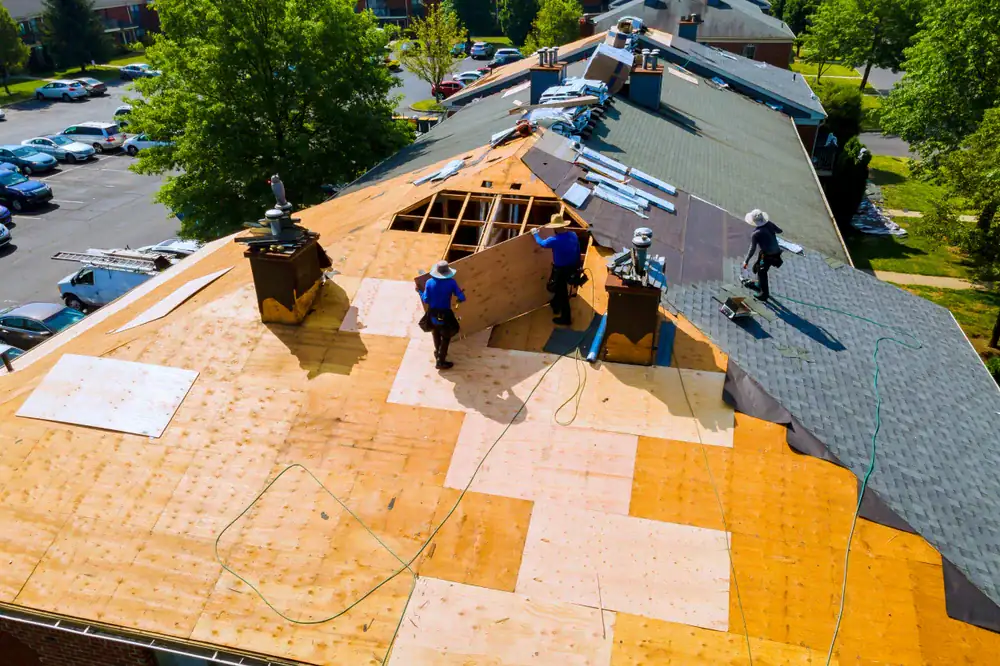
California doesn’t treat multi-family buildings like oversized homes. Fire ratings matter more. Ventilation systems need to meet commercial standards. Load requirements account for multiple HVAC units serving different zones across apartment buildings. Energy codes under Title 24 apply differently depending on your climate zone in Orange County, CA or Los Angeles County, CA, roof slope, and whether you’re doing new construction or alterations.
You’re also navigating local building department requirements that vary by jurisdiction. Some cities have additional mandates beyond state code. If your commercial roofing contractor doesn’t know the difference between what’s required in Irvine versus Long Beach versus Pasadena, you’ll find out during the permit process—or worse, during an inspection that stops work and delays your timeline.
Then there’s SB 721, which requires inspection of elevated exterior elements on multi-family properties with three or more units. The initial deadline hit January 1, 2026, with ongoing inspections required every nine years. If your roofer isn’t coordinating with these requirements or doesn’t understand how waterproofing ties into structural compliance, you’re adding risk you don’t need.
This isn’t about contractors being difficult. It’s about the reality that multi-family buildings operate under commercial regulations because they’re commercial assets. Your commercial roofing contractor needs to understand that from day one, not learn it halfway through your project while your tenants are calling with complaints.
How Tenant Coordination Separates Experienced Contractors from Everyone Else
A residential roofing contractor can schedule around one family’s calendar. You’re coordinating around dozens of households in your Huntington Beach or Burbank property who didn’t choose to have construction overhead and aren’t always thrilled about the noise, the restricted parking, or the crews working above their units.
Experienced commercial roofing contractors build tenant communication into their project plan before work starts. We provide advance notice that actually gives residents time to prepare. We phase work to minimize how many units are affected at once. We establish quiet hours that respect the fact people work night shifts or have young children. We clean up daily instead of letting debris accumulate until the end, which matters when you’re managing a 50-unit complex in Orange County, CA.
When problems come up—and they will—contractors with multi-family experience know how to address tenant concerns without derailing the schedule. We understand that your residents are your customers, and keeping them reasonably satisfied during construction protects your retention rates and your reputation. A roofer who treats your property like a giant single-family home creates headaches you don’t need.
This kind of coordination doesn’t happen automatically. It requires project management skills that go beyond roofing knowledge. It means having a dedicated point person who communicates with property management, not just a crew foreman who’s focused on getting the roof done. It means understanding that a technically perfect roof installation that creates tenant nightmares is still a failed project from your perspective.
The commercial roofing contractors who get this right treat multi-family projects as the logistical challenges they are. The ones who don’t tend to learn expensive lessons on your property.
Why Hot Mop Roofing Systems Work for Multi-Family Buildings
Flat and low-slope roofs dominate multi-family construction in Southern California, especially on larger apartment complexes across Los Angeles County, CA and Orange County, CA. Hot mop roofing—also called built-up roofing—has been the go-to system for these applications for decades, and there’s a reason it hasn’t been replaced by every new product that comes along.
The system involves layering hot asphalt with roofing felt to create a seamless, waterproof membrane. It’s durable, proven, and cost-effective. For property managers working within HOA budgets or trying to maximize ROI on rental properties, hot mop systems deliver performance without the premium price tag of some newer alternatives. A qualified commercial roofing contractor with hot mop experience knows how to maximize this system’s lifespan.
But installation requires specialized equipment, experienced crews, and proper safety protocols. This isn’t a system you want installed by a roofer learning on the job.
What Makes Hot Mop Installation Different from Other Roofing Methods
Hot mop roofing involves heating asphalt to around 400 degrees Fahrenheit, then applying it evenly across the roof surface using specialized mops. Between asphalt layers, a commercial roofing contractor installs felt reinforcement that adds strength and prevents bubbling or cracking over time. The top layer often includes gravel or a reflective coating to protect against UV damage and help meet California’s cool roof requirements under Title 24—something every roofer working in Orange County, CA or Los Angeles County, CA needs to understand.
This process creates a monolithic surface with no seams where water can penetrate. That seamless waterproofing is why hot mop systems have such a strong track record on flat roofs where water doesn’t naturally shed the way it does on sloped residential roofs. When installed correctly by an experienced commercial roofing contractor, these systems can last 15 to 20 years with proper maintenance—a lifespan that makes financial sense for multi-family properties.
The installation is labor-intensive and requires crews who know how to handle molten asphalt safely. It’s messy work that needs containment protocols to protect the property and residents below. Contractors need proper insurance coverage because the risks are real. We need factory training on application techniques because improper installation leads to premature failure that shows up as leaks, bubbling, or delamination within a few years.
For property managers, this means vetting contractors based on their specific experience with hot mop systems. A residential roofing contractor who primarily installs composition shingles on homes doesn’t automatically know how to handle built-up roofing on commercial flat roofs. The skills don’t transfer as cleanly as you might assume.
When you find a commercial roofing contractor who specializes in hot mop work for multi-family properties, you’re working with teams who understand the system’s nuances—proper drainage requirements, how to detail around roof penetrations, how to coordinate with HVAC contractors when units need access during installation, how to apply the right number of layers for your specific building and climate zone in Southern California.
How Maintenance Extends the Life of Your Multi-Family Roof
Most roofing failures don’t happen because the system wore out naturally. They happen because small problems went unaddressed until they became big ones. A blocked drain on your Santa Ana property leads to ponding water. Ponding water degrades the membrane. The degraded membrane develops a leak. The leak damages multiple units before anyone notices, and suddenly you’re dealing with tenant complaints, emergency repairs, and insurance claims.
Preventative maintenance catches these issues early. Regular inspections by a qualified commercial roofing contractor identify drainage problems, minor membrane damage, or flashing issues before they compromise the building. For hot mop systems, this might mean reapplying gravel in areas where it’s worn thin, resealing penetrations where HVAC contractors have been working, or addressing small bubbles before they spread across your flat roof.
The contractors who understand multi-family properties build maintenance programs into their service offering. We’re not just there for the big re-roof project every 20 years. We provide annual or semi-annual inspections that give you visibility into your roof’s condition and help you budget for repairs before they become emergencies that disrupt your Fullerton or Downey tenants.
This approach saves money over the roof’s lifespan. Emergency repairs cost more than planned maintenance. Tenant disruption from sudden leaks creates problems that preventative care avoids. Insurance claims for water damage affect your premiums in ways that routine roof upkeep doesn’t.
For property managers juggling multiple buildings across Orange County, CA or Los Angeles County, CA, having a commercial roofing contractor who proactively manages your assets makes your job easier. You’re not reacting to crisis calls at 2 AM. You’re working from a maintenance schedule that keeps roofs functional and budgets predictable. A reliable roofer becomes a partner, not just a vendor.
The best contractors document their inspections with photos and written reports that help you communicate with HOA boards or property owners. We provide cost estimates for recommended repairs so you can plan capital expenditures. We track the history of each roof so we know what’s been done and what’s coming due.
This kind of partnership approach—where the commercial roofing contractor functions as an advisor, not just a vendor—is what separates roofers who understand property management from those who are just looking for the next installation job.
Finding a Commercial Roofing Contractor Who Understands Multi-Family Properties
Managing multi-family roofing in Orange County, CA and Los Angeles County, CA means balancing tenant satisfaction, code compliance, budget constraints, and long-term property value. You need a commercial roofing contractor who understands that balance because we’ve been navigating it for years, not learning it on your project while your residents deal with the consequences.
The right roofer brings specialized experience with multi-family buildings, proven systems like hot mop roofing, and the project management skills to minimize disruption while delivering quality work. We understand California’s building codes, Title 24 requirements, and local jurisdiction differences from Anaheim to Pasadena. We communicate clearly with property managers, HOA boards, and residents. And we’ll still be in business when you need us five, ten, or fifteen years down the road—because a roof warranty only matters if the contractor is still around to honor it.
If you’re managing multi-family properties and need a roofing partner who understands what you’re actually dealing with, Royal Roofing Company has been serving commercial and multi-family properties since 1982. Our experience with hot mop systems, maintenance programs, and complex roofing solutions is built on decades of working with property managers who need a commercial roofing contractor they can count on.