


Summary:
What Makes Commercial Roofing Energy Efficient
Energy-efficient commercial roofing is designed to reflect solar heat instead of absorbing it. That’s the core principle. Traditional dark roofs can reach surface temperatures of 150-180°F on a summer day in Southern California. Reflective roofing systems stay 50-60°F cooler by bouncing sunlight back before it turns into heat.
This isn’t just about comfort. When your roof stays cooler, less heat transfers into your building. Your HVAC system doesn’t have to work as hard. You use less electricity during peak hours when rates are highest. Your equipment lasts longer because it’s not running constantly to fight heat gain from above.
The energy efficiency of a commercial roof comes down to three factors: reflectivity (how much sunlight bounces off), emissivity (how well it releases absorbed heat), and insulation (how much heat transfer it blocks). California’s Title 24 energy code sets minimum standards for these properties based on your climate zone and building type.
Cool Roof Coatings That Actually Reduce Heat Absorption
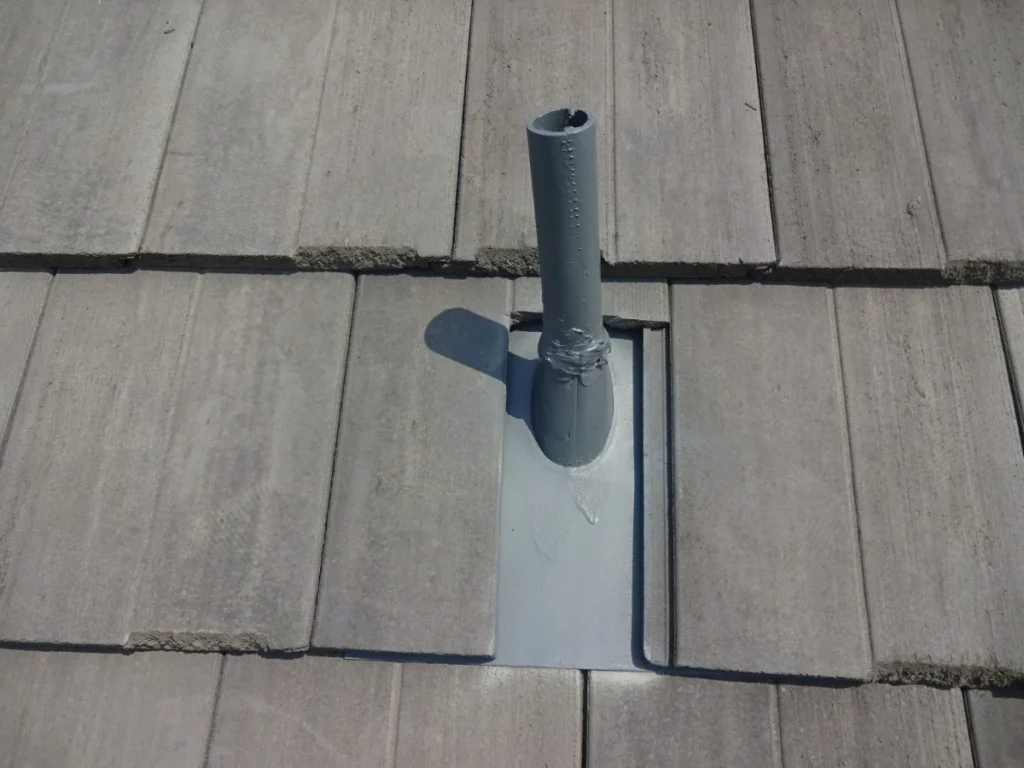
Cool roof coatings are one of the most cost-effective ways to transform an aging commercial roof into an energy-efficient system. These reflective coatings—typically white or light-colored—get applied directly over existing roof surfaces like modified bitumen, metal, or single-ply membranes.
The coatings work by reflecting up to 85-90% of solar radiation. Compare that to a traditional black roof that might reflect only 5-10%. The difference in surface temperature can be 40-50°F on the same summer day. That temperature reduction translates directly to lower cooling costs, especially for buildings with flat or low-slope roofs where heat gain is most problematic.
Application matters as much as the coating itself. The roof surface needs proper cleaning and preparation. Any existing damage has to be repaired first.
Inadequate prep work reduces reflectivity, compromises adhesion, and can void manufacturer warranties. Contractor expertise becomes critical here.
Cool roof coatings also extend roof life by protecting the underlying membrane from UV damage and thermal cycling. Instead of expanding and contracting dramatically with temperature swings, the coated surface stays more stable. You get both energy savings and longer roof performance from a single upgrade.
In Orange County, CA and Los Angeles County, CA, cool roof coatings are often required to meet Title 24 compliance during roof restoration projects. The California Energy Commission maintains a rated product directory through the Cool Roof Rating Council. Your contractor should be specifying products that meet minimum Solar Reflectance Index requirements for your climate zone, not guessing.
Property managers typically see payback periods of 3-5 years on cool roof coating projects when you factor in energy savings, extended roof life, and avoided HVAC repairs. Some utility companies offer rebates that shorten that timeline even further. That’s real money back in your operating budget.
Why TPO Roofing Systems Deliver Better Energy Performance
TPO roofing systems have become one of the fastest-growing commercial roofing options in Southern California, and energy efficiency is a big reason why. TPO stands for Thermoplastic Polyolefin—it’s a single-ply membrane that’s heat-welded at the seams to create a watertight barrier.
The standard TPO membrane is bright white and highly reflective. It naturally meets cool roof requirements without additional coatings. TPO roofs can reflect 85-87% of UV rays, which significantly reduces cooling costs in climates like Orange County, CA and Los Angeles, CA where sun exposure is intense year-round.
Installation quality determines how well TPO performs. The membranes are installed using precision heat-welding technology to create seamless, watertight bonds.
Poor welding technique creates weak points that fail under thermal stress or wind uplift. Contractor certification from TPO manufacturers matters—it ensures installers know proper techniques and have access to quality materials.
TPO roofing systems typically last 20-30 years when properly installed and maintained. They’re lightweight, which reduces structural load on your building. They’re puncture-resistant and hold up well to foot traffic from HVAC maintenance. They comply with California’s Title 24 energy efficiency standards right out of the box.
Cost is reasonable compared to other single-ply options. In the Los Angeles, CA and Orange County, CA markets, TPO installation typically runs $5.50-$8.50 per square foot. When you factor in energy savings over the roof’s lifespan, the total cost of ownership is often lower than cheaper alternatives that don’t perform as well thermally.
One consideration: TPO performance can vary by manufacturer and membrane thickness. A 45-mil membrane is standard for most commercial applications. Buildings with heavy rooftop equipment or high foot traffic might need 60-mil or thicker. Your contractor should be evaluating your specific building conditions and recommending the right specification—not just selling you the cheapest option.
Many manufacturers offer warranties ranging from 15-30 years on TPO systems. Those warranties typically require certified installation and regular maintenance. Make sure your contractor can provide both the installation certification and ongoing maintenance support to protect your investment and maximize commercial HVAC savings.
Title 24 Compliance Requirements for Commercial Roofs
California’s Title 24 Building Energy Efficiency Standards aren’t optional. They’re mandatory for most commercial new construction and major roof replacements, and they set specific requirements for roof reflectivity and insulation based on your climate zone.
Orange County, CA and Los Angeles County, CA fall into multiple climate zones under Title 24, so requirements can vary even within the same county. Generally, low-slope commercial roofs need to meet minimum aged solar reflectance and thermal emittance values. Steep-slope roofs have different requirements.
The “aged” part matters. Title 24 doesn’t just look at how reflective a roof is when it’s brand new—it requires products to maintain reflectivity after three years of weathering. The Cool Roof Rating Council maintains a database of tested products with three-year aged ratings. Your contractor should be specifying products from that database.
Energy Code Compliance: What Triggers Title 24 Requirements
If you’re managing commercial property in Orange County, CA or Los Angeles County, CA, here’s what triggers Title 24 compliance requirements: new construction, additions that increase conditioned space, and roof replacements that cover more than 50% of the roof area or more than 2,000 square feet.
That last one catches property managers off guard. You might be planning what you think is a simple roof replacement. But if it meets those thresholds, you’re required to meet current energy code—which often means upgrading insulation, installing cool roof materials, or both.
Compliance documentation is part of the permitting process. Your contractor should be providing product data sheets showing aged solar reflectance and thermal emittance values.
The building department will check these against Title 24 requirements for your climate zone. If the products don’t meet code, you’ll get a correction notice and delays.
Non-compliance isn’t just a paperwork problem. It can affect your building’s certificate of occupancy and create issues during property sales. Some insurance companies are starting to ask about roof age and code compliance as part of their underwriting process. That’s leverage you don’t want to lose.
Meeting Title 24 isn’t difficult when you work with a contractor who understands California energy code. The requirements are clear. Tested products are readily available. The energy savings usually justify any incremental cost over non-compliant materials.
Property managers should ask contractors specific questions: What climate zone is my building in? What are the minimum reflectance and emittance values I need to meet? Which products are you specifying and where are they listed in the CRRC database? How will you document compliance for the building department?
If your contractor can’t answer those questions clearly, that’s a red flag. Title 24 compliance has been in effect for years now. Any commercial roofing contractor working in California should know these requirements inside and out. Buildings pursuing LEED certification need even higher performance standards, so understanding these energy efficiency standards is non-negotiable.
How Energy-Efficient Roofing Delivers Commercial HVAC Savings
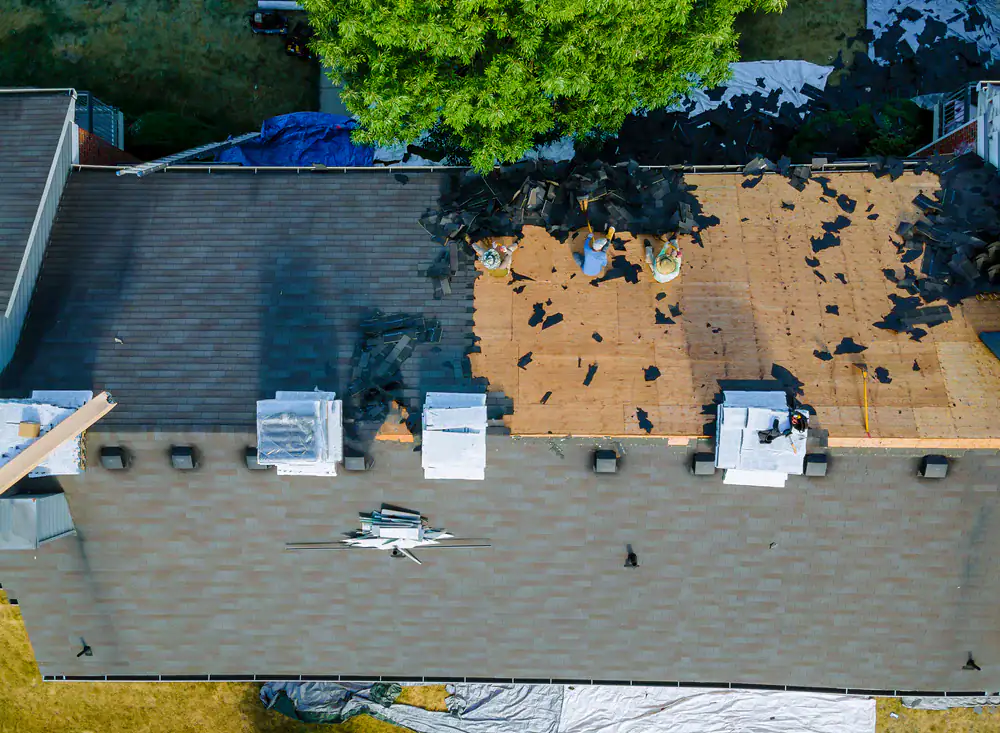
Your roof and your HVAC system are connected in ways most property managers don’t think about until something goes wrong. When your roof absorbs heat instead of reflecting it, that heat transfers into your building. Your air conditioning has to work harder to maintain comfortable temperatures.
Equipment runs longer cycles. Compressors wear out faster. Your utility bills climb.
HVAC systems typically account for about one-third of energy use in commercial buildings. In Southern California’s climate, cooling is the dominant load. When you install energy-efficient commercial roofing, you’re directly reducing the cooling demand your HVAC system has to meet.
The impact is measurable. Reflective roofing can reduce peak cooling demand by 10-30% depending on building type, insulation levels, and how much of your building’s heat gain comes through the roof. For a typical commercial building in Orange County, CA or Los Angeles, CA, that can translate to 15-25% lower cooling costs during summer months. That’s the kind of commercial HVAC savings that show up in your operating budget immediately.
There’s also a lifespan benefit. HVAC equipment that runs less frequently lasts longer. Compressors are rated for a certain number of operating hours and cycles.
When your roof reduces heat gain, your equipment accumulates those hours more slowly. You extend the time between major HVAC replacements, which can save tens of thousands of dollars on a commercial-scale system.
Some property managers see another benefit: downsizing HVAC equipment during replacement. If your building has an old, heat-absorbing roof and you’re planning HVAC replacement, installing energy-efficient roofing first can reduce your cooling load enough that you can specify smaller, less expensive equipment. The roof upgrade pays for itself partly through lower HVAC capital costs.
A contractor who understands the relationship between roofing and HVAC can help you sequence upgrades for maximum savings. If you’re facing both a roof replacement and HVAC replacement in the next few years, doing the roof first with high-performance materials changes the equation for HVAC sizing and costs. That’s the kind of insight you get from experience, not from a sales pitch.
Maintenance also gets easier. When your HVAC isn’t working as hard, you have fewer emergency service calls, less refrigerant loss, and more predictable performance. Facility managers appreciate that operational stability as much as the direct cost savings. It’s one less thing keeping you up at night.
Choosing Contractors Who Prioritize Energy Efficiency
Energy-efficient commercial roofing delivers three things property managers care about: lower operating costs, code compliance, and longer roof life. In Orange County, CA and Los Angeles County, CA, where Title 24 requirements are mandatory and cooling costs are substantial, choosing a contractor who prioritizes energy-efficient systems isn’t optional—it’s how you protect your investment.
The difference between a roof that saves money and one that costs money often comes down to contractor expertise. Understanding Title 24 compliance. Knowing which cool roof coatings and TPO roofing systems perform best in Southern California’s climate. Installing materials properly so they maintain their energy-saving properties over time.
If you’re planning a commercial roof replacement or major restoration, make energy efficiency part of the conversation from the start. Ask about reflectivity ratings, Title 24 compliance, and how the roofing system will impact your HVAC costs. Ask about LEED certification potential if sustainability goals matter to your organization. The right contractor will have clear answers and documentation to back them up. We bring that expertise to every commercial project, combining deep knowledge of California energy code with the hands-on experience to deliver roofing systems that perform as promised for decades.