
Summary:
You’re staring at a roofing proposal that could trigger a special assessment. Unit owners are already asking questions. Your reserve fund wasn’t built for this. And you’re wondering if there’s a smarter way to handle this without draining accounts or cutting corners that’ll cost you double in three years.
There is. But it requires looking past the lowest bid and understanding what actually protects your property—and your budget—over the next two decades. Let’s start with what most boards get wrong about roofing costs.
What Long-Term Roofing Really Means for Multi-Family Properties
Long-term roofing isn’t about picking the cheapest material and hoping it lasts. It’s about understanding the full lifecycle cost of your roof—from installation through maintenance to eventual replacement—and making decisions that keep your reserve fund stable.
For apartment complexes and HOAs in Orange County and Los Angeles County, this matters more than most realize. A roof decision today affects your budget for the next 15 to 30 years. Get it right, and you’re looking at predictable maintenance costs and minimal disruption. Get it wrong, and you’re explaining to residents why their fees just jumped $95 per month.
The difference comes down to three things: material selection, installation quality, and a maintenance plan that actually gets followed. Most property managers focus on the first one and ignore the other two. That’s the mistake.
How Material Choice Impacts Your 20-Year Budget

Walk into any roofing conversation and someone will tell you asphalt shingles are the affordable option. They’re not wrong about the upfront cost. But they’re not telling you the whole story.
Standard asphalt shingles on a multi-family property typically need replacement every 12 to 20 years, sometimes sooner in Southern California’s intense sun. Metal roofing systems, on the other hand, can last 40 to 80 years. TPO and EPDM membranes—common for flat or low-slope commercial roofs—fall somewhere in the middle at 20 to 30 years with proper maintenance.
Here’s what that looks like in real money. A 20,000-square-foot apartment complex in Southern California might budget around $55,000 annually for maintenance. If your roof fails early because you went cheap on materials, you’re looking at replacement costs ranging from $3.25 to $25 per square foot depending on the system. That’s $65,000 to $500,000 for a full replacement. Suddenly that “affordable” asphalt option doesn’t look so smart.
But it’s not just about picking expensive materials. It’s about matching the material to your building’s needs, your climate, and your long-term financial plan. In Orange County and LA County, you’re dealing with UV exposure, occasional heavy rains, and strict energy codes. Your roof needs to handle all of that without requiring constant babysitting.
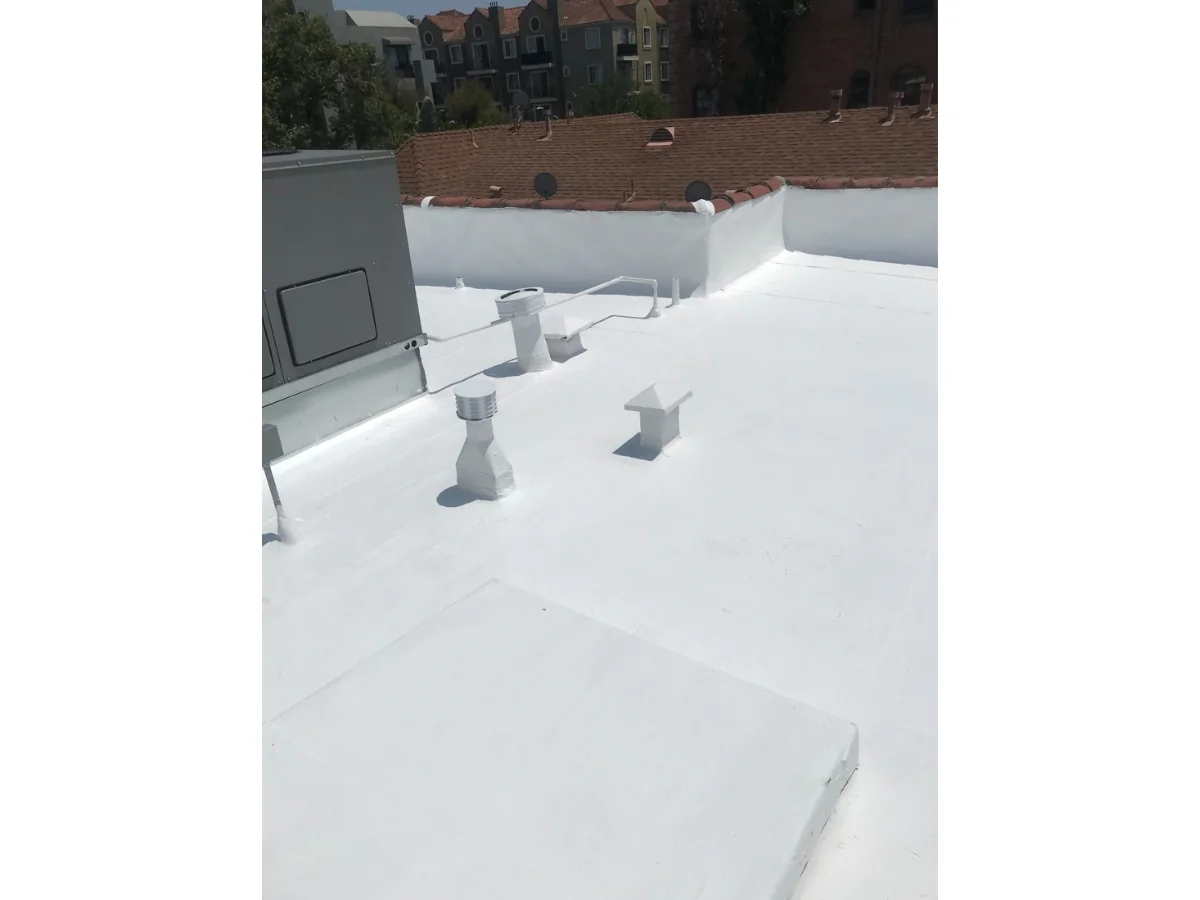
TPO roofing has become the market leader for low-slope commercial buildings, capturing 40% of new construction and 30% of reroofing projects. There’s a reason for that. It offers high reflectivity—up to 90% solar reflectance—which cuts cooling costs in California’s climate. The heat-welded seams resist leaks better than adhesive-based systems. And the 20 to 30-year lifespan gives you predictable replacement timing.
EPDM rubber systems cost less upfront, typically $3.25 to $7.00 per square foot installed. They handle UV and ozone exposure well, and the flexibility tolerates building movement—important for older structures. Modified bitumen and hot mop systems (built-up roofing) have proven track records, especially for properties where traditional methods have worked for decades.
The point isn’t that one material is universally better. The point is that your choice needs to account for more than just today’s invoice. Factor in energy savings, maintenance frequency, and how long before you’re back at square one asking for another special assessment.
Why Installation Quality Matters More Than You Think
You can buy the best roofing material on the market and still end up with a disaster if the installation is sloppy. This is where most HOA boards get burned.
Cheap bids usually mean one of three things: inferior materials, rushed timelines, or inexperienced crews. Sometimes all three. And when you’re managing a multi-family property, you don’t get the luxury of a do-over without serious consequences. Leaks mean water damage to multiple units. Mold means liability. Disruption means angry residents and potential vacancy issues.
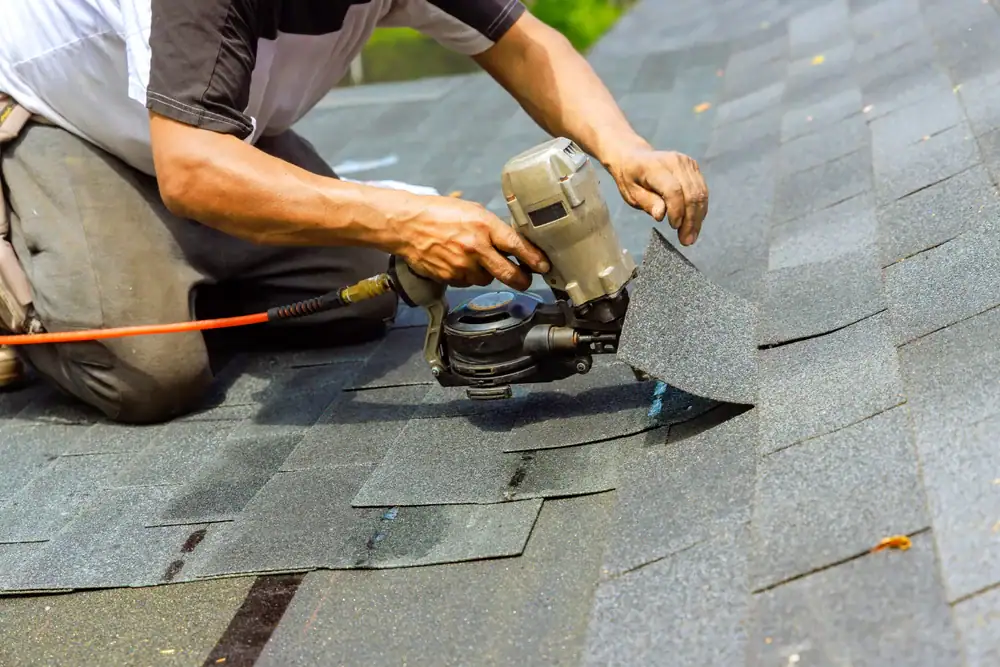
Quality installation starts with proper preparation. The substrate needs inspection. Drainage needs to be addressed before new materials go down. Penetrations—vents, HVAC units, skylights—need flashing that’s done right the first time. These aren’t optional steps. They’re the difference between a roof that lasts its full lifespan and one that starts failing in year five.
Here’s what happens when you skip this: A commercial building in Southern California went with a low bid on a flat roof replacement. Within three years, they were dealing with multiple leak points and had to do a partial replacement. The second time around, they paid more than if they’d just hired a qualified contractor initially. The financial strain and tenant disruption cost them far more than the savings from that original cheap bid.
On the flip side, properly installed roofs can exceed their expected lifespan with minimal maintenance. You see roofs showing little wear 15 years in when they were only expected to last 20. That’s not luck. That’s quality workmanship combined with the right materials.
Look for contractors with manufacturer certifications. Those aren’t just pieces of paper—they mean the contractor has been trained on proper installation techniques and the manufacturer will stand behind the warranty. Check for proper licensing (C-39 in California for roofing), insurance coverage, and a track record with multi-family properties specifically. Single-family residential work is a different animal than coordinating around occupied units in an apartment complex.
And don’t skip the photo documentation. A contractor who documents each phase of installation is giving you proof that the work was done correctly. That matters when you’re filing insurance claims, when you’re explaining costs to unit owners, and when you need to verify warranty coverage years down the line. It’s accountability built into the process.
Building a Maintenance Plan That Actually Protects Your Investment
Most HOAs and property managers treat roof maintenance like an afterthought. Something you deal with when a leak shows up. By then, you’re already behind.
Preventative maintenance isn’t sexy, but it’s the single most effective way to extend your roof’s lifespan and avoid emergency assessments. Industry data shows that preventative maintenance plans—costing around $0.15 to $0.30 per square foot annually—can reduce major repair needs by up to 50%. For that same 20,000-square-foot property, you’re looking at $3,000 to $6,000 per year to potentially avoid tens of thousands in emergency repairs.
The math works because small issues don’t become big ones. A cracked seal around a vent gets fixed during a routine inspection instead of turning into interior water damage across three units. Debris gets cleared from drains before it causes ponding that degrades your membrane. Flashing gets resealed before wind uplift tears it loose.
What a Real Maintenance Schedule Looks Like
Effective roof maintenance isn’t complicated, but it does need to happen consistently. Here’s what actually works for apartment complexes and HOAs in Southern California.
Start with bi-annual inspections—spring and fall. Your contractor should be checking the entire roof surface, all penetrations, flashing, drainage systems, and any rooftop equipment. In Orange County and LA County, you’ll want to add a post-storm inspection after any significant weather event. Heavy rains and high winds can cause damage that isn’t immediately visible from the ground.
During these inspections, you’re looking for specific issues. Membrane damage—tears, punctures, or areas where the material is pulling away. Ponding water, which is any water that sits for more than 48 hours after rain. Clogged drains and gutters. Damaged or missing flashing. Loose or damaged rooftop equipment. Vegetation growth, which can trap moisture and cause deterioration.
Each inspection should come with photo documentation and a written report that categorizes findings by urgency. Immediate issues need addressing within days. Moderate concerns get scheduled within the quarter. Minor items go on the watch list for the next inspection. This creates a clear action plan instead of a vague “we’ll keep an eye on it” approach that never gets followed up.
The maintenance itself breaks down into a few key tasks. Clearing debris—leaves, branches, trash—from the roof surface and drainage systems. Resealing penetrations and seams as needed. Addressing any small repairs before they expand. Trimming back any overhanging trees. Checking and maintaining rooftop HVAC units to prevent condensation issues.
For flat or low-slope roofs common on apartment complexes, drainage is critical. Make sure downspouts are clear and water is flowing away from the building. Ponding water accelerates membrane breakdown and can lead to leaks. If you’re consistently seeing ponding in the same areas, you may need to address the roof slope or drainage design—a bigger fix, but one that prevents ongoing problems.
Documentation is your friend here. Keep all inspection reports, photos, repair records, warranties, and invoices in one accessible place. This protects you in insurance claims and warranty disputes. It also gives your board a clear history when it’s time to plan for eventual replacement, because you’ll know exactly how the roof has performed and what issues have come up over time.
Reserve Fund Planning That Prevents Emergency Assessments
Nobody wants to tell unit owners they need to come up with an extra $400 per month because the roof failed and there’s no money to fix it. But that’s exactly what happens when reserve fund planning doesn’t account for realistic roofing costs.
Here’s how to avoid that scenario. Start by knowing your roof’s actual age and expected lifespan. If you’ve got a 15-year-old TPO roof with a 20 to 30-year lifespan, you’re in the back half. Your reserve contributions need to reflect that you’ll be replacing it in the next 5 to 15 years.
Get a reserve study done by someone who understands commercial roofing costs in your area. National averages don’t help you when California labor and material costs run higher. You need numbers based on what it actually costs to replace a roof in Orange County or LA County, not what it costs in Ohio. Commercial roofing replacement in California typically ranges from $3.25 to $25 per square foot depending on the system and complexity. Use the higher end of that range for planning purposes—better to have extra funds than to come up short.
Factor in a contingency. Roofing projects often uncover additional repairs once you get into them—damaged decking, structural issues, insulation that needs upgrading. Budget 10 to 20% above your estimated cost to cover unexpected expenses. This prevents the mid-project panic when you discover the substrate needs work and you don’t have the funds to address it.
Review and adjust your reserve contributions annually. Roofing costs don’t stay static. Material prices fluctuate. Labor costs increase. Energy code requirements change. What you budgeted three years ago may not cover today’s actual costs. Regular adjustments keep you on track instead of discovering a shortfall when it’s too late to fix it without a special assessment.
Consider the financing options available to HOAs if your reserves are underfunded. Some associations use reserve funds they’ve accumulated specifically for major projects. Others implement special assessments—temporary fee increases or one-time charges to cover costs. Loans through banks or financial institutions specializing in HOA needs can spread the cost over time. Some energy-efficient roofing projects may qualify for government grants or subsidies.
The goal is to make roofing costs predictable and manageable. When you know what’s coming and you’ve planned for it, you’re not scrambling to explain to residents why their fees are suddenly jumping. You’re executing a plan that’s been in place for years. That’s the difference between reactive crisis management and proactive financial planning.
Making Roofing Decisions That Protect Your Property and Your Budget
Long-term roofing strategy for apartment complexes and HOAs comes down to three things: choosing materials that match your building and climate, ensuring quality installation by qualified contractors, and maintaining the roof consistently to maximize its lifespan.
Skip any one of those and you’re setting yourself up for expensive problems. But get all three right and you’re looking at decades of predictable costs, minimal disruption, and a roof that actually protects your investment instead of draining your reserve fund.
The lowest bid isn’t always the best value. The most expensive option isn’t always necessary. What matters is understanding the full picture—upfront costs, maintenance requirements, expected lifespan, and how it all fits into your long-term budget. That’s how you make decisions that serve your property and your residents for years to come. If you’re evaluating roofing options for your property in Orange County or Los Angeles County, we bring decades of experience with multi-family properties, HOAs, and commercial buildings throughout Southern California.