

Summary:
If you manage a warehouse, office building, or industrial facility in Orange County or Los Angeles County, you already know your roof does more than keep the rain out. It’s a critical component of your property’s safety infrastructure, and when something goes wrong, the consequences go way beyond a leak. You’re looking at potential OSHA violations, worker safety incidents, insurance complications, and operational shutdowns that cost real money. That’s where a qualified commercial roofing contractor becomes essential—not just for installation or repairs, but for navigating the safety regulations and compliance requirements that protect your property, your tenants, and your business. Let’s break down exactly what a commercial roofing contractor does to keep industrial properties safe and compliant.
What Does a Commercial Roofing Contractor Actually Do
A commercial roofing contractor handles the installation, repair, and maintenance of roofing systems on commercial and industrial buildings. But if you think that’s where the job ends, you’re missing the bigger picture.
We’re responsible for ensuring every project meets California’s building codes, OSHA safety standards, and local regulations. We coordinate with property managers to minimize disruption to tenants and business operations. We document every phase of work for insurance carriers and warranty compliance.
The scope includes selecting appropriate materials for your climate and building type, managing crews trained in fall protection protocols, and providing the kind of detailed reporting that holds up during inspections or insurance claims. For industrial properties with complex rooftop infrastructure—HVAC units, solar panels, dense penetration patterns—a commercial roofing contractor brings the technical expertise to handle installations that general contractors simply can’t match.
How Commercial Roofing Contractors Ensure OSHA Compliance on Job Sites
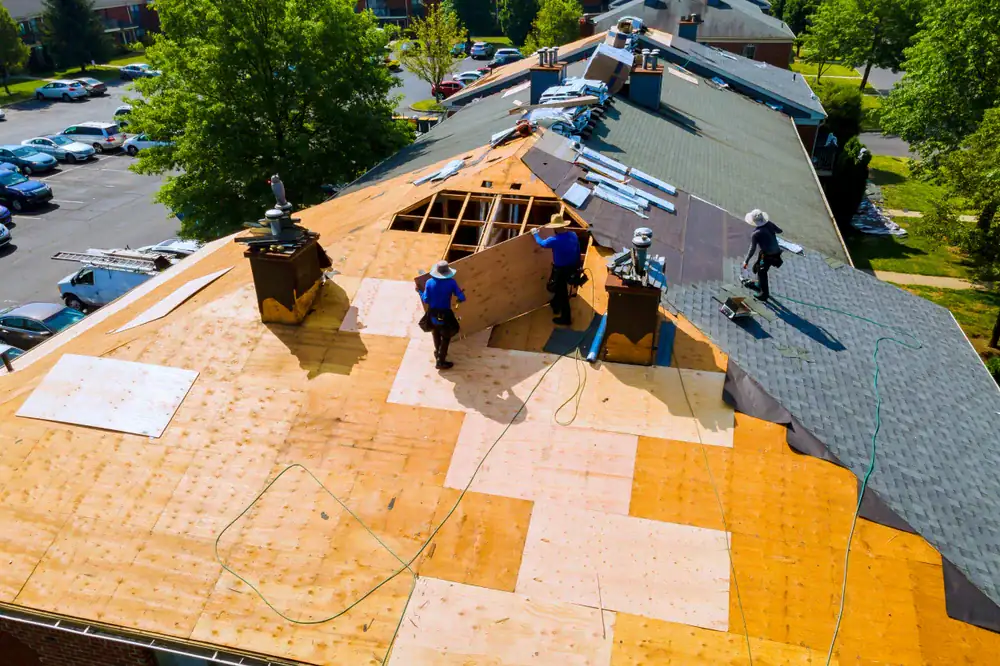
OSHA regulations aren’t suggestions, and for commercial roofing contractors working in California, compliance isn’t optional. Fall protection is the most critical area. OSHA requires fall protection for all workers on roofs six feet or higher from the ground, and California’s Title 8 Section 1730 adds even stricter requirements for commercial roofing operations.
A qualified commercial roofing contractor implements personal fall arrest systems, including full-body harnesses, secure anchor points, and properly rated lanyards. We install guardrail systems around roof edges and hazardous areas. We set up warning lines and headers to keep workers away from unprotected edges. On roofs over 20 feet, contractors must use parapets, personal fall protection, catch platforms, or other approved methods.
But compliance goes beyond equipment. Contractors must train crews on proper use of fall protection systems, conduct regular safety briefings, and document all training. We’re responsible for ladder safety, securing equipment to prevent accidents, and ensuring workers have appropriate personal protective equipment. Heat stress protocols matter too—Southern California’s intense summer conditions create real health risks for roofing crews.
When you hire a commercial roofing contractor, you’re also transferring some liability. If that contractor doesn’t follow OSHA protocols and a worker gets injured on your property, you could face legal exposure. That’s why verifying a contractor’s safety training, insurance coverage, and documented safety programs isn’t just due diligence—it’s essential risk management. Ask for proof of OSHA training certifications, review their safety plan before work begins, and make sure they carry adequate workers’ compensation and general liability insurance.
The consequences of cutting corners are severe. OSHA can issue citations, fines, and stop-work orders. More importantly, fall-related accidents account for 20 percent of construction fatalities and 84 percent of roofer deaths. A contractor who takes safety seriously protects their crew, your property, and your peace of mind.
California Building Code Requirements Commercial Roofing Contractors Must Follow
California doesn’t make it easy, and that’s actually a good thing when it comes to protecting your investment. The state’s building codes for commercial roofing are among the strictest in the nation, covering everything from fire resistance to energy efficiency to seismic stability.
Title 24 energy efficiency standards require commercial roofing contractors to install cool roof systems that meet specific solar reflectance and thermal emittance criteria. These aren’t cosmetic requirements—they’re designed to reduce energy consumption and lower cooling costs in California’s hot climate zones. The state has 16 different climate zones, and the roofing materials that satisfy code in coastal Santa Monica might not meet requirements for inland Ontario. A contractor who doesn’t understand these distinctions will install a system that fails inspection.
Fire resistance is non-negotiable, especially in fire-prone areas of Orange County and Los Angeles County. The California Building Code requires Class A fire-rated roofing materials in designated Fire Hazard Severity Zones. This means materials must resist ignition from flying embers and prevent fire spread across the roof surface. Metal roofing, clay tiles, and certain asphalt shingles meet these standards, but installation methods matter just as much as material selection.
Seismic and structural requirements add another layer. California’s earthquake risk means commercial roofing systems must account for building movement, proper anchoring, and load-bearing capacity. Roof load requirements address the weight a roof must support, including snow (yes, even in Southern California’s mountain areas), wind, and equipment loads from HVAC units, solar panels, and other rooftop installations.
Drainage is critical too. The California Building Code mandates proper roof slope and functional drainage systems to prevent water pooling, which leads to leaks and structural damage on flat or low-slope commercial roofs. Emergency overflow drains or scuppers are required where roof perimeter construction could trap water if primary drains fail.
A commercial roofing contractor navigates all of this while securing the necessary permits from local building departments. In cities like Santa Monica, the permitting process is more involved than most LA-area jurisdictions, with specific cool roof compliance verification and contractor registration requirements. Failing to pull permits creates legal liability, voids warranties, and complicates future property sales.
The bottom line: California’s codes exist to protect building occupants, reduce energy waste, and ensure roofs perform under the state’s unique environmental stresses. A contractor who understands and follows these requirements delivers a roof that lasts longer, performs better, and protects your property value.
How Industrial Property Safety Depends on Qualified Commercial Roofers
Industrial properties present roofing challenges that go beyond typical commercial buildings. Large-footprint warehouses, manufacturing facilities, and distribution centers often have complex rooftop infrastructure, heavy equipment loads, and operational requirements that can’t tolerate extended downtime.
A qualified commercial roofing contractor approaches these properties differently. We start with comprehensive condition assessments before establishing any work scope—the only responsible approach for buildings with layered maintenance histories and multiple tenancy generations. We coordinate with facility managers to schedule work around production cycles, minimizing disruption to operations.
Safety becomes even more critical on industrial properties. These buildings often house valuable inventory, expensive equipment, and employees whose work can’t stop just because the roof needs attention. A contractor who doesn’t implement proper fall protection, secure work zones, and clear communication protocols creates risks that extend beyond their own crew to your entire operation.
Why Insurance Compliance Matters When Hiring a Commercial Roofing Contractor
Insurance isn’t just a box to check—it’s your protection when things go wrong. And in commercial roofing, things can go very wrong, very quickly.
California law requires commercial roofing contractors to carry workers’ compensation insurance if they have employees. The state aggressively enforces this requirement, with substantial penalties for non-compliance including stop-work orders and potential criminal prosecution. But here’s what property managers often miss: if a contractor doesn’t have proper workers’ comp coverage and one of their workers gets injured on your property, you could be held liable for medical expenses and lost wages.
General liability insurance protects against third-party claims for property damage and bodily injury. While California doesn’t mandate specific minimum amounts by statute, most commercial clients require at least one million dollars in coverage. Many municipal contracts and institutional property managers require two million to five million dollars. These aren’t arbitrary numbers—they reflect the actual cost of claims when roofing work causes property damage or someone gets hurt.
When evaluating a commercial roofing contractor, verify their insurance coverage directly with their carrier. Don’t just accept a certificate of insurance at face value—call the insurance company and confirm the policy is current and covers the scope of work planned for your property. Check that the policy doesn’t contain exclusions for commercial work, hot tar or heat-applied roofing products, or loss due to the roof being left open during construction.
Additional insured endorsements matter too. These extend the contractor’s liability coverage to you as the property owner, providing an extra layer of protection. Most commercial contracts require them, and a contractor who pushes back on this request is waving a red flag.
The insurance landscape in California has become more challenging. Carriers are pulling back from high-risk areas, rates are increasing, and some properties are moving to the California FAIR Plan. A contractor who maintains strong insurance relationships and understands these market dynamics brings value beyond their technical skills—they help you navigate insurance requirements that protect your property and satisfy lender obligations.
Documentation is your friend here. A commercial roofing contractor should provide detailed records of work performed, materials used, and safety measures implemented. These records support insurance claims if damage occurs, demonstrate compliance during audits, and provide the maintenance history that many commercial roofing warranties require. Without proper documentation, you could void warranty coverage exactly when you need it most.
What Property Managers Should Know About Commercial Roof Maintenance and Safety
Reactive maintenance is expensive. Proactive maintenance saves money and prevents the kind of catastrophic failures that shut down operations and generate insurance claims.
Studies from the National Roofing Contractors Association show that buildings without maintenance programs replace their roofs 30 to 40 percent sooner than those with scheduled inspections. That’s not a small difference—it’s the gap between a roof lasting 13 years versus 21 years. The cost savings add up to roughly 11 cents per square foot per year, and that’s before you factor in avoided emergency repairs and business interruption.
A commercial roofing contractor who offers preventative maintenance programs provides scheduled inspections, documented condition reports, and early-intervention repairs. We catch small issues—clogged drains, deteriorating seams, minor membrane damage—before they become major problems. Most commercial roofing warranties actually require documented maintenance, so skipping inspections can void your coverage.
For property managers overseeing multiple buildings or large portfolios, maintenance programs provide predictable budgeting and priority scheduling. You’re not scrambling to find a contractor when a leak appears during a rainstorm. You have an established relationship with a contractor who knows your buildings, understands your infrastructure, and can respond quickly when issues arise.
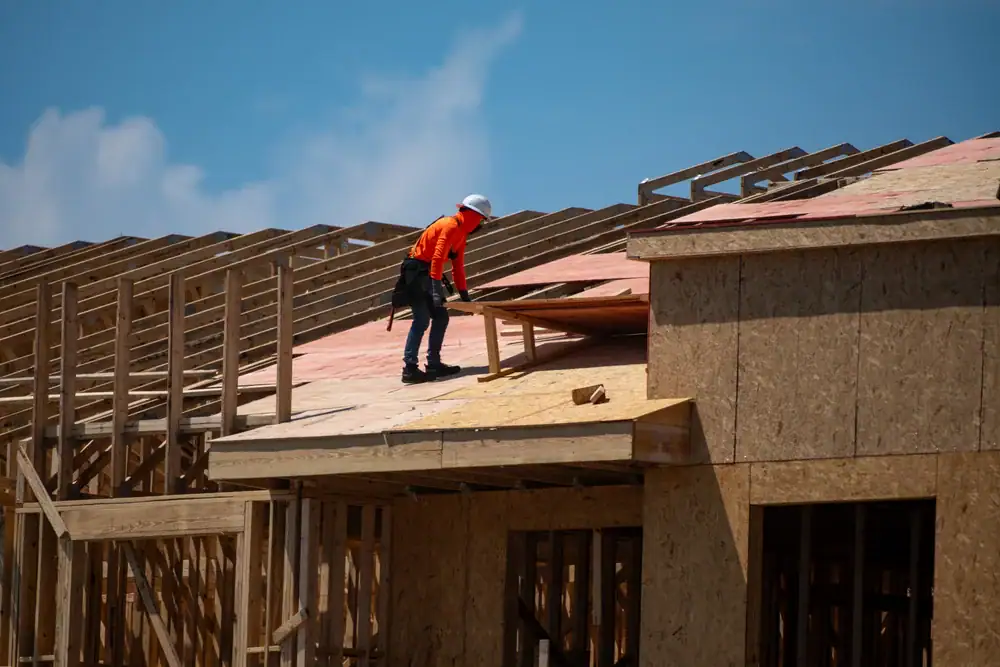
Safety extends beyond installation to ongoing access. If your facility allows rooftop access for staff or contractors to service HVAC equipment, a safety evaluation is essential. Permanent fall protection systems—guardrails, anchor points, safety gates around roof hatches—reduce injury risk and lower your insurance exposure. Facilities with permanent safety systems experience fewer injuries and reduced legal risk.
The regulatory environment keeps changing too. California’s safety standards are shifting, with stricter fall protection requirements and enhanced enforcement. A commercial roofing contractor who stays current on these changes helps you maintain compliance without constant monitoring on your part. We know when new Cal/OSHA regulations take effect, what updated Title 24 requirements mean for your building, and how to document compliance in ways that satisfy inspectors and insurance carriers.
Property managers in Orange County and Los Angeles County face unique challenges. Intense UV exposure from Southern California’s sun degrades roofing membranes faster than in other regions. Seasonal Santa Ana wind events create stress that contractors in other parts of the country don’t encounter. Marine layer moisture in coastal areas accelerates corrosion of metal flashings and degrades sealants. A contractor with deep local experience understands these environmental factors and selects materials and installation methods that account for them.
The bottom line for property managers: a qualified commercial roofing contractor is a partner in protecting your investment, not just a vendor who shows up when something breaks. We help you plan capital expenditures, maintain warranty coverage, satisfy insurance requirements, and keep your buildings safe for tenants and employees.
Protecting Your Industrial Property Starts With the Right Commercial Roofing Contractor
Your commercial or industrial property deserves more than quick fixes and contractors who disappear when problems arise. The role of a commercial roofing contractor extends far beyond installing shingles or patching leaks—it’s about protecting your investment through proper safety protocols, regulatory compliance, and expert workmanship that stands up to California’s demanding environment.
When you’re evaluating contractors for your Orange County or Los Angeles County property, look for C-39 licensing, verified insurance coverage, manufacturer certifications, and a documented safety program. Ask about their experience with California’s Title 24 requirements, their approach to OSHA compliance, and how they handle the unique challenges of Southern California’s climate.
The contractors who take time to explain their processes, provide detailed documentation, and demonstrate genuine expertise in industrial roofing safety are the ones who deliver value that lasts decades, not just years. At Royal Roofing Company, we bring that level of commitment to every commercial and industrial project, backed by family roots in Southern California, factory certifications, and a hands-on approach that puts your property’s safety first.