
Summary:
You drive past it every day. So does everyone else. Your roof takes up nearly 40% of what people see when they look at your home from the street. That makes it either your biggest asset or your biggest liability when it comes to curb appeal. In Orange County, CA and Los Angeles County, CA, where property values hinge on presentation and competition stays fierce, an outdated or worn roof doesn’t just look bad—it costs you money. Modern roofing solutions change that equation. They protect your investment, yes, but they also transform how your home shows up in the neighborhood and how much it’s worth when appraisal time comes. Let’s talk about what actually moves the needle.
Why Your Roof Controls Curb Appeal More Than You Think
Walk down any street in Irvine, Pasadena, or Huntington Beach and you’ll notice something. The homes that stop you aren’t necessarily the biggest or the newest. They’re the ones where everything looks intentional. And that starts with the roof.
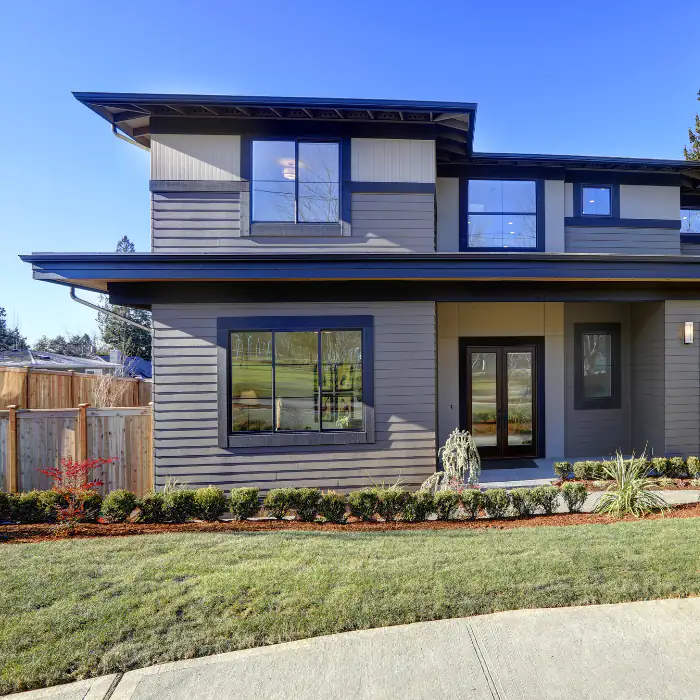
Your roof is the largest uninterrupted visual plane on your property. It sets the tone for everything below it—the siding, the landscaping, the front door. When it’s faded, mismatched, or visibly aging, it drags down the whole package. When it’s clean, cohesive, and well-maintained, it elevates everything else. That’s not opinion. Homes with strong curb appeal sell for an average of 7% more than comparable properties that don’t make the same impression.
Modern roofing solutions give you more control over that outcome than ever before. We’re not just talking about picking a darker shingle. We’re talking about materials engineered for California’s climate, colors that complement your architecture, and installation methods that meet Title 24 energy standards while still looking sharp. The goal isn’t to follow trends. It’s to make a choice that works for your home, your neighborhood, and your budget—and then execute it right.
How Roof Color and Material Shape First Impressions
Color isn’t decoration. It’s function. In Southern California, where summer temps regularly hit the 90s and UV exposure is relentless, your roof color affects both how your home looks and how it performs.
Lighter colors reflect heat. Darker colors absorb it. That’s basic physics, but it plays out in real ways. A cool roof with high solar reflectance can cut your cooling costs by 10% to 25% compared to a standard dark roof. It also helps your roof last longer because the materials aren’t constantly expanding and contracting under temperature swings. California’s Title 24 energy code recognizes this, which is why many roof replacements in Orange County and LA County now require cool-roof rated products that meet specific reflectance standards.
But performance is only half the equation. Aesthetics matter just as much, especially if you’re in an HOA or a neighborhood with established character. A Spanish-style home in San Clemente looks right with terracotta or clay tile. A Craftsman bungalow in Pasadena works better with dimensional asphalt shingles in earth tones. A mid-century modern in the Hollywood Hills might call for standing seam metal in a matte finish. The material you choose should reinforce your home’s architectural identity, not fight it.
Modern roofing solutions give you options that didn’t exist 20 years ago. Stone-coated metal roofing mimics the look of tile or shake but weighs a fraction of the original and lasts 50+ years. Architectural shingles now come in profiles that add depth and shadow, creating visual interest without the cost or weight of traditional materials. Concrete tile offers the Mediterranean aesthetic of clay at a lower price point and with better impact resistance. The key is matching the material to your home’s style, your local climate, and your long-term goals—not just grabbing whatever’s on sale.
Then there’s coordination. Your roof doesn’t exist in isolation. It interacts with your trim, your siding, your landscaping. A roof that clashes with those elements creates visual noise. A roof that complements them creates cohesion. That’s what curb appeal actually is—visual harmony that makes a home feel complete. When you’re evaluating modern roofing solutions, think about how the color and texture will play against the rest of your exterior. Bring samples home. Look at them in morning light and afternoon light. See how they read from the street, not just up close. Small details make a big difference when 40% of your home’s exterior is riding on that decision.
What Modern Roofing Materials Actually Deliver for Orange County and LA Homes
Not all roofing materials age the same way in Southern California. Coastal salt air, Santa Ana winds, intense UV exposure, and wildfire risk create a specific set of demands that rule out some options and favor others.
Asphalt shingles remain the most common choice for residential roofing contractor projects across Orange County and Los Angeles County. They’re affordable, relatively lightweight, and available in dozens of colors and profiles. A quality architectural shingle roof typically lasts 20 to 25 years here, assuming proper installation and ventilation. The catch? Sun exposure accelerates granule loss, which is why you’ll see more fading and wear on south- and west-facing slopes. If you go this route, look for shingles with high solar reflectance and algae resistance. The upfront cost difference is minimal, but the performance gap is real.
Tile roofing—both clay and concrete—is everywhere in Southern California for good reason. It’s fire-resistant, incredibly durable, and holds up well under UV exposure. Clay tile can last 50 to 100 years. Concrete tile usually goes 40 to 50 years. Both add significant curb appeal, especially on Spanish, Mediterranean, and Mission-style homes. The tradeoff is weight. Tile roofs can weigh 850 to 1,100 pounds per square, which means your structure needs to support that load. Most homes built in the last 40 years can handle it, but older homes may need reinforcement. Also worth noting: the tiles themselves often outlast the underlayment beneath them, which typically needs replacement every 20 to 40 years. That’s a project that involves lifting and resetting tiles, so factor that into your long-term cost planning.
Metal roofing has gained traction in recent years, and it’s not hard to see why. It’s lightweight, fire-resistant, and energy-efficient. Metal roofs reflect solar heat, which keeps attic temperatures lower and reduces cooling demand. They also last 40 to 70 years depending on the material and finish. Standing seam metal works well on modern or industrial-style homes. Stone-coated metal—which layers a steel panel with stone granules—gives you the look of tile or shake with better wind and impact resistance. The main consideration is cost. Metal roofing typically runs 50% to 100% more than asphalt shingles up front, but the lifespan and energy savings can offset that premium over time.
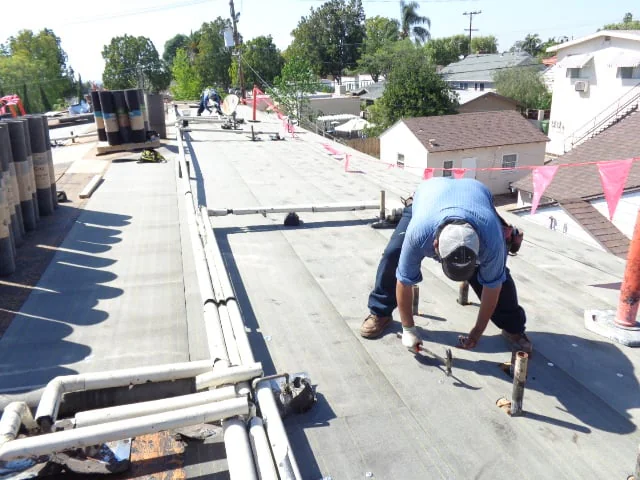
Flat and low-slope roofs, common on mid-century and contemporary homes, require different solutions. Built-up hot mop systems—layers of asphalt and felt topped with gravel or capsheet—have been the workhorse in Southern California for decades. They’re durable, cost-effective, and repairable. Single-ply membranes like TPO and EPDM offer lighter weight and faster installation, with TPO being particularly popular for its reflectivity and heat resistance. Either way, flat roofs need regular maintenance and proper drainage to avoid ponding water, which is the number one cause of premature failure. If you’re dealing with a flat roof, work with a roofer who specializes in these systems. The installation details matter more than the product itself.
The bottom line? Modern roofing solutions give you more choices than ever, but not every choice fits every home. Your decision should account for your home’s architecture, your local climate, your HOA guidelines if applicable, and your budget—not just for installation, but for maintenance and eventual replacement. A residential roofing contractor worth hiring will walk you through those tradeoffs honestly, not just push whatever they install most often.
How Roofing Upgrades Increase Home Value and Buyer Appeal
Curb appeal isn’t just about looking good. It’s about what that appearance signals to potential buyers, appraisers, and your neighbors. A well-maintained roof tells people the home has been cared for. An aging or damaged roof raises questions about what else might be wrong.
Real estate agents will tell you the same thing: homes with strong curb appeal sell faster and for more money. A new or recently replaced roof removes a major objection before buyers even walk through the door. They’re not worried about budgeting for a $15,000 to $40,000 roof replacement in the first year. They’re not negotiating repair credits or walking away during inspection. They’re focusing on whether they can see themselves living there—which is exactly where you want their attention. That peace of mind has measurable value. Homeowners typically recoup 60% to 70% of their roof replacement cost when they sell, and in competitive markets like Orange County and LA, a new roof can be the difference between sitting on the market and going under contract in days.
What Appraisers and Buyers Actually Notice About Your Roof
Appraisers don’t just glance at your roof. They evaluate it. Condition, age, material quality, and visible defects all factor into their assessment. Missing shingles, sagging ridgelines, stains from algae or moss, and patched areas that don’t match the rest of the roof—all of those lower perceived value.
Buyers notice the same things, even if they can’t articulate why. A roof that looks tired makes the whole house feel tired. A roof that looks fresh and well-maintained makes everything else look better by association. That’s the halo effect of curb appeal. It’s not rational, but it’s real, and it affects how people assign value to your property.
Modern roofing solutions amplify that effect because they’re designed to look good longer. Dimensional shingles with multiple color blends create depth and shadow that stay visually interesting as the roof ages. Stone-coated metal and premium tile maintain their color and texture for decades without fading or streaking. Cool roof coatings not only improve energy performance—they also resist dirt and biological growth, which keeps the roof looking cleaner with less maintenance.
If you’re planning to sell within the next five years, your roofing choice should prioritize broad appeal. That doesn’t mean boring. It means avoiding highly specific or polarizing aesthetics that might limit your buyer pool. Neutral tones, classic profiles, and materials that align with your neighborhood’s character tend to perform best. If you’re staying put for the long haul, you have more freedom to optimize for personal preference and long-term performance. Either way, the goal is the same: make a decision that adds value, not just coverage.
Another factor that often gets overlooked is warranty transferability. Many manufacturer warranties can transfer to a new owner if the roof was installed by a certified contractor and proper documentation is maintained. That’s a selling point buyers appreciate, especially on higher-end homes. It’s also why working with a licensed, factory-certified roofer matters—not just for installation quality, but for the paperwork and protections that come with it.
Energy Efficiency and Curb Appeal: Why They're Not Separate Conversations
You don’t have to choose between a roof that looks good and one that performs well. In fact, the best modern roofing solutions do both, and in Southern California’s climate, energy efficiency should be part of your curb appeal strategy from the start.
California’s Title 24 energy code requires most roof replacements to meet specific performance standards, particularly around solar reflectance. Cool roofs—those with high reflectance and thermal emittance—reflect more sunlight and release absorbed heat faster than traditional roofing materials. That keeps your attic cooler, reduces the load on your HVAC system, and lowers your energy bills. In Orange County and LA County, where summer cooling costs can account for 30% to 50% of your annual energy spend, that’s not a minor detail.
The good news? Cool roof products are available in nearly every material category. You’re not limited to white or light gray. Manufacturers now offer cool-rated shingles, tiles, and metal roofing in darker colors that still meet Title 24 standards thanks to special pigments that reflect infrared light. That means you can get the aesthetic you want without sacrificing performance—or compliance.
Energy efficiency also ties into long-term durability, which affects curb appeal over time. Roofs that run cooler experience less thermal stress. That means fewer cracks, less granule loss, and longer material life. A roof that still looks good 15 years in is a better investment than one that starts fading and deteriorating at year 10. When you’re evaluating modern roofing solutions, ask about the solar reflectance index (SRI) and thermal emittance ratings. Those numbers tell you how the roof will perform under sustained sun exposure—and how it will age.
Ventilation plays a role here too. Proper attic ventilation prevents heat buildup, which protects your roof from the inside out and keeps your home more comfortable. Ridge vents, soffit vents, and powered attic fans all contribute to a balanced system that extends roof life and improves energy performance. We evaluate your ventilation as part of our roofing assessment, not as an afterthought. If a contractor isn’t bringing it up, that’s a red flag.
Bottom line: energy efficiency isn’t just about saving money on your power bill. It’s about protecting your investment, meeting code requirements, and ensuring your roof looks and performs the way you expect for as long as possible. In a market where curb appeal drives value, that’s not optional—it’s foundational.
Making the Right Roofing Decision for Your Home and Your Market
Your roof is more than a functional necessity. It’s a design element, a value driver, and a statement about how you maintain your property. In Orange County, CA and Los Angeles County, CA, where curb appeal directly impacts marketability and resale value, the roofing decisions you make today shape your home’s trajectory for the next 20 to 50 years.
Modern roofing solutions give you more control over that outcome than ever before—better materials, smarter energy performance, and aesthetics that actually hold up under Southern California’s demanding climate. The key is making informed choices based on your home’s architecture, your local conditions, and your long-term goals. Not every roof fits every house, and not every roofer delivers the same level of expertise or accountability.
If you’re ready to explore what modern roofing solutions can do for your home’s curb appeal and value, we bring nearly 50 years of experience, factory-certified crews, and a hands-on approach that puts your priorities first. No pressure. No shortcuts. Just honest guidance from people who’ve been doing this since 1982.