
Summary:
You probably don’t think about your roof much. It’s up there doing its job, keeping water out, protecting your home. That’s exactly how it should be—until it isn’t. By the time most Orange County homeowners notice a roof problem, it’s already cost them. A small leak that started months ago has damaged insulation. Missing shingles from last winter’s storm have let water reach the decking. What could have been a few hundred dollars in maintenance has become thousands in repairs, or worse, a premature replacement. The difference between a roof that lasts its full lifespan and one that fails early often comes down to one thing: regular maintenance. Let’s talk about what that actually means for your wallet and your home.
What Roof Maintenance Actually Costs vs. What It Saves
When you hear “roof maintenance,” you might picture another bill you don’t want to deal with. That’s fair. But here’s the reality most contractors won’t lay out clearly: proactive roof maintenance can save property owners $236,750 over 21 years, or about $11,274 per year. That’s not a sales pitch. That’s data.
In Orange County, roof replacement ranges from $5,000 to $50,000 depending on your property size and materials. Meanwhile, roof repairs typically cost $394 to $1,961, and routine maintenance runs even less. The math isn’t complicated. Spending a few hundred dollars on annual inspections and minor fixes prevents spending tens of thousands on emergency replacements.
Preventive maintenance typically saves homeowners 3 to 5 times the cost of reactive repairs. That means every dollar you spend on maintenance saves you three to five down the road. Most people don’t hesitate to change their car’s oil. Your roof deserves the same logic.
How Often Should You Actually Maintain Your Roof
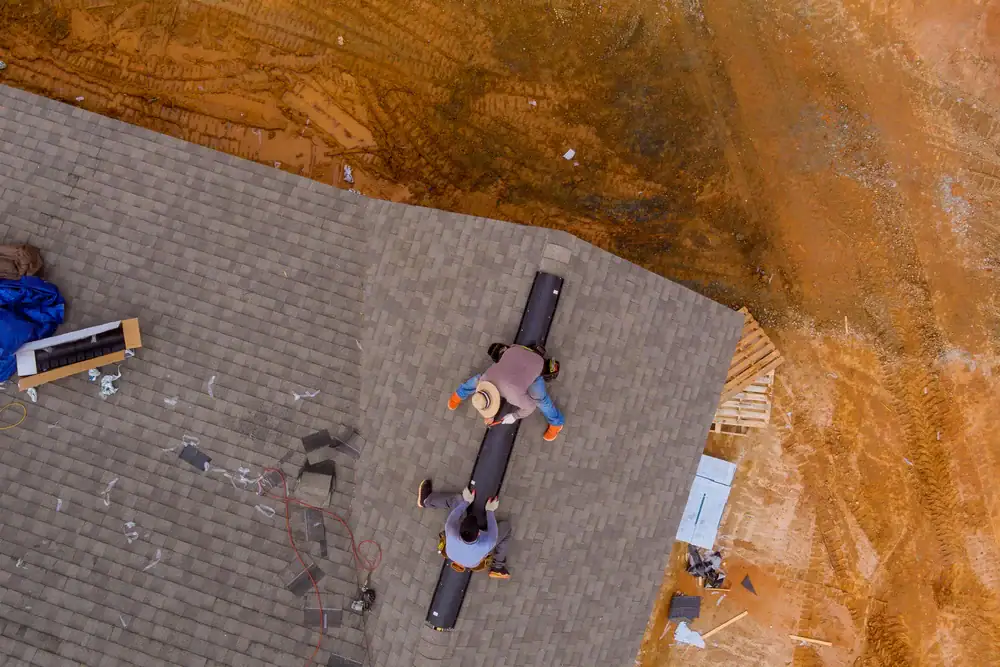
There’s no magic number that works for every property, but there are guidelines that make sense for Orange County and Los Angeles County homes. Professional roof inspections are recommended at least twice a year, ideally in spring and fall. Why those seasons? Spring lets you assess any damage from winter storms. Fall prepares your roof for the rainy season ahead.
Beyond scheduled inspections, you should have your roof checked after any major weather event. Heavy winds, hail, or unusual storms can cause damage that isn’t immediately visible from the ground. Waiting until you see a leak means the damage has already reached your home’s interior.
Some homeowners try to save money by skipping professional inspections and doing visual checks themselves. That’s better than nothing, but it’s not the same. A professional roofer has the expertise to identify potential issues that may be difficult to spot with the untrained eye. We know what a failing seal looks like before it leaks. We recognize early signs of ventilation problems that you’d miss. We catch the small stuff before it becomes expensive stuff.
If your roof is over 10 years old, increase your inspection frequency. Older roofs need more attention, not because they’re failing, but because catching age-related wear early extends their lifespan significantly. The same goes for roofs on properties with heavy tree coverage or in areas prone to high winds.
Between professional inspections, keep an eye out for obvious warning signs: missing or damaged shingles, granules collecting in gutters, water stains on ceilings, or sagging areas. If you notice any of these, don’t wait for your next scheduled inspection. Address it immediately. Studies show roof inspection can cut down repair costs by 30%, and that number only improves when you catch problems early.
The cost of an inspection is minimal compared to what you’re protecting. Professional roof inspections typically cost between $150 to $400 but can identify issues that might lead to thousands in repair costs if left undetected. Think of it as insurance for your insurance. You’re paying a small amount now to avoid a massive bill later.
What Happens When You Skip Maintenance
Let’s be honest about what neglect actually costs. It’s not just about money, though that’s certainly part of it. It’s about the cascade of problems that start small and grow exponentially.
More than 80 percent of all roofs are replaced prematurely because of problems that occur before they reach their anticipated lifespan. Read that again. Eight out of ten roofs don’t fail because they’re old. They fail because small, fixable issues were ignored until they became catastrophic. That’s not bad luck. That’s preventable.
A small leak, if ignored, can turn into a larger hole, leading to water damage and mold growth inside the house, requiring costly repairs or even a roof replacement. Water doesn’t stay where it first enters. It travels along rafters, soaks into insulation, and eventually shows up as a stain on your ceiling—but by then, the damage extends far beyond what you can see.
Mold is another consequence most people don’t think about until they’re dealing with it. Once water penetrates your roof and reaches your attic or walls, you’ve created the perfect environment for mold growth. When a roof is not maintained, it can lead to leaks and water accumulation in the attic, creating a warm and damp environment perfect for the growth of mold and mildew. Mold remediation isn’t cheap, and it’s not covered by most insurance policies if the damage resulted from neglect.
Then there’s the structural damage. The roof is a large and complex structure, and if it’s not maintained correctly, it can experience significant structural damage, potentially leading to the collapse of your roof. That’s not fear-mongering. That’s what happens when wood rot goes unchecked, when ventilation fails, when small problems compound over years.
Your property value takes a hit too. Neglecting to maintain and repair your roof correctly can lead to a decrease in the value of your home, as potential buyers viewing a deteriorated roof get a negative impression of the overall property condition. Even if you’re not selling now, you’re losing equity every year you let your roof deteriorate.
Insurance companies aren’t sympathetic to neglect either. Most homeowner insurance policies are very specific regarding roof damage provisions, and in most cases, water damage due to roof neglect is not a covered item. You can’t skip maintenance for years and then expect your insurance to cover the resulting damage. They’ll deny your claim, and you’ll be paying out of pocket for everything.
Here’s a real example: One seller postponed replacing several damaged shingles after a thunderstorm, and over a few months, water seeped into the attic unnoticed. When the house went under contract, the home inspection revealed active roof leaks, mold in the attic, and damaged insulation. The sale was delayed, and the seller paid more than $15,000 in repairs. That’s what happens when you ignore a few hundred dollars worth of shingle replacement.
The pattern is always the same: small problem ignored, water gets in, damage spreads, costs multiply. Maintenance breaks that pattern before it starts.
What Professional Roof Maintenance Actually Includes
You’re not paying for someone to climb on your roof and glance around. Professional maintenance is systematic, thorough, and documented. Here’s what actually happens when you work with a qualified residential roofing contractor or commercial roofing contractor.
First, we inspect the overall condition of your roof. That means checking every section for signs of wear, damage, or potential failure points. We’re looking at shingles or roofing material for cracks, curling, missing pieces, or loss of granules. We’re examining flashing around chimneys, vents, and skylights—areas where leaks commonly start. We’re checking the condition of roof valleys where water flows and debris accumulates.
We’ll inspect your gutters and drainage systems. Clogged gutters don’t just overflow; they cause water to back up under your roofing material, leading to rot and leaks. Clogged gutters create serious problems for your roof, and when water cannot drain properly, it backs up under shingles, leading to leaks and water damage. We clear debris and make sure water flows away from your property as designed.
The Parts of Your Roof That Need Regular Attention
Your roof isn’t just shingles. It’s a system, and every component needs attention. Understanding what gets checked helps you know what you’re paying for and why it matters.
Flashing is one of the most critical components and one of the most commonly neglected. Flashing is the unsung hero of your roofing system and needs to be maintained with regular inspections, as age, exposure, and poor-quality installation can be its biggest enemies. Flashing is the thin metal installed around chimneys, skylights, vents, and anywhere your roof meets a vertical surface. When it fails, water pours in. Checking and maintaining flashing prevents most roof leaks before they start.
Pipe boots are another common failure point. These are the rubber or neoprene seals around the pipes that penetrate your roof. Pipe boots are the neoprene flashing around plumbing or vent pipes that come through your roof, and over time, cracks form that allow water to follow the pipe into your home—actually one of the most common roof leaks in residential roofing. They’re inexpensive to replace during maintenance but expensive to deal with after they’ve been leaking for months.
Ventilation is something most homeowners never think about, but it’s essential. A roof needs to breathe, and vents keep the attic dry and cool. If your ventilation is poor to non-existent, you can expect your attic to be a sauna in summer and covered with frost in winter, causing trusses and decking to become spongy and the roof to sag over time. Poor ventilation doesn’t just damage your roof; it increases your energy bills and can void your shingle warranty.
Debris removal sounds simple, but it matters more than you’d think. One of the most important pieces of roof maintenance is removing sitting debris, especially in roof valleys, because when leaves, sticks, or other debris build up, a literal dam forms on your roof. That dam holds water against your roofing material, accelerating deterioration and creating leak points.
Your attic should be inspected too. Signs of water damage, mold, pest intrusion, or inadequate insulation all point to roof problems that need addressing. Ventilation issues show up as excessive humidity, condensation on metal surfaces, or blocked airflow paths near soffit areas, and poor attic ventilation leads to ice dams in winter and increased cooling costs during hot summers.
A thorough inspection also includes checking the structural components—rafters, trusses, decking. These aren’t things you replace during routine maintenance, but identifying early signs of stress, rot, or damage lets you address problems before they require major structural work.
Finally, everything gets documented. Photos, notes, recommendations. This documentation serves multiple purposes: it gives you a clear record of your roof’s condition over time, it supports insurance claims if you need to file one, and it proves proper maintenance if you sell your property. Our photo-documented workmanship is exactly this kind of thorough approach that protects you long-term.

How to Choose a Roofing Contractor You Can Trust
Not every company calling themselves a roofer deserves your business. Orange County and Los Angeles County have plenty of contractors, but quality and reliability vary dramatically. Here’s how to separate the professionals from the rest.
Start with licensing and insurance. In California, roofing contractors need a C-39 license. That’s not optional. It means they’ve met state requirements, passed exams, and maintain proper insurance. Don’t work with anyone who can’t provide their license number and proof of both workers’ compensation and liability insurance. If someone gets hurt on your property and the contractor isn’t properly insured, you’re liable.
Experience matters, but longevity matters more. A company that’s been in business under the same ownership for decades isn’t just experienced—they’re accountable. They can’t disappear after the job. Their reputation is tied to their community. Companies with high rates of repeat and referral business earn that through consistent quality. When 86% of a company’s work comes from existing clients and referrals, that tells you something about how they operate.
Factory certifications and ongoing training separate good contractors from great ones. Roofing technology, materials, and best practices evolve. Contractors whose crews are factory-certified stay current with manufacturer requirements and installation techniques. This matters for your warranty coverage and for the actual performance of your roof.
Ask about their process. Do they provide detailed written estimates? Do they document their work with photos? Will they walk you through what they find and explain your options without pressure? Professional contractors educate; they don’t just sell. If someone’s pushing you toward a full replacement when maintenance would suffice, that’s a red flag.
Check their standing with the Better Business Bureau and read reviews, but read them critically. Every company gets occasional complaints. What matters is how they respond and resolve issues. Look for patterns in feedback—consistent praise for communication, quality, and follow-through means more than a perfect rating with three reviews.
For commercial properties, ask about their experience with your specific building type. Multi-family, industrial, and commercial roofing have different requirements than residential work. You want a commercial roofing contractor who understands building codes, tenant coordination, and minimizing business disruption.
Finally, trust your instincts. If something feels off—high-pressure sales tactics, prices that seem too good to be true, reluctance to provide references—walk away. Your roof is too important to gamble on. Work with contractors who treat your property like it matters, because it does.
Making Maintenance Part of Your Property Care Plan
Your roof isn’t something you fix when it breaks. It’s something you maintain so it doesn’t break in the first place. That shift in thinking—from reactive to proactive—is what separates homeowners who get 25+ years from their roof from those who need replacement at 15.
The numbers don’t lie. Regular maintenance extends lifespan, prevents catastrophic damage, protects property value, and saves thousands compared to emergency repairs or premature replacement. Regular roof maintenance can prevent up to 85% of costly emergency repairs and add years to your roof’s lifespan. That’s not a maybe. That’s what happens when you treat your roof like the critical investment it is.
Schedule inspections twice a year. Address small issues immediately. Work with licensed, experienced contractors who document their work and stand behind it. Keep records of everything. These aren’t complicated steps, but they make the difference between a roof that protects your investment and one that becomes your biggest expense.
If you’re in Orange County or Los Angeles County and your roof hasn’t been professionally inspected in the last six months, that’s your starting point. We’ve been helping property owners protect their investments since 1980, combining deep expertise with the kind of hands-on service that builds generational relationships. Your roof is working for you every day. Make sure you’re working for it too.