
Summary:
What Makes Roofing Materials Solar-Ready
Solar-ready roofing means your roof can support solar panel installation without requiring replacement or major modifications first. It’s not about installing panels today. It’s about not paying $3,000 to $6,000 to remove and reinstall a solar system five or ten years from now when you finally decide to make the switch.
The solar-integrated roofing market is growing 15% annually, and residential solar adoption is expected to jump 63% in the coming years across California. That’s not hype—that’s homeowners in Orange County, CA and Los Angeles County, CA realizing that pairing a roof replacement with solar preparation makes financial sense when you’re already tearing off the old roof.
Solar-ready materials need three things: structural integrity to handle the weight and mounting hardware, a lifespan that matches or exceeds your 25-year solar panel warranty, and a surface that installers can work with securely. Metal roofing, quality architectural shingles, and tile all qualify. The question is which one fits your home, your budget, and your timeline.
Standing Seam Metal Roofing for Solar Integration
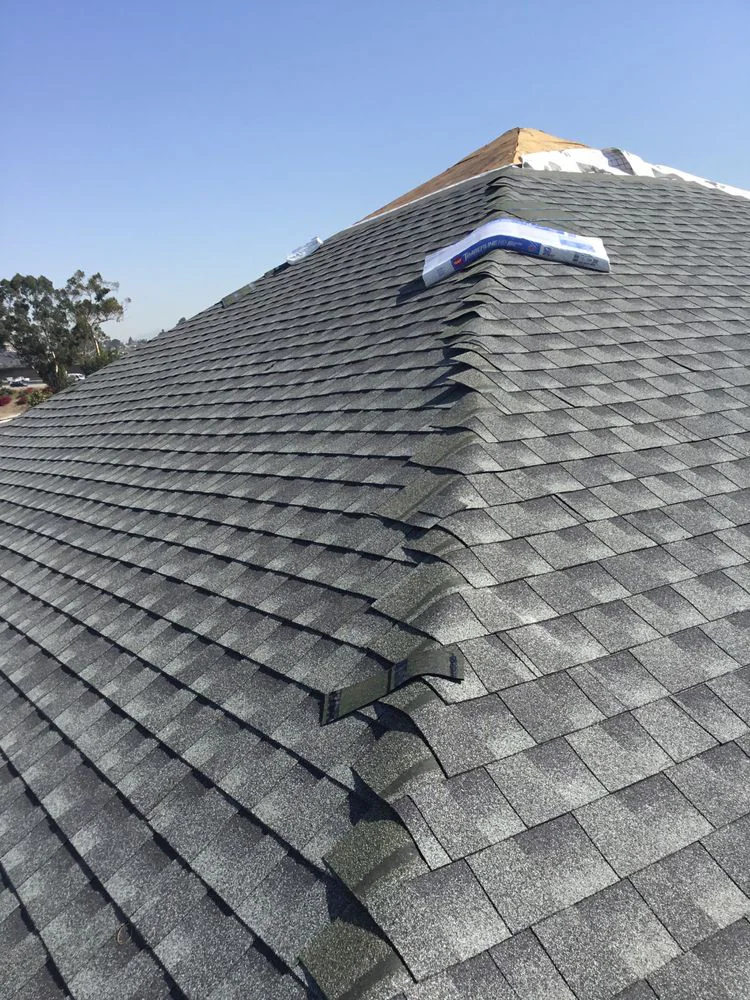
Standing seam metal roofs are the gold standard for solar installations, and it’s not even close. The raised vertical seams allow installers to attach mounting clamps without penetrating the roof surface, which means no holes, no potential leak points, and no voided warranties from improper drilling.
Metal roofs last 50 years or longer with minimal maintenance. They’re fully recyclable at end of life, and many products contain 25-95% recycled content already. They reflect solar heat naturally, which keeps your attic cooler and reduces air conditioning loads even before you add panels—critical in Southern California where temperatures regularly push into the 90s.
The upfront cost runs higher than asphalt shingles—typically two to three times more—but the math changes when you factor in longevity. A metal roof eliminates two or three replacement cycles that asphalt would require over the same period. You’re not paying more. You’re paying once.
In Orange County, CA and Los Angeles County, CA, where wildfire risk is real and building codes are strict, metal roofing checks multiple boxes. It’s Class A fire-rated, wind-resistant, and performs well in the intense UV exposure that degrades other materials faster. Modern finishes resist fading for decades, maintaining appearance and reflectivity throughout the roof’s life.
If you’re planning to go solar within the next decade, or if you want the option available without future complications, metal roofing removes the guesswork. Installers love working with it, panels mount securely, and you’re not creating future problems by drilling through shingles or disturbing tile. For properties in areas like Anaheim Hills or Laguna Niguel where fire codes are especially stringent, metal roofing often simplifies both solar installation and insurance requirements.
Architectural Shingles and Tile as Solar-Ready Options
Architectural asphalt shingles are the most common roofing material in California, and they work fine for solar installations when they’re in good condition. The key phrase there is “good condition.” If your shingles are already 10-15 years old, you’re flirting with a mid-life roof replacement right when your solar system hits its stride.
Quality architectural shingles last 25-30 years when properly installed with adequate ventilation. That matches the typical solar panel warranty, which means both systems age together. The installation process involves drilling lag bolts through the shingles into the roof deck, then sealing around the penetrations with flashing and sealant to prevent leaks.
It works, but it’s more invasive than metal. Every penetration is a potential failure point if not done correctly. That’s why having a roofer inspect your shingles before calling solar installers is non-negotiable. You need to know if your roof has 15-20 years of life left, or if you’re setting yourself up for an expensive do-over.
Clay and concrete tile roofs are incredibly durable—often lasting 50 to 100 years—and they’re fire-resistant, which matters throughout Southern California’s canyon communities and wildland-urban interface zones. But solar installation on tile is more labor-intensive and costly. Tiles are brittle and must be carefully removed or cut to place mounting brackets, which drives up labor costs significantly.
If you already have tile and want solar, it’s doable. Just budget for the added complexity. If you’re choosing materials now and solar is in your future, tile offers the longevity but not the installation simplicity of metal. Concrete tile costs less than clay and performs similarly, making it a middle-ground option for homeowners who want the tile aesthetic with better solar compatibility than clay.
The real decision comes down to timing and priorities. If you’re replacing your roof now and solar is a possibility within 10 years, choose materials that make future installation straightforward. If solar isn’t on your radar at all, then base your choice on the other factors—energy efficiency, fire resistance, durability, and cost—that matter most for your property.
Synthetic Slate and Shake: Modern Alternatives to Natural Materials
Synthetic slate and shake shingles are engineered to mimic natural materials without the weight, brittleness, or cost that make real slate and wood shake impractical for most homeowners. They’re made from recycled rubber, plastic, and polymer blends that look remarkably close to the real thing from ground level.
Natural slate is beautiful and can last 75-200 years, but it weighs 800-1,500 pounds per square. Most homes aren’t built to carry that load without structural reinforcement, which adds thousands to the project cost before you even start on the roof itself. Synthetic slate shingles weigh a fraction of that—no retrofitting required.
Wood shake offers classic appeal but demands regular maintenance, fire-retardant treatment (required in California), and has a much shorter lifespan than modern alternatives. Synthetic shake products deliver the look without the rot, insect damage, or fire vulnerability that plague real wood—especially important in fire-prone areas of Orange County, CA and Los Angeles County, CA.
Durability and Lifespan of Synthetic Roofing Products
Synthetic slate shingles last 40-50 years when properly installed, which is roughly double the lifespan of standard asphalt shingles. Premium brands offer warranties against manufacturing defects, something natural slate doesn’t provide since it’s a quarried natural product with inherent variability.
These materials are Class 4 impact-rated—the highest rating available—which means they’ve been tested against steel ball bearings dropped at simulated hail velocity. They’re not indestructible, but they perform dramatically better under impact than standard shingles or natural slate, which can crack if walked on or struck by falling branches.
Synthetic products resist UV damage, freeze-thaw cycles, and moisture better than many traditional materials. Advanced polymer blends make them flexible enough to handle temperature swings without cracking, which is critical in climates where morning fog gives way to afternoon heat regularly—a common pattern throughout coastal Orange County, CA and inland Los Angeles County, CA.
The color is integrated throughout the material rather than applied as a surface coating, so fading is minimal over decades. Some natural slate changes color over time—weathering shades shift to grey, brown, or rust—which may or may not align with your aesthetic preferences. Synthetic slate maintains its appearance consistently.
Installation is simpler than natural slate because the material is lighter and easier to handle. Contractors can cut and nail synthetic slates like standard shingles, which reduces labor time and cost compared to the specialized skills required for handling and laying stone tiles. That translates to lower installation costs even though the material itself runs higher than basic asphalt.

Cost Comparison: Synthetic vs Natural Materials
Synthetic slate costs significantly less than natural slate—typically $8-12 per square foot for materials, with total installed costs running $14-21 per square foot including labor. Natural slate runs $500-1,700 per square depending on quality, thickness, and color, with installation adding another substantial layer of expense due to the specialized labor required.
For a typical 2,000 square foot roof, synthetic slate runs $28,000-42,000 installed. Natural slate on the same roof could easily hit $60,000-100,000 or more when you factor in structural reinforcement, specialized installation, and premium material grades. That’s not a minor difference—it’s the cost of a new roof versus the down payment on another property.
The value equation shifts when you consider lifespan and maintenance. Natural slate can last a century or more with proper care, which means you’re potentially installing the last roof this house will ever need. Synthetic slate lasts 40-50 years, which still eliminates one or two replacement cycles compared to asphalt but doesn’t match natural stone’s longevity.
Maintenance costs favor synthetic materials. Natural slate requires skilled contractors for repairs since individual tiles can crack and finding exact color matches becomes difficult over time. Synthetic products are more uniform, easier to source for repairs, and less prone to damage from foot traffic during maintenance.
Insurance considerations matter too. Some carriers offer discounts for impact-resistant roofing, and Class 4-rated synthetic products qualify. Natural slate’s brittleness can actually work against you if hail damage requires extensive repairs, since the material itself is expensive to replace and labor-intensive to work with.
The decision isn’t purely financial. If you’re in a historic neighborhood where authentic materials matter for resale value or HOA compliance, natural slate may be worth the premium. If you want the aesthetic without the weight, cost, or maintenance complexity, synthetic slate shingles deliver most of the visual appeal at a fraction of the price and hassle. Many upscale communities throughout Orange County, CA appreciate the distinction without requiring the authentic material.
Choosing the Right Modern Roofing Materials for Your Property
Modern roof replacement materials offer options that didn’t exist a decade ago—solar integration without future complications, synthetic alternatives that match natural aesthetics, fire ratings that meet California’s strictest codes, and energy efficiency that cuts cooling costs measurably. The challenge isn’t finding good materials. It’s matching the right materials to your specific situation, budget, and long-term plans.
If solar is in your future, metal roofing eliminates the headache and expense of panel removal later. If you want the look of slate or shake without the weight and cost, synthetic products deliver. If fire protection matters in a high-risk area, Class A-rated materials provide the coverage insurance carriers increasingly require. If energy efficiency is the priority, cool roof coatings and high-reflectivity materials meet Title 24 standards while reducing monthly utility costs by 10-15%.
The materials you choose today determine whether you’re dealing with this decision again in 15 years or whether your roof is still performing flawlessly in 50. That’s not a small distinction when you’re talking about a $20,000-60,000 investment. We’ve been helping Orange County, CA and Los Angeles County, CA property owners make these decisions since 1982, and the conversation always starts with understanding what you actually need versus what sounds impressive in marketing materials. When you’re ready to talk specifics about your property, our team can walk you through options that make sense for your situation, your budget, and your timeline.