


Summary:
Why Timing Matters for Roof Replacement
Most people think a roof is a roof—slap it on whenever and call it done. That thinking costs homeowners thousands in preventable problems.
The season you choose for roof replacement affects three critical factors: how well your roofing materials perform, what you’ll pay, and how smoothly the project runs. In Southern California, you’re working with a climate that’s more forgiving than most of the country, but that doesn’t mean timing is irrelevant.
Temperature affects how asphalt shingles seal. Too hot, and materials become difficult to handle. Too cold, and adhesives don’t bond properly. Contractor availability swings wildly between peak and off-peak seasons, directly impacting both price and scheduling flexibility. Weather delays, while less common here than in other regions, still happen—and they can turn a straightforward project into a drawn-out headache.
Spring Roof Replacement in Orange County and Los Angeles
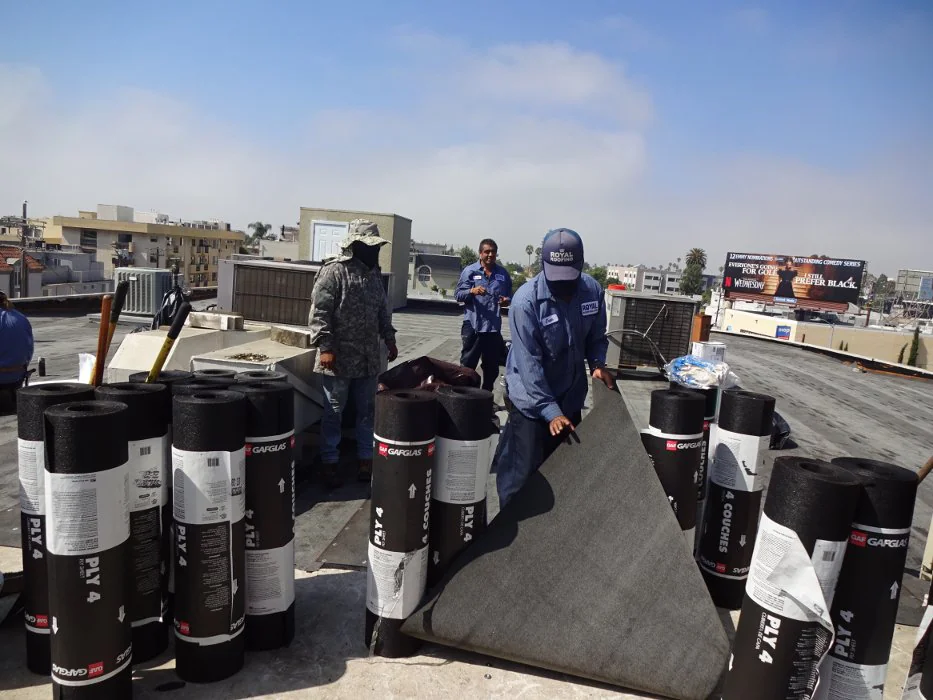
Spring sits in that sweet spot where Southern California weather becomes predictable without being punishing. Temperatures hover in a range where roofing materials perform exactly as they should. Crews can work full days without extreme heat slowing them down.
We consider spring one of the best times to replace a roof in California, especially in coastal areas. The weather stays relatively stable, which means your project is less likely to face delays. Materials like asphalt shingles bond properly in moderate temperatures, and the installation process moves efficiently.
But spring comes with a trade-off. As word spreads about ideal conditions, demand picks up. More homeowners schedule projects during these months, which can mean longer wait times to get on a contractor’s schedule. Pricing tends to be competitive but not rock-bottom.
Early spring—particularly late March through April—offers a window before the rush really hits. If you’re flexible and can book early, you might catch contractors during a slower period when they’re more willing to negotiate on price or offer faster scheduling.
One consideration: spring can bring occasional rain, especially in early months. While Southern California’s dry season generally spans late spring through early fall, those first few weeks can surprise you. A reputable roof contractor will have contingency plans for weather, but it’s something to keep in mind when planning your timeline.
The key with spring is planning ahead. Don’t wait until April to start calling contractors for a May installation. Reach out in late winter, get your estimates lined up, and secure your spot before everyone else has the same idea.
Summer Roof Installation: What You Need to Know
Summer is peak season for roof replacement across the country, and Orange County and Los Angeles are no exception. Long days, consistent weather, and school schedules all align to make summer the most popular time for major home projects.
From a weather standpoint, summer delivers. Southern California’s dry season is in full swing, which means virtually zero chance of rain delays. Crews can work extended hours, and projects that might take five days in cooler months can wrap up in three.
But popularity has its price—literally. Summer demand drives costs up. Roofing contractors stay booked solid, often scheduling jobs weeks or even months out. When everyone wants the same service at the same time, you lose negotiating leverage. You’ll likely pay top dollar, and you’ll work around the contractor’s schedule rather than your own.
Heat becomes a factor too, especially for inland areas of Orange County and parts of Los Angeles County where temperatures regularly push into the 90s or higher. Extreme heat doesn’t just make working conditions tough for crews—it can actually affect how certain roofing materials install. Asphalt shingles can become too pliable in intense heat, making them harder to work with and potentially affecting long-term performance.
If summer is your only option, early summer works better than late. June and early July offer warm, dry conditions before the absolute peak of heat sets in. You’ll still face higher demand and pricing, but conditions are generally more favorable than August or September.
The other summer advantage? If you have kids, scheduling a roof replacement during summer break means less disruption to school routines. The noise and activity that come with a roofing project are easier to manage when everyone’s home schedule is already more flexible.
One more thing: if you’re planning summer installation, book early. We’re talking February or March for a June or July project. Waiting until May to start calling contractors for summer work means you’re competing with everyone else who had the same idea—and you’ll likely end up pushed into late summer or early fall.
Best Season for Roof Replacement: Fall and Winter Options
Ask most roofing professionals when they’d schedule their own roof replacement, and many will say fall. There’s good reason for that.
Fall in Southern California offers the best of both worlds: favorable weather and lower demand. Temperatures cool down from summer highs but stay well above the range that causes installation problems. The dry season typically extends through October and sometimes into November, giving you a solid weather window.
What makes fall particularly attractive is timing. You’re getting your roof replaced before winter rains arrive, which means you’re protected when weather becomes less predictable. Contractor schedules open up as summer rush ends, often leading to better pricing and more flexibility on project timing.
Fall Roof Replacement: The Strategic Choice
Fall sits in that ideal zone where conditions favor both quality installation and reasonable pricing. The weather in Orange County and Los Angeles County during September, October, and early November typically stays dry and mild. Temperatures range between 60 and 80 degrees—exactly where roofing materials perform best.
Contractors coming off their busy summer season often have more availability. That translates to shorter wait times and, in many cases, more competitive pricing. When demand drops, you gain negotiating power. You’re not just another name on a packed schedule; you’re helping a contractor keep their crews busy during a slower period.
The strategic advantage of fall goes beyond just getting a good deal. You’re positioning yourself ahead of winter. While Southern California winters are mild compared to most of the country, they do bring rain. Completing your roof replacement in fall means you enter the rainy season with a fresh, properly installed roof rather than crossing your fingers that your aging roof holds up through one more winter.
Fall also tends to bring fewer weather surprises. By September and October, the weather pattern has settled into a predictable rhythm. You’re past the occasional late-summer thunderstorm, and you’re not yet into the winter rain cycle. This predictability helps projects stay on schedule.
One consideration: fall’s reputation as an ideal time for roof replacement means it’s not exactly a secret. Many homeowners target September and October for projects, which can create a mini-rush. The key is getting ahead of it. If you’re thinking fall installation, start your contractor search in summer. Get estimates in July or August, make your decision, and lock in your schedule before everyone else realizes fall is approaching.
Another fall advantage is comfort. If you’re staying home during the project, working around a roof replacement in 70-degree weather beats dealing with it in 95-degree heat. Your daily routine faces less disruption when temperatures are comfortable and you’re not trying to keep the house cool while crews work overhead.
The timing also works well for planning. Fall gives you a clear deadline—you want the project done before winter rains start, typically by November. This creates natural urgency that helps keep the project moving without feeling rushed.
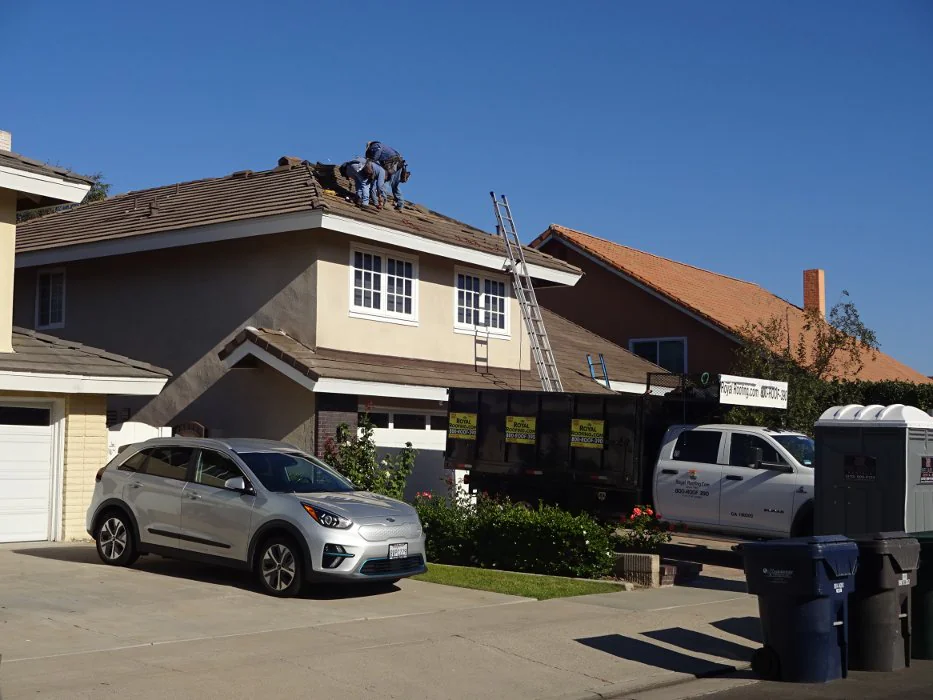
Winter Roofing in Southern California: Is It Possible?
Here’s where Southern California’s climate gives you an advantage most of the country doesn’t have: winter roofing is actually viable.
In Orange County and Los Angeles County, winter doesn’t mean snow and ice. It means cooler temperatures and occasional rain. Many winter days offer perfectly good conditions for roof installation—you just need to work around weather windows and choose your contractor carefully.
The biggest advantage of winter roof replacement is cost. This is the slowest season for roofing contractors. Demand drops significantly, which means contractors are more willing to negotiate on price to keep their crews working. If budget is a primary concern and you have some flexibility on timing, winter can deliver substantial savings.
Contractor availability is another plus. During peak season, you might wait weeks to get on the schedule. In winter, you can often get started much faster. Need to coordinate the project around your work schedule or a specific timeframe? Winter gives you that flexibility.
The challenge with winter is weather unpredictability. While most winter days in Southern California are dry, rain does happen. A project that would take three days in summer might stretch to five or six in winter if you hit rainy periods. Reputable contractors plan for this, and they won’t work in conditions that compromise quality, but it does mean your timeline becomes less certain.
Temperature also plays a role, though less dramatically than in other parts of the country. Some roofing materials have minimum temperature requirements for proper installation. In Southern California’s mild winters, this rarely becomes an issue, but it’s worth discussing with your contractor—especially if you’re in an inland area that sees cooler overnight temperatures.
If you’re considering winter installation, look for contractors with experience working year-round in Southern California. They’ll know how to read weather patterns, when to pause work, and how to protect your home if rain interrupts the project. They’ll also have systems in place for quick response—if a dry window opens up, they can mobilize fast.
Winter works especially well for emergency replacements. If your roof fails in January and you need immediate help, you’ll actually have an easier time finding available contractors than you would in summer. The lower demand means faster response times when you need them most.
One strategic approach: if you’re not in a rush, use winter to get estimates and make decisions, then schedule installation for early spring. You’ll have time to research contractors, compare options, and make an informed choice without feeling pressured. Then when spring arrives, you’re first in line rather than competing with everyone else.
Making the Right Timing Decision for Your Roof Replacement
The best time to replace your roof isn’t the same for everyone. It depends on your priorities, your budget, your schedule, and the current condition of your roof.
If you want optimal weather with good contractor availability, target late spring or early fall. If budget is your primary concern and you can handle some schedule flexibility, winter offers the best pricing. If you need the project done quickly and weather predictability matters most, summer delivers despite higher costs.
What matters more than the specific season is working with a roofing contractor who understands Southern California’s climate, has the experience to handle projects properly regardless of timing, and communicates clearly about what to expect. The right contractor will help you weigh timing factors based on your specific situation rather than pushing you toward whatever works best for their schedule.
Your roof protects everything inside your home. When it’s time to replace it, make the decision based on what serves you best—not just what’s most convenient for everyone else. If you’re ready to discuss timing and get a clear picture of what your project involves, we’ve been helping Orange County and Los Angeles County homeowners make these decisions since 1982. Reach out when you’re ready to talk specifics.