
Summary:
How Roof Financing Works Through Contractors
Here’s the reality: most roofing contractors understand that a $15,000 project isn’t pocket change for most families. That’s why we partner with lenders or offer our own payment programs to make roofing projects accessible. When you finance through a roofing contractor, you’re typically working with either an in-house financing program or a third-party lender we’ve partnered with.
The process is usually straightforward. After you get your estimate, we present financing options. You fill out an application (often online, sometimes in minutes), get approved for a certain amount, and choose your terms. The money goes toward your project, and you make monthly payments to the lender. We get paid, your roof gets done, and you’re not wiped out financially.
What makes contractor-offered financing different from going to your bank? Speed and convenience, mostly. These programs are designed specifically for home improvement projects. The approval process is faster because the lender already works with contractors regularly. You’re not explaining to a loan officer why you need $16,000 for “roof stuff.” They get it. They do this all day.
Types of Roof Financing Options Available
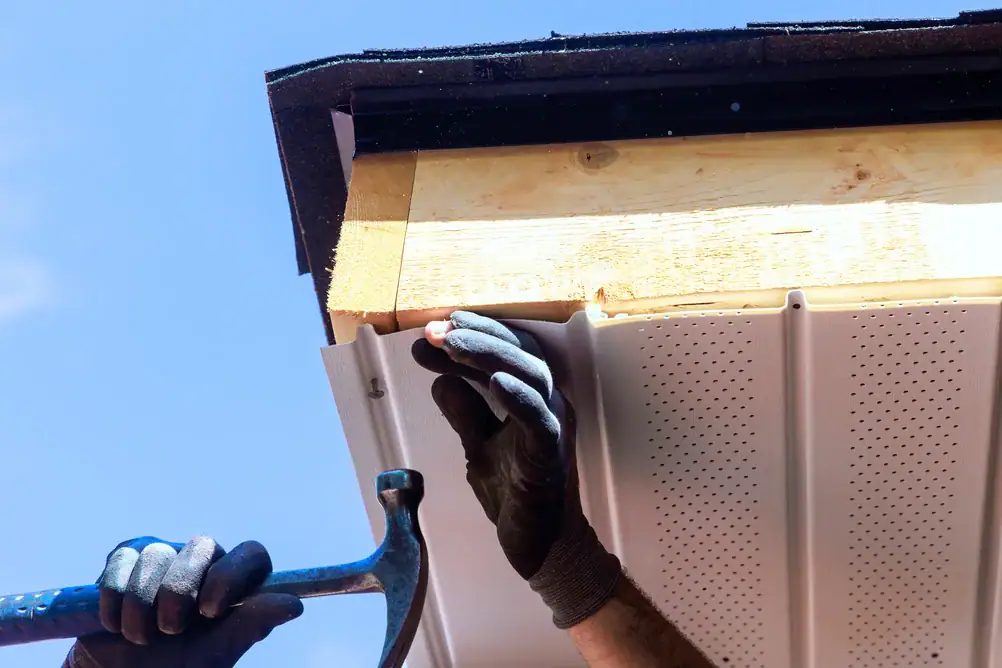
Not all financing is created equal, and understanding your options helps you pick the one that makes sense for your situation. Most roofing contractors who offer financing will present you with a few different paths, each with its own trade-offs.
The first option you’ll often see is the 12-month same-as-cash deal. This is exactly what it sounds like: zero percent interest if you pay off the balance within 12 months. For a $12,000 roof, that’s $1,000 a month. If you can swing that payment, you’re essentially getting an interest-free loan. The catch? If you don’t pay it off in 12 months, the interest rate kicks in retroactively on the original balance. That can hurt. This option works great if you know you’ll have the funds within a year, maybe from a bonus, tax refund, or other expected income.
Then there are the longer-term, low-interest options. These typically run anywhere from 5 to 15 years (60 to 180 months) with fixed interest rates ranging from about 6.99% to 16.99%, depending on your credit score and the lender. A $15,000 roof financed at 9.99% over 10 years comes out to roughly $198 per month. That’s manageable for most budgets. You’re paying more in total because of interest, but you’re preserving your cash flow and keeping your savings intact for actual emergencies.
Some contractors also offer deferred payment plans, where you don’t make any payments for the first 6 to 12 months. This can be helpful if you’re waiting for an insurance payout or you need time to get your finances in order. Just make sure you understand when payments start and what the interest rate will be.
Personal loans are another route. These are unsecured loans, meaning they’re not tied to your home as collateral. Approval is based on your credit score, income, and debt-to-income ratio. Interest rates vary widely, from around 6% to 36%, with the best rates going to people with excellent credit. The benefit here is speed. You can often get approved and funded within a few days, which matters when your roof is actively leaking.
Home equity loans and HELOCs (home equity lines of credit) offer some of the lowest interest rates because they’re secured by your home. If you have significant equity built up, you might qualify for rates in the 5% to 8% range. The downside? These take longer to process (often several weeks), require an appraisal, and put your home at risk if you can’t make payments. For many homeowners, especially those who don’t have much equity or don’t want to risk their home, these aren’t the best first choice.
What to Look for in a Roofing Contractor Financing Program
Not all financing programs are created equal, and some are frankly better than others. When you’re evaluating whether to finance through a contractor, there are a few things you should pay attention to before you commit.
First, look at the interest rate and APR. These aren’t always the same thing. The APR includes fees and gives you a more accurate picture of what you’re actually paying. If a contractor is offering 9.99% interest but the APR is 14%, there are fees baked in that you need to understand. Ask for a breakdown. Legitimate contractors will explain this clearly.
Next, check for prepayment penalties. Some loans charge you a fee if you pay off the balance early. That’s ridiculous, and you should avoid it. You want the flexibility to pay extra or pay off the loan entirely if you come into money. A good financing program rewards you for paying early, not punishes you.
Look at the monthly payment and make sure it actually fits your budget. Don’t stretch yourself thin just to get the project done faster. A payment that feels manageable today but becomes a burden six months from now isn’t a good deal. Be honest with yourself about what you can afford month after month.
Ask about the approval process and timeline. How long does it take to get approved? Do they do a hard credit check (which can temporarily ding your score) or a soft check? What documents do you need? The best programs make this easy and transparent. If the contractor can’t explain the process clearly, that’s a red flag.
Finally, understand what happens if you miss a payment. Life happens. What’s the late fee? Does your interest rate go up? Is there a grace period? You’re hopefully never going to need this information, but it’s better to know upfront than be surprised later.
One more thing worth mentioning: some contractors inflate their prices when you finance through them to cover the cost of offering financing. This isn’t universal, but it happens. If possible, get quotes from a few contractors and compare both the cash price and the financed price. A reputable contractor’s pricing should be consistent whether you’re paying cash or financing. The interest you pay should go to the lender, not hidden in an inflated project cost.
Roof Insurance Claims and Financing Your Deductible
If your roof was damaged by a storm, high winds, hail, or another covered event, your homeowners insurance might cover most of the replacement cost. That’s great news. The less-great news? You’re still on the hook for your deductible, which in California often runs between $1,500 and $5,000.
Even when insurance covers the bulk of the project, coming up with $3,000 out of pocket can be tough. This is where financing your deductible makes sense. We understand this situation and can help you finance just the deductible portion while insurance handles the rest. You get your roof done, your insurance pays their share, and you make manageable monthly payments on what’s left.
Here’s the important part: you need to file your insurance claim quickly. Most policies in California require you to report damage within 30 to 60 days. If you wait too long, your claim can be denied or weakened. Document everything with photos, get a professional inspection from your roofing contractor, and contact your insurance company right away. We’re experienced in working with insurance adjusters and can provide the documentation your insurer needs.
California's Insurance Crisis and Why Roof Financing Matters Now
If you’ve been following the news in California, you know the insurance situation is rough right now. Major insurers like State Farm have dropped over 72,000 homeowners in the state. Others are refusing to renew policies or threatening cancellation if your roof doesn’t meet their requirements. Many insurers won’t cover homes with roofs older than 15 to 20 years, regardless of condition.
This puts homeowners in a terrible position. You might have a roof that’s technically fine, but your insurance company doesn’t care. They want it replaced, or they’re walking away. And if you lose your homeowners insurance, you’re stuck with the California FAIR Plan, which is more expensive and offers less coverage. It’s not a good situation.
This is exactly why financing options matter so much right now. You might not have planned to replace your roof this year. You might have been hoping to get another five years out of it. But when your insurance company sends that non-renewal notice, you don’t have the luxury of waiting until you’ve saved up $15,000. You need a solution now.
Working with a roofing contractor who offers financing lets you meet those insurance requirements without liquidating your savings or going into panic mode. You can get a new roof installed, satisfy your insurer, keep your coverage, and spread the cost over time. Given how tight the insurance market is in California right now, having this option can literally be the difference between keeping your home properly insured or not.
The other thing to understand is that a new roof can actually lower your insurance premiums. Some homeowners see reductions of 5% to 35% on their premiums after installing a new roof, depending on the materials and their location. That monthly savings can offset part of your financing payment. It doesn’t make the roof free, but it helps.
Understanding ROI and Why Financing a Roof Makes Financial Sense
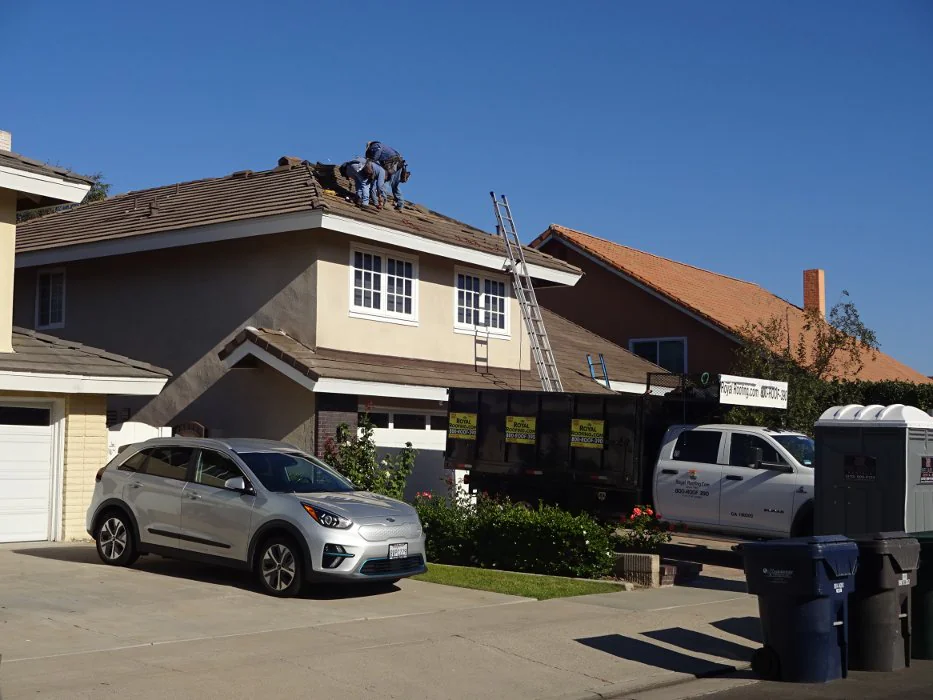
Let’s talk about return on investment, because this matters when you’re deciding whether to finance a major home project. A new roof isn’t just an expense. It’s an investment in your property that protects everything underneath it and can actually increase your home’s value.
According to data from the National Association of the Remodeling Industry, homeowners can recover up to 107% of their roof replacement cost when they sell their home. That’s not a typo. In some cases, a new roof adds more value than it costs. Even on the conservative end, you’re typically looking at recovering 60% to 70% of the cost. That’s better ROI than most home improvement projects.
Why does a new roof add so much value? Because buyers know what they’re getting. A home with a new roof means they won’t have to deal with that expense for 20 to 30 years. It’s one less thing to worry about, one less negotiating point, and one less reason to walk away from the deal. Real estate agents will tell you that a quality roof is one of the first things buyers and their inspectors look at.
From a financing perspective, this matters because you’re not just taking on debt for something that depreciates. You’re investing in something that holds or increases value. If you’re planning to sell within the next few years, a financed roof replacement can actually help you sell faster and for more money. Even if you’re staying put, you’re protecting the single largest investment most people ever make: their home.
There’s also the cost of not replacing your roof to consider. A failing roof leads to water damage, mold, insulation problems, structural issues, and damage to your belongings. Those repairs add up fast and often aren’t covered by insurance because they result from neglect. Financing a new roof now can prevent tens of thousands in damage down the line. That’s not fear-mongering. That’s just how roofs work. When they fail, they fail in expensive ways.
Making the Right Financing Decision for Your Roof
At the end of the day, financing your roof comes down to finding the option that fits your situation. If you can pay cash without wiping out your emergency fund, that’s great. But for most homeowners in Orange County and Los Angeles County, financing makes a major project manageable and keeps your financial life stable.
The key is working with a roofing contractor who’s transparent about your options, doesn’t pressure you into terms that don’t make sense, and has a track record of quality work. You want a contractor who understands that this is a big decision and respects the fact that you need to make the choice that’s right for your family.
When you’re ready to move forward, get multiple quotes, compare both the project cost and the financing terms, and ask questions until you’re completely clear on what you’re signing up for. A good contractor will walk you through everything and make sure you understand your monthly payment, interest rate, loan term, and what happens in various scenarios.
We’ve been helping homeowners in Orange County and Los Angeles County navigate these decisions for nearly 50 years. With factory certifications, a strong BBB standing, and a commitment to transparent, educational service, we understand that financing isn’t just about getting the project done. It’s about making sure you can protect your home without sacrificing your financial security. If you’re facing a roofing project and need to explore your financing options, reach out and have a real conversation about what makes sense for your situation.