

Summary:
What Is Roof Restoration and How Does It Work
Roof restoration is a comprehensive process that brings your existing roof back to full function without tearing it off and starting over. Think of it as a deep renewal rather than a band-aid repair.
The work typically includes cleaning away years of dirt, algae, and moss. Then comes repair—fixing damaged tiles, sealing cracks, replacing worn flashing, addressing any spots where water’s been sneaking through. Finally, protective coatings get applied to create a waterproof barrier that also reflects heat and UV rays.
This isn’t the same as slapping on a patch or spraying down your roof with a garden hose. It’s a structured approach that addresses the underlying issues while extending the functional life of your roofing system. For most Orange County properties, that means getting another decade or more out of a roof that looked like it was done.
The Step-by-Step Roof Restoration Process
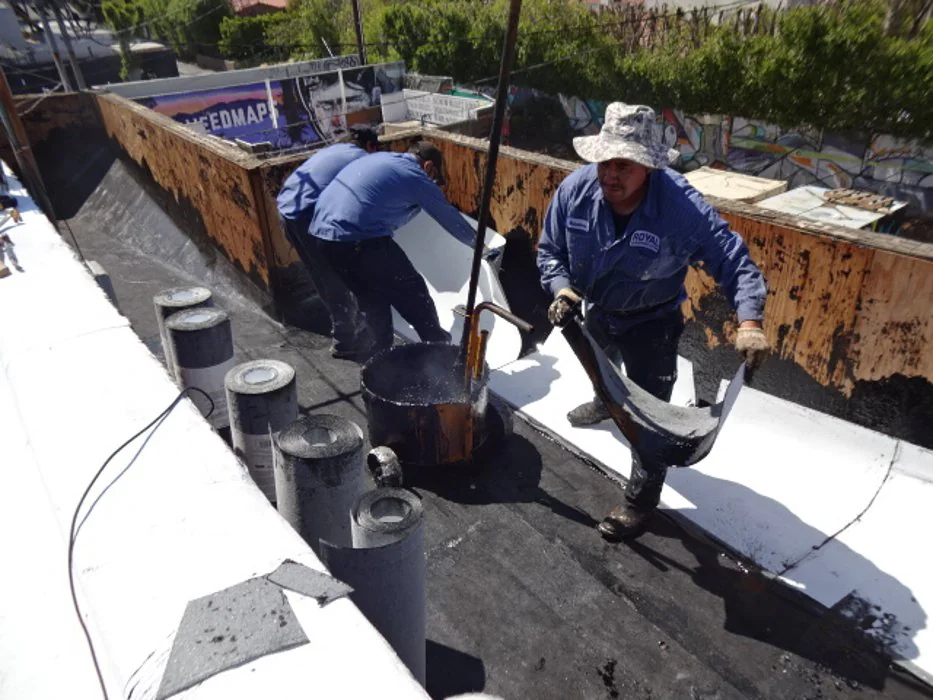
The restoration process follows a specific sequence designed to address every layer of your roof’s condition. It starts with a thorough inspection to identify problem areas—leaks, damaged materials, structural concerns, or drainage issues that need attention before any cosmetic work begins.
Next comes the cleaning phase. This involves power washing or soft washing depending on your roof type. For tile roofs, gentle cleaning removes moss, algae, and accumulated debris without damaging the surface. Asphalt shingles get treated with solutions that kill organic growth at the root. The goal is a completely clean surface that allows coatings to adhere properly.
Repairs happen after cleaning. Broken or missing tiles get replaced. Cracked shingles are addressed. Flashing around chimneys, vents, and roof penetrations gets resealed or replaced. Any underlayment damage discovered during inspection is corrected. This phase ensures your roof is structurally sound before protective treatments are applied.
The coating application is where restoration really shines. Elastomeric or silicone coatings create a seamless, waterproof membrane over your existing roof. These coatings flex with temperature changes, resist UV damage, and reflect sunlight to reduce heat absorption. In California’s intense sun, that reflective property can lower your cooling costs noticeably.
Some roofs also benefit from moss prevention treatments using zinc sulfate or copper strips. These release particles when it rains that inhibit future moss growth, keeping your roof cleaner longer. For properties in shaded areas or near trees, this step can prevent the same problems from returning in a year or two.
The entire process typically takes a few days to a week, depending on roof size and complexity. Your home stays livable throughout. No massive dumpsters in the driveway, no crews tearing off materials at 7 AM, no worrying about rain exposure while your roof is partially removed.
Roof Restoration vs Roof Replacement Cost Comparison
The cost difference between restoration and replacement is where this option gets really interesting. In Orange County and Los Angeles County, a complete roof replacement typically runs $15,000 to $25,000 for an average-sized home. That breaks down to about $8 to $14 per square foot, sometimes more for tile or premium materials.
Roof restoration, by contrast, usually costs $3 to $6 per square foot. For a 2,000 square foot roof, you’re looking at $6,000 to $12,000 instead of $16,000 to $28,000. That’s a savings of $10,000 to $16,000 on average—money that stays in your pocket or gets invested elsewhere in your property.
But the savings go beyond the initial price tag. Restoration generates almost zero waste. No dumpster fees, no disposal costs for tons of old roofing materials. The labor is less intensive because there’s no tear-off phase, which means lower labor costs even with California’s higher wage rates. You’re not paying crews to rip off your old roof, haul it away, and then build everything back from scratch.
There’s also the disruption factor, which has a cost even if it’s not on the invoice. Roof replacement typically takes one to two weeks of construction activity. Your property is exposed during tear-off. There’s noise, debris, and the risk of weather delays. If you’re a business or rental property, that disruption can mean lost revenue or unhappy tenants. Restoration minimizes all of that.
Energy savings add another layer of value. Modern roof coatings can reduce your roof surface temperature by 30 to 50 degrees. In Southern California, where air conditioning runs for months, that translates to lower utility bills. Some homeowners see a 10 to 20 percent reduction in cooling costs after restoration with reflective coatings.
The timeline matters too. Restoration extends your roof’s life by 10 to 15 years on average. If your roof is 18 years old and you restore it, you’re potentially getting to year 30 or beyond before replacement becomes necessary. That’s more than a decade of deferred major expense, which gives you time to plan and budget rather than scrambling to cover an emergency replacement.
Insurance can play a role in the cost equation as well. Some policies cover restoration work, especially if it’s addressing storm damage or preventing further deterioration. The photo documentation that comes with professional restoration can support insurance claims and demonstrate proper maintenance, which sometimes affects coverage or premiums.
When Roof Restoration Makes Sense for Your Property
Not every roof is a candidate for restoration, and that’s important to understand upfront. The ideal scenario is a roof that’s showing age but still has structural integrity. If your roof is 15 to 25 years old, has some cosmetic issues, maybe a few leaks that aren’t widespread, restoration is probably worth exploring.
The key qualifier is the condition of the underlying structure. If your decking is rotted, if there’s extensive water damage to the underlayment, if the roof is sagging or showing signs of structural failure, restoration won’t fix those problems. You need replacement. We’ll tell you this during inspection rather than trying to sell you a service that won’t solve your actual problem.
Roof type matters. Tile roofs are excellent candidates for restoration because the tiles themselves often outlast everything underneath them. Cleaning, resealing, and addressing the underlayment can give you decades more performance. Asphalt shingle roofs work well if the shingles aren’t too brittle or heavily damaged. Flat roofs on commercial properties are prime candidates because coating systems can completely renew the waterproof membrane.
Signs Your Roof Needs Restoration Not Replacement
Certain signs point specifically to restoration as the right move. Visible staining or discoloration from algae and moss is a classic indicator. These organisms don’t necessarily mean your roof is failing structurally—they’re surface issues that restoration addresses perfectly. If your roof looks bad but performs okay, restoration can transform the appearance without the replacement cost.
Minor leaks that occur in specific areas rather than throughout the entire roof suggest localized problems. Maybe your flashing has failed around the chimney, or a few tiles have cracked. Restoration includes targeted repairs to these spots while protecting the rest of the roof that’s still in good shape. You’re not replacing 2,000 square feet of perfectly functional roofing just because 50 square feet has issues.
Curb appeal concerns often drive restoration decisions. If you’re preparing to sell, or if your home’s appearance matters to you, a roof that looks tired can drag down the whole property. Restoration brings back that “new roof” look without the new roof price. Real estate agents will tell you that roof condition is one of the first things buyers notice and one of the biggest negotiating points in home sales.
Energy bills that seem higher than they should be can signal that your roof isn’t performing efficiently anymore. Aged roofing materials lose their reflective properties, absorbing more heat and forcing your HVAC system to work harder. Restoration with modern coatings can reverse that trend, especially in Orange County and LA where summer temperatures push cooling systems to their limits.
Granule loss on asphalt shingles is another sign to watch. If you’re seeing granules in your gutters or bare spots on your shingles, the protective layer is wearing away. This doesn’t always mean immediate replacement—if caught early enough, restoration with protective coatings can seal and protect those shingles for years to come.
Age alone isn’t necessarily a replacement trigger. A well-maintained 20-year-old roof might have plenty of life left with restoration, while a poorly installed 10-year-old roof might need replacement. The actual condition matters more than the number. Professional inspection can tell you exactly where your roof stands and what options make sense.
Roof Cleaning and Sealing Benefits for Orange County Homes
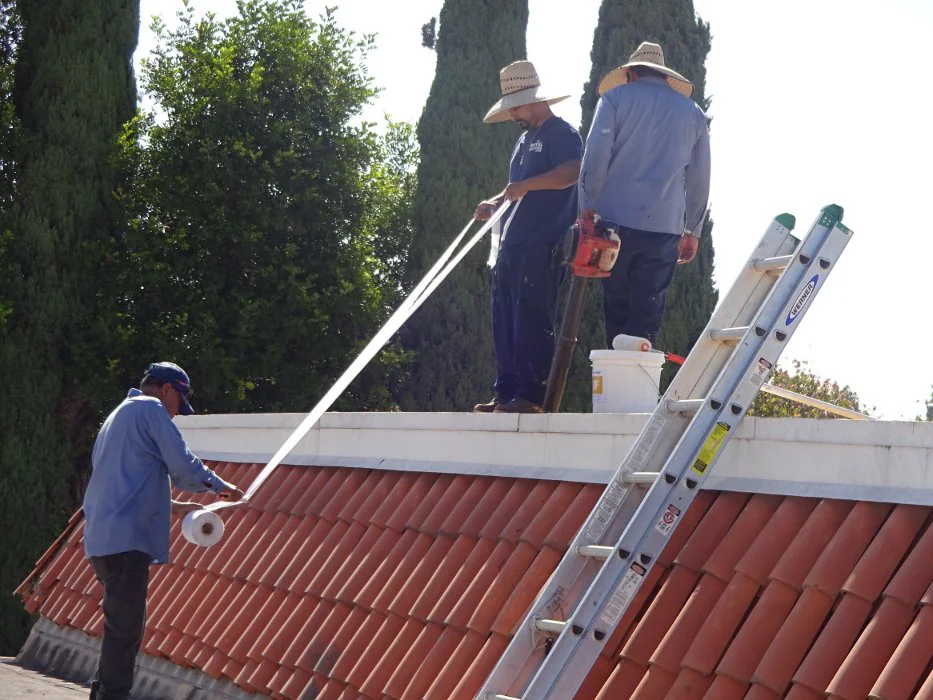
The cleaning and sealing components of restoration deserve special attention because they deliver benefits you can see immediately. In Orange County’s climate, roofs accumulate specific types of damage that cleaning addresses directly. Moss grows in shaded areas where moisture lingers. Algae creates those dark streaks that make your roof look decades older than it is. Dirt and debris build up in valleys and around vents.
Professional roof cleaning removes all of this without damaging your roofing materials. The method depends on what you have—soft washing for delicate tiles, low-pressure treatments for asphalt shingles, specialized solutions for different types of growth. The result is a roof that looks dramatically better, often shockingly so. Homeowners regularly tell us they didn’t realize how bad their roof looked until they saw it clean.
Sealing takes the protection further. After cleaning and repairs, sealants create barriers against water intrusion, UV damage, and future organic growth. For tile roofs, this means sealing around each tile and at all penetration points. For shingles, it means coating that fills in cracks and creates a unified waterproof surface. Flat roofs get complete membrane coatings that essentially create a new roof surface over the existing one.
The moss removal aspect is particularly relevant for Orange County properties near trees or in areas with morning fog. Moss doesn’t just look bad—it holds moisture against your roof, lifts shingles or tiles as it grows underneath, and creates entry points for water. Removing existing moss and treating to prevent regrowth protects your roof’s integrity while improving appearance.
Sealing also addresses one of the most common failure points: flashing. The metal strips around chimneys, skylights, vents, and where your roof meets walls are where leaks most often start. Over time, sealant deteriorates, metal corrodes, and gaps develop. Restoration includes resealing or replacing all flashing, which prevents the majority of leak issues before they start.
The curb appeal upgrade from cleaning and sealing shouldn’t be underestimated. A clean, well-sealed roof can increase your property value by 5 to 7 percent according to real estate data. For a $500,000 home, that’s $25,000 to $35,000 in added value from an investment of $8,000 to $12,000. Even if you’re not selling, coming home to a property that looks well-maintained affects your daily satisfaction with your investment.
Is Roof Restoration Right for Your Orange County or LA County Property
The question isn’t whether roof restoration works—it does, and it’s proven across thousands of properties in Southern California. The question is whether it’s the right solution for your specific situation. If your roof has good bones but looks and performs like it’s past its prime, restoration offers a cost-effective path to 10 or 15 more years of protection.
You save money, avoid disruption, reduce environmental waste, and end up with a roof that looks and functions like new. The process addresses real problems—leaks, energy loss, deterioration—while preserving what’s still working. For most homeowners facing that first replacement quote, it’s worth at least getting a restoration assessment to see what’s possible.
We’ve been helping Orange County and Los Angeles County property owners navigate these decisions for decades. The combination of family expertise, hands-on inspection, and honest assessment means you’ll know exactly what your roof needs and what your options actually cost. Sometimes that’s restoration, sometimes it’s replacement, and sometimes it’s targeted repairs. What matters is getting the right solution for your property and your budget.