


Summary:
What Roof Replacement Actually Means in California
Roof replacement means removing your existing roofing materials down to the deck and installing a completely new system. It’s not a patch job or a quick fix.
In Orange County and LA County, this process involves specific requirements that don’t exist in other states. California Building Code mandates permits for any project removing more than 25 percent of your roof. You’ll need inspections. Your new roof must meet Title 24 energy efficiency standards in many areas.
If you’re in a fire zone, Class A fire-rated materials aren’t optional. The roofing installation timeline typically runs one to three days for most residential properties, depending on size and complexity. But before anyone touches your roof, you need to understand what you’re actually paying for and what happens when things don’t go according to plan.
Tear-Off vs Overlay: Why Most California Homes Need Complete Professional Roof Removal
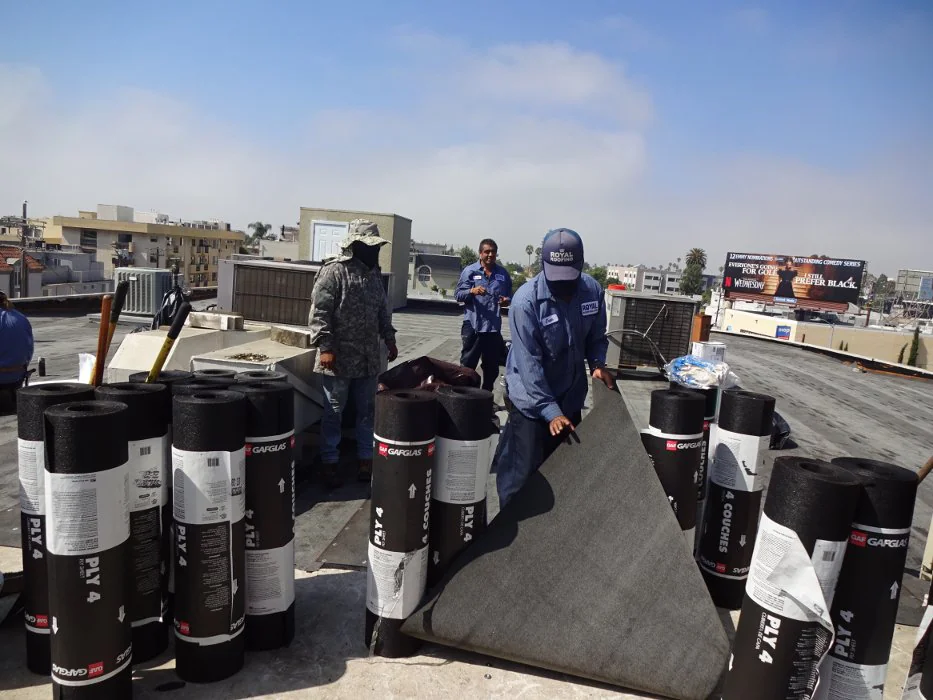
Some contractors will offer you an overlay—installing new shingles directly over your existing roof. It’s cheaper. It’s faster. And in most cases, it’s a mistake you’ll pay for later.
California code allows a maximum of two roofing layers. If you already have one layer and add another, you’re done. The next time your roof needs work, you’ll pay to tear off both layers, which costs significantly more than tearing off one.
But the real problem with overlays runs deeper than future costs. When you cover your existing roof, you hide everything underneath. Rotted decking stays hidden. Failed underlayment stays in place. Moisture damage spreads silently between layers where you can’t see it.
Most shingle manufacturers won’t honor warranties on overlay installations. They know the old roof creates heat retention issues that accelerate shingle deterioration. Your new roof might look fine for a few years, but it won’t last as long as it should.
A proper tear-off exposes your roof deck completely. We can inspect every square foot, replace damaged wood, install fresh underlayment, and ensure proper ventilation. Everything starts from a solid foundation.
In Orange County’s intense sun and LA County’s temperature swings, that foundation matters. Shortcuts don’t hold up. The small savings you get from an overlay disappear when you’re replacing your roof again in fifteen years instead of twenty-five.
The only time an overlay makes sense is when you’re selling soon and need a cosmetic improvement. Otherwise, tear it off and do it right. Professional roof removal reveals problems before they become disasters.
Understanding Local Building Permits and California Roofing Codes
California doesn’t mess around with roofing permits. Most cities in Orange County and Los Angeles County require permits for roof replacement, and the process involves more than just paying a fee.
Your contractor submits detailed plans showing materials, installation methods, and compliance with local codes. The building department reviews everything before issuing the permit. Then inspectors show up during or after installation to verify the work meets code.
Permit costs typically run between two hundred and six hundred dollars depending on your city. Some contractors include this in their quote. Others add it separately. Always ask upfront so you’re not surprised.
Why does California care so much about roof permits? Because your roof protects more than just your house. It affects fire safety in wildfire zones. It impacts energy consumption across the entire grid. And it determines whether your home can withstand the next earthquake or windstorm.
Title 24 energy efficiency requirements mean your new roof might need specific reflective properties or insulation values. In fire hazard severity zones across Orange County and LA County, you’ll need Class A fire-rated materials that resist ember penetration. Coastal areas have wind uplift requirements that affect how shingles get fastened.
HOA communities add another layer of complexity. Your homeowners association might restrict certain colors or materials. They might require architectural review before you start. Skipping this step can result in fines and forced removal of your new roof.
Working without permits creates problems you can’t fix later. Your insurance company might deny claims. Future buyers will discover the unpermitted work during escrow, killing your sale. And if something goes wrong, you have zero recourse because the work was never inspected.
A reputable contractor handles all permit applications, knows local code requirements, and schedules inspections at the right times. You shouldn’t have to think about any of this. But you should verify that local building permits are part of the plan before signing anything.
The Complete Roofing Installation Timeline and Process
Knowing what happens each day removes most of the anxiety around roof replacement. The process follows a specific sequence, and understanding that sequence helps you spot contractors who skip important steps.
Most residential projects in Orange County and LA County take one to three days from start to finish. Larger homes or complex roof designs might take longer. Weather delays happen. But the actual work follows the same pattern regardless of timeline.
Here’s what actually happens when professional crews replace your roof the right way.
Day One: Property Protection and Professional Roof Removal Process
Your project starts before anyone climbs on your roof. We protect your property first. We cover landscaping with tarps. We move outdoor furniture away from the house. We position dumpsters close enough to catch debris but far enough to avoid damage.
Inside your home, you’ll want to remove items from walls and shelves. The vibration from tear-off work can knock things loose. Cover items in your attic if you have stored belongings up there. And plan for noise—professional roof removal sounds exactly like what it is: people ripping materials off your house.
The tear-off process starts at the peak and works downward. We use specialized tools to pop nails and slide old shingles toward the roof edge where they fall into the dumpster. We remove everything—shingles, underlayment, flashing, and any accessories like old vents.
This is the messiest part of the entire project. Dust happens. Small debris falls despite tarps. Nails end up in your yard. We run magnetic sweepers multiple times to pick up fasteners, but you’ll probably find a few nails over the next few weeks.
Once the old roof is gone, your decking gets exposed for the first time in decades. This is when hidden problems reveal themselves. Rotted plywood from old leaks. Improperly spaced boards that don’t meet current code. Termite damage that was invisible from below.
Any damaged decking gets replaced before moving forward. This isn’t included in most original estimates because we can’t see through your existing roof. Expect to pay between one hundred twenty and one hundred fifty dollars per sheet of plywood if repairs are needed.
Most homes need at least some decking work. In Southern California’s climate, UV exposure and occasional moisture from marine layer or winter rains cause deterioration over twenty to thirty years. It’s not a surprise. It’s normal wear that only becomes visible during professional roof removal.
After decking repairs, we install drip edge along all roof edges. This metal flashing directs water away from fascia boards and prevents moisture from getting under roofing materials. Then comes ice and water shield in valleys and other vulnerable areas, followed by underlayment across the entire roof deck.
By the end of day one, your roof should be “dried in”—meaning it’s protected from weather even though shingles aren’t installed yet. If rain threatens overnight, this underlayment keeps water out. This is standard practice for residential roofing experts in Orange County and LA County.
Day Two Through Completion: Installation, Inspection, and Final Cleanup
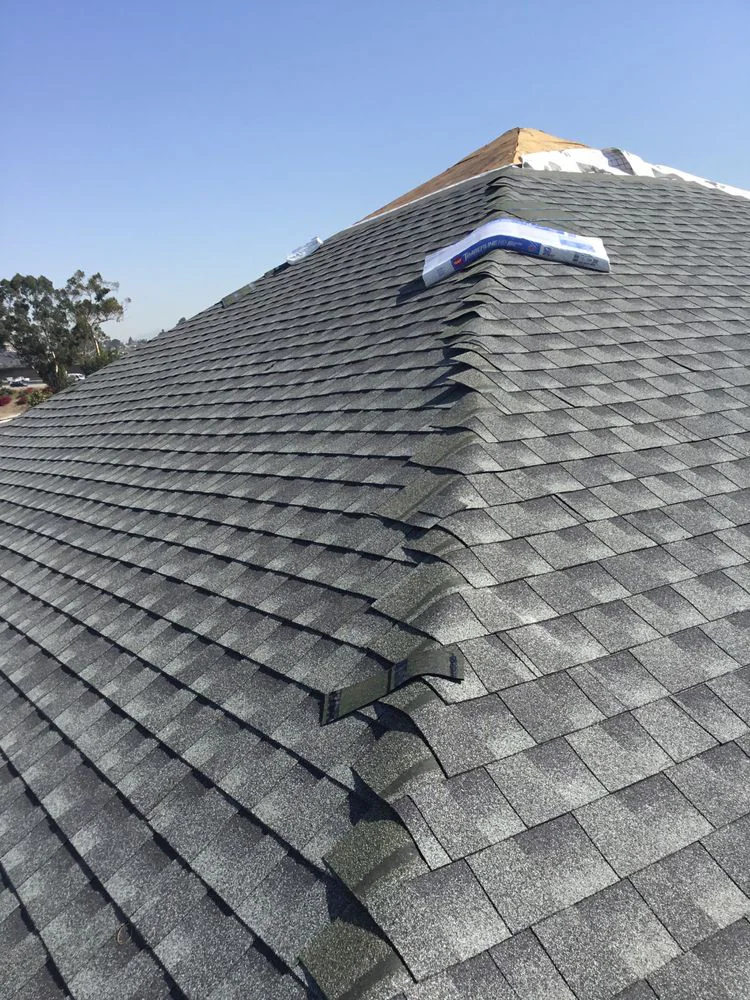
Shingle installation begins once your roof is properly prepared. Our crews start with starter shingles along eaves and rakes, then work upward in staggered rows. Every shingle gets secured with the correct number of nails in the right locations—manufacturer specifications aren’t suggestions, they’re warranty requirements.
Flashing gets installed around chimneys, skylights, and wall intersections. These metal pieces prevent water from seeping into joints where different surfaces meet. Cheap contractors reuse old flashing to save money. You won’t notice until leaks appear two years later.
Ventilation gets addressed during installation. Proper attic ventilation prevents heat buildup that shortens shingle life and increases cooling costs in Orange County and LA County. Ridge vents along the peak allow hot air to escape while soffit vents at the eaves bring in fresh air. The system only works when both components are present and properly sized.
As sections get completed, we clean debris off the roof and out of gutters. We check that all shingles lay flat and seal properly. We verify flashing is secure and sealed. Quality control happens continuously, not just at the end.
Once installation is complete, we schedule the final inspection with the building department. An inspector verifies that materials meet code, installation follows approved plans, and everything complies with local requirements. This inspection is required to close out your local building permits.
After passing inspection, final cleanup begins. We remove all tarps and debris. We run magnetic sweepers around your entire property multiple times. We check gutters and downspouts for any remaining material. We do a final walk-through with you to address any concerns.
You should receive documentation at project completion. Copies of your permit and inspection approval. Warranty information for materials and workmanship. Photos showing completed work and any repairs that were made. This documentation matters for insurance claims and future home sales.
Most homeowners are surprised by how quickly the roofing installation timeline moves once it starts. The noise and disruption feel intense while it’s happening, but it’s over faster than you expect. Then you’re left with a roof that should last twenty to thirty years without major issues.
The key is working with residential roofing experts who follow this process completely. Skipping steps saves time and money in the short term. But it creates problems you’ll discover later when fixing them costs significantly more than doing it right the first time.
Making Your Roof Replacement Decision With Confidence
Roof replacement in Orange County and Los Angeles County doesn’t have to feel overwhelming once you understand the process. You know what tear-off vs overlay means. You understand why local building permits matter. You can spot the difference between contractors who follow proper procedures and those who take shortcuts.
The questions you ask before signing a contract matter more than the price you pay. Does the estimate include permits? Will we do complete professional roof removal? How do we handle unexpected decking repairs? What happens if weather delays the roofing installation timeline?
We’ve been answering these questions for Orange County and LA County homeowners since 1982. When you’re ready to move forward with your roof replacement, you deserve residential roofing experts who explain the process clearly and follow through on every commitment.