


Summary:
You didn’t settle for mediocrity when you bought your estate. You shouldn’t settle when it’s time to protect it.
Southern California’s climate is beautiful, but it’s brutal on roofs. Relentless UV exposure, thermal cycling that expands and contracts materials daily, Santa Ana winds, and the occasional winter storm all conspire to age your roof faster than you’d expect. The difference between a roof that lasts 15 years and one that lasts 30 often comes down to two things: the quality of installation and your ability to spot problems early. This isn’t about panic or urgency. It’s about knowing what to look for so you can make informed decisions about when to call a professional roofer.
Water Stains and Interior Leaks That Keep Coming Back
Water doesn’t lie. When you see stains on ceilings, walls, or around light fixtures, your roof is telling you something important.
Small leaks rarely stay small in Southern California. What starts as minor moisture intrusion during winter rains becomes a breeding ground for mold, structural rot, and interior damage that costs exponentially more to fix than the original roof repair. The tricky part is that water doesn’t always show up directly below the problem area. It can travel along rafters, underlayment, or sheathing before finally appearing inside your home.
If you’ve noticed water stains that keep coming back after what you thought was a repair, that’s a red flag. It means the underlying issue wasn’t properly diagnosed or addressed. This is where working with a licensed residential roofing contractor makes all the difference.
Why Southern California Roofs Leak More Than You'd Expect
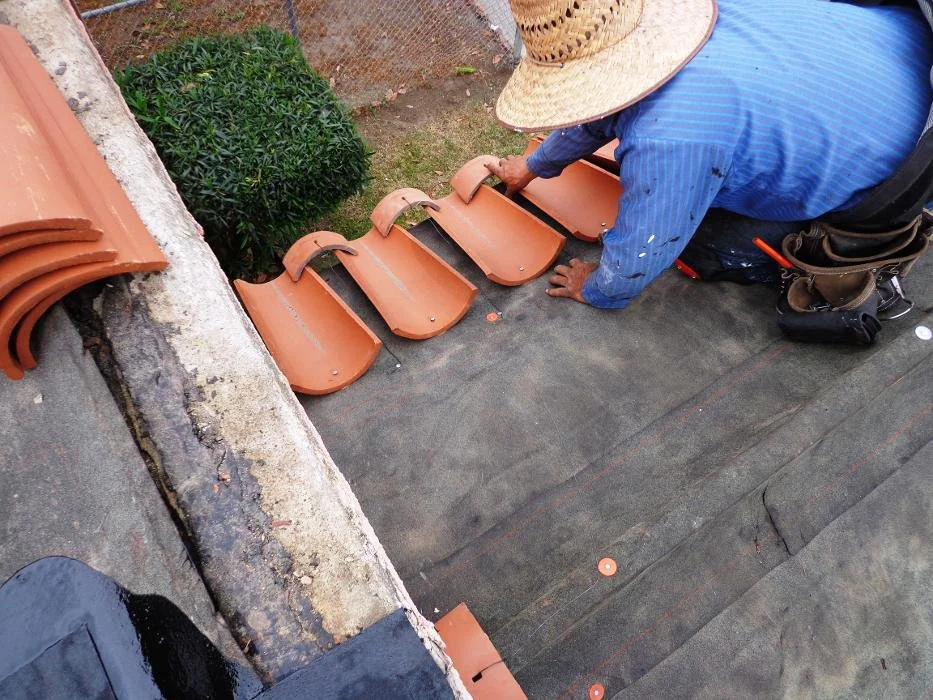
People assume that because we don’t get constant rain, our roofs have it easy. The opposite is true.
Southern California roofs face a unique combination of stressors that most other climates don’t deal with. During the day, asphalt shingles and roofing membranes heat up under intense UV radiation, expanding as temperatures climb into the 90s or higher. At night, everything contracts as it cools. This thermal cycling happens nearly every single day, year after year. Over time, it causes materials to crack, seams to separate, and flashing to pull away from penetrations.
When winter storms finally do arrive, they’re often heavy and sudden. Your roof doesn’t have the benefit of gradual, consistent rainfall that keeps drainage systems clear and tested. Instead, you get months of dry conditions followed by a deluge that exposes every weak point, every compromised seal, every area where UV damage has thinned your waterproofing layer.
Add in Santa Ana winds that can gust over 50 mph, and you’ve got a recipe for wind uplift, displaced tiles, and torn membranes. These aren’t once-in-a-decade events. They’re seasonal realities that affect properties from Newport Beach to Pasadena.
The homes and estates that fare best are the ones with proactive maintenance schedules and owners who understand that Southern California roofing isn’t a “set it and forget it” proposition. If you’re seeing interior leaks, especially after storms or during the hottest months when AC condensation is highest, it’s time to have a professional roofer conduct a thorough inspection. Not a patch job. A real diagnostic assessment that identifies the root cause and provides you with options based on the actual condition of your system.
For flat or low-slope roofs common on estates and commercial properties, leaks often originate from failed hot mop systems, compromised flashing around roof penetrations, or ponding water that sits too long in areas with inadequate drainage. A qualified commercial roofing contractor will know exactly where to look and how to differentiate between surface issues and systemic failures that require more comprehensive solutions.
How to Tell If Your Leak Needs Repair or Replacement
Not every leak means you need a new roof. But repeated leaks in the same area, or multiple leaks across different sections, often signal that your system has reached the end of its serviceable life.
Here’s what matters: the age of your roof, the extent of the damage, and whether you’re dealing with isolated failures or systemic deterioration. If your roof is under 10 years old and you’re experiencing leaks, there’s a good chance it’s a workmanship issue, improper flashing installation, or a problem with a specific penetration like a skylight or HVAC unit. These are usually repairable by a skilled residential roofing contractor who understands proper installation standards.
If your roof is 15 to 20 years old and you’re starting to see multiple problem areas, you’re likely looking at age-related wear. Shingles lose granules, underlayment breaks down, and sealants dry out. At this stage, you’re in the gray zone where repairs might buy you a few more years, but replacement is the smarter long-term investment.
The worst-case scenario is when a contractor tells you that you need a full tear-off, but you’re not sure if you’re being upsold or given honest advice. This is where second opinions matter, and where working with a roofer who provides photo-documented inspections becomes invaluable. Reputable contractors will show you the damage, explain what’s happening, and give you a clear breakdown of repair versus replacement costs with realistic timelines for each option.
For estate owners in Orange County, CA and Los Angeles County, CA, the decision often involves additional considerations like maintaining architectural integrity, matching existing materials, and coordinating work around landscaping or other property features. A professional roofer with experience in high-end residential work understands these nuances and can plan accordingly.
If you’re dealing with persistent leaks, don’t wait for the next storm to make the decision for you. Water damage compounds quickly, and what could have been a manageable repair can turn into structural work that involves replacing decking, framing, and interior finishes. The cost difference between early intervention and delayed response can be tens of thousands of dollars.
Missing, Cracked, or Curling Shingles and Tiles
Your roof’s surface is its first line of defense. When that surface starts to fail, everything underneath is at risk.
Missing shingles or tiles are obvious. Cracked and curling materials are more subtle, but just as serious. In Southern California, UV exposure is the primary culprit. Asphalt shingles fade, lose their protective granules, and become brittle. Concrete and clay tiles can crack from thermal expansion or shift during seismic activity. Even high-end materials aren’t immune.
If you’re seeing bare spots, pieces of roofing material in your gutters, or tiles that look misaligned, you’re past the point of “wait and see.” These are active failures that need professional attention from a licensed roofer.
What Causes Shingles and Tiles to Fail in Southern California
The sun doesn’t take days off. Neither does the damage it causes.
UV radiation breaks down the chemical bonds in roofing materials. For asphalt shingles, this means the asphalt itself becomes oxidized and brittle. The granules that protect the shingle from further UV damage start to loosen and wash away during rains. Once those granules are gone, the underlying mat is exposed, and deterioration accelerates dramatically.
Concrete and clay tiles have their own vulnerabilities. While they’re more UV-resistant than asphalt, they’re heavy and prone to cracking when walked on improperly or when the roof deck underneath shifts. In areas with seismic activity, even minor tremors can dislodge tiles or crack them along stress points. And because tiles are installed in overlapping rows, one cracked tile can allow water to infiltrate and damage multiple layers of underlayment before you even notice a problem inside.
Wind is another factor that gets underestimated. Santa Ana winds don’t just blow debris onto your roof. They create uplift forces that can pry up shingles, especially if the adhesive seal has been weakened by heat or age. Once a shingle lifts, it’s compromised. Even if it settles back down, the seal is broken, and the next wind event will likely tear it off completely.
Coastal properties face an additional challenge: salt air corrosion. The salt-laden moisture accelerates the breakdown of metal components like flashing, fasteners, and roof penetrations. Over time, this corrosion can lead to rust, weakened connections, and entry points for water. Properties in areas like Laguna Beach, Malibu, or Palos Verdes need roofing contractors who understand these coastal-specific issues and know how to specify materials that resist salt air degradation.
The estates and commercial properties that avoid these issues are the ones with regular roof inspections and maintenance programs. A professional roofer can spot early signs of material failure, re-seal lifted shingles, replace cracked tiles, and address small problems before they cascade into expensive repairs. If you’re managing an HOA or commercial property in Los Angeles County, CA or Orange County, CA, this kind of proactive care isn’t optional. It’s how you protect your investment and avoid emergency calls during the worst possible weather.

When to Repair Damaged Roofing Materials vs. Full Replacement
The decision between repair and replacement comes down to scope, cost-effectiveness, and the long-term protection of your property.
If you have a handful of damaged shingles or tiles in a localized area, repair makes sense. A qualified residential roofing contractor can replace the affected materials, inspect the underlayment for damage, and ensure that the repair blends seamlessly with the rest of your roof. This is a straightforward fix that can extend your roof’s life by several years without the expense of a full replacement.
If you’re seeing widespread damage across multiple roof planes, or if more than 30% of your roofing material is compromised, replacement is usually the better option. Here’s why: patchwork repairs on an aging roof often lead to a cycle of recurring problems. You fix one section, and six months later another section fails. You’re spending money on repairs that don’t address the underlying issue, which is that your entire roofing system has reached the end of its effective lifespan.
There’s also the issue of matching materials. Roofing products change over time. The shingles or tiles that were installed 20 years ago may not be available anymore, or the color may have faded so much that new materials stand out noticeably. For estate homes where curb appeal and property value matter, this is a real consideration that goes beyond just function.
A professional roofer will give you an honest assessment. They’ll walk your roof, document the damage with photos, and provide you with a detailed breakdown of what repair would involve versus what replacement would cost. They’ll also factor in the age of your roof, the condition of the underlayment and decking, and whether there are other issues that would make sense to address during a full replacement.
For properties with complex roofing systems—multiple roof planes, valleys, dormers, or integrated solar panels—the expertise of the contractor matters even more. Factory-certified roofers have access to extended warranties and manufacturer support that can protect your investment for decades. If you’re working with a roofer who holds certifications from major manufacturers, you’re not just getting installation expertise. You’re getting warranty coverage that a non-certified contractor can’t provide.
If you’re in a situation where you’re not sure which route to take, get a second opinion from a licensed commercial roofing contractor or residential specialist who has experience with estate properties. The goal isn’t to sell you the most expensive option. It’s to give you the information you need to make a decision that protects your property and your budget over the long term.
Protecting Your Estate Starts with the Right Roofing Partner
Your roof is more than shingles and underlayment. It’s the system that protects everything you’ve built.
Recognizing the warning signs early, understanding what they mean, and knowing when to call a professional roofer are the keys to avoiding costly damage and extending the life of your roofing system. Whether you’re dealing with persistent leaks, damaged materials, aging hot mop systems on flat roofs, or just want peace of mind that your estate is properly protected, working with a licensed, experienced contractor makes all the difference.
We’ve spent decades serving upscale homeowners, HOAs, and commercial property managers across Orange County, CA and Los Angeles County, CA. If you’re seeing any of the signs we’ve covered, or if it’s simply been a while since your last professional inspection, reach out to us for an honest assessment. No pressure. Just expertise, transparency, and a commitment to helping you make the right decision for your property.