
Summary:
Why Energy Efficiency Matters More in 2026 Than Ever Before
California homeowners face a perfect storm of rising costs and tighter regulations. Material prices haven’t leveled off. Labor shortages mean longer lead times and higher installation costs. And Title 24 energy codes now mandate specific Solar Reflectance Index ratings for most roof replacements.
Here’s what that means for you: installing the wrong material can fail inspection, forcing a complete tear-off and reinstallation. That’s not a $1,000 mistake. It’s a $10,000 to $15,000 do-over because someone didn’t verify compliance upfront.
Energy-efficient roofing solves multiple problems at once. Cool roof materials can drop your attic temperature by 50 degrees compared to traditional dark shingles. Metal roofing reflects up to 90% of sunlight instead of absorbing it. The result? Cooling cost reductions between 10% and 40%, depending on your material choice and home design. In Orange County and LA County, where summer temperatures regularly hit the 90s and beyond, that’s real money every single month.
How Cool Roof Technology Actually Works
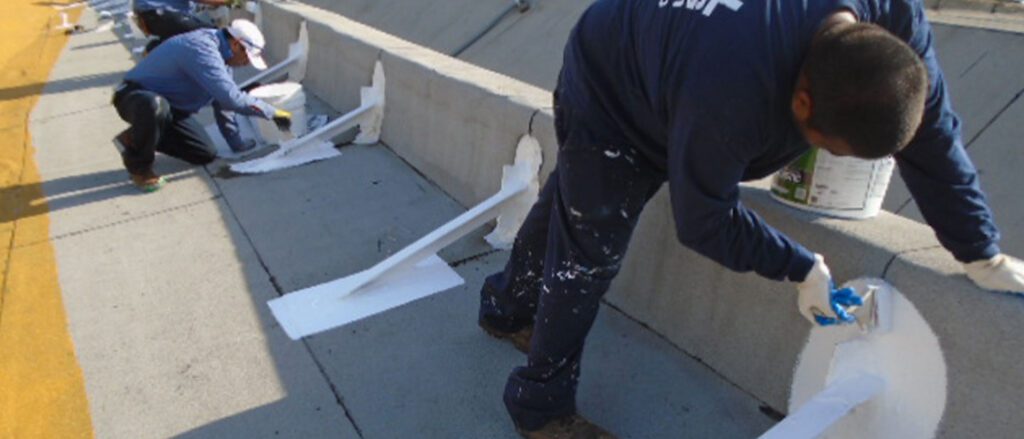
Cool roofs aren’t just light-colored. They’re engineered with specific reflective properties that meet measurable standards. Two numbers matter: solar reflectance and thermal emittance.
Solar reflectance measures how much sunlight bounces off your roof instead of getting absorbed. A traditional dark asphalt shingle reflects about 22% of sunlight. A quality cool roof material reflects 60% to 90%. That difference translates directly to how much heat transfers into your attic and living space.
Thermal emittance measures how efficiently your roof releases the heat it does absorb. High emittance means heat dissipates quickly instead of soaking into your home’s structure. Together, these properties create the Solar Reflectance Index that California building codes reference.
The Cool Roof Rating Council maintains a database of tested products with verified performance ratings. That’s your starting point for Title 24 compliance. Products listed there have been weathered outdoors for three years to show real-world performance, not just new-product numbers that fade after the first season.
Here’s what homeowners often miss: cool roof technology now comes in dark colors. Military research led to pigments that reflect invisible near-infrared radiation while maintaining deep aesthetic colors. You’re not stuck with white roofs anymore. Forest green, brown, even “cool black” options exist that meet code requirements without compromising your home’s appearance.
The performance difference shows up immediately. Studies in California’s Central Valley—where summer heat rivals Southern California—measured 26% cooling energy savings with cool tile roofs compared to standard dark asphalt. That’s not theoretical. It’s measured consumption over a full year of actual use.
California Title 24 Requirements You Need to Know
Title 24 isn’t optional. It’s California’s building energy efficiency standard, and it applies to most roof replacements. If you’re replacing more than 2,000 square feet or 50% of your roof area, you’re subject to these requirements.
The specific Solar Reflectance Index requirement varies by climate zone. California has 16 different climate zones, and Orange County and Los Angeles County span multiple zones. Commercial low-slope buildings in most of Southern California now need an SRI of 75 to 85. Residential steep-slope requirements differ but still mandate cool roof compliance in several climate zones.
Here’s the part that catches homeowners off guard: not meeting these requirements doesn’t just delay your project. It can void your permit, trigger fines, and prevent you from legally occupying your home as completed work. Some municipalities won’t issue a certificate of occupancy until the roof passes inspection.
The enforcement is real. Inspectors are trained to verify compliance, and they’re checking. Contractors who don’t understand the code—or who cut corners to save on material costs—leave you holding the bag when inspection fails.
Getting it right means working with contractors who verify compliance before installation, not after. That includes checking the Cool Roof Rating Council database, confirming your specific climate zone requirements, and documenting everything for the permit process. It also means understanding that “cool roof” isn’t just a marketing term—it’s a specific technical standard your roof must meet.
The good news? Compliant materials are widely available now. The bad news? Not every contractor stays current on code changes or bothers to verify before they start tearing off your old roof. Ask direct questions about Title 24 compliance during your contractor interviews. If they can’t explain your climate zone requirements and show you how their proposed materials meet them, that’s your signal to keep looking.
Top 10 Energy-Efficient Roof Replacement Materials for 2026
Not all energy-efficient materials perform equally in Southern California’s climate. UV intensity here ages roofs faster than almost anywhere else in the country. Temperature swings stress materials. Occasional Santa Ana winds test wind resistance. And wildfire risk makes fire ratings non-negotiable for many homeowners.
These 10 materials represent the best options for Orange County and Los Angeles County in 2026, balancing energy performance, durability, cost, and real-world results. Each offers specific advantages depending on your priorities, budget, and home design.
Metal Roofing: The Long-Term Energy Efficiency Champion
Metal roofing dominates energy efficiency discussions for good reason. It reflects 60% to 90% of solar radiation depending on color and coating. That reflectivity can cut cooling costs by 10% to 40% in California’s climate. More importantly, metal’s low thermal mass means it doesn’t store heat. It heats up fast in direct sun, but it cools down just as quickly when the sun moves or clouds appear.
The lifespan sets metal apart from every other option. Quality metal roofing lasts 40 to 70 years with minimal maintenance. Compare that to 15 to 20 years for standard asphalt shingles—or even less in California’s intense UV exposure. Over a 50-year period, you’re looking at one metal roof replacement versus three or four asphalt replacements. The math shifts dramatically when you factor in those future replacement costs.
Metal roofing also excels at solar panel compatibility. The material strength supports panel weight easily. Standing seam metal roofs allow solar mounting without penetrating the roof surface, eliminating leak points. If you’re planning solar installation now or in the future, metal roofing eliminates the $3,000 to $6,000 cost of removing and reinstalling panels during roof replacement.
Installation costs run higher upfront—typically $12.50 to $21.50 per square foot in Southern California. But that premium buys you decades of performance, minimal maintenance, and Class A fire resistance that matters in wildfire-prone areas. Many metal roofs also qualify for insurance discounts, offsetting some of the initial investment.
The noise concern comes up frequently. Yes, metal can be louder during heavy rain without proper insulation and underlayment. But modern installation techniques with quality underlayment largely eliminate this issue. It’s worth discussing with your contractor, but it shouldn’t be a dealbreaker if you’re prioritizing long-term value and energy efficiency.
Color choice matters with metal. Light colors and cool-colored finishes with reflective pigments perform best for energy efficiency. Dark metal roofs still outperform dark asphalt, but they don’t maximize the potential savings. Factory-applied coatings with high solar reflectance deliver better, longer-lasting performance than field-applied paint.
Cool Roof Shingles and Sustainable Alternatives
Cool roof shingles bring energy efficiency to traditional asphalt roofing. Manufacturers now surface shingles with specially designed granules that reflect more sunlight than standard options. These “cool colored” shingles can achieve 30% to 60% solar reflectance—not as high as metal, but significantly better than conventional dark shingles.
The performance improvement is measurable. Cool asphalt shingles can reduce cooling energy use by 7% to 15% compared to standard dark shingles. They also help extend shingle life by reducing thermal stress and the expansion-contraction cycles that age asphalt faster. In California’s climate, where UV exposure already shortens shingle lifespan, that matters.
Cool shingles cost slightly more than standard asphalt—typically $80 to $150 more per 100 square feet installed. But they qualify for Title 24 compliance in many California climate zones, and they’re available in a wide range of colors. You’re not sacrificing aesthetics for performance.
Tile roofing offers another energy-efficient path, especially for homes with Mediterranean or Spanish architectural styles common in Southern California. Concrete and clay tiles naturally provide thermal mass that moderates temperature swings. Cool-colored glazes or light terra cotta finishes enhance reflectivity. Tiles also create an air gap between the material and roof deck when installed on battens, adding another layer of heat protection.
Tile durability rivals metal—40 to 70 years for quality clay or concrete tiles. The weight requires proper structural support, and installation costs run higher than asphalt. But in the right application, tiles deliver excellent energy performance and a distinctive aesthetic that can increase property value.
Synthetic roofing materials represent the newest category gaining traction. Composite shingles and polymer-based products mimic the appearance of wood shakes, slate, or traditional shingles while offering superior durability and lower maintenance. Many incorporate reflective pigments for improved energy performance. They’re lighter than tile or slate, easier to install than metal, and more durable than asphalt.
The sustainability angle matters to many California homeowners. Metal roofing is 100% recyclable at end of life. Some composite shingles incorporate recycled rubber or plastic content. Even cool asphalt shingles reduce energy consumption and the associated environmental impact. If environmental responsibility factors into your decision, these materials align with California’s broader sustainability goals while delivering real performance benefits.
Solar-ready roofing deserves special mention. Any roof replacement in 2026 should consider future solar installation. That means choosing materials strong enough to support panel weight, with sufficient remaining lifespan to match solar panel life expectancy (25+ years), and compatible with standard mounting systems. Metal, tile, and quality composite materials all work well. Standard asphalt shingles work too, but only if they’re new and you’re installing solar immediately. Planning for solar later means choosing materials that won’t need replacement before your panels do.
Making the Right Roof Replacement Choice for Your Home
Energy-efficient roofing isn’t one-size-fits-all. Your best choice depends on your home’s design, your budget, your timeline, and your priorities. Metal roofing delivers maximum long-term value if you can handle the upfront cost. Cool shingles offer solid performance at a lower entry price. Tile works beautifully for the right architectural style. Sustainable materials appeal to environmentally conscious homeowners.
What matters most is choosing materials that meet California’s Title 24 requirements, match your climate zone, and align with your long-term plans. If solar installation is in your future, build that into your material selection now. If wildfire protection is a concern, prioritize Class A fire ratings. If you’re planning to sell within five to ten years, consider which materials offer the best resale value in your specific market.
The contractor you choose matters as much as the material. Energy-efficient roofing requires proper installation, verified compliance, and attention to details like ventilation and underlayment that maximize performance. We’ve been helping Orange County and Los Angeles County homeowners navigate these decisions since 1982, with the expertise to ensure your roof meets code, performs as expected, and protects your investment for decades to come.