
Summary:
Your roof protects everything inside your home. When it fails, you’re not just dealing with leaks—you’re facing potential structural damage, mold, ruined belongings, and repair bills that climb fast. Choosing the right residential roofing contractor matters more than most homeowners realize. In Orange County and Los Angeles County, where roofing scams spike after every storm and unlicensed operators blend in with legitimate pros, knowing what to verify before you sign anything isn’t optional. It’s essential. This guide gives you exactly that: the non-negotiables, the red flags, and the questions that separate real roofing contractors from the ones who’ll cost you more than money.
What Makes a Residential Roofing Contractor Legitimate in California
California doesn’t let just anyone climb on your roof and call it a business. If someone’s charging you more than $500 for roofing work—which covers basically any job beyond minor repairs—they need a C-39 roofing contractor license issued by the California Contractors State License Board.
Not a general contractor license. Not a business license. A C-39. That license means they’ve proven at least four years of hands-on roofing experience and passed a state exam testing their knowledge of materials, installation methods, and building codes. It’s not a rubber stamp, and it’s not transferable from another state.
California’s requirements exist because roofing isn’t forgiving. Mistakes cost homeowners thousands in water damage, voided warranties, and structural problems that don’t show up until years later. Unlicensed contractors can’t pull permits, can’t offer manufacturer warranties, and if something goes wrong, you’re stuck with the bill and no recourse.
Why C-39 Licensing Protects You Beyond Just Credentials
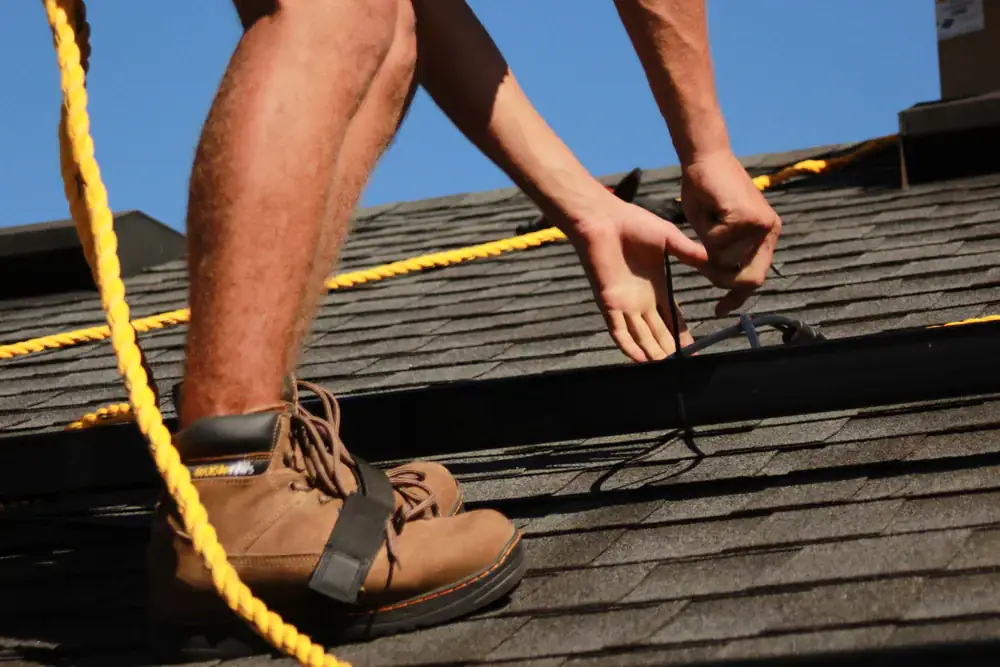
Hiring an unlicensed roofing contractor in California isn’t just risky—it’s illegal for them, and it leaves you completely exposed. No permits. No warranties. No insurance protection. And if they damage your property or someone gets hurt on the job, you’re liable.
Let’s say you hire someone without a license because their bid came in lower than everyone else’s. They start the work, and halfway through, they stop showing up. You call. No answer. You drive by their “office.” It’s a PO box. You’re now stuck with a half-finished roof, no way to recover your deposit, and no legal recourse because the contract you signed was never enforceable in the first place.
Or maybe they finish the job. It looks fine. Then six months later, your ceiling starts leaking. You call a licensed contractor to inspect it. They find missing flashing, improper ventilation, and shingles installed backwards. The repair costs more than the original job. Your homeowner’s insurance won’t cover it because the work wasn’t permitted. And the manufacturer’s warranty on your shingles? Void, because they weren’t installed by a certified contractor.
Checking a license takes two minutes on the CSLB website. Every licensed roofing contractor in California has a seven-digit license number. Ask for it. Verify it. Make sure it’s active, not suspended, and that the bond and workers’ compensation insurance are current. Any contractor who hesitates to give you their license number is telling you something important.
The difference between a licensed residential roofing contractor and an unlicensed one isn’t always obvious from a business card or a friendly pitch. It’s in the details most homeowners never think to check until it’s too late. In Orange County and Los Angeles County, knowing what to verify before you sign anything protects your home, your wallet, and your legal standing.
Insurance That Actually Protects You—Not Just the Contractor
A license proves competence. Insurance proves accountability. And in California’s roofing industry, the two aren’t interchangeable. You need both.
Every legitimate residential roofing contractor carries two types of insurance: general liability and workers’ compensation. General liability covers property damage. If a crew member drops a tool through your skylight or damages your landscaping, that policy pays for it. Workers’ compensation covers injuries. If someone falls off your roof, that policy covers their medical bills and lost wages—so you don’t have to.
Without workers’ comp, you become liable. California law is clear on this. If an uninsured worker gets hurt on your property, you can be held responsible for their medical expenses, rehabilitation, and even long-term disability payments. Roofing consistently ranks among the most dangerous occupations in the United States. Workers face fall hazards, extreme weather exposure, and equipment-related injuries every day. In Orange County and Los Angeles County, where summer temperatures regularly push into the 90s and beyond, heat-related incidents spike. Workers’ comp exists because these risks are real and frequent.
Ask for a certificate of insurance directly from the insurance provider. Don’t accept a photocopy of a certificate. Call the insurance company listed on the document and verify the policy is active and covers the dates of your project. Scammers know homeowners rarely take this step, so they’ll hand you expired or fake certificates hoping you won’t check.
Professional roofing contractors expect these questions. We have our insurance information organized and readily available. If a contractor acts defensive or annoyed when you ask for proof of insurance, that’s a signal they’re either underinsured or uninsured. In California’s litigious environment, insurance isn’t optional. It’s the baseline for doing business responsibly.
Homeowners in Orange County and Los Angeles County face enough risks from wildfires, earthquakes, and severe weather. The last thing you need is a roofing contractor who adds to that risk by skipping coverage.
How to Spot Roofing Scams Before They Cost You Thousands
Roofing scams aren’t always obvious. The people running them know how to sound professional, look legitimate, and pressure you into decisions before you have time to think. After storms, they flood neighborhoods offering free inspections and claiming they’re working on another house down the street. They quote prices that seem too good to pass up. They ask for large deposits upfront. And then they disappear.
Storm chasers are contractors who follow severe weather events, offering roof repair services to affected homeowners. While some are legitimate, many exploit homeowners’ urgency and lack of knowledge. They pressure you into quick decisions, provide subpar work, and leave you with more problems down the line. If someone knocks on your door after a storm, don’t sign anything on the spot. Get their license number, verify it, and get multiple bids.
Large upfront payments are another red flag. In California, it’s illegal for a contractor to ask for more than 10% of the total cost or $1,000, whichever is less, as a deposit. If someone’s asking for 50% or more before they start, that’s not standard practice—it’s a warning sign. Legitimate roofing contractors understand payment should be tied to project milestones and material delivery.
Red Flags That Separate Professionals from Scammers
Some contractors exaggerate minor issues or fabricate problems to inflate the repair bill. This scam is particularly effective on homeowners who lack experience with roofing systems. If a contractor suggests extensive repairs or replacement, get a second opinion from another roofing expert. Ask for photos or videos of the damage and explanations of why repairs are necessary.
Watch out for contractors who avoid answering questions directly, give unclear answers, or are unwilling to provide detailed written estimates and contracts. Everything needs to be in writing. Everything. The contract is your protection against misunderstandings, cost overruns, and contractors who disappear mid-project. A handshake and a verbal agreement mean nothing when your roof starts leaking three months after the job.
You should be able to easily find information online about your roofing contractor, such as reviews from other homeowners and the company’s location. Check if other homeowners have filed complaints against them. The Better Business Bureau maintains records of complaints and resolutions. A company with an A+ BBB rating has demonstrated consistent quality and customer service over time.
If a roofer wants you to sign over an insurance check or offers to pay your insurance deductible, they might be trying to commit insurance fraud. Even if a roofer says they’ll charge you less for the project, it’s not a deal worth taking. They could take larger payments from the insurance companies and pocket the extra funds, which is insurance fraud. Your first call after a storm should be to file an insurance claim with your insurance company. An adjuster will inspect the damage and tell you what they will cover. Then you can find a local residential roofing contractor to do the job.
Any contractor who gives you a roofing estimate that’s much lower than other contractors is most likely too good to be true. Usually, a contractor who bids very low at the start raises the price as the project goes on. It’s wise to get at least three bids on your roofing project to compare prices, and you should talk with each roofer to find out what they plan to fix or replace.

What a Real Contract Should Include Before You Sign
A comprehensive contract should include detailed scope of work, exact material specifications, project timeline, payment schedule, warranty information, permit responsibilities, cleanup procedures, and procedures for handling changes or unexpected issues. Before you sign, make sure you understand every line.
The scope of work should spell out exactly what’s being done. Not “roof replacement” but “remove existing composition shingles, inspect and repair decking as needed, install GAF Timberline HDZ shingles in Weathered Wood, install new ridge vent, replace all pipe flashings, clean up and haul away all debris.” That level of detail protects you from contractors who cut corners or substitute cheaper materials.
Material specifications matter because not all shingles, tiles, or underlayment are created equal. If you’re quoted for 30-year architectural shingles, that should be in the contract with the brand and product line specified. If the crew shows up with 20-year three-tab shingles instead, you have written proof that’s not what you agreed to.
The payment schedule should never ask for full payment upfront. Standard practice is a small deposit (10-15%), a payment when materials are delivered, a payment at the halfway point, and final payment when the job is complete and you’ve inspected the work. This protects both parties. You’re not out thousands of dollars if the contractor disappears, and they’re not funding your entire project out of pocket.
Warranty information should cover both the materials and the workmanship. Manufacturer warranties on shingles typically range from 25 to 50 years, but they’re only valid if the product is installed by a certified contractor. Workmanship warranties cover the installation itself—usually 5 to 10 years—and guarantee that if something fails due to improper installation, the contractor will fix it at no cost to you.
Permit responsibilities should be clear. In most cities in Orange County and Los Angeles County, permits are required for roof replacements and major repairs. The contractor should handle obtaining permits, scheduling inspections, and ensuring the work meets local building codes. If they suggest skipping permits to save money, that’s a red flag. Unpermitted work can affect your home’s resale value, void your insurance, and leave you liable for code violations.
Choosing the Right Residential Roofing Contractor for Your Home
Your roof is one of the most expensive components of your home. Getting it right the first time matters. That means hiring a licensed residential roofing contractor who carries proper insurance, provides detailed contracts, and stands behind their work with real warranties—not just promises.
In Orange County and Los Angeles County, where the roofing market is flooded with both professionals and scammers, doing your homework protects you. Verify the C-39 license. Confirm the insurance. Check the BBB rating. Read the contract carefully. Get multiple bids. And trust your instincts. If something feels off, it probably is.
The right contractor won’t pressure you into quick decisions, won’t ask for large upfront payments, and won’t hesitate to provide proof of licensing and insurance. They’ll answer your questions, explain the process, and treat your home like it’s their own. That’s the standard you should expect, and it’s what we’ve delivered to Orange County and Los Angeles County homeowners for nearly 50 years at Royal Roofing Company.