State Licensed “SINCE 1982”

CSLB C-39 #432352

Full Workers Comp. & $2M Liability Insurance
OUR EMPLOYEE ROOFERS ARE FACTORY CERTIFIED
*Serving most of Southern California*
State Licensed “SINCE 1982” CSLB C-39 #432352
Full Workers Comp. & $2M Liability Insurance
OUR EMPLOYEE ROOFERS ARE FACTORY CERTIFIED.

*Serving most of Southern California*

Commercial Roofing Contractor in Bell, CA

Your Roof Protects Everything Below It

When your commercial roof fails, your business stops. We keep Bell, CA properties protected with factory-certified installations and decades of proven work.
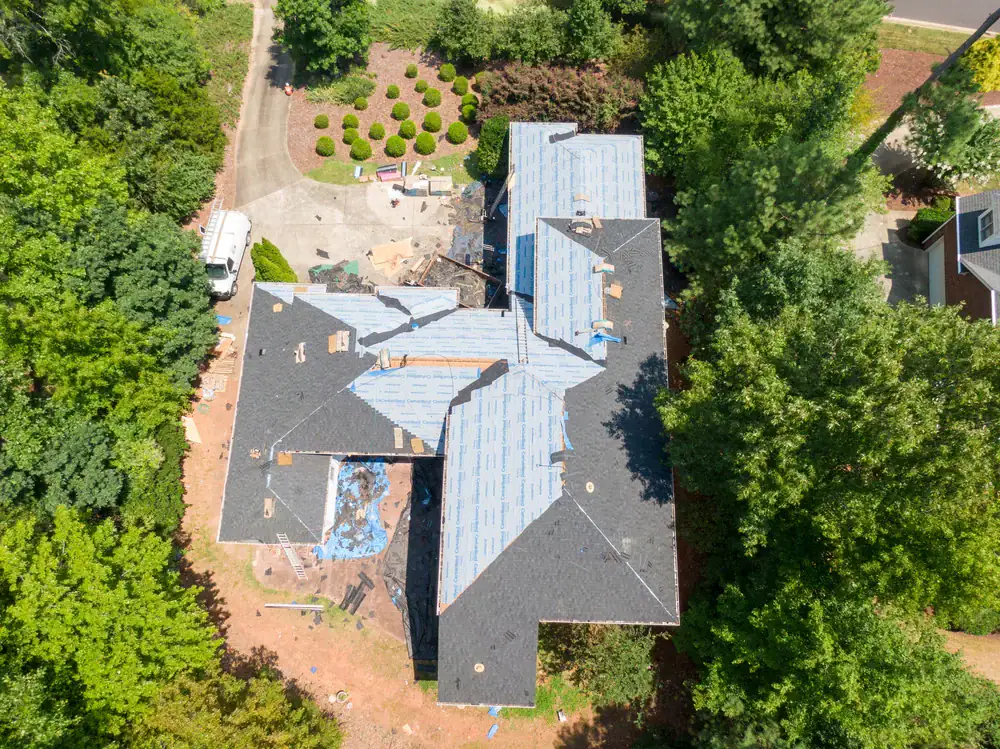
Aerial view of a residential roof undergoing commercial roofing repairs in Acton, California.
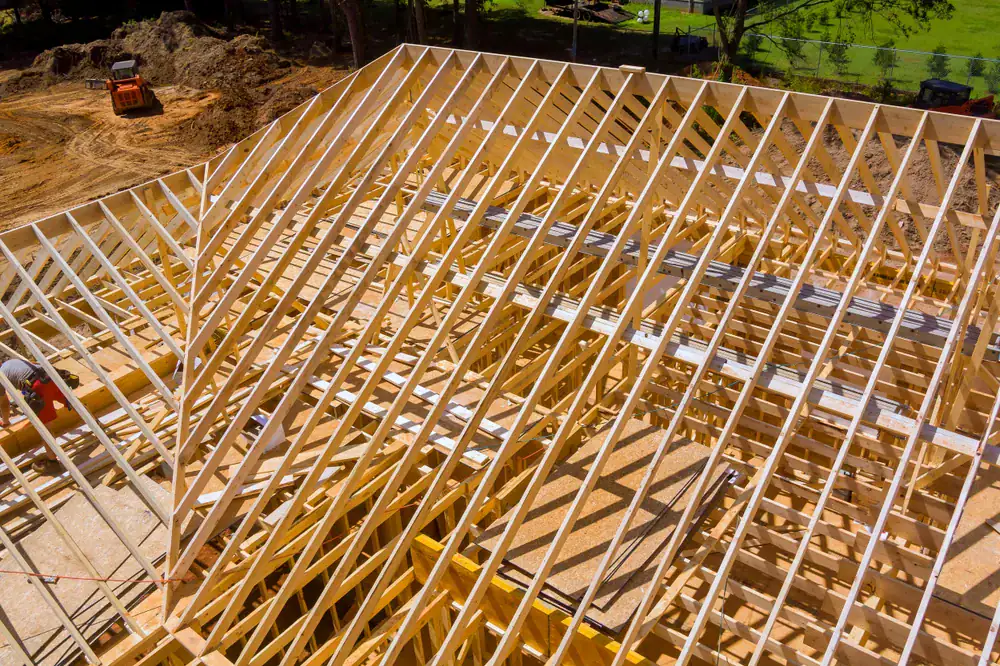
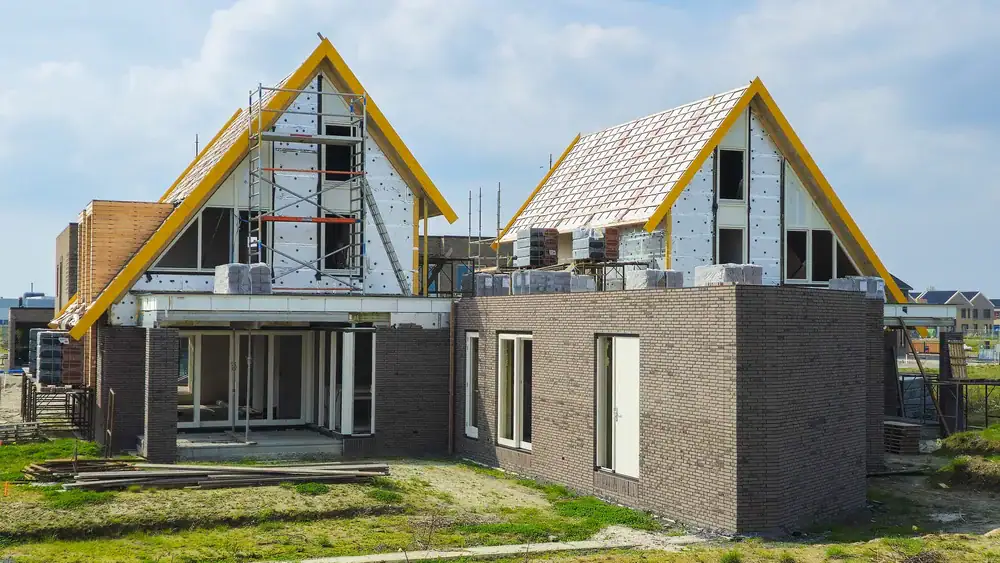
Roof framing under construction in Acton, CA for a commercial building.

Commercial Roof Systems in Bell, CA

What You Get When Your Roof Works Right

Your cooling costs drop. That’s the first thing most property managers notice after a Title 24-compliant cool roof installation—energy bills can fall 20-30% when your roof reflects heat instead of absorbing it.

Your insurance claims go smoother. When storm damage hits, you need documentation that adjusters actually accept. Photo-documented workmanship from a C-39 licensed contractor makes that process faster and cleaner.

Your tenants stop complaining about leaks. Your maintenance calls decrease. Your property value holds. A properly installed flat roof system—whether TPO, PVC, or EPDM—gives you 15-25 years of protection when it’s done right the first time.

You’re not dealing with emergency repairs every rainy season. You’re not scrambling to find someone who can actually fix the problem. You’re running your business while your roof does its job quietly in the background.

Roofing Contractor Serving Bell, CA

Nearly 50 Years in Los Angeles County

We’ve been working on commercial properties across Bell and greater Los Angeles County since the 1970s. Same family. Same commitment to doing the work right.

Our crews aren’t subcontractors who disappear after the job. Many have been with us for decades. That continuity matters when you’re trusting someone with a six-figure roof replacement or navigating a complex insurance claim.

Bell’s dense commercial landscape—over 12,000 people per square mile—means your roof needs to perform in a high-stakes environment. We understand the local building codes, the Title 24 requirements that vary by climate zone, and what it takes to keep businesses operational during installation. Factory certifications and BBB accreditation back up what we say, but it’s the work itself that speaks loudest.

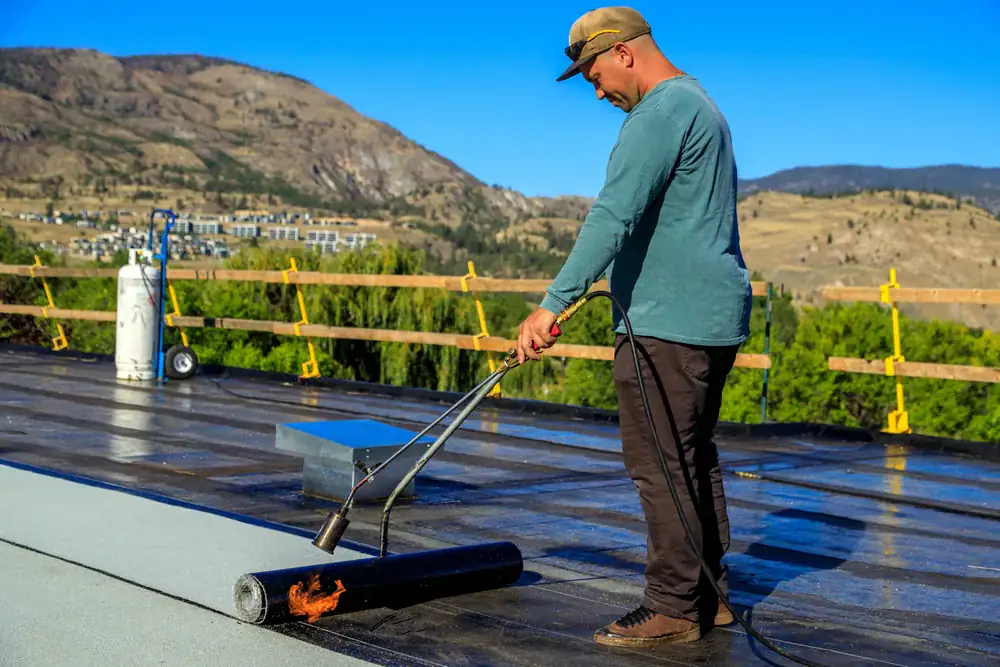
Professional roofing contractor applying roofing membrane on commercial roof in Acton, CA.

Commercial Roofing Process in Bell, CA

How a Commercial Roof Project Actually Happens

It starts with an inspection. Not a sales pitch—an actual assessment of what’s happening on your roof. We document current conditions with photos, identify problem areas, and explain what you’re looking at in plain terms.

If it’s an insurance claim, we coordinate directly with your adjuster. We provide the documentation they need: scope of damage, material requirements, labor estimates. This eliminates the back-and-forth that usually drags these projects out for months.

Once we’re moving forward, we schedule around your business operations. Most commercial roof maintenance and repairs happen during off-hours or in phases that keep your building functional. For full replacements, we section off areas to minimize disruption.

The installation itself follows manufacturer specifications exactly. That’s not just about quality—it’s about protecting your warranty. Factory-certified installations mean the manufacturer stands behind both the materials and our work. We’re installing TPO and PVC single-ply systems, hot mop applications for complex details, and spray polyurethane foam where it makes sense for your building type.

You get final documentation: photos of completed work, warranty information, maintenance recommendations. Then we’re available when you need us, whether that’s annual inspections or emergency repairs five years down the line.

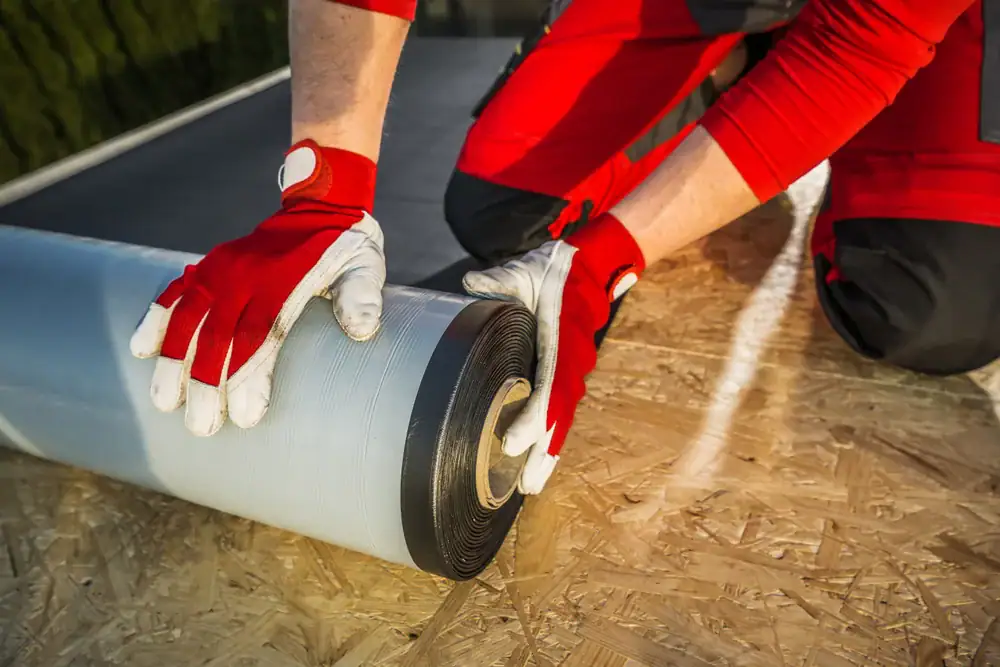
Roofing membrane installation for commercial building in Acton, CA.

Explore More Services

About Royal Roofing Company

Industrial Roofing Solutions in Bell, CA

What's Included in Commercial Roofing Service

Commercial roof maintenance keeps small problems from becoming expensive emergencies. Regular inspections catch ponding water, membrane deterioration, and flashing failures before they leak into your building. In Bell’s climate, where temperature swings stress roofing materials year-round, preventive maintenance extends roof life by years.

Flat roof systems dominate commercial buildings here, and each material serves different needs. TPO roofing offers strong heat reflection and welded seams that hold up in high-traffic areas. PVC roofing resists chemicals and grease, making it ideal for restaurant and industrial properties. EPDM rubber roofing costs less upfront and works well for straightforward applications.

Title 24 cool roof restoration isn’t optional—it’s California law for most commercial roof replacements. Cool roof coatings and membranes must meet specific solar reflectance standards based on your building’s slope and climate zone. We handle the compliance documentation so your project passes inspection the first time.

Industrial roofing solutions for warehouses and manufacturing facilities require different approaches than office buildings. Heavier equipment loads, penetrations for HVAC and exhaust systems, and higher traffic demand reinforced membranes and strategic drainage design. Our hot mop system expertise handles these complex details that most roofers avoid.

New commercial roofing installation on modern buildings in Acton, CA.

How long does a commercial roof replacement take in Bell, CA?

Most commercial roof replacements take one to three weeks, depending on building size and roof complexity. A 10,000 square foot flat roof with straightforward access typically takes 5-7 working days in good weather.

Larger projects or buildings with multiple levels, significant HVAC equipment, or complex drainage systems take longer. We phase the work to keep your business operational—completing sections so you’re never fully exposed.

Weather delays happen. We don’t install TPO or PVC roofing in rain or when temperatures drop below manufacturer minimums. Rushing installation to meet a deadline compromises your warranty and roof performance. We give you realistic timelines upfront, then communicate any changes immediately.

Both are single-ply membranes that perform well on flat and low-slope roofs, but they’re not interchangeable. TPO costs less and offers excellent UV resistance and heat reflection. It’s the most popular choice nationally, holding 37% of the commercial roofing market.

PVC roofing costs 10-20% more but resists chemicals, grease, and punctures better than TPO. If your building houses a restaurant, manufacturing operation, or any business with rooftop exhaust that deposits oils or chemicals, PVC is worth the premium.

Both meet Title 24 cool roof requirements when installed correctly. Both use heat-welded seams that create watertight bonds stronger than the membrane itself. The choice comes down to your building’s specific exposures and your budget. We walk you through the tradeoffs during inspection so you’re making an informed decision, not just picking based on price.

Yes, if you’re replacing more than 50% of your roof area or adding more than 2,000 square feet to your building. California’s Title 24 energy code requires cool roofs on most commercial buildings to reduce energy consumption statewide.

Cool roofs must meet minimum solar reflectance and thermal emittance values that vary by roof slope and climate zone. Bell falls under Climate Zone 9, which has specific requirements for both steep-slope and low-slope applications. The membrane or coating we install must be rated and labeled to meet these standards.

Compliance isn’t optional—it’s verified during building inspection. We handle the documentation and product selection so your project passes without delays. The energy savings are real: properly installed cool roofs can reduce cooling costs by 20-30% compared to traditional dark membranes. That payback continues for the life of your roof.

Commercial roof maintenance typically costs $0.15 to $0.30 per square foot annually, depending on roof size and condition. A 10,000 square foot roof runs $1,500 to $3,000 per year for comprehensive maintenance—far less than emergency repairs or premature replacement.

Maintenance includes scheduled inspections, typically twice yearly after winter rains and before summer heat. We check drainage, clean debris, inspect seams and flashing, and identify any developing problems. Minor repairs—resealing penetrations, patching small membrane damage—happen during these visits before they become leaks.

You get documentation after each visit: photos of current conditions, completed repairs, and recommendations for any larger issues that need attention. This record protects your warranty and gives you a clear picture of your roof’s remaining lifespan. Property managers appreciate having this information for budgeting and when dealing with insurance claims or property sales.

Yes. Insurance claim work is a significant part of what we do, and we’ve learned what adjusters need to approve claims quickly. It starts with thorough documentation: photos of all damage, measurements, material identification, and a detailed scope of necessary repairs.

We provide estimates that match insurance industry standards—line items, material costs, labor rates that adjusters recognize as reasonable. This eliminates the common problem where contractors submit inflated estimates that get rejected, delaying your repairs for months.

We communicate directly with your adjuster when needed, answer their questions, and provide supplemental documentation if they request it. Our C-39 license and factory certifications carry weight with insurance companies—they know we’re qualified to assess damage and perform repairs correctly. Most claims we’re involved with get approved faster and with fewer disputes than property owners experience handling it themselves.

TPO and PVC roofing last 15-25 years when properly installed and maintained. California’s intense UV exposure and temperature swings stress roofing membranes more than moderate climates, but modern single-ply systems are engineered for these conditions. Regular maintenance pushes lifespan toward the upper end of that range.

EPDM rubber roofing lasts 20-25 years, sometimes longer. It’s more forgiving of installation errors than TPO or PVC, but the seams are glued rather than heat-welded, which can be a weak point over time.

Built-up roofing and modified bitumen systems last 15-20 years. Hot mop applications create excellent waterproofing for complex details and transitions, but these systems require more maintenance than single-ply membranes.

The biggest factor isn’t the material—it’s installation quality and ongoing maintenance. A premium membrane installed poorly fails faster than a mid-grade product installed correctly. Ponding water, clogged drains, and neglected minor damage cut years off any roof’s lifespan. That’s why we emphasize both factory-certified installation and regular maintenance programs.

Other Services we provide in Bell