Appointments Available
Phone Support 24/7
Bell Gardens, CA 90201
*Serving most of Southern California*
Appointments Available
Phone Support 24/7
Bell Gardens, CA 90201
You’re not calling us because everything’s going great. You’re here because your current roof is costing you money, time, or sleep. Maybe it’s an aging system that’s failing faster than expected, or you’re dealing with leaks that disrupt operations. Maybe your energy bills keep climbing because your roof can’t handle Buena Park’s heat, or you’re stuck in regulatory confusion trying to figure out Title 24 cool roof requirements.
Here’s what changes when your commercial roof is done right. Your HVAC costs drop because TPO or PVC roofing reflects up to 80% of solar radiation instead of absorbing it. Your insurance premiums stabilize because you’ve got proper documentation and a system that meets California’s Class A fire rating standards. Your maintenance becomes predictable instead of reactive, with scheduled inspections catching small issues before they become expensive emergencies.
You stop worrying about whether your roof will hold up during the next storm. You stop scrambling to find a contractor who actually answers the phone when something goes wrong. You get back to running your business, knowing the building protecting it is handled by people who’ve been doing this since before most of your competitors existed.
We’ve held a C-39 specialty roofing license in California for over 40 years. That’s not marketing language—that’s verifiable, state-recognized expertise in commercial roofing systems and regulatory compliance. We’re a family-owned business, and most of our installation crews have been with us for decades, which means the people on your roof aren’t learning on your dime.
Buena Park’s commercial landscape runs from retail centers near Knott’s to industrial facilities along the La Palma corridor. We’ve worked on office buildings, warehouses, multi-tenant properties, and manufacturing plants throughout Los Angeles County. We understand the local building codes, the climate demands, and what it takes to keep a commercial roof functional in this market.
Our BBB A+ rating isn’t accidental. It’s the result of showing up when we say we will, doing what we promise, and staying reachable long after the invoice is paid. You’re not getting a crew that disappears after installation—you’re getting a contractor with deep roots in this community and a reputation we’ve spent four decades building.
We start with an inspection that actually tells you something useful. Not a sales pitch disguised as an assessment—a real evaluation using thermal imaging and moisture detection to find problems you can’t see from the ground. We document everything with photos because that’s what insurance adjusters need and what you deserve as a property owner.
If you need a new roof, we walk you through your options. TPO and PVC systems are common in Buena Park because they meet Title 24 cool roof requirements and handle the heat without breaking down. We’re factory-certified in these systems, which means your installation comes with manufacturer-backed warranties, not just our word. We pull the permits, coordinate inspections, and handle the regulatory paperwork so you don’t have to figure out California’s building codes on your own.
Installation is scheduled around your business operations. We’re not shutting down your facility for three weeks—we stage the work to minimize disruption. Our crews have been doing this long enough to know how to work efficiently without cutting corners.
After installation, you’re not on your own. We offer maintenance programs that use data-driven scheduling—thermal imaging and moisture sensors that catch issues early. You get predictive maintenance instead of emergency repairs, which means lower costs and longer roof lifespan. When something does need attention, you call the same number and talk to people who already know your building.
Commercial roofing in Buena Park typically runs $5 to $12 per square foot depending on the system type and your building’s specific needs. That range exists because not every roof is the same—your facility’s size, current condition, and performance requirements all factor into the scope of work.
You’re getting TPO or PVC membrane systems that meet California’s Title 24 energy efficiency standards. These aren’t just cool roofs on paper—they’re engineered to reflect solar radiation and reduce your cooling costs by 20 to 30 percent in warm climates like ours. That’s measurable savings, not theoretical benefits. We install Class A fire-rated systems because California requires it in fire-prone areas, and Buena Park’s proximity to dry conditions makes this non-negotiable.
Every installation includes proper flashing, drainage solutions to prevent ponding water, and seam integrity that holds up under thermal expansion. We’re handling the permit applications, coordinating with city inspectors, and ensuring your roof complies with local building codes. You get photo-documented workmanship throughout the project—the kind of documentation that insurance adjusters recognize and approve when you file claims.
If you’re managing an HOA, office building, or industrial facility, you’re also getting a contractor who understands the stakes. A roof failure doesn’t just cost money—it disrupts operations, damages inventory, and creates liability. We’ve been doing this long enough to know that your roof isn’t just a building component. It’s a critical piece of infrastructure that needs to work every single day.
Most commercial property managers wait too long because they’re not sure what they’re looking at. Here’s what actually matters: if your roof is over 20 years old and you’re seeing multiple leaks, ponding water that doesn’t drain within 48 hours, or visible membrane damage, you’re likely past the point where repairs make financial sense.
We use thermal imaging during inspections to find moisture trapped in your roof system. That’s the hidden damage that turns a repair job into a replacement project six months later. If more than 25 percent of your roof surface shows moisture intrusion or membrane degradation, replacement is usually more cost-effective than patching.
The other factor is energy performance. If your cooling costs have climbed significantly and your roof is an older system without reflective properties, you’re losing money every month. A new TPO or PVC roof that meets Title 24 cool roof standards pays for itself over time through reduced HVAC expenses. We’ll walk you through the actual numbers during your inspection so you can make an informed decision based on your building’s condition and your budget, not a sales pitch.
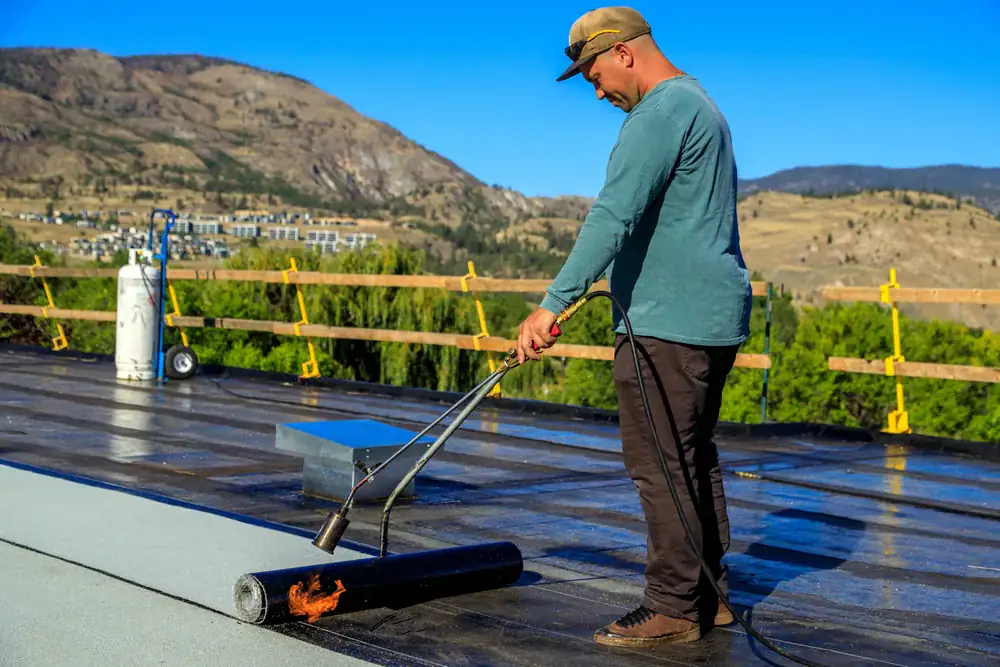
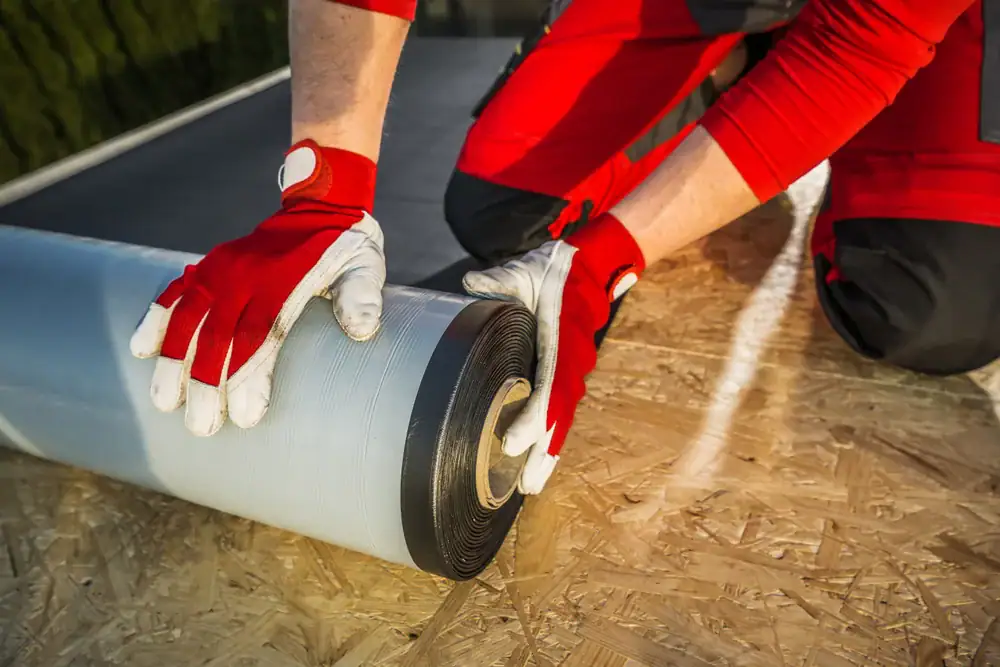
Both TPO and PVC are single-ply membrane systems that meet California’s cool roof requirements, but they’re not identical. TPO is more affordable and has become the most common commercial roofing material in the US, holding about 37 percent of the market. It’s heat-welded at the seams, highly reflective, and performs well in Buena Park’s climate.
PVC costs more upfront but offers better chemical resistance and longer lifespan in environments with heavy grease, oils, or industrial exposure. If you’re managing a restaurant, manufacturing facility, or any building with rooftop HVAC equipment that might leak, PVC handles those conditions better than TPO. It’s also more flexible in cold weather, though that’s less relevant in Southern California.
The real decision comes down to your building’s specific conditions and your budget. TPO gives you excellent energy efficiency and durability at a lower cost. PVC gives you enhanced chemical resistance and potentially longer service life if your building demands it. We’re factory-certified in both systems, so we’re not pushing one over the other—we install what makes sense for your property. During your consultation, we’ll look at your building’s use, existing conditions, and long-term goals to recommend the system that actually fits your needs.
Yes, and it’s not optional if you’re doing a commercial reroof or major alteration in California. Title 24 energy standards require cool roofs on most commercial buildings, and the updated requirements that took effect January 1, 2026 tightened those standards even further. If you’re pulling permits for roofing work in Buena Park, your new roof needs to meet minimum solar reflectance and thermal emittance values.
Here’s why this matters beyond just code compliance: cool roofs reduce your building’s heat absorption, which directly lowers your HVAC costs. In Buena Park’s climate, where summer temperatures regularly hit the 80s and 90s, a reflective roof can cut your cooling expenses by 20 to 30 percent. That’s real money back in your operating budget every month.
The other reason to care is resale value and insurance. Buildings that don’t meet current energy codes are harder to sell and may face higher insurance premiums. We handle the Title 24 compliance documentation as part of every commercial roof installation, including the required forms and testing. You don’t need to become an expert in California energy regulations—you just need a contractor who already is. We make sure your roof meets the standards, passes inspection, and delivers the energy savings you’re paying for.
Most commercial roof installations take one to three weeks depending on your building’s size, the existing roof condition, and weather. A 10,000 square foot flat roof with straightforward access and no major structural issues typically takes about a week. Larger facilities, complex layouts, or buildings that need decking repairs will take longer.
We stage the work to minimize disruption to your business operations. That means coordinating with your schedule, protecting sensitive areas, and working in sections so your entire facility isn’t exposed at once. If you’re running a warehouse, retail space, or office building that can’t shut down for two weeks, we plan the project around your operational needs.
Weather is the variable we can’t control. California’s climate is generally favorable for roofing work, but we don’t install membranes in rain or extreme heat that affects adhesive performance. We’ll give you a realistic timeline during your consultation and keep you updated if conditions change. The goal isn’t to rush through your roof—it’s to do it right the first time so you’re not dealing with callbacks and repairs six months later. You’ll know exactly what to expect before we start, and we’ll communicate throughout the project so you’re never guessing where things stand.
Start with the C-39 license. In California, that’s the specialty contractor license specifically for roofing work, and it’s required by law. If a contractor can’t show you their current C-39 license number, walk away. You can verify any license through the California Contractors State License Board website in about 30 seconds.
Next, check their insurance and bonding. Commercial roofing involves significant liability—workers on your roof, equipment on your property, potential damage to your building. You need a contractor with general liability insurance and workers’ compensation coverage. Ask for certificates of insurance and verify they’re current. If something goes wrong and your contractor isn’t properly insured, you’re the one dealing with the financial consequences.
Factory certifications matter because they determine your warranty coverage. Manufacturers like GAF, Firestone, and Carlisle only certify contractors who meet their installation standards and training requirements. If your contractor is factory-certified, you get manufacturer-backed warranties that cover materials and installation. If they’re not certified, you’re relying solely on the contractor’s workmanship warranty, which is only as good as their ability to stay in business. Look for contractors with a track record in your area—not just years in business, but verifiable local projects and references you can check. A BBB rating, online reviews, and actual completed projects in Buena Park or nearby cities tell you more than a slick website ever will.
Commercial roof maintenance typically costs $0.15 to $0.30 per square foot annually, which means a 10,000 square foot roof runs about $1,500 to $3,000 per year for a professional maintenance program. That includes scheduled inspections, minor repairs, drain cleaning, and documentation that keeps your warranty valid.
Here’s the math that matters: emergency roof repairs cost significantly more than preventive maintenance. A small leak that gets caught during a routine inspection might cost $500 to fix. That same leak, left undetected for six months, can cause interior damage, inventory loss, and structural issues that run into tens of thousands of dollars. Maintenance programs use thermal imaging and moisture detection to find problems before they become visible, which means you’re fixing issues when they’re still cheap.
The other benefit is roof lifespan. A commercial roof that gets regular maintenance lasts 25 to 30 years. The same roof without maintenance fails in 15 to 20 years. You’re not just avoiding emergency repairs—you’re extending the life of a major capital investment. Most manufacturer warranties require documented annual inspections to remain valid, so skipping maintenance doesn’t just risk damage, it voids your coverage. We offer maintenance programs with predictive scheduling based on your roof’s actual condition, not arbitrary calendar dates. You get inspections when your roof needs them, documentation for your records and insurance, and a contractor who already knows your building when something does need attention.
Other Services we provide in Buena Park