Appointments Available
Phone Support 24/7
Bell Gardens, CA 90201
*Serving most of Southern California*
Appointments Available
Phone Support 24/7
Bell Gardens, CA 90201
You’re managing a building, not babysitting a roof. When your commercial roof actually works the way it should, you’re not fielding calls about leaks during the next rainstorm. You’re not scrambling to move equipment or apologize to tenants.
A properly installed and maintained flat roof system means your insurance premiums stay reasonable. Your Title 24 compliance is documented and defensible. Your cooling costs drop because the roof is doing its job.
That’s what happens when the work is done right the first time. TPO and PVC roofing systems that meet California’s cool roof standards without needing special formulations. Maintenance programs that catch small problems before they become expensive emergencies. Photo documentation that makes insurance claims straightforward instead of a six-month battle with adjusters.
Your roof becomes something you check off the list once, not something that keeps you up at night.
We’ve been handling commercial roofing projects in Covina and throughout Los Angeles County for decades. Not through franchises or subcontractors—through the same experienced crews who’ve been with us for years.
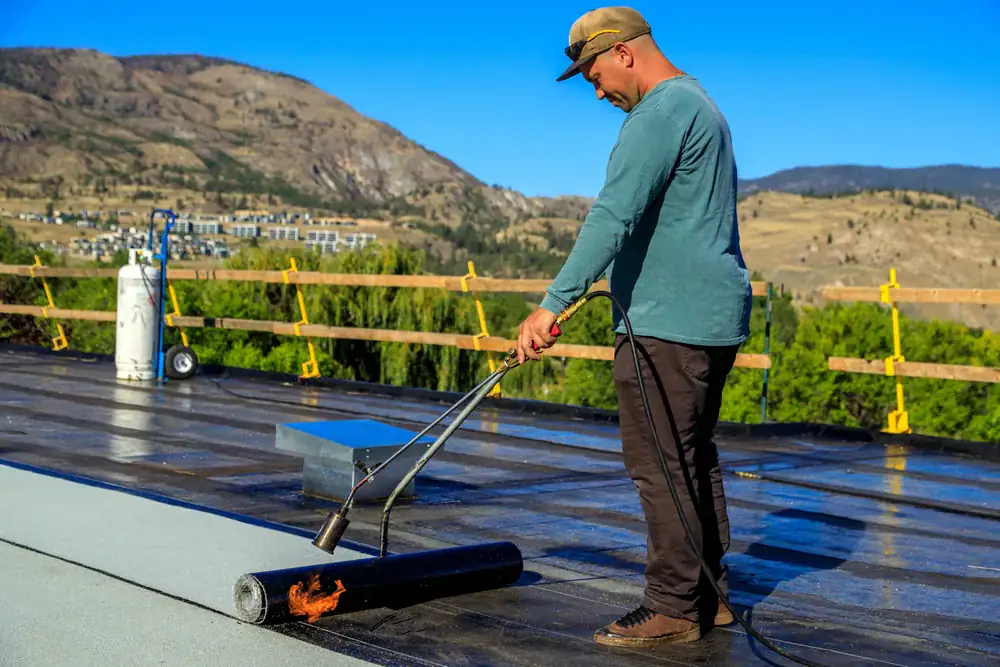
That consistency matters when you’re dealing with complex industrial roofing solutions or hot mop systems that most contractors won’t touch. It matters when your insurance adjuster needs documentation that actually holds up. It matters when you manage multiple properties and need one point of contact who knows your buildings and your standards.
We hold a C-39 specialty roofing license and maintain GAF Master Elite certification—a designation held by only the top 2% of roofing contractors nationally. Those aren’t just credentials. They’re proof of factory training, tested knowledge, and the ability to offer manufacturer warranties that actually mean something.
Covina property managers deal with enough variables. Your roofing contractor shouldn’t be one of them.
Our process starts with an actual inspection, not a sales pitch. You get a thorough assessment of your current roof condition, remaining lifespan, and whether you’re looking at repairs, restoration, or full replacement. If there’s a way to extend what you have, you’ll hear about it.
Once the scope is clear, you receive a detailed proposal that breaks down materials, labor, timeline, and Title 24 compliance requirements. No hidden tear-off fees. No surprise charges when the crew shows up. If your project involves an insurance claim, the documentation is structured to match what adjusters expect—photos, measurements, and compliance records that support your case.
During installation, the work is scheduled to minimize disruption to your tenants and operations. Most commercial roof projects can be phased or contained to off-hours if needed. We handle permits, inspections, and coordination with your property management team.
After completion, you receive full documentation including warranty information, maintenance recommendations, and a record of all work performed. That file becomes part of your building’s history—useful for future insurance renewals, property sales, or the next time you need service.
Commercial roofing in Covina means dealing with California’s Title 24 energy standards, which got significantly stricter in 2025. Cool roof requirements are now mandatory for most commercial buildings, and compliance isn’t optional—it’s part of the permit process.
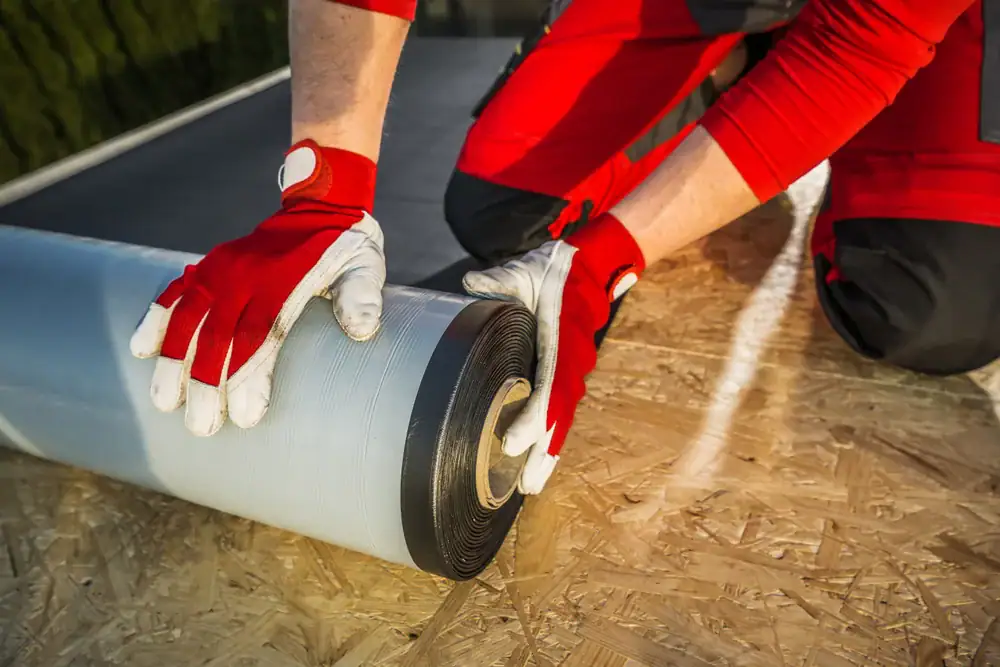
TPO and PVC roofing systems naturally meet these reflective standards without additional coatings or formulations. These single-ply membranes are designed for flat and low-slope commercial roofs common throughout the San Gabriel Valley. They handle the temperature swings, UV exposure, and occasional severe weather that comes with the territory.
Beyond installation, commercial roof maintenance programs keep your system performing and your warranty valid. Regular inspections catch ponding water, membrane deterioration, and flashing issues before they become leaks. Preventative maintenance typically costs 4-6 times less than emergency repairs—and it keeps your insurance company happy.
For property managers overseeing multiple buildings, we provide consistent service across your entire portfolio. Same standards, same documentation, same point of contact. When you’re responsible for commercial properties in Covina, West Covina, Baldwin Park, and surrounding areas, that consistency eliminates a major headache.
Industrial roofing solutions for warehouses and manufacturing facilities require additional considerations—load capacity, equipment penetrations, and access for ongoing operations. Those projects get handled by crews who’ve done this work for years, not whoever was available that week.
Most commercial roof replacements take one to three weeks depending on building size, roof complexity, and weather. A straightforward 10,000 square foot flat roof with TPO installation typically takes 5-7 working days. Larger industrial facilities or buildings with multiple levels and equipment penetrations can extend to two or three weeks.
The timeline also depends on whether you’re doing a complete tear-off or a roof-over installation. Tear-offs add time but give you a clean substrate and the chance to address any decking issues. Your project timeline includes permit approval, material delivery, installation, and final inspection.
Weather delays happen, especially during winter months. We build buffer time into schedules and communicate clearly when conditions aren’t safe for installation. Rushing a commercial roof installation to meet an arbitrary deadline is how you end up with problems six months later.
Both TPO and PVC are single-ply membrane systems that work well for flat commercial roofs and meet Title 24 cool roof requirements. The main differences come down to chemical resistance, seam strength, and cost.
PVC roofing offers superior resistance to chemicals, grease, and oils—making it the better choice for restaurant roofs or industrial facilities where chemical exposure is likely. PVC seams are heat-welded and extremely durable. The material costs more upfront but can outlast TPO in harsh environments.
TPO roofing is more cost-effective and performs excellently in standard commercial applications. It’s highly reflective, energy-efficient, and resistant to UV damage and ozone. For most office buildings, retail centers, and multi-family properties in Covina, TPO delivers the performance you need at a lower price point. Modern TPO formulations have improved significantly over early versions that had durability issues.
Your building’s specific conditions—roof traffic, nearby equipment, exposure to chemicals or oils—determine which material makes sense. A contractor who only pushes one option probably doesn’t have your best interest in mind.
If you’re replacing or restoring a commercial roof in California, Title 24 compliance is required for permit approval. The 2025 Building Energy Efficiency Standards introduced the strictest requirements yet, with mandatory cool roof standards for most commercial buildings.
Cool roofs must meet minimum solar reflectance and thermal emittance values. These requirements reduce cooling loads and energy consumption—which is why California mandates them. TPO and PVC roofing systems naturally meet these standards without additional coatings, making compliance straightforward.
The compliance documentation becomes part of your building’s permanent record and affects future insurance renewals and property valuations. If you’re working with an insurance claim, adjusters often require proof that replacement materials meet current code. Cutting corners on Title 24 compliance can void warranties and create liability issues down the road.
Some roof repairs and maintenance work fall below the threshold that triggers Title 24 requirements, but any substantial replacement or restoration will need to comply. We know these requirements and handle the documentation as part of the project.
Start by documenting the damage immediately with photos and notes about when you first noticed the problem. Contact your insurance company to open a claim before making any repairs beyond emergency tarping or temporary protection.
Your insurance adjuster will inspect the damage and determine coverage. This is where having a roofing contractor experienced with insurance claims makes a significant difference. Adjusters work from specific guidelines about what’s covered, and they need documentation that matches their requirements—measurements, material specifications, code compliance needs, and evidence that damage resulted from a covered event rather than deferred maintenance.
Commercial roof claims in moderate climates like Covina typically range from $30,000 to $100,000. Larger facilities or severe damage can exceed $250,000. Insurance companies scrutinize these claims carefully, and disputes over coverage are common.
We provide photo documentation, electronic scan results, and detailed reports that support your claim. We can also identify damage that you might miss—like compromised insulation or decking issues that aren’t visible from the surface. The goal is getting your claim approved for the full scope of necessary work, not just patching the obvious leaks.
Commercial roof maintenance includes regular inspections, debris removal, drain cleaning, minor repairs, and documentation of roof condition. Most maintenance programs involve quarterly or semi-annual inspections depending on your building’s age and roof system.
During inspections, we check for ponding water, membrane deterioration, flashing failures, and penetration issues around HVAC equipment and other roof-mounted systems. Small problems get addressed immediately—resealing a seam or replacing a damaged section of flashing takes minutes during a scheduled visit but becomes an emergency service call if left until it leaks.
Drain cleaning is critical for flat roof systems common in Covina commercial buildings. Clogged drains lead to ponding water, which accelerates membrane deterioration and can cause structural damage. Regular cleaning prevents these issues and extends roof life significantly.
Maintenance programs also keep your warranty valid. Most manufacturer warranties require documented regular maintenance. If you file a warranty claim and can’t prove the roof was properly maintained, the manufacturer can deny coverage. The cost of a maintenance program—typically a few hundred dollars per visit—is substantially less than emergency repairs or premature replacement due to neglect.
The decision depends on your roof’s age, the extent of damage, and how much life remains in the system. If your roof is less than halfway through its expected lifespan and damage is localized, repairs usually make sense. If you’re past the 15-year mark on a 20-year roof and facing multiple problem areas, replacement is typically more cost-effective.
Consider the pattern of repairs. One leak from storm damage is a repair. Multiple leaks in different areas, recurring problems, or widespread membrane deterioration signal that the roof is failing. Spending thousands on repairs for a roof that needs replacement within two years doesn’t make financial sense.
Energy costs matter too. Older roof systems don’t meet current Title 24 standards and cost more to cool your building. A new cool roof installation can reduce cooling costs by 7-15% according to the Cool Roof Rating Council. Those savings add up, especially for larger commercial buildings in Covina where summer temperatures drive significant cooling loads.
Insurance considerations also factor in. Some insurance companies increase premiums or reduce coverage for roofs over a certain age. If your roof is affecting your insurance costs or coverage limits, replacement might make sense even if the roof is still functional. We can walk you through the cost-benefit analysis based on your specific building and situation.
Other Services we provide in Covina