Appointments Available
Phone Support 24/7
Bell Gardens, CA 90201
*Serving most of Southern California*
Appointments Available
Phone Support 24/7
Bell Gardens, CA 90201
You’re not just getting a roof that doesn’t leak. You’re getting a system that meets California Title 24 requirements without you having to become an expert in cool roof ratings or CRRC certifications. That’s handled.
Your energy costs drop because the roof actually reflects heat instead of absorbing it. Your insurance adjuster sees photo documentation of every phase. Your tenants stop complaining about temperature swings.
And when the next inspection comes around, you’re not scrambling to retrofit or explain why your roof doesn’t meet code. It already does. You knew what you were paying upfront, the crew showed up when they said they would, and the project finished on schedule. That’s what happens when the contractor has been doing this since before Title 24 even existed.
We’ve been handling commercial roofing projects in Hacienda Heights and across Los Angeles County for nearly five decades. We hold a C-39 specialty contractor license, maintain GAF Master Elite status, and carry $2 million in liability coverage plus full workers’ comp.
Our crews aren’t subcontractors. They’re factory-certified employees who’ve been with us for years, some for decades. They know TPO and PVC roofing systems, flat roof installations, modified bitumen, EPDM, and Title 24 cool roof restoration inside and out.
Hacienda Heights has a mix of older commercial buildings and newer construction, and both need contractors who understand local building codes and climate considerations. We’ve worked on everything from industrial facilities to multi-family properties to retail centers in this area. You’re not explaining your building type to us. We’ve already done it.
First, you schedule a free estimate. One of our project managers comes out, gets on the roof, and assesses what you’re actually dealing with. Not a sales pitch. An evaluation. You’ll know if you need a repair, a restoration, or a full replacement, and why.
We walk you through your options. If Title 24 compliance is required for your project, we explain which systems meet the cool roof standards for your building type and roof slope. If you’re over 2,000 square feet and pulling a permit, compliance isn’t optional. We make sure you’re covered.
Once you approve the scope and pricing, we schedule the work. Our crews show up on time, section off the work area, and document every phase with photos. You get progress updates. If we run into something unexpected, you hear about it immediately, not at the end when the bill comes.
When the job’s finished, you get a final walkthrough, all documentation for your records, and warranty information. Then we’re available if you need anything down the road. Commercial roof maintenance, inspections, or repairs. You have our number.
You’re getting a roof system designed for California’s climate and your building’s specific requirements. That means Title 24 compliant materials when needed, proper insulation, and installation by factory-certified technicians who’ve been trained on the exact system going on your building.
For flat roof systems, we install TPO, PVC, EPDM, modified bitumen, and built-up roofing depending on your building type and budget. For low-slope commercial roofs in Hacienda Heights, cool roof coatings and reflective membranes help you meet energy efficiency standards while cutting cooling costs by 7-15% according to Cool Roof Rating Council data.
Every project includes photo documentation from start to finish. If you’re filing an insurance claim or need records for property management reports, you have them. We also coordinate with inspectors and handle permit requirements so you’re not managing that process yourself.
Industrial roofing solutions for warehouses and manufacturing facilities get the same attention. Larger square footage, different access requirements, and often stricter timelines. Our in-house project managers and crews handle it without farming out the work. You’re dealing with one team the entire time.
If your project requires a permit and covers more than 2,000 square feet, yes. California Title 24 mandates cool roofing for most commercial applications, including non-residential buildings, low-sloped roofs, and roof replacements that trigger permitting.
Cool roofing means your materials need a CRRC rating that meets minimum solar reflectance and thermal emittance standards. The exact requirements vary based on your climate zone and roof slope, but Hacienda Heights falls under regulations that apply to most of Los Angeles County.
We handle Title 24 compliance as part of the project. You’re not researching CRRC databases or figuring out which products qualify. We specify systems that meet the code, submit the documentation, and make sure inspections go smoothly. It’s built into how we operate, not an extra service you pay more for.
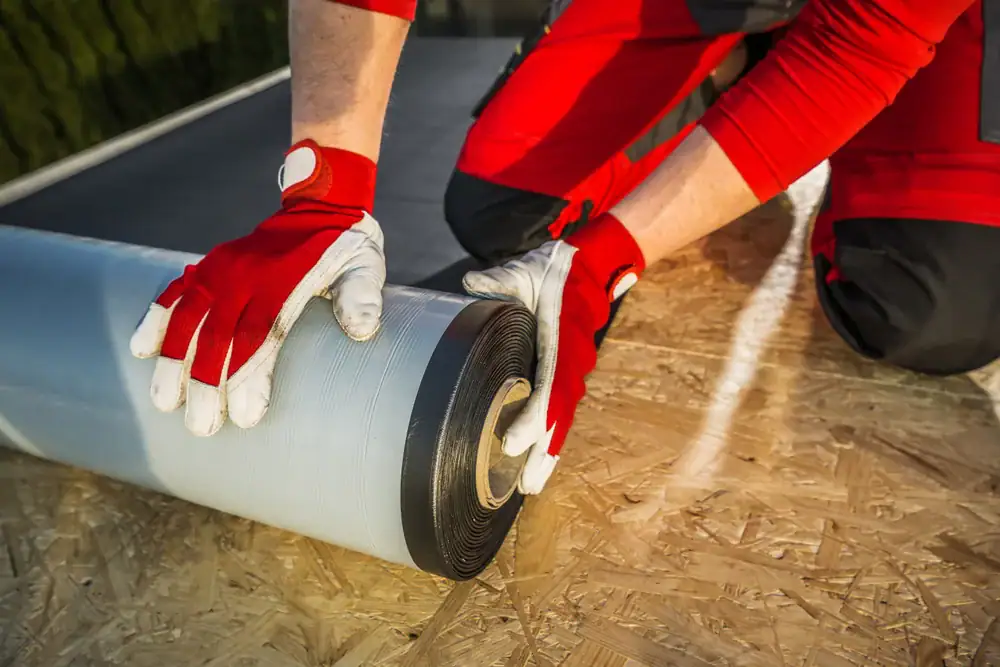
Both are single-ply membrane systems that work well for flat and low-slope commercial roofs. TPO costs less upfront and offers solid energy efficiency with white reflective surfaces that meet Title 24 cool roof standards. It’s a good fit for straightforward installations without a lot of chemical exposure.
PVC costs more but handles ponding water better and resists chemicals, oils, and grease. If your building houses a restaurant, manufacturing operation, or anything that might expose the roof to harsh conditions, PVC is often the smarter long-term choice.
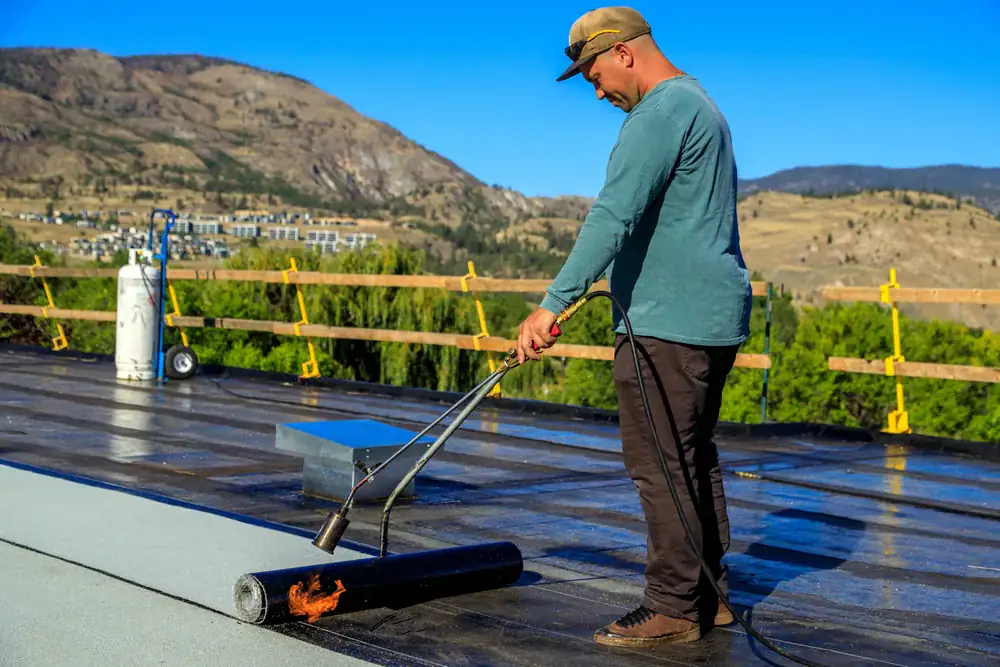
Both systems are heat-welded at the seams, which creates a watertight bond that’s stronger than adhesive or mechanical fastening alone. Lifespan is similar—15 to 25 years depending on installation quality and maintenance. We install both and recommend based on your building’s use, budget, and how long you plan to own the property.
Maintenance costs vary based on roof size and system type, but you’re typically looking at a few hundred to a couple thousand dollars per visit depending on what’s involved. That’s a fraction of what emergency repairs or premature replacement costs.
Regular inspections catch small problems before they become big ones. Clogged drains cause ponding water that degrades membranes. Loose flashing lets water into the building envelope. Debris punctures roofing material. All of that is fixable during a maintenance visit and expensive if you wait until it fails.
Most commercial roofs should be inspected twice a year—once before winter rains and once after. If your roof is under warranty, maintenance is often required to keep that warranty valid. We offer commercial roof maintenance contracts that include scheduled inspections, minor repairs, and documentation for your records. It extends your roof’s lifespan and keeps small issues from turning into insurance claims.
Depends on the extent of the damage and the age of the roof. If you have isolated leaks, damaged flashing, or small sections that failed, repairs are usually the right move. If the roof membrane is brittle, widespread cracking exists, or you’re dealing with multiple leak points across the entire surface, replacement makes more sense financially.
We assess the roof’s condition during the estimate. You’ll know if a repair buys you another 5-10 years or if you’re just delaying the inevitable. Age matters too—if your roof is already 20+ years old and showing wear, putting money into repairs might not be the best use of your budget.
Title 24 cool roof restoration is another option for aging roofs that still have structural integrity. We apply reflective coatings that meet California’s cool roof standards, extend the roof’s life, and improve energy efficiency. It’s less expensive than full replacement and can add 10-15 years to a roof that’s otherwise sound. We’ll tell you honestly which route makes sense for your situation.
Small repairs can be done in a day. Full replacements on mid-sized commercial buildings typically take one to three weeks depending on roof size, system type, and weather. Larger industrial roofing projects can run longer, especially if we’re coordinating around your operations.
We give you a timeline during the estimate and update you if anything changes. Weather delays happen—we don’t install roofing in the rain because it compromises the system. If we need to pause for a day or two, you’ll know in advance.
For businesses that can’t shut down, we phase the work to keep disruptions minimal. We section off areas, complete them, and move to the next zone so your building stays functional. That’s standard for retail centers, warehouses, and multi-tenant properties. The goal is to get the roof done right without stopping your business.
Start with licensing and insurance. California requires a C-39 roofing contractor license for commercial work. If they don’t have it, walk away. Verify they carry liability insurance and workers’ comp. You don’t want to be liable if someone gets hurt on your property.
Check how long they’ve been in business and whether they employ their own crews or subcontract everything out. Subcontractors mean less control over quality and timelines. Ask about factory certifications—manufacturers train contractors on proper installation, and certified crews are less likely to void your warranty with bad workmanship.
Get references for similar projects. If you’re replacing a TPO roof on a 20,000 square foot warehouse, you want a contractor who’s done that before, not someone who mostly works on residential jobs. Ask how they handle Title 24 compliance, permitting, and inspections. If they seem unclear or tell you it’s your responsibility, that’s a red flag. A good commercial roofing contractor manages that process for you.
Other Services we provide in Hacienda Heights