Appointments Available
Phone Support 24/7
Bell Gardens, CA 90201
*Serving most of Southern California*
Appointments Available
Phone Support 24/7
Bell Gardens, CA 90201
You get a roof that doesn’t leak when the next storm rolls through. You get documentation that satisfies your insurance adjuster the first time. You get a crew that shows up when they say they will and finishes without dragging the job into next quarter.
Most commercial property managers in Inglewood deal with contractors who go silent after the deposit clears or who nickel-and-dime every change order. That’s not how this works.
Your building stays operational during the work. Your tenants aren’t dealing with tarps and delays for weeks. Your maintenance budget doesn’t get blown because someone “discovered” issues that should’ve been caught in the estimate. The roof gets installed to manufacturer specs, which means the warranty actually holds up when you need it.
If you’re managing a multi-family property near the Forum or an industrial facility off Century Boulevard, you already know what happens when a roof fails. Water damage spreads fast. Tenants complain. Insurance gets complicated. We handle commercial roof maintenance and emergency repairs so those situations don’t spiral.
We’ve held a C-39 roofing contractor license in California since 1982. That’s over forty years without a citation, without a revoked license, without disappearing when a warranty claim comes in.
We’re not a franchise that rotates crews every six months. The people who estimate your job are the same people who’ve been here for decades. That matters when you need someone to come back and address a concern two years later.
Inglewood’s commercial market has changed a lot with SoFi Stadium and the development around it, but the fundamentals haven’t. Buildings here take a beating from UV exposure and thermal stress. Flat roof systems need proper drainage or they fail early. Title 24 cool roof requirements aren’t optional, and most property managers don’t want to deal with code enforcement because a contractor cut corners.
First, someone comes out to look at your roof. Not a salesperson reading from a script—someone who’s been installing commercial roofing systems for years. They’ll tell you what’s wrong, what needs to happen, and what it’s going to cost. If there’s a cheaper option that’ll still work, you’ll hear about it.
Once you approve the estimate, we pull permits and schedule the work around your building’s needs. If you’ve got tenants who can’t deal with noise until after 9 AM, we work around that. If you need the job done in phases so your business doesn’t shut down, that’s how we do it.
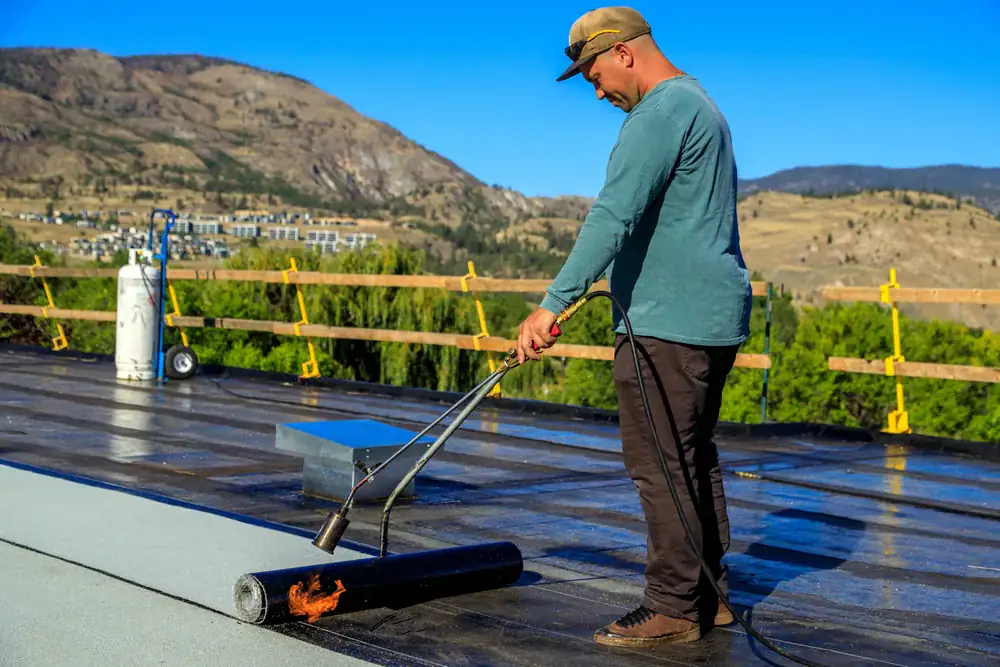
The crew shows up on the scheduled day. They tear off the old roof if that’s what’s needed, inspect the decking for damage, make any repairs, and install the new flat roof system—whether that’s TPO, PVC, or another membrane. Everything gets documented with photos because that’s what your insurance company or property owner is going to ask for.
When the job’s done, you get a final walkthrough, all your warranty paperwork, and a maintenance plan if you want one. If something comes up later, you’re not calling a disconnected number. We’re still here.
You’re getting a roof system that meets California’s Title 24 energy code requirements. That’s not optional in Inglewood—cool roof standards apply to most commercial re-roofing projects, and if your contractor doesn’t know how to navigate that, you’ll find out when the inspector shows up.
We install TPO and PVC roofing systems that meet those standards and hold up under the kind of sun exposure you get in Southern California. These aren’t the cheapest materials, but they last longer and keep your cooling costs down, which matters when you’re managing a 20,000-square-foot building.
Flat roof systems need proper drainage, and that’s where a lot of contractors cut corners. Ponding water is the fastest way to void a warranty and shorten your roof’s lifespan. We handle the slope, the drains, and the flashing details that prevent leaks at the edges and penetrations.
If you’re dealing with an insurance claim after storm damage, we document everything the adjuster needs to see. That includes pre-loss photos if we’ve been doing your maintenance, detailed damage assessments, and installation photos that prove the work was done right. Most claims get held up because the documentation is incomplete. We don’t let that happen.
Industrial roofing solutions for warehouses and manufacturing facilities are a little different—you’ve got HVAC units, skylights, and equipment that needs to be worked around. We’ve handled enough of these projects in Inglewood to know what’s going to cause problems before it does.
Most commercial roof replacements take one to three weeks depending on the size of your building and the roofing system you’re installing. A 10,000-square-foot flat roof with a straightforward TPO installation might be done in a week if weather cooperates. Larger buildings or projects with complicated drainage issues take longer.
The timeline also depends on how fast permits come through and whether we find unexpected damage when we tear off the old roof. If your decking is rotted or there’s water damage in the insulation layer, that adds time because it has to be fixed before the new roof goes on.
We’ll give you a realistic schedule upfront and let you know immediately if something changes. If your building can’t shut down for the work, we can phase the project so you’re never fully offline. That’s common with multi-family properties or businesses that operate seven days a week.
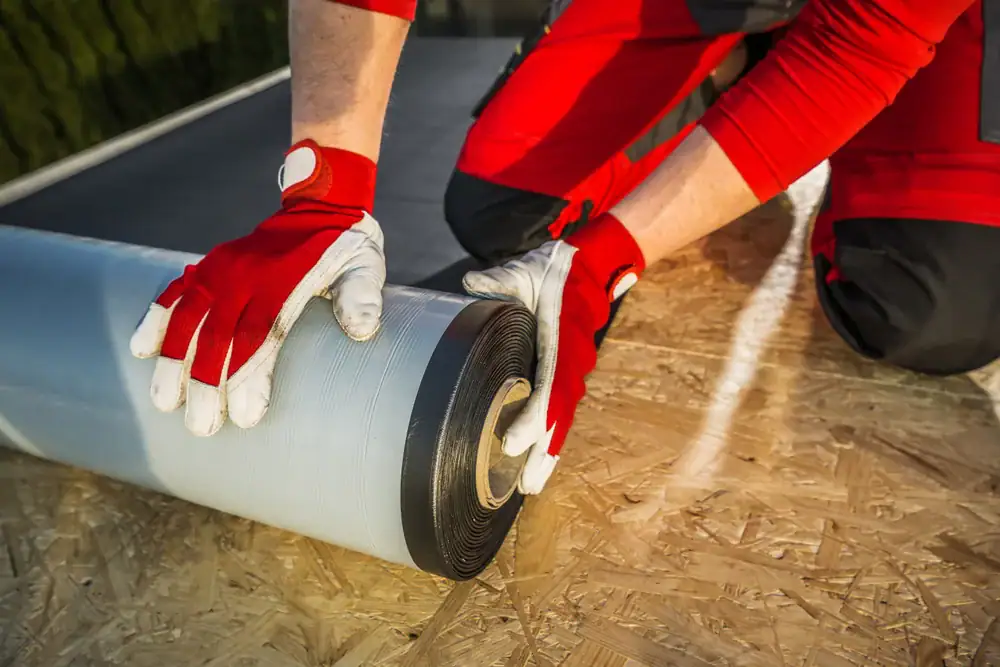
TPO and PVC are both single-ply membrane systems that work well for flat roofs in Inglewood, but they’re not identical. TPO is usually less expensive and performs well in high-UV environments, which matters here. It’s heat-welded at the seams, which creates a watertight bond if it’s installed correctly.
PVC costs more but handles chemical exposure better, so if your building has restaurant exhaust vents or HVAC condensation that’s hard on roofing materials, PVC holds up longer. It’s also more flexible in cold weather, though that’s less of a concern in Southern California.
Both meet Title 24 cool roof requirements, and both come with solid warranties if they’re installed by a certified contractor. The choice usually comes down to your budget and what’s on your roof. If you’ve got grease vents or a lot of rooftop equipment that could damage the membrane, PVC is worth the extra cost. If your roof is straightforward and you want a cost-effective system that’ll last 20+ years, TPO works.
Yes. California’s Title 24 energy code requires cool roofs on most commercial re-roofing projects, and Inglewood enforces it. A cool roof reflects more sunlight and absorbs less heat, which reduces your building’s cooling load and energy costs.
If you’re replacing more than 50% of your roof or doing a significant alteration, you’re required to meet the cool roof standards unless you qualify for a specific exemption. That means your roofing material needs to meet minimum solar reflectance and thermal emittance values, and your contractor needs to document compliance for the building inspector.
Skipping this isn’t an option. If your roof doesn’t pass inspection, you’ll have to redo the work, and that’s expensive. The good news is that most modern TPO and PVC systems meet the requirements without any extra cost or effort. We handle the compliance documentation as part of the job, so you’re not scrambling to prove your roof meets code when the inspector shows up.
Twice a year is the standard recommendation—once before the rainy season and once after. That’s usually enough to catch small problems before they turn into leaks or structural damage.
During a maintenance visit, we’re checking drains and gutters for blockages, inspecting the membrane for punctures or weak seams, looking at flashing around vents and edges, and making sure nothing’s degrading faster than it should. Flat roofs in Inglewood take a beating from UV exposure, and small cracks or blisters can spread quickly if they’re ignored.
If your building has a lot of rooftop equipment or foot traffic from HVAC techs, you might need maintenance more often. Same goes if you’ve got trees nearby that drop debris or if your roof is older and closer to the end of its lifespan. Most property managers find that regular maintenance extends the roof’s life by several years and prevents emergency repairs that cost five times as much as a scheduled visit.
Start with licensing. In California, roofing work requires a C-39 contractor’s license, and you can verify that on the CSLB website. If a contractor doesn’t have one or tries to work under a general contractor’s license, walk away. It’s illegal, and your warranty won’t be valid.
Check their insurance coverage. You need proof of workers’ comp and general liability insurance before anyone steps on your roof. If a worker gets hurt and the contractor isn’t covered, you’re liable. Most legitimate contractors carry at least $2 million in liability coverage.
Ask about manufacturer certifications. GAF, Firestone, and other roofing manufacturers certify contractors who meet their installation standards. If your contractor is certified, you get access to better warranties and you know they’ve been trained on the products they’re installing.
Look at how long they’ve been in business and whether they’re local. A contractor who’s been serving Inglewood for decades isn’t going to disappear when you need warranty work. Check their BBB rating and ask for references from other commercial property managers. If they’ve done work on buildings similar to yours, they’ll know what problems to expect and how to avoid them.
Yes. We work with property managers and building owners on insurance claims regularly, and we know what adjusters need to see to approve a claim.
That starts with documentation. If we’ve been doing your maintenance, we already have photos and records showing what your roof looked like before the damage happened. If not, we’ll document the current damage thoroughly—photos of every affected area, measurements, notes on what caused the failure, and an estimate that breaks down exactly what needs to be repaired or replaced.
Insurance companies want proof that the damage was caused by a covered event like a storm, not by deferred maintenance or poor installation. We’ll walk you through that distinction and help you present the claim in a way that’s clear and complete. A lot of claims get denied or delayed because the documentation is sloppy or incomplete, and that costs you time and money.
Once the claim is approved, we handle the work according to the scope the adjuster agreed to. If we find additional damage during the tear-off that wasn’t visible from the surface, we document that immediately and work with the adjuster to get a supplemental approval. The goal is to get your roof fixed and get you reimbursed without the back-and-forth that drags some claims out for months.
Other Services we provide in Inglewood