State Licensed “SINCE 1982”

CSLB C-39 #432352

Full Workers Comp. & $2M Liability Insurance
OUR EMPLOYEE ROOFERS ARE FACTORY CERTIFIED
*Serving most of Southern California*
State Licensed “SINCE 1982” CSLB C-39 #432352
Full Workers Comp. & $2M Liability Insurance
OUR EMPLOYEE ROOFERS ARE FACTORY CERTIFIED.

*Serving most of Southern California*

Commercial Roofing Contractor in La Habra, CA

Your Roof Shouldn't Be Your Weakest Link

When your commercial roof fails, everything stops. We keep La Habra businesses protected with flat roof systems built to last and service you can count on.
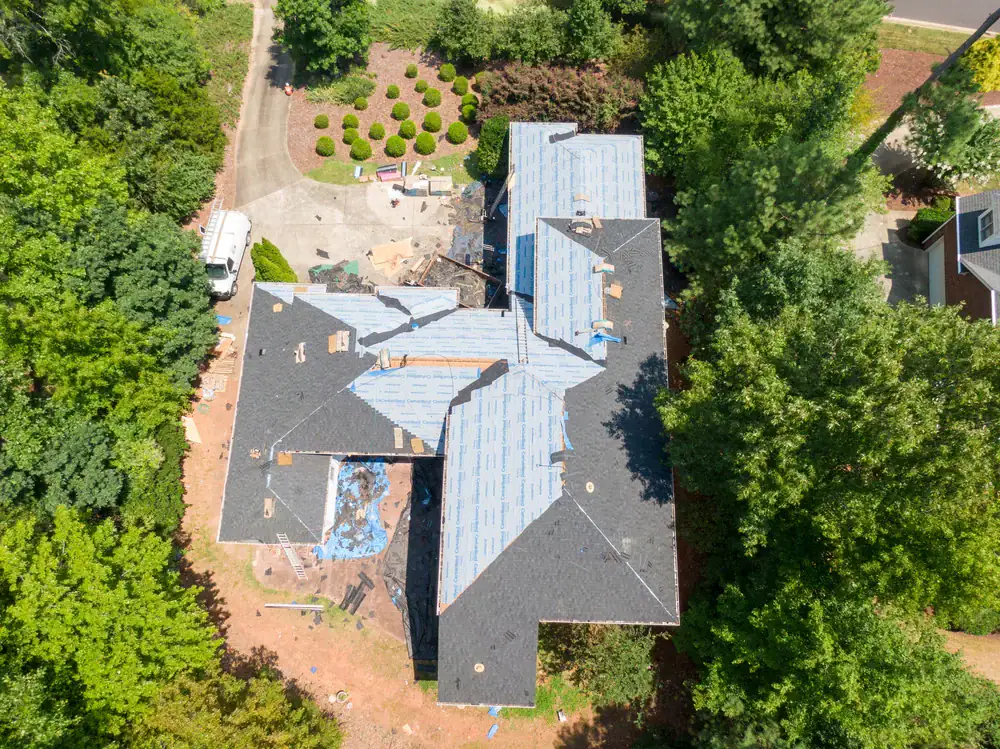
Aerial view of a residential roof undergoing commercial roofing repairs in Acton, California.
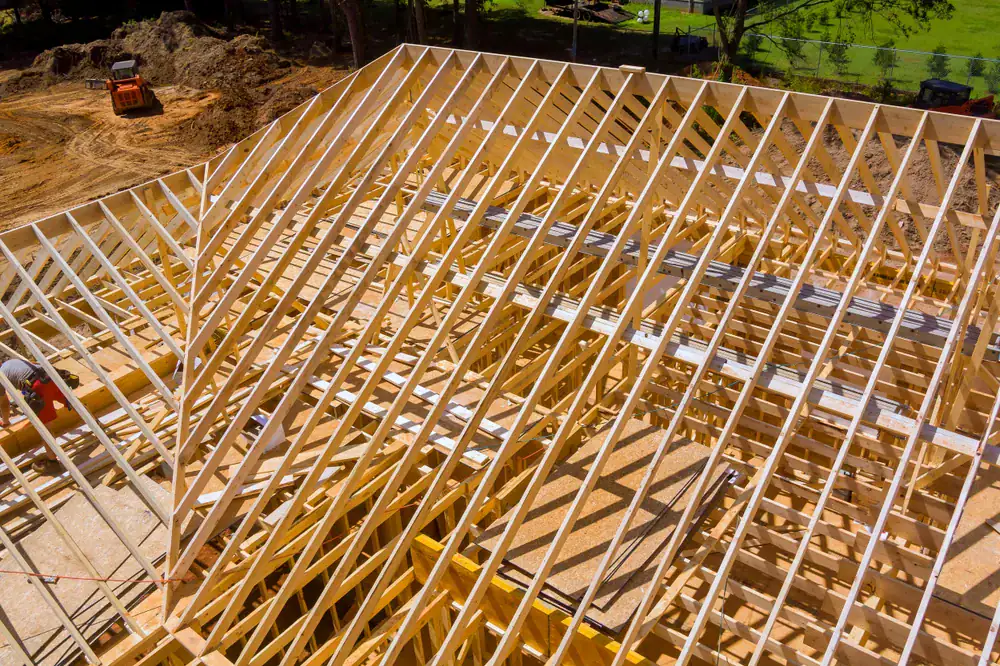
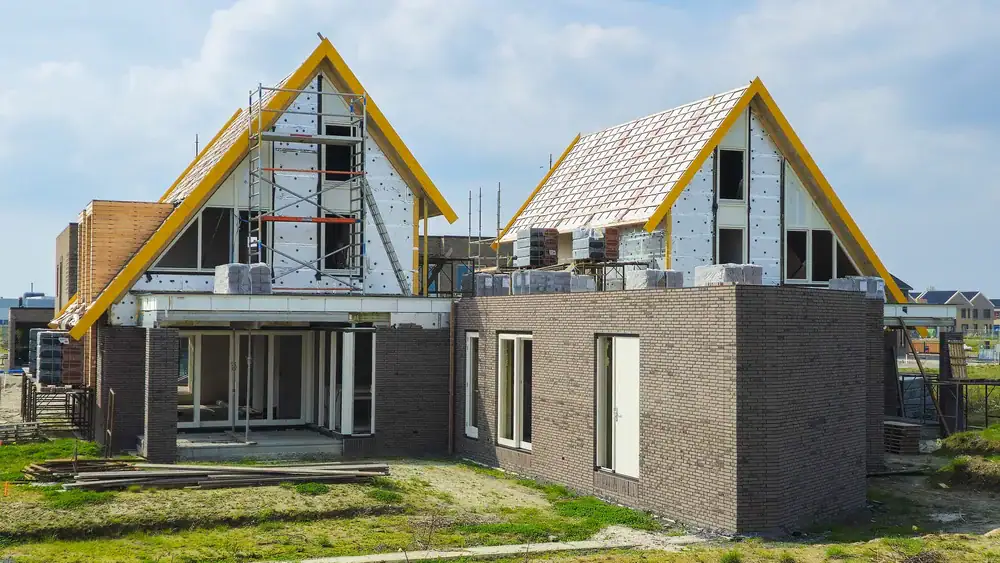
Roof framing under construction in Acton, CA for a commercial building.

Flat Roof Systems for La Habra Businesses

Less Downtime, Lower Energy Bills, Fewer Headaches

You’re not looking for the cheapest option. You need a roof that performs when Southern California heat hits 100+ degrees and doesn’t leave you scrambling during the next storm.

A properly installed commercial roofing system does more than keep water out. It cuts your energy costs, protects your inventory and equipment, and keeps your operations running without interruption. That matters when you’re managing a distribution center near Lambert Road or running a retail plaza on Whittier Boulevard where every day of downtime costs money.

The difference between a roof that lasts 15 years and one that needs constant repairs comes down to installation quality and material choice. TPO and PVC roofing systems offer the durability and energy efficiency that flat and low-slope commercial buildings in La Habra need. These aren’t just materials—they’re investments in fewer service calls, lower utility bills, and real protection for what you’ve built.

La Habra Commercial Roofing Experts

Decades of Crew Loyalty, Zero Shortcuts

We’ve served Los Angeles County businesses for decades with the same crews, the same standards, and the same commitment to doing it right the first time. Our C-39 specialty license and factory certifications aren’t just credentials—they’re proof that we know commercial roofing inside and out.

La Habra businesses move fast. Whether you’re managing a 55+ community building that needs multi-month restoration or an auto shop that can’t shut down for repairs, you need a contractor who understands what’s at stake. We’ve worked on everything from small retail spaces to large industrial facilities across the area, and we know what it takes to keep your property protected without disrupting your operations.

Our BBB accreditation and decades-long crew loyalty mean you’re not getting a different team every time. You’re getting experienced professionals who show up, do the work right, and document everything with photos so you know exactly what you’re paying for.

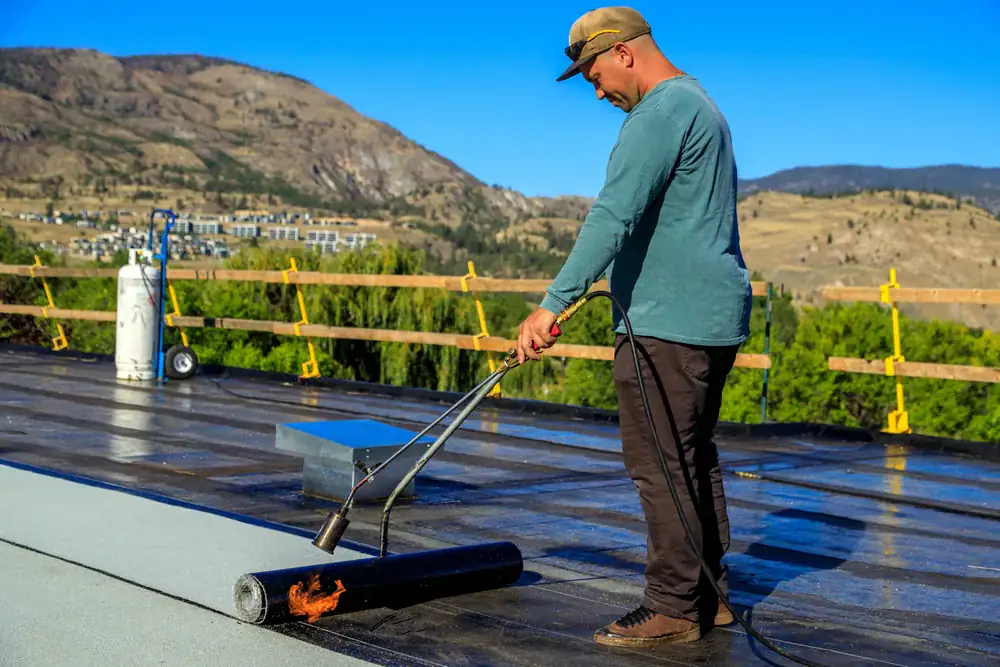
Professional roofing contractor applying roofing membrane on commercial roof in Acton, CA.

Commercial Roof Installation Process

Here's What Happens From Inspection to Completion

It starts with a thorough roof inspection. We assess your current system, identify problem areas, and give you a clear picture of what needs attention now versus what can wait. No upselling, no scare tactics—just honest feedback based on what we see.

Once you approve the scope, we schedule the work around your business hours. For many commercial projects, that means working early mornings, evenings, or weekends to minimize disruption. Our crews arrive on time, set up proper safety protocols, and keep the site clean throughout the project.

Installation depends on your roof type and condition. Flat roof systems using TPO or PVC membranes typically involve removing old materials, repairing the substrate if needed, installing insulation for energy efficiency, and heat-welding the new membrane for watertight seams. We follow manufacturer specifications exactly because that’s what protects your warranty and ensures the system performs as designed.

Throughout the project, we document progress with photos. When we’re done, you get a complete record of the work—useful for your records, insurance documentation, and future maintenance planning. We also walk you through maintenance recommendations so you know what to watch for and when to schedule inspections.

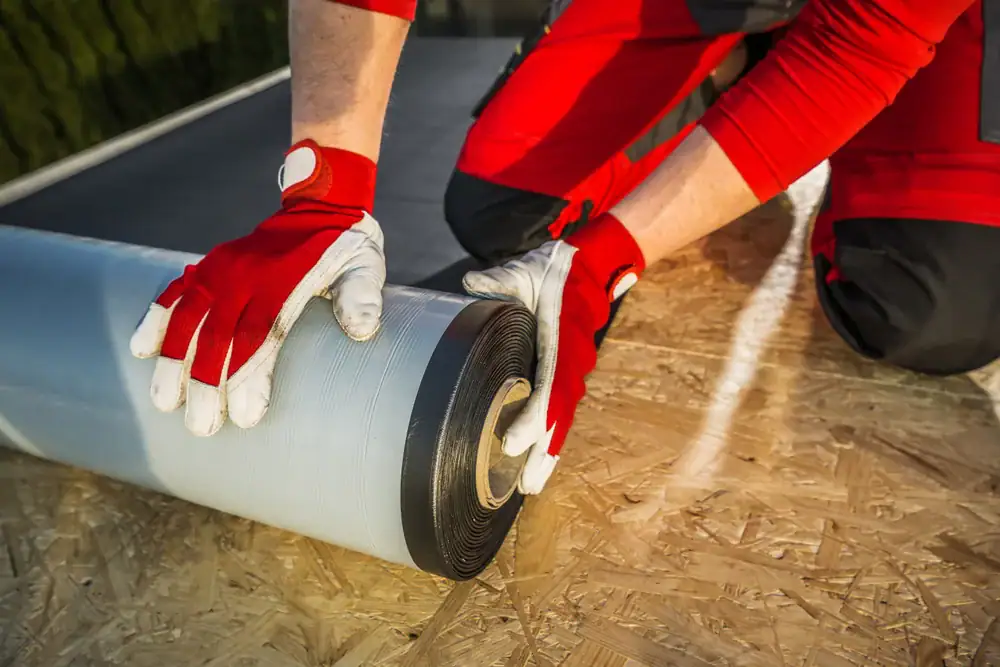
Roofing membrane installation for commercial building in Acton, CA.

Explore More Services

About Royal Roofing Company

Commercial Roof Maintenance La Habra

What You Get With Commercial Roofing Service

Commercial roof maintenance isn’t optional in La Habra. The combination of intense UV exposure, temperature swings, and occasional heavy rain means your roof takes a beating year-round. Regular maintenance catches small problems before they become expensive emergencies.

Our commercial roofing solutions include Title 24 cool roof restoration, which isn’t just about compliance—it’s about reducing your cooling costs. Cool roof coatings reflect sunlight instead of absorbing it, which can drop your roof surface temperature by 50+ degrees. That translates directly to lower energy bills and less strain on your HVAC system.

We also specialize in industrial roofing solutions for warehouses, manufacturing facilities, and distribution centers. These buildings have unique challenges: large square footage, heavy equipment loads, and often 24/7 operations that make scheduling repairs complicated. Our experience with these properties means we know how to work efficiently without shutting you down.

Emergency roof repair is available when you need it. A sudden leak during business hours can damage inventory, disrupt operations, and create safety hazards. We respond quickly, assess the damage, and provide temporary or permanent solutions depending on the situation. Our insurance claim expertise helps you document everything properly so you can maximize coverage and get back to business faster.

New commercial roofing installation on modern buildings in Acton, CA.

How long does a commercial flat roof typically last in La Habra?

A properly installed TPO or PVC flat roof system should last 20-30 years in La Habra’s climate, but that depends entirely on installation quality and ongoing maintenance. The intense UV exposure and temperature extremes here accelerate wear on roofing materials, which is why choosing the right system and contractor matters more than just picking the lowest bid.

Single-ply membranes like TPO and PVC hold up better than older built-up roofing or modified bitumen in our climate because they reflect heat instead of absorbing it. That reduces thermal stress on the membrane and the building itself. But even the best materials fail early if they’re installed incorrectly or never maintained.

Regular inspections catch small issues before they become major problems. A small puncture or loose seam might seem minor, but water intrusion leads to insulation damage, deck rot, and eventually structural problems that cost exponentially more to fix. Most commercial roofs fail prematurely not because the material wore out, but because minor maintenance was ignored until it became a crisis.

Both TPO and PVC are single-ply membranes that work well for flat and low-slope commercial roofs, but they have different strengths. TPO costs less upfront and offers good heat reflectivity, making it popular for warehouses and retail buildings where budget matters. PVC costs more but handles chemical exposure better and has a longer track record of durability, which makes it the better choice for restaurants or facilities where rooftop equipment might leak oils or chemicals.

The seams are heat-welded on both systems, which creates watertight bonds that are stronger than the membrane itself when done correctly. That’s a huge advantage over older systems that rely on adhesives or mechanical fasteners that can fail over time. The welded seams also make repairs easier because you can patch or replace sections without redoing the entire roof.

Energy efficiency is similar between the two—both meet Title 24 cool roof requirements and significantly reduce cooling costs compared to darker roofing materials. The real decision comes down to your building’s specific needs, your budget, and what kind of warranty coverage you want. As a contractor who’s factory-certified in both systems, we can walk you through the pros and cons based on your actual building conditions, not just what we prefer to install.

Most commercial roofing projects don’t require a full shutdown, but it depends on your building layout and the scope of work. For single-story buildings with exterior access, we can often complete the work without disrupting your operations at all. Multi-story buildings or projects involving interior tear-outs require more coordination, but even then, we can usually phase the work to keep most of your space operational.

The key is planning the project around your business needs from the start. If you operate a retail space that’s busy during weekends, we schedule work for weekdays. If you run a 24/7 distribution center, we might work in sections so you can keep operations running in other areas. As experienced commercial roofing contractors, we know how to minimize disruption because we understand that downtime costs you money.

Noise and debris are manageable with proper planning. We use tarps and barriers to contain dust, schedule the loudest work during your slowest hours when possible, and clean up daily so your property stays presentable. For businesses where customer perception matters—like medical offices or upscale retail—we’re especially careful about maintaining a professional appearance throughout the project. Communication is everything. When you know what to expect each day and we stick to the schedule, the project moves smoothly without surprises.

If your roof is leaking in multiple areas, showing widespread membrane damage, or approaching 20+ years old, replacement usually makes more financial sense than ongoing repairs. But if the damage is localized and the rest of the system is sound, targeted repairs can buy you several more years without the cost of a full tear-off.

A professional inspection tells you exactly where you stand. We look at membrane condition, seam integrity, insulation moisture levels, and substrate condition. Isolated problems like storm damage or a puncture from HVAC work are straightforward repairs. Widespread issues like seam failures across the entire roof or saturated insulation mean the system has reached the end of its useful life.

Age matters, but it’s not the only factor. A 15-year-old roof that’s been maintained properly might have plenty of life left, while a 10-year-old roof that’s been neglected could be failing. The real question is whether repairs will solve the problem or just delay the inevitable. We’ll tell you honestly what makes sense based on your building’s condition and your budget, not just push you toward the most expensive option. We document everything with photos so you can see exactly what we’re seeing and make an informed decision about repair versus replacement.

Title 24 cool roof restoration brings your existing commercial roof into compliance with California’s energy efficiency standards while extending its lifespan. The process involves applying a reflective coating system that meets specific solar reflectance and thermal emittance requirements set by the state. This isn’t just about checking a compliance box—it’s about reducing your building’s cooling costs and improving occupant comfort.

The restoration starts with a thorough cleaning to remove dirt, debris, and any biological growth that would prevent proper coating adhesion. We repair any existing damage, address seam issues, and ensure the substrate is sound. Then we apply the cool roof coating system, typically in multiple layers, to achieve the required thickness and performance standards. The coating reflects solar radiation instead of absorbing it, which can reduce roof surface temperatures by 50-80 degrees on a hot day.

The energy savings are real. Most commercial buildings see a 10-20% reduction in cooling costs after cool roof restoration, and the payback period is typically 3-5 years. Beyond energy savings, the coating protects your existing roof membrane from UV damage and extends its life by 10-15 years in many cases. That’s significant when you consider that a full roof replacement costs several times more than restoration. For La Habra businesses dealing with intense summer heat, cool roof restoration makes both environmental and financial sense.

The insurance claim process for commercial roof damage starts with documentation. Before any repairs begin, you need clear photo evidence of the damage, the cause, and the affected areas. Most insurance companies want to see proof that the damage resulted from a covered event like a storm rather than normal wear and tear or deferred maintenance.

We help by providing detailed documentation that insurance adjusters actually need. That includes photos of the damage from multiple angles, measurements of affected areas, and a clear scope of work that separates storm damage from pre-existing conditions. Insurance companies often try to attribute roof damage to age or poor maintenance to reduce their payout, so having a contractor who understands how to document and present the claim properly makes a significant difference in what gets covered.

The timeline varies, but expect the process to take several weeks from initial claim to approval. Your insurance company will send an adjuster to inspect the damage, and having us present during that inspection ensures nothing gets missed or mischaracterized. If the initial settlement seems low, we can provide additional documentation to support a supplement claim for items the adjuster missed or undervalued. The goal is getting you fair compensation for legitimate damage so you can restore your roof properly without cutting corners due to budget shortfalls. We’ve worked with most major insurance carriers and know how to navigate their requirements to get claims approved efficiently.

Other Services we provide in La Habra