Appointments Available
Phone Support 24/7
Bell Gardens, CA 90201
*Serving most of Southern California*
Appointments Available
Phone Support 24/7
Bell Gardens, CA 90201
A properly installed commercial roof cuts your energy bills, meets California’s Title 24 requirements, and doesn’t turn into a maintenance nightmare. You’re not dealing with leaks during business hours or scrambling to find someone who can fix what another contractor messed up.
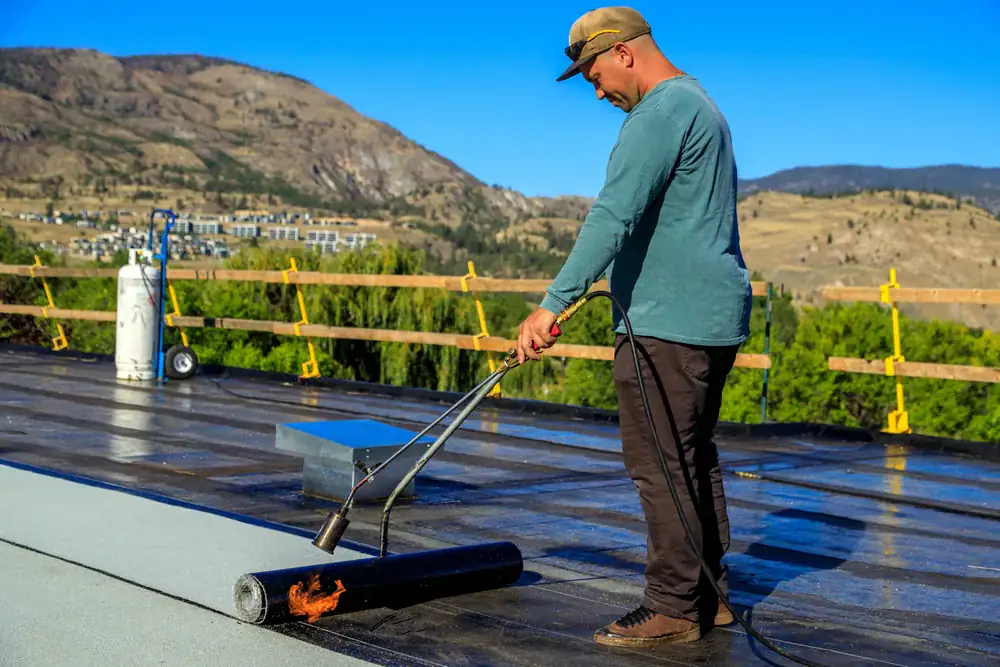
The right flat roof system—whether TPO, PVC, or modified bitumen—gives you predictable performance. Your HVAC system isn’t working overtime to compensate for heat absorption. Your insurance premiums stay reasonable because you’ve maintained proper documentation and code compliance.
When you work with a contractor who understands industrial roofing and commercial roof maintenance, you get fewer surprise repair bills and more years out of your investment. That’s what matters when you’re managing a property budget and can’t afford to replace a roof every decade because someone cut corners on the installation.
We’ve been handling commercial roofing projects across Orange County since 1982. We hold a C-39 specialty roofing license, factory certifications from major manufacturers, and maintain an excellent BBB rating because we show up and do what we say we’ll do.
Our crews have been with us for decades—not a rotating door of subcontractors who disappear after the job. When you call about a maintenance issue or warranty question five years from now, you’re talking to people who remember your building and know its history.
We work on office buildings, retail centers, industrial facilities, and multi-family properties throughout Laguna Hills and surrounding areas. Most of our clients are property managers and business owners who need their roof handled correctly the first time, with proper documentation for insurance and compliance purposes.
We start with a thorough roof inspection and photo documentation of current conditions. You get a detailed assessment of what needs immediate attention, what can wait, and what your options are for repair versus replacement. No pressure, just information.
If you move forward, we pull the necessary permits and coordinate with your schedule to minimize business disruption. Our crews arrive when we say they will, complete the work according to manufacturer specifications, and document everything with photos. You’re not wondering what’s happening on your roof—you can see it.
Once installation is complete, we walk you through the finished work, explain your warranty coverage, and set up a maintenance schedule if you want one. You receive all documentation needed for insurance, building records, and future reference. If an issue comes up later, you have a direct line to the people who did the work.
Commercial properties in Laguna Hills face intense UV exposure, temperature swings, and California’s strict energy codes. Your roof needs to handle that without becoming a constant expense. That means choosing the right system—TPO and PVC roofing for energy efficiency and durability, modified bitumen for high-traffic areas, or cool roof restoration to meet Title 24 requirements without full replacement.
We install flat roof systems designed for California’s climate and building codes. Cool roofs reduce heat absorption, which directly impacts your cooling costs and helps you stay compliant with state energy mandates. Fire-resistant materials matter here, especially with California’s wildfire concerns and insurance requirements.
Regular commercial roof maintenance catches small problems before they become expensive emergencies. Drainage issues, membrane punctures, and flashing failures don’t announce themselves until water is already inside your building. A maintenance program means someone who knows your roof is checking it twice a year and handling minor repairs before they escalate. You’re extending the life of your investment and avoiding the kind of failure that forces an emergency replacement during your busy season.
Most commercial roof replacements take one to three weeks depending on building size, roof complexity, and weather conditions. A straightforward flat roof on a 10,000 square foot building typically takes five to seven business days from tear-off to completion.
We coordinate the schedule around your business operations whenever possible. If you can’t have crews on the roof during business hours, we’ll work evenings or weekends. Weather delays happen—this is California, so rain isn’t frequent, but when it comes, we protect your building and pause until conditions are safe.
You’ll know the timeline before we start, and we’ll update you if anything changes. The goal is getting your roof done correctly without disrupting your operations more than necessary.
Both TPO and PVC are single-ply membrane systems that work well for flat and low-slope commercial roofs in California. PVC costs more upfront but offers better chemical resistance and longer warranties—usually 20 to 30 years. If your roof has grease exposure, HVAC condensation, or industrial chemicals, PVC holds up better.
TPO is less expensive and still provides solid performance for most commercial applications. It’s heat-welded at the seams just like PVC, creating a watertight barrier. TPO typically carries 15 to 20 year warranties and performs well in high UV environments like Laguna Hills.
The choice comes down to your building’s specific conditions, your budget, and how long you plan to own the property. We’ll walk you through both options with actual cost comparisons and warranty details so you can make an informed decision based on your situation, not our sales goals.
If you’re doing a roof replacement or significant repair on a commercial building in California, Title 24 energy standards apply. The code requires cool roofs that reflect sunlight and reduce heat absorption, which lowers your building’s cooling load and energy consumption.
Cool roof compliance means using materials with specific solar reflectance and thermal emittance ratings. Most modern TPO and PVC membranes meet these requirements automatically. If you’re restoring an existing roof, cool roof coatings can bring you into compliance without full replacement.
We handle the compliance documentation and work with your building department to ensure everything meets current code. You don’t need to become an expert in Title 24—that’s our job. You just need to know your roof will pass inspection and perform as required.
Twice a year is standard for most commercial roofs—once before winter rains and once after. Each inspection covers drainage systems, membrane condition, flashing, penetrations, and any areas where water might find its way inside. Small issues get fixed during the visit before they become leaks.
High-traffic roofs or buildings with significant HVAC equipment might need quarterly inspections. If your roof sees regular foot traffic for equipment maintenance, those are the areas that fail first. Catching membrane damage or fastener issues early costs a few hundred dollars. Ignoring them until water damages your interior costs thousands.
A maintenance program also keeps your warranty valid. Most manufacturer warranties require documented regular maintenance. If you file a claim and can’t show you’ve been maintaining the roof, you might be on your own for repair costs.
Poor installation is the top cause. When a contractor doesn’t follow manufacturer specifications—wrong adhesive application, improperly welded seams, inadequate fastening—the roof fails prematurely. You might have a 20-year warranty on paper, but if it wasn’t installed correctly, you’re dealing with problems in five years.
Neglected maintenance is second. Drains get clogged, water pools, and membrane deterioration accelerates. Small punctures from foot traffic or falling debris turn into bigger problems when nobody’s checking the roof regularly. Most commercial roofs don’t make it to their projected lifespan because minor issues were ignored.
The third issue is choosing the wrong system for your building. A roof that works great in a mild climate might not handle Laguna Hills’ intense sun exposure and temperature swings. Material selection matters, and it needs to match your building’s specific conditions and usage patterns.
Yes. We document roof damage with detailed photos and written assessments that insurance adjusters need to process claims. If your roof was damaged by wind, hail, or other covered events, proper documentation makes the difference between a smooth claim and a denied one.
We’ve worked with most major commercial insurance carriers and understand what they require for claim approval. That includes showing the damage is recent and covered under your policy, not pre-existing or maintenance-related. We can meet with adjusters on-site and provide estimates that match insurance requirements.
Once your claim is approved, we handle the repairs according to the scope your insurance company authorizes. You’re not caught between a contractor and an insurance company arguing about what’s covered. We know how to navigate that process and keep your project moving forward.
Other Services we provide in Laguna Hills