State Licensed “SINCE 1982”

CSLB C-39 #432352

Full Workers Comp. & $2M Liability Insurance
OUR EMPLOYEE ROOFERS ARE FACTORY CERTIFIED
*Serving most of Southern California*
State Licensed “SINCE 1982” CSLB C-39 #432352
Full Workers Comp. & $2M Liability Insurance
OUR EMPLOYEE ROOFERS ARE FACTORY CERTIFIED.

*Serving most of Southern California*

Commercial Roofing Contractor in Lake Forest, CA

Your Roof Protects Everything Below It

Licensed commercial roofing built to last—flat roof systems, TPO and PVC installations, Title 24 compliance, and maintenance that prevents expensive emergency repairs.
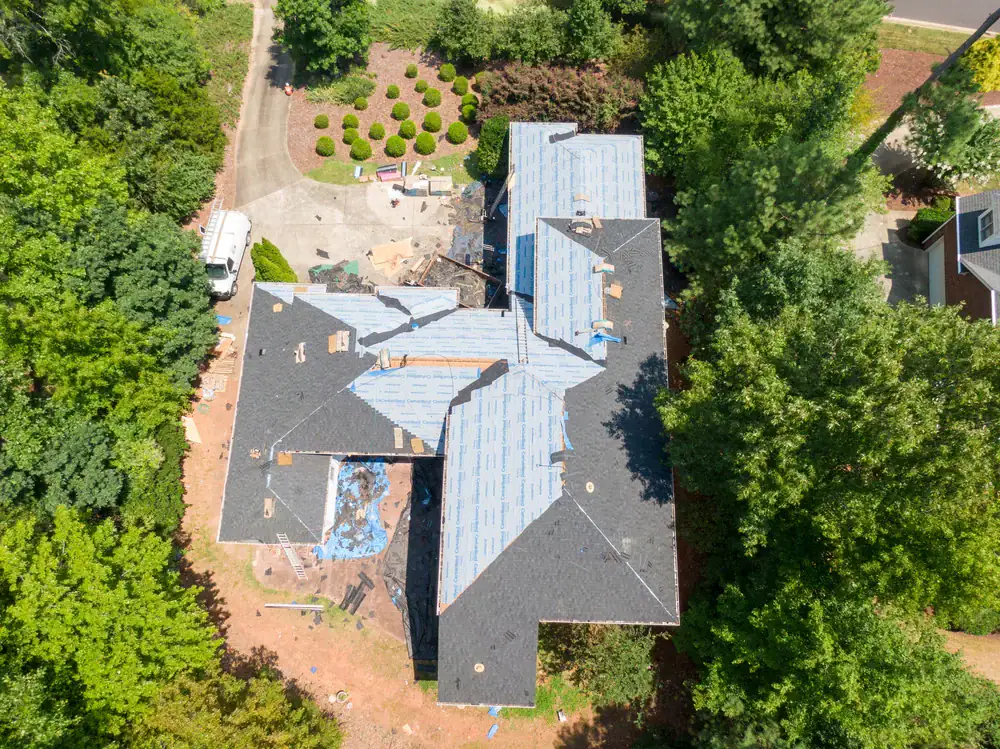
Aerial view of a residential roof undergoing commercial roofing repairs in Acton, California.
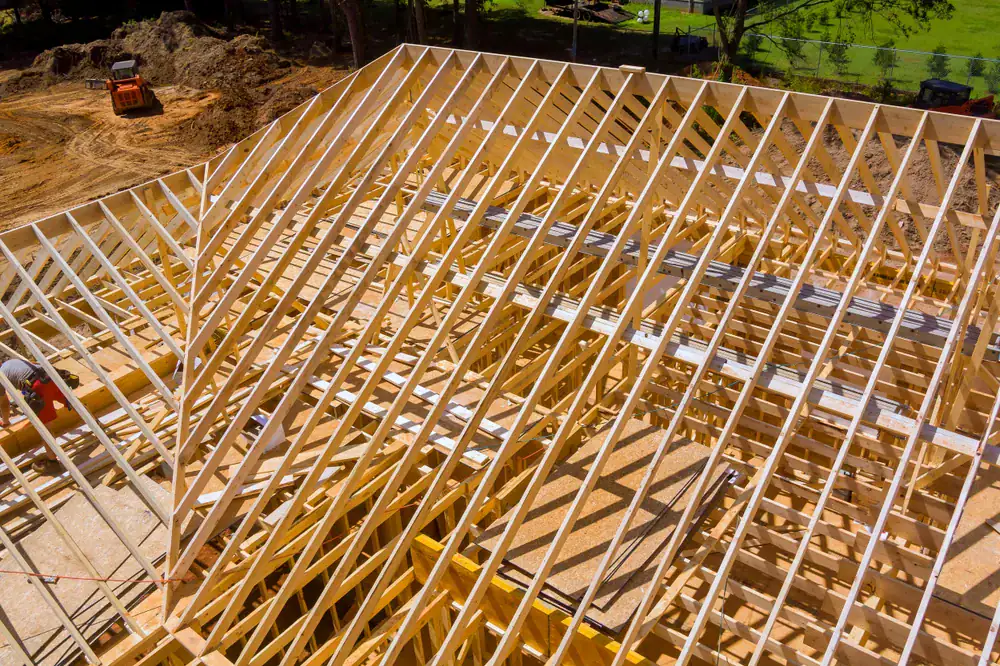
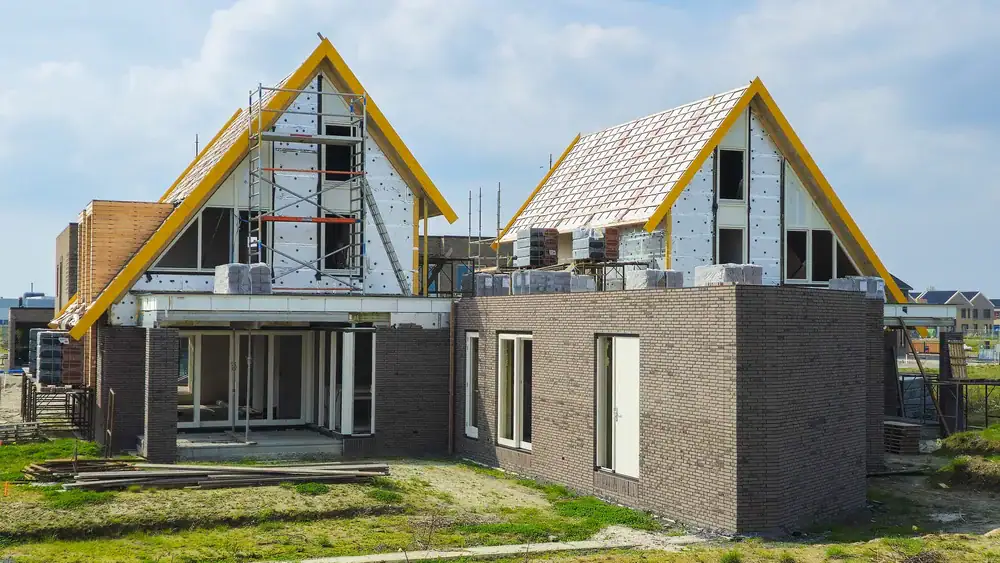
Roof framing under construction in Acton, CA for a commercial building.

Commercial Roof Maintenance Lake Forest

Stop Reacting to Leaks, Start Preventing Them

You’re managing a property where downtime costs money. A leak doesn’t just damage inventory or equipment—it disrupts operations, creates liability, and eats into your budget with emergency repairs that could’ve been avoided.

Regular commercial roof maintenance catches small problems before they become expensive ones. Twice-yearly inspections identify worn seams, ponding water, and membrane damage early. You extend your roof’s lifespan, keep your warranty valid, and avoid the chaos of scrambling for a contractor during a storm.

Most commercial roofing projects in Lake Forest wrap up in one to two weeks. The key is working with a contractor who plans around your schedule, minimizes disruption, and documents everything properly—especially if you’re dealing with an insurance claim. You need someone who shows up with the right crew, the right materials, and a clear plan that doesn’t leave your building exposed.

Licensed Roofing Contractor Lake Forest CA

Family-Owned, Crew-Loyal, Properly Licensed

We hold a C-39 specialty roofing license and factory certifications that most contractors don’t bother getting. We’ve been serving commercial properties across Los Angeles County and Orange County for decades, and our crew reflects that—many of our team members have been with us for years.

Lake Forest’s mix of commercial properties, from retail centers to industrial facilities, demands roofing systems that handle California’s heat, wind, and occasional heavy rain. We’ve worked on everything from healthcare buildings to manufacturing plants, and we know what holds up here.

Our BBB A+ rating isn’t just a badge—it reflects how we operate. We document every job with photos, walk you through your options without overselling, and make sure you understand what you’re getting before we start.

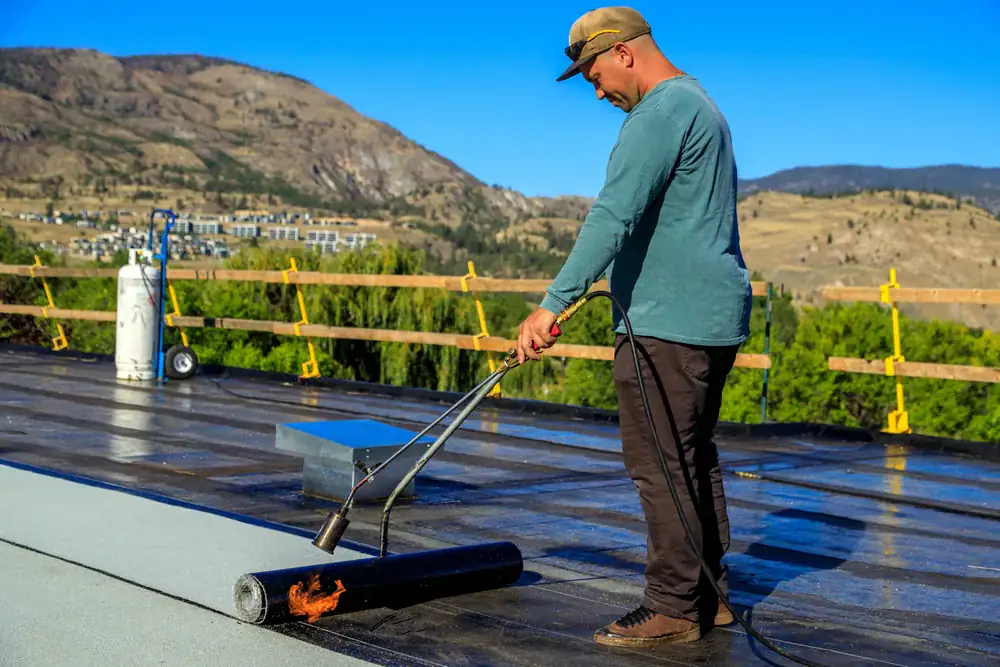
Professional roofing contractor applying roofing membrane on commercial roof in Acton, CA.

Commercial Roofing Process Lake Forest

Here's What Happens From Start to Finish

First, we inspect your roof and document what we find. You get photos, a clear explanation of any issues, and a breakdown of your options—repair, restoration, or replacement. No pressure, just information.

If you’re moving forward, we schedule the work around your operations. For flat roof systems, TPO and PVC roofing, or Title 24 cool roof restoration, we coordinate material delivery, crew scheduling, and any necessary permits. You’ll know exactly when we’re starting and how long it’ll take.

During the project, we keep the site clean and minimize disruption. Our crew has done this enough times to know how to work efficiently without creating chaos for your tenants or employees. Once we’re done, you get documentation of the completed work—useful for warranty claims, insurance records, or future property sales.

If you’re filing an insurance claim, we provide the photo documentation and detailed reports your carrier needs. We’ve handled enough claims to know what adjusters look for, and we make sure you’re not left scrambling for paperwork.

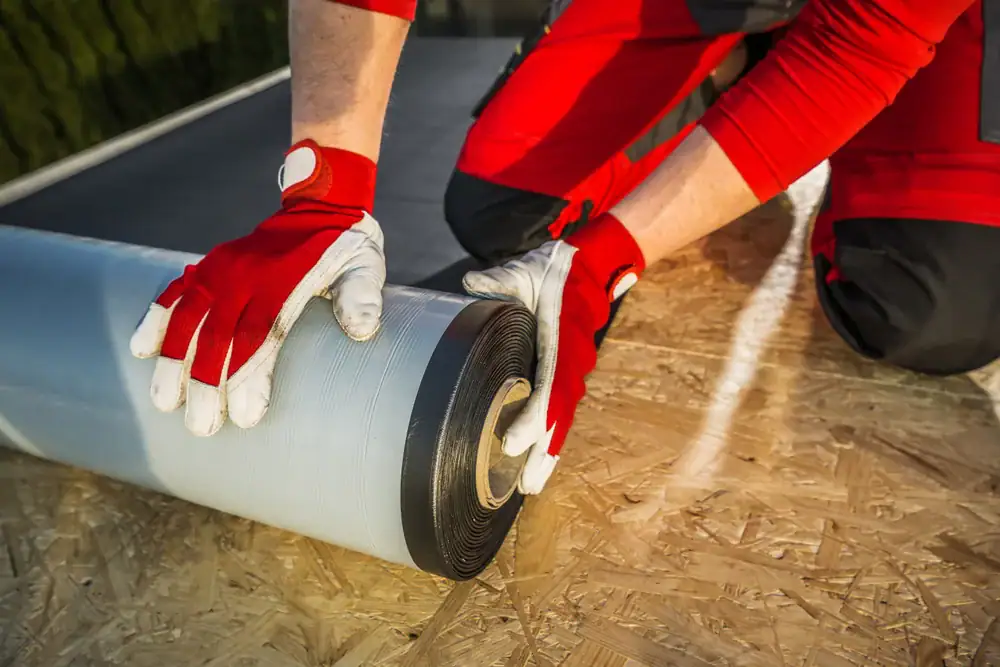
Roofing membrane installation for commercial building in Acton, CA.

Explore More Services

About Royal Roofing Company

Flat Roof Systems Lake Forest CA

What You Actually Get With Commercial Roofing

Commercial properties in Lake Forest typically need flat roof systems, and the two most common options are TPO and PVC roofing. Both are single-ply membranes that offer durability and energy efficiency, but they’re not identical.

TPO roofing is cost-effective and performs well in California’s heat. It’s heat-welded at the seams, creating a watertight barrier that holds up against UV exposure. PVC roofing costs more upfront but offers superior chemical resistance—important if your building has restaurant exhaust, manufacturing emissions, or other rooftop equipment that produces fumes.

Title 24 cool roof restoration is required for many commercial buildings in California. These reflective coatings reduce heat absorption, lower cooling costs, and help you meet state energy efficiency standards. If your roof is structurally sound but showing age, restoration can add years of life without the cost of a full replacement.

Industrial roofing solutions often involve more complex systems—multiple penetrations, heavy equipment loads, and specialized drainage. We handle hot mop systems, built-up roofing, and modified bitumen installations that require experienced crews and proper licensing. You’re not getting a residential roofer trying to figure out commercial work—you’re getting a C-39 licensed contractor who does this every day.

New commercial roofing installation on modern buildings in Acton, CA.

How often should I have my commercial roof inspected in Lake Forest?

Twice a year minimum—once before summer heat and once before winter rains. California’s intense sun degrades roofing membranes over time, and even small cracks or loose seams can turn into major leaks during a storm.

Most commercial roof failures don’t happen overnight. They start with minor issues that go unnoticed until water is pooling inside your building. Regular inspections catch these problems early, when repairs are simple and inexpensive.

If your building has rooftop HVAC units, solar panels, or heavy foot traffic, you need inspections more often. Equipment vibration loosens fasteners, foot traffic wears down membranes, and solar installations create new penetration points that need monitoring. Waiting until you see a leak means you’re already dealing with damage—and probably paying a lot more to fix it.

Both are single-ply membranes that work well in Lake Forest, but they’re designed for different situations. TPO is heat-welded, UV-resistant, and more affordable. It’s a solid choice for most commercial buildings—retail centers, office buildings, warehouses.

PVC costs more but handles chemical exposure better. If your roof is near restaurant exhaust vents, manufacturing emissions, or anything that produces grease or fumes, PVC won’t break down the way TPO might. It’s also more flexible in cold weather, though that’s less of a concern here in Southern California.

The real decision comes down to your building’s specific conditions and your budget. A quality TPO installation will last 15-20 years with proper maintenance. PVC can push 20-25 years. Both meet Title 24 cool roof requirements when installed with the right reflective coatings. We’ll walk you through what makes sense for your property—no upselling, just honest information based on what we’ve seen work.

Most projects finish in one to two weeks, depending on building size and weather. A 10,000 square foot flat roof with straightforward access and no complications usually takes about a week. Larger buildings, complex drainage systems, or roofs with multiple penetrations take longer.

Weather delays happen. We don’t install roofing in the rain, and we won’t leave your building exposed overnight if there’s a chance of precipitation. That means scheduling matters—late spring through early fall gives you the most predictable weather windows in Lake Forest.

The bigger factor is planning. We coordinate material delivery before we start, so we’re not waiting on supplies mid-project. Our crew shows up on time, works efficiently, and cleans up daily. You’re not dealing with a half-finished roof and a messy site for weeks. We also schedule around your business operations—if you need us to work evenings or weekends to avoid disrupting your tenants, we make it happen.

If you’re replacing more than 2,000 square feet of roofing or doing a roof that covers conditioned space, yes. California’s Title 24 energy standards require cool roofs on most commercial buildings—roofing systems with high solar reflectance and thermal emittance that reduce heat absorption.

Cool roofs lower your cooling costs, sometimes significantly. In Lake Forest’s warm climate, a reflective roof can reduce surface temperatures by 50-60 degrees compared to traditional dark roofing. That means your HVAC system works less, your energy bills drop, and your building stays more comfortable.

Compliance isn’t optional, and it’s not something you can skip. Inspectors check for it, and non-compliant roofs can create problems during property sales or refinancing. We handle Title 24 compliance on every commercial project—proper materials, correct installation, and documentation that proves you meet state requirements. You don’t have to become an expert in energy codes. We make sure it’s done right from the start.

Start with licensing. California requires a C-39 specialty license for commercial roofing, and plenty of contractors operate without it. If they’re not properly licensed, you’re taking on liability you don’t need—and their work probably won’t meet code.

Factory certifications matter too. Manufacturers like GAF, Firestone, and Carlisle certify contractors who meet their installation standards. That certification means the contractor knows how to install the system correctly, and it often extends your warranty coverage. A contractor without certifications might be cheaper, but you’re gambling on whether they actually know what they’re doing.

Check their BBB rating and reviews, but read between the lines. Every contractor has a few complaints—what matters is how they respond. Do they fix problems, or do they disappear? Ask for references from similar projects. If you’re managing a retail center, talk to other property managers they’ve worked with. If you’re overseeing an industrial facility, find out if they’ve handled similar buildings. Experience with your type of property makes a difference.

Age is the first indicator. Most commercial flat roof systems last 15-25 years depending on the material and maintenance history. If your roof is approaching that range and you’re seeing multiple issues—leaks, membrane cracks, widespread ponding water—replacement usually makes more sense than patching.

Isolated damage can often be repaired. A small section of torn membrane, a few loose seams, or localized blistering doesn’t mean you need a new roof. But if repairs are becoming frequent, or if the underlying insulation is saturated, you’re throwing money at a failing system.

We’ll inspect your roof and give you an honest assessment. Sometimes a restoration coating can add 10-15 years of life to a structurally sound roof that just looks worn. Other times, the deck is compromised, the insulation is soaked, and patching won’t solve the real problem. You’ll get photos, a clear explanation of what’s happening, and a cost comparison between repair and replacement. Then you decide what makes sense for your budget and your building’s future.

Other Services we provide in Lake Forest