State Licensed “SINCE 1982”

CSLB C-39 #432352

Full Workers Comp. & $2M Liability Insurance
OUR EMPLOYEE ROOFERS ARE FACTORY CERTIFIED
*Serving most of Southern California*
State Licensed “SINCE 1982” CSLB C-39 #432352
Full Workers Comp. & $2M Liability Insurance
OUR EMPLOYEE ROOFERS ARE FACTORY CERTIFIED.

*Serving most of Southern California*

Commercial Roofing Contractor in Lake Los Angeles, CA

Your Roof Protects Everything Below It

When commercial roofs fail in Lake Los Angeles, it doesn’t just mean leaks—it means disrupted operations, expensive emergency repairs, and tenants calling at the worst times.
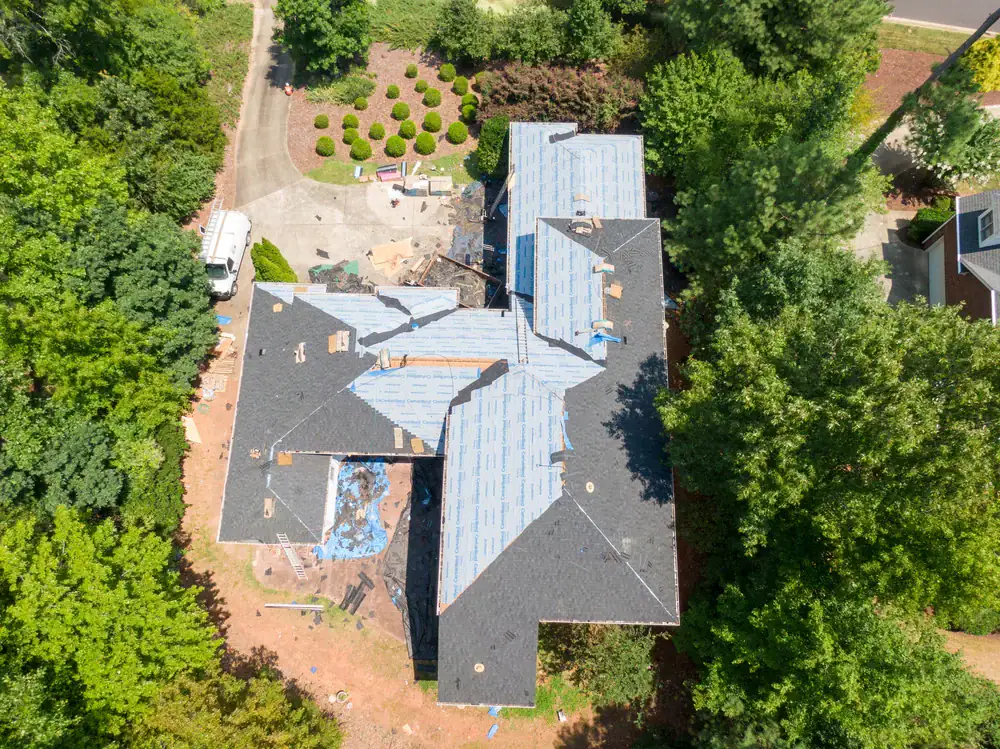
Aerial view of a residential roof undergoing commercial roofing repairs in Acton, California.
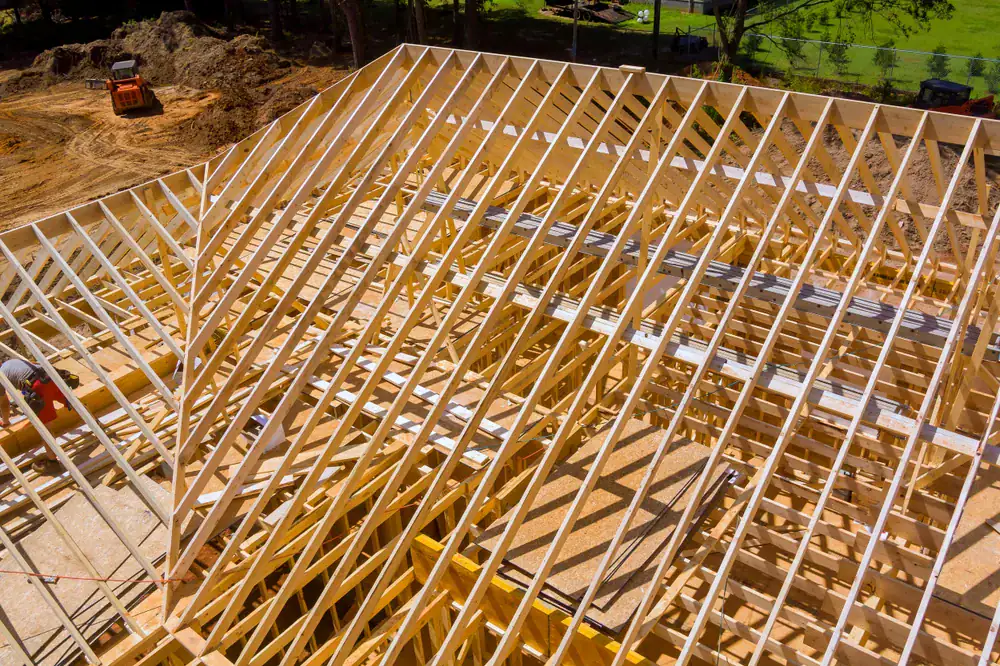
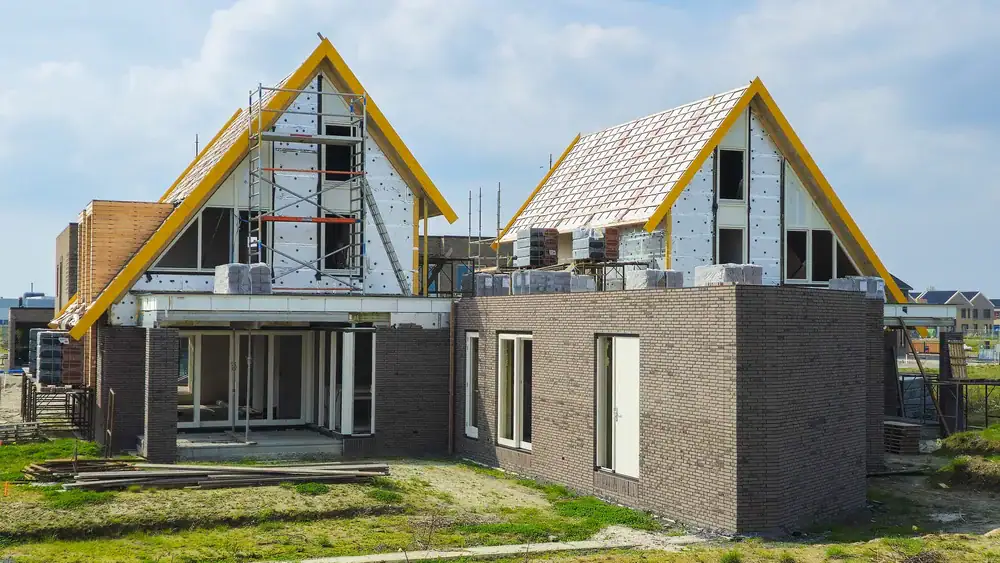
Roof framing under construction in Acton, CA for a commercial building.

Commercial Roof Systems Lake Los Angeles

What Happens When Your Roof Actually Works

You stop worrying about the next rainstorm. You’re not scrambling to find a contractor when water starts dripping into your office space or warehouse. Your energy bills drop because your roof isn’t absorbing heat like a sponge all summer.

That’s what a properly installed commercial roof does. It keeps your building dry, your operations running, and your maintenance budget predictable. No surprise failures. No emergency calls on weekends. Just a roof that does its job for 20-plus years.

In Lake Los Angeles, where temperatures swing from scorching summer heat to occasional heavy winter rains, your flat roof systems need to handle both extremes without breaking down. TPO and PVC roofing membranes are built for exactly that—they reflect heat to cut cooling costs and seal tight against water intrusion. When they’re installed right, they last. When they’re not, you’ll know within the first year.

Lake Los Angeles Commercial Roofing Experts

Nearly 50 Years Serving Los Angeles County

We’ve been handling commercial roofing projects across Los Angeles County since the mid-1970s. We hold a California C-39 specialty roofing license, factory certifications from major manufacturers, and an A+ BBB rating. Our crews have been with us for decades—not months.

That matters in Lake Los Angeles, where desert winds, intense UV exposure, and temperature extremes put commercial roofs through more stress than coastal areas. We’ve seen what fails here and what lasts. We know which membrane systems hold up and which shortcuts come back to haunt property managers three years later.

You’re not getting a sales pitch from someone who just started last year. You’re talking to people who’ve been on roofs in this region longer than most contractors have been in business.

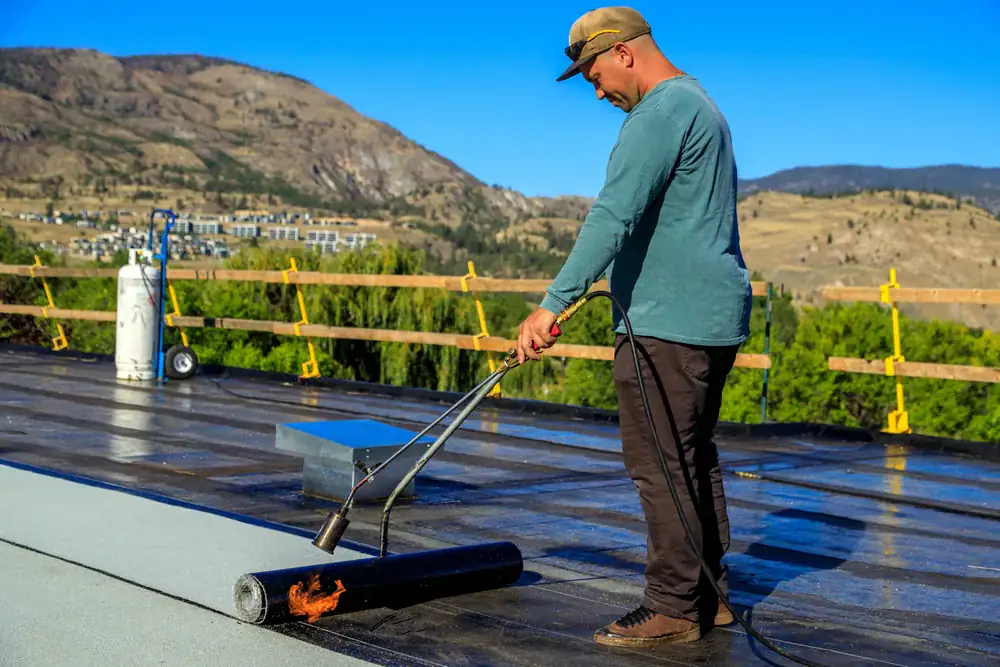
Professional roofing contractor applying roofing membrane on commercial roof in Acton, CA.

Our Commercial Roofing Process

How We Handle Your Commercial Roof Project

First, we inspect your existing roof—not from the ground, but up there with a camera. We document what’s failing, what’s still good, and what you’re looking at cost-wise. You get photos and a written assessment, not a vague estimate.

If you’re moving forward, we schedule the work around your operations. For most commercial buildings in Lake Los Angeles, that means early starts to avoid the afternoon heat and coordinating with tenants so nobody’s surprised by noise or equipment. We’re not showing up unannounced or blocking access without warning.

During installation, we follow manufacturer specs exactly. That’s how you get the full warranty. We’re factory-certified for TPO and PVC systems, which means we’ve been trained on proper seam welding, flashing details, and substrate prep. Cutting corners might save a day, but it costs you years of roof life.

After we’re done, you get documentation—photos of the completed work, warranty paperwork, and a maintenance schedule. If you ever need to file an insurance claim or sell the property, you’ll have proof the roof was installed correctly.

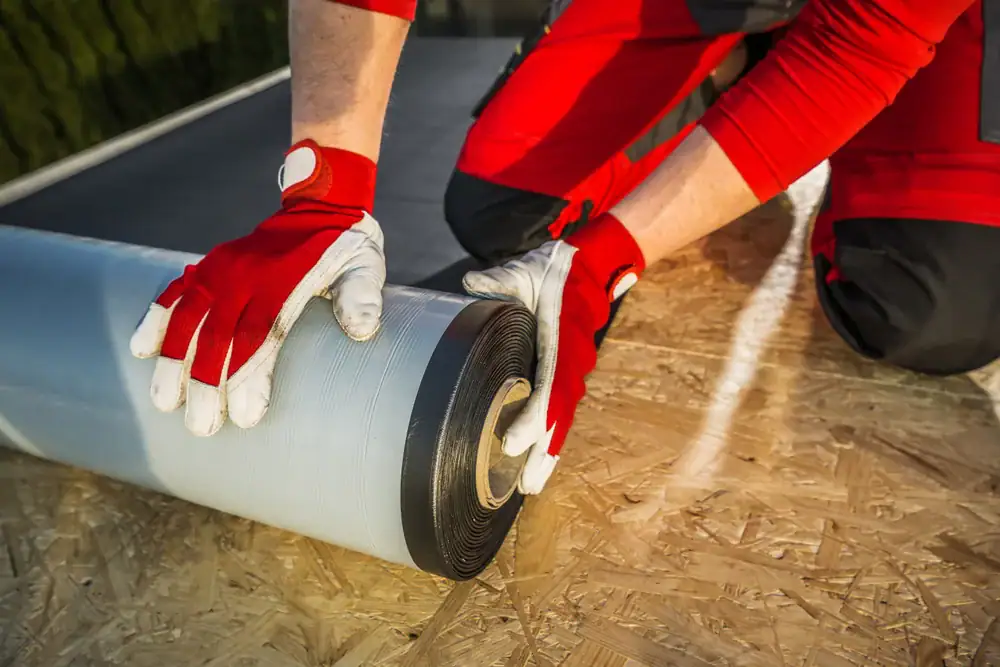
Roofing membrane installation for commercial building in Acton, CA.

Explore More Services

About Royal Roofing Company

Commercial Roof Services Lake Los Angeles

What's Included in Commercial Roof Installation

You’re getting a Title 24 compliant cool roof system—required by California for commercial buildings when you’re replacing more than 2,000 square feet. That’s not optional. It’s code. But it also cuts your cooling costs, sometimes significantly, because these membranes reflect solar heat instead of absorbing it.

We handle TPO, PVC, and other single-ply membrane systems. TPO is the most common—it’s affordable, durable, and meets Title 24 requirements. PVC costs more but offers better chemical resistance if your roof is exposed to oils or grease. We’ll tell you which makes sense for your building and budget.

In Lake Los Angeles, wind uplift is a real concern. We’re not just gluing down a membrane and calling it done. Proper attachment matters—mechanically fastened or fully adhered depending on your roof deck and wind exposure. We calculate the load requirements and install accordingly.

You also get a commercial roof maintenance plan option. Catching small problems early—a loose seam, a clogged drain, a puncture from debris—saves you from major repairs later. Most commercial roofs fail because of neglect, not age.

New commercial roofing installation on modern buildings in Acton, CA.

How long does a commercial flat roof last in Lake Los Angeles?

Expect 15 to 25 years from a properly installed TPO or PVC membrane system. That’s assuming regular maintenance—clearing drains, inspecting seams, fixing small issues before they spread.

Lake Los Angeles weather accelerates wear if the roof isn’t built to handle it. UV exposure is intense here. Summer heat can push surface temperatures past 160 degrees. If your membrane isn’t rated for high heat or the seams weren’t welded correctly, you’ll see failures in under 10 years.

The roof’s lifespan also depends on what’s underneath. If your substrate is rotting or your insulation is soaked, a new membrane won’t fix that. We check the entire system during inspection—not just the top layer.

Title 24 is California’s energy code. It requires commercial buildings with low-slope roofs to install cool roofing when you’re replacing more than 2,000 square feet. Cool roofs reflect solar heat instead of absorbing it, which reduces your building’s cooling load.

Most TPO and PVC membranes meet Title 24 automatically—they’re designed with high solar reflectance and thermal emittance. You’ll need documentation proving compliance, which we provide after installation. If you skip this, you’re not passing inspection.

The benefit isn’t just regulatory. Lower roof temperatures mean lower energy bills. In Lake Los Angeles, where summer temps regularly hit the 90s and above, that adds up. Some property managers see noticeable drops in cooling costs after switching to a cool roof system.

Most commercial flat roof installations run between $5 and $12 per square foot, depending on the membrane type, roof size, and how much prep work is needed. TPO is usually on the lower end. PVC costs more. If we’re tearing off multiple old layers or replacing damaged decking, that adds to the price.

You’ll get a written estimate after we inspect your roof. We’re not guessing from the ground. We need to see what’s up there—how many layers exist, whether the substrate is solid, if there’s ponding water, and what kind of flashing and penetrations we’re dealing with.

Financing the work over time often makes more sense than waiting until the roof fails completely. Emergency repairs cost more, and by then, you might be dealing with interior damage too. A planned replacement on your timeline is always cheaper than a crisis.

Yes. We schedule commercial projects to minimize disruption. That usually means starting early before your building gets busy, coordinating with tenants, and keeping work zones clearly marked.

Most commercial roof work happens above you—not inside your space. You’ll hear noise during tear-off and equipment operation, but we’re not shutting down your building. If you’ve got specific concerns—like a server room that can’t handle vibration or a retail space that needs access kept clear—we plan around that.

For larger projects, we can phase the work so only part of your roof is under construction at a time. That way, your operations continue with minimal interruption. We’ve done this for office buildings, warehouses, and retail centers across Los Angeles County. It’s standard practice for us.

Both are single-ply membranes that meet Title 24 cool roof requirements. TPO is more affordable and handles most commercial applications well—it’s heat-reflective, durable, and widely used. It’s the default choice for office buildings, warehouses, and retail centers.

PVC costs more but offers better chemical resistance. If your roof is exposed to grease, oils, or certain industrial chemicals, PVC holds up better long-term. It’s also slightly more flexible in cold weather, though that’s less of a concern in Lake Los Angeles.

Installation quality matters more than the membrane type in most cases. A poorly installed PVC roof will fail faster than a properly installed TPO roof. We’re factory-certified for both, so we’ll recommend what makes sense for your building and budget—not what’s easiest for us to install.

Yes. We respond to emergency leak calls across Lake Los Angeles and Los Angeles County. If water’s coming in and you need it stopped now, we’ll get someone out to assess the damage and make temporary repairs to prevent further issues.

That said, emergency repairs are just that—temporary. If your roof is failing, a patch might buy you time, but it’s not a long-term fix. We’ll be honest about whether you need a full replacement or if a repair will actually hold.

Most emergency leaks happen because small problems were ignored. A clogged drain leads to ponding water. Ponding water eventually finds a weak seam. That seam opens up, and suddenly you’ve got water in your building. Regular inspections catch these issues before they become emergencies. We offer commercial roof maintenance programs specifically to avoid those 2 a.m. phone calls.

Other Services we provide in Lake Los Angeles