State Licensed “SINCE 1982”

CSLB C-39 #432352

Full Workers Comp. & $2M Liability Insurance
OUR EMPLOYEE ROOFERS ARE FACTORY CERTIFIED
*Serving most of Southern California*
State Licensed “SINCE 1982” CSLB C-39 #432352
Full Workers Comp. & $2M Liability Insurance
OUR EMPLOYEE ROOFERS ARE FACTORY CERTIFIED.

*Serving most of Southern California*

Commercial Roofing Contractor in Lakewood, CA

Your Roof Shouldn't Be Your Biggest Liability

When your commercial roof fails, everything stops—tenants complain, operations get disrupted, and costs spiral. You need someone who understands Title 24, insurance claims, and what it takes to keep your property running.
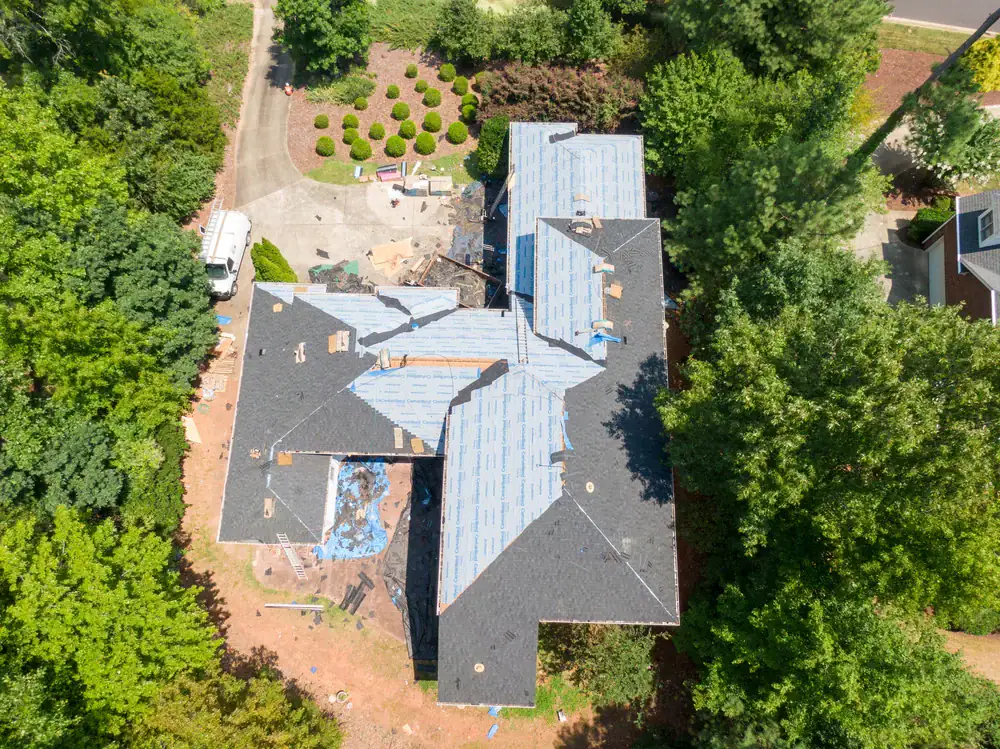
Aerial view of a residential roof undergoing commercial roofing repairs in Acton, California.
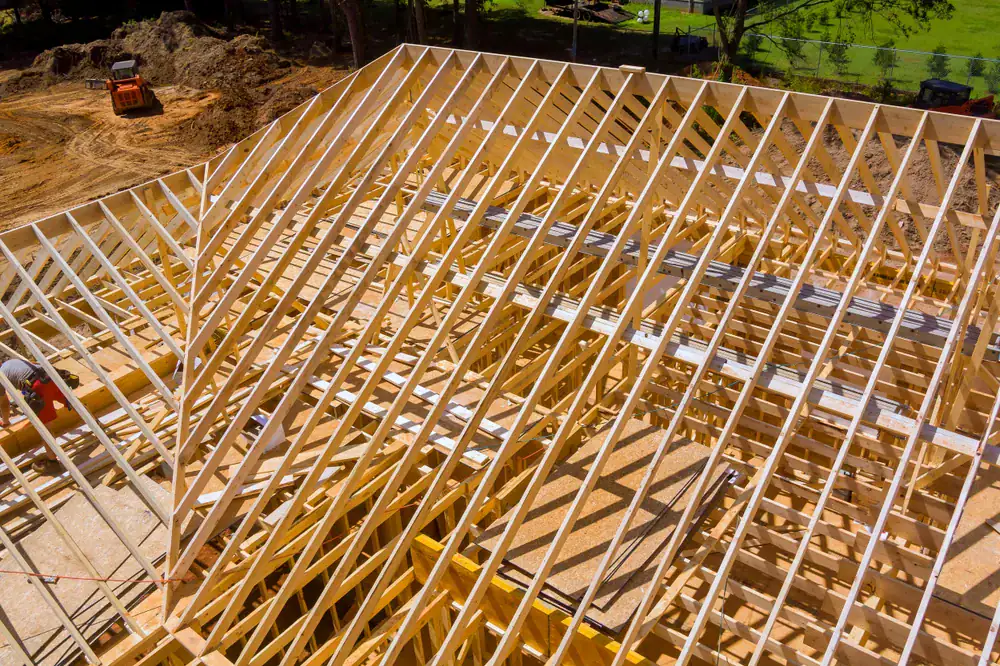
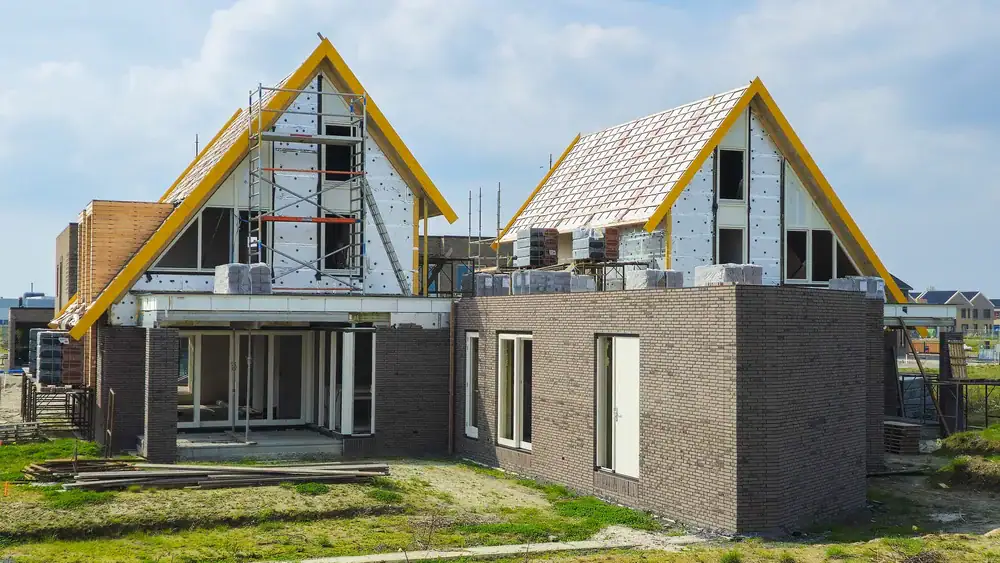
Roof framing under construction in Acton, CA for a commercial building.

Commercial Roof Maintenance in Lakewood

What You Actually Get When the Work's Done

You’re not just getting a roof that doesn’t leak. You’re getting documentation that satisfies your insurance carrier, compliance that meets California Title 24 standards, and a system that won’t force you into another replacement conversation in five years.

Your property manager stops fielding tenant complaints about water stains. Your maintenance budget becomes predictable instead of reactive. And when the next storm rolls through Lakewood, you’re not scrambling to find emergency repair crews at premium rates.

That’s what happens when the work is done right the first time—by people who’ve been doing this for nearly 50 years and understand what commercial property managers actually need. Not just a patch job, but a roof system that performs, a paper trail that protects you, and communication that doesn’t leave you guessing what’s happening on your building.

Lakewood Commercial Roofing Experts

Nearly Five Decades in Los Angeles County

We’ve been handling commercial roofing projects across Los Angeles County since the mid-1970s. We hold a C-39 specialty contractor license, maintain factory certifications for TPO and PVC roofing systems, and carry an A+ BBB rating because we show up when we say we will and document everything.

Our crews aren’t subcontractors rotating through job sites. Many have been with us for decades. They know the difference between a quick fix and a lasting solution, and they understand that your Lakewood property has tenants, operations, and a reputation to protect.

We’ve worked with property managers overseeing industrial warehouses, retail centers, apartment complexes, and HOA communities throughout Lakewood and the surrounding area. We know what Title 24 compliance actually requires, how to navigate insurance claims without the runaround, and why flat roof systems in Southern California need specific attention to drainage and UV exposure.

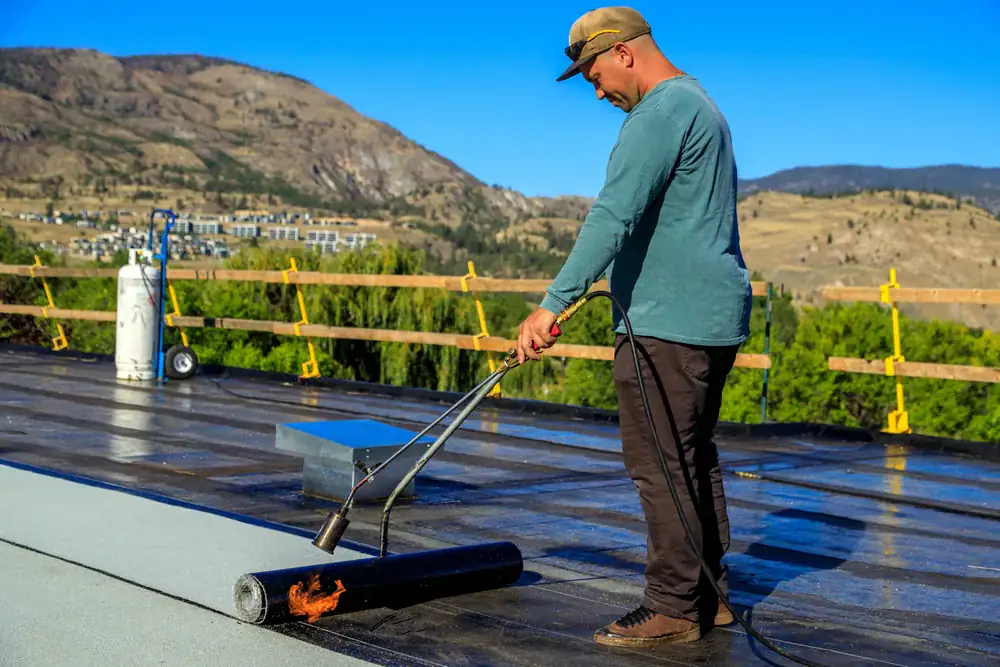
Professional roofing contractor applying roofing membrane on commercial roof in Acton, CA.

Commercial Roofing Process in Lakewood

Here's How We Handle Your Commercial Roof

It starts with an actual inspection—not a sales pitch. We get on your roof, document what we find with photos, and identify whether you’re looking at a repair, a restoration, or a full replacement. If it’s insurance-related, we know what adjusters need to see.

Once we’re clear on scope, you get a detailed estimate that breaks down materials, labor, timeline, and any Title 24 compliance requirements. No vague line items. No surprises later. If we’re installing a cool roof system or working with TPO membranes, we explain why and what it means for your energy costs and code compliance.

During the work, we coordinate with your property manager to minimize disruption. That might mean staging work in phases, working around tenant hours, or setting up protection zones for high-traffic areas. Our crews document progress daily, and you get photos of completed work—critical if you’re filing an insurance claim or need records for your property portfolio.

After installation, you receive warranty documentation, maintenance recommendations, and a contact who actually answers when you call. We’re not disappearing after the check clears.

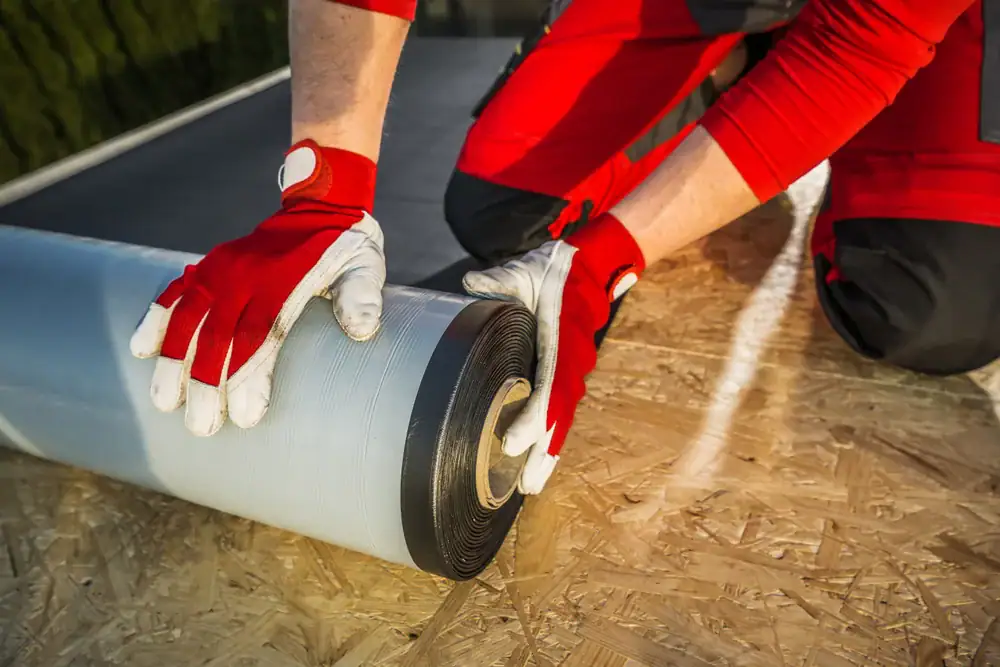
Roofing membrane installation for commercial building in Acton, CA.

Explore More Services

About Royal Roofing Company

Flat Roof Systems and Title 24 Compliance

What's Included in Commercial Roof Work

Commercial roofing in Lakewood isn’t just about stopping leaks. It’s about meeting California’s Title 24 energy codes, which require most low-slope commercial buildings to hit an SRI of 75 to 85. That means cool roof systems—typically TPO or PVC single-ply membranes—that reflect sunlight instead of absorbing it.

We handle flat roof systems, modified bitumen, and hot mop applications for properties that need specialized solutions. If your building has an older built-up roof that’s still structurally sound, we can often restore it with a cool roof coating system that adds 15-20 years of warranted life at a fraction of replacement cost. That’s a real option for property managers trying to stretch capital budgets without sacrificing performance.

For industrial roofing solutions—warehouses, manufacturing facilities, large retail centers—we use thermal imaging and moisture detection to find problems before they become crises. Water trapped in insulation doesn’t always show up as a visible leak, but it’s degrading your roof system and driving up your HVAC costs. Catching it early saves you money.

And if you’re managing multiple properties across Lakewood and LA County, we can set up preventive maintenance schedules with centralized documentation. One point of contact, consistent standards, and a history of every building we’ve touched for you.

New commercial roofing installation on modern buildings in Acton, CA.

How long does a commercial roof replacement take in Lakewood?

It depends on the size of your building, the roofing system you’re installing, and whether we’re working around tenants or business operations. A typical 10,000-square-foot flat roof replacement with TPO or PVC membrane usually takes one to two weeks from start to finish, assuming normal weather and no major structural surprises.

Larger industrial buildings or multi-phase projects can stretch longer, especially if we’re coordinating with property managers to avoid disrupting retail hours or apartment residents. We map out the timeline before we start so you know what to expect and can communicate with tenants.

Weather matters more than most people realize. We don’t install roofing systems in the rain, and Southern California’s occasional winter storms can push schedules. But we build buffer time into our estimates and keep you updated if anything shifts.

Roof repair addresses specific problems—patching a leak, replacing damaged flashing, fixing a section where ponding water caused deterioration. It’s a short-term fix to stop immediate damage, and it’s the right move when your roof system is otherwise sound.

Roof restoration is a bigger play. We’re taking an aging roof that’s still structurally intact and applying a cool roof coating system that seals the entire surface, meets Title 24 requirements, and extends the roof’s life by 15 to 20 years. It costs 40-60% less than a full replacement and comes with a warranty. It’s a smart option for property managers who need performance but don’t have replacement-level capital budgets right now.

Restoration only works if the underlying structure is solid. If your roof deck is compromised, if there’s widespread moisture damage, or if the existing system is beyond its useful life, restoration won’t cut it. That’s why we inspect first and tell you honestly what makes sense for your building and your budget.

If you’re doing a roof replacement or a significant re-roofing project on a commercial building in Lakewood, yes—California Title 24 requires most low-slope roofs to meet specific Solar Reflectance Index standards, typically SRI 75 to 85. That’s designed to reduce heat absorption, cut cooling costs, and lower overall energy demand.

Cool roofs use reflective materials—usually white or light-colored TPO, PVC, or coated membranes—that bounce sunlight back instead of turning your roof into a heat sink. The energy savings are real. Studies show cool roofs can cut cooling costs by 7-15%, and in some cases up to 40% for metal roofs in hot climates.

There are exceptions depending on your building type, roof slope, and whether you’re doing new construction or a retrofit. But if you’re replacing a flat roof system on a commercial property, plan on Title 24 compliance being part of the conversation. We handle the specs, the installation, and the documentation so you’re covered if an inspector shows up.

You don’t always see it from inside the building until it’s bad. Water can sit trapped in insulation layers, pooling in low spots on flat roofs, slowly degrading your roof system without causing an obvious ceiling leak. By the time you see stains or dripping, the damage is often more extensive than you think.

We use thermal imaging and moisture detection during inspections to find trapped water before it becomes a crisis. Temperature differences show up on thermal cameras—wet insulation holds heat differently than dry material. It’s not guesswork. We can map exactly where moisture has infiltrated and how widespread the problem is.

Ponding water is another red flag. If water sits on your roof for more than 48 hours after a rainstorm, your drainage isn’t working right, and you’re setting yourself up for leaks, membrane deterioration, and structural issues. Fixing drainage problems early—before they cause expensive damage—is one of the smartest maintenance moves a property manager can make.

Yes. We’ve handled insurance-driven roofing projects for decades, and we know what adjusters need to see. That means detailed photo documentation of damage, clear scope-of-work estimates that match insurance language, and communication that keeps the claim moving instead of stalling out in paperwork.

Insurance claims get complicated fast. Adjusters delay site visits, coverage disputes drag on, and contractors who don’t understand the process make it worse by submitting incomplete documentation. We’ve seen property managers stuck in limbo for months because their roofer didn’t provide the right details up front.

We document everything—before, during, and after. If your Lakewood property took hail damage, wind damage, or storm-related wear, we’ll assess it, photograph it, and provide the backup your carrier needs to process the claim. And we’ll work directly with your adjuster if needed, so you’re not playing middleman between two parties speaking different languages.

A properly installed TPO or PVC single-ply membrane roof should last 20 to 30 years in Lakewood’s climate, assuming regular maintenance and no major storm damage. That’s longer than modified bitumen or built-up roofs, and the energy efficiency makes TPO and PVC the go-to choice for Title 24 compliance.

But lifespan depends heavily on installation quality and maintenance. Seams that aren’t heat-welded correctly will fail early. Ponding water will degrade even the best membrane if drainage isn’t addressed. And if you skip inspections for a decade, small problems turn into expensive ones.

We install both TPO and PVC systems with factory certifications, which means the manufacturer backs the materials and our installation work. You get a real warranty—not a piece of paper that disappears when you need it. And we’ll set up a maintenance schedule so your roof actually hits that 20-to-30-year mark instead of failing at year 12 because no one checked the drains.

Other Services we provide in Lakewood