Appointments Available
Phone Support 24/7
Bell Gardens, CA 90201
*Serving most of Southern California*
Appointments Available
Phone Support 24/7
Bell Gardens, CA 90201
A properly installed commercial roof does more than keep water out. It cuts your cooling costs by 10-30% when you’re using the right reflective materials. It keeps your building compliant with California’s Title 24 requirements so you don’t get flagged during inspections or insurance reviews.
Most importantly, it doesn’t interrupt your business. No emergency calls on weekends. No scrambling to move equipment or relocate tenants because someone missed a problem six months ago.
You’re not dealing with a roof because it’s fun. You’re dealing with it because ignoring it costs more—in repairs, in energy bills, in tenant complaints, and in property value. The right contractor handles it once, documents everything for your records, and sets up a maintenance plan so you’re not reacting to leaks at the worst possible time.
We’ve been handling commercial roofing in Los Angeles for decades. Same crews, same standards, same family running things. We hold a C-39 specialty license, factory certifications from major manufacturers, and an A+ rating with the Better Business Bureau because we show up and do what we say.
Los Angeles has specific challenges. The UV exposure here is relentless. Title 24 requirements mean most commercial projects need cool roof coatings with minimum SRI 75 ratings. Insurance companies want photo documentation and code compliance on every claim. We handle all of it because we’ve been doing it long enough to know what actually matters.
You’re not hiring a sales pitch. You’re hiring a contractor who knows how to install TPO and PVC roofing systems correctly, who understands what property managers need for their records, and who won’t disappear when the warranty matters.
We start with an inspection—often using drones so no one’s risking their neck on a 40-foot ladder. You get photos, a written assessment, and a clear explanation of what needs fixing and what can wait. If it’s an insurance claim, we document everything the way adjusters want to see it.
Once you approve the scope, we schedule around your operations. If you need us working nights or weekends to avoid disrupting tenants, we do that. If you need phased work so the whole roof isn’t torn up at once, we plan it that way.
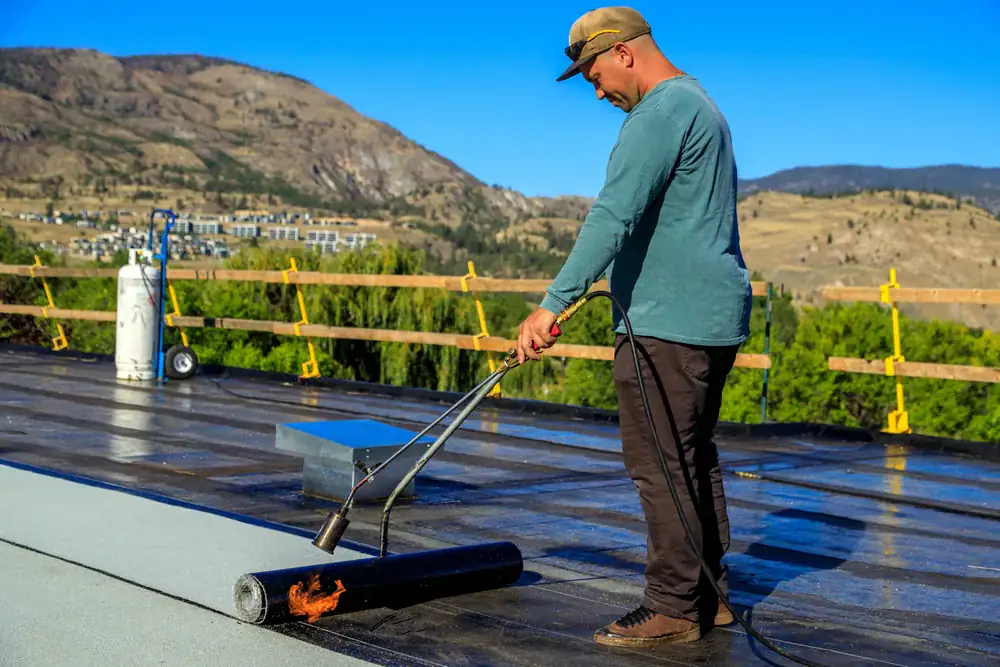
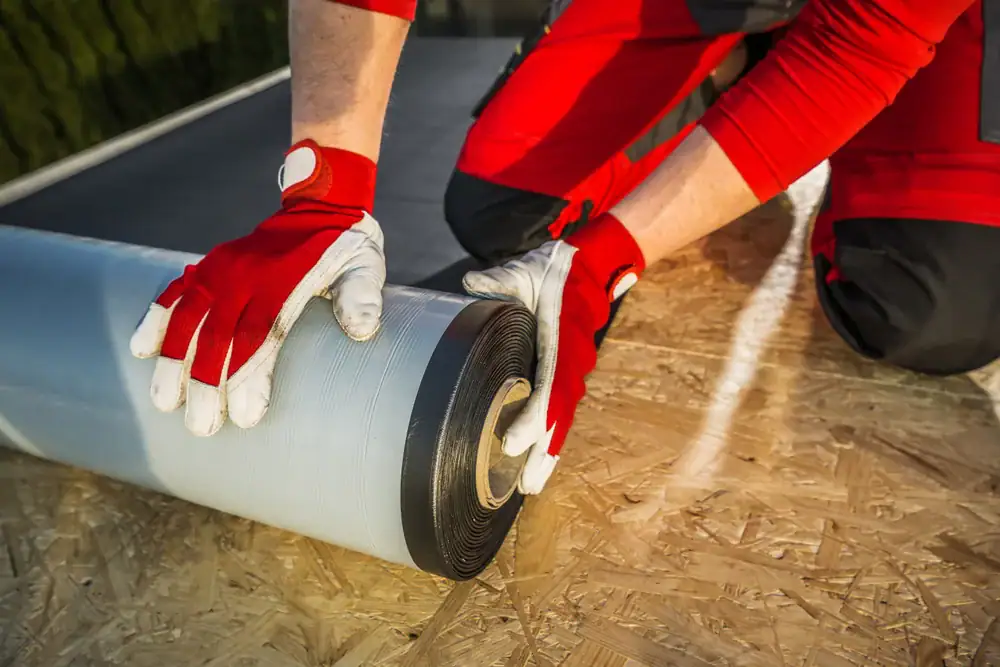
Installation depends on the system. TPO and PVC roofing for flat or low-slope roofs. Cool roof coatings for Title 24 compliance. Full tear-offs when the substrate is compromised. We’re not upselling you on things you don’t need, but we’re also not cutting corners that’ll cost you later.
After installation, you get documentation—photos, material certifications, warranty paperwork, code compliance records. Then we set up a maintenance schedule. Most commercial roofs fail because small problems go unnoticed for too long. Twice-a-year inspections catch those problems while they’re cheap to fix.
Commercial roof maintenance isn’t optional in Los Angeles. The sun here breaks down roofing materials faster than almost anywhere else in the country. Add occasional heavy rains, wind-blown debris, and the seismic shifts that stress flashing and seams, and you’re looking at a system that needs regular attention.
We handle TPO and PVC roofing because they’re the most reliable flat roof systems for commercial properties. They meet Title 24 cool roof requirements, they hold up under UV exposure, and they’re repairable when something does go wrong. If you’re recoating or replacing more than 50% of your roof or covering more than 2,000 square feet, you’re required to meet those SRI 75 minimums anyway.
Industrial roofing solutions are different than standard commercial work. Larger spans, heavier equipment loads, chemical exposure, higher traffic. We’ve handled manufacturing facilities, distribution centers, and multi-tenant industrial complexes where downtime isn’t an option.
Title 24 cool roof restoration is one of the most cost-effective ways to extend your roof’s life while cutting energy costs. A properly applied reflective coating can drop your building’s cooling costs by double digits and push your roof replacement out another 10-15 years. Not every roof qualifies, but when it does, it’s worth doing right.
Commercial roof replacement in Los Angeles typically runs between $4 and $12 per square foot depending on the system, the size of the roof, and what’s underneath. TPO roofing is usually on the lower end. PVC costs more but lasts longer in high-UV environments like ours.
Those numbers include tear-off, disposal, new membrane, flashing, and basic penetration work. They don’t include structural repairs, equipment relocation, or extensive parapet work. If your roof has underlying damage—rotted decking, compromised insulation, failed drainage—that adds to the cost.
The real question isn’t what it costs. It’s what happens if you wait. A failing roof doesn’t get cheaper to fix. It gets more expensive as water damage spreads, energy costs climb, and emergency repairs pile up. Most property managers we work with are surprised how affordable a planned replacement is compared to what they’ve been spending on patches and service calls.
Title 24 is California’s energy code. It requires most commercial roofing projects in Los Angeles to use cool roof materials with a minimum Solar Reflectance Index of 75. This applies if you’re replacing or recoating more than 50% of your roof or covering more than 2,000 square feet.
Cool roofs reflect sunlight instead of absorbing it. That keeps your building cooler, reduces your HVAC load, and cuts cooling costs by 10-30% in most commercial buildings. In Los Angeles—Climate Zone 9—the energy savings are significant enough that the code makes it mandatory for most projects.
You need compliance documentation for permits and inspections. We handle that as part of the installation. The materials we use—TPO, PVC, reflective coatings—already meet the requirements. It’s not an extra step. It’s just how commercial roofing is done correctly in California. If someone’s quoting you a job without mentioning Title 24, they either don’t know the code or they’re planning to skip it.
TPO and PVC roofing systems last 20-30 years in Los Angeles if they’re installed correctly and maintained. Built-up roofing and modified bitumen systems typically last 15-25 years. Cool roof coatings can extend an existing roof’s life by 10-15 years if the substrate is still solid.
The lifespan depends more on maintenance than the system itself. Los Angeles has intense UV exposure year-round. That breaks down roofing materials faster than in cooler climates. Add ponding water from clogged drains, wind damage from Santa Ana conditions, and normal wear around HVAC equipment, and you’ve got a roof that needs regular inspections.
Most commercial roofs fail prematurely because small problems—cracked flashing, separated seams, clogged drains—go unnoticed until they cause major damage. A twice-a-year maintenance program catches those issues while they’re cheap to fix. That’s the difference between getting 15 years out of a roof and getting 30.
Yes. Most of our commercial clients can’t shut down for a roof replacement. We schedule the work in phases, work nights or weekends if needed, and coordinate with property managers to minimize disruption.
The key is planning. If you’ve got tenants who can’t have noise during business hours, we work around that. If you’ve got equipment that needs to stay operational, we phase the work so it’s never all torn up at once. If you’ve got a retail property where weekday work isn’t an option, we schedule weekend crews.
Flat roof systems like TPO and PVC are faster to install than traditional built-up roofing. Most commercial projects are done in days, not weeks. We’re not dragging the job out. We’re getting in, doing it right, cleaning up, and getting out of your way. The goal is a roof that works without your tenants or operations ever noticing we were there.
Yes. We document everything the way insurance companies require—photos, material certifications, code compliance records, and detailed scope of work. We’ve handled enough claims to know what adjusters look for and what causes delays.
Insurance companies often push back on claims by questioning whether the damage was caused by a covered event or by deferred maintenance. That’s why documentation matters. We photograph existing conditions, document storm damage or sudden failures, and provide written assessments that separate covered damage from normal wear.
We don’t work for the insurance company. We work for you. But we know how to present a claim so it doesn’t get delayed or denied over missing paperwork. Most property managers don’t have time to fight with adjusters over code compliance or material specifications. We handle that part so you can focus on getting your building back to normal.
Our maintenance program includes twice-a-year inspections, minor repairs, drain cleaning, and documentation. The goal is catching small problems before they become expensive ones.
During inspections, we check seams, flashing, penetrations, and drainage. We look for ponding water, UV damage, and early signs of membrane failure. If we find something, we fix it on the spot if it’s minor or give you a written estimate if it’s not. You get photos and a written report after every visit.
Most commercial roofs fail because of deferred maintenance. A cracked pipe boot that costs $200 to fix turns into a $15,000 problem when water gets into the insulation and decking. Clogged drains cause ponding water that degrades the membrane. Loose flashing lets wind get under the roof and tear sections off during storms. Regular maintenance stops all of that before it starts.
Other Services we provide in Los Angeles