State Licensed “SINCE 1982”

CSLB C-39 #432352

Full Workers Comp. & $2M Liability Insurance
OUR EMPLOYEE ROOFERS ARE FACTORY CERTIFIED
*Serving most of Southern California*
State Licensed “SINCE 1982” CSLB C-39 #432352
Full Workers Comp. & $2M Liability Insurance
OUR EMPLOYEE ROOFERS ARE FACTORY CERTIFIED.

*Serving most of Southern California*

Commercial Roofing Contractor in Lynwood, CA

Your Roof Protects Everything You've Built

When your commercial roof fails, everything stops—operations, revenue, and peace of mind. You need a licensed contractor who understands California compliance and gets the job done right.
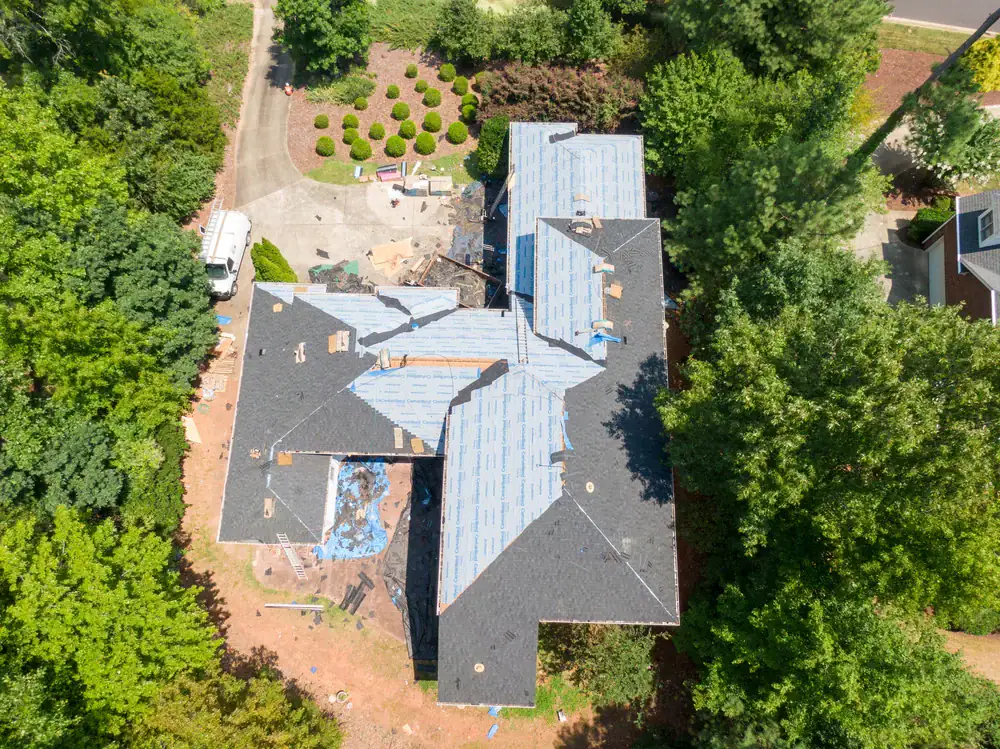
Aerial view of a residential roof undergoing commercial roofing repairs in Acton, California.
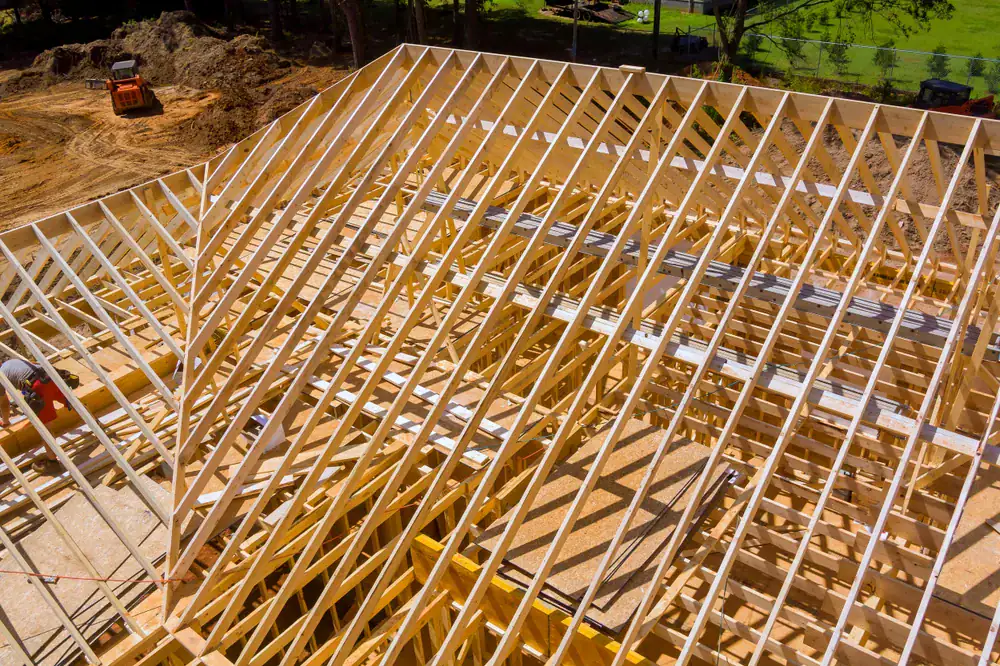
Roof framing under construction in Acton, CA for a commercial building.

Commercial Roofing Solutions in Lynwood

What a Reliable Roof Actually Does for You

A solid commercial roof means your business runs without interruption. No emergency calls about leaks during operating hours. No scrambling to move inventory or shut down sections of your building. No surprise repair bills that wreck your quarterly budget.

You get lower energy costs when your roof meets Title 24 cool roof standards. TPO and PVC roofing systems reflect heat instead of absorbing it, which means your HVAC system isn’t working overtime all summer. That’s real money back in your operating budget every month.

When your roof is installed correctly and maintained properly, you’re not dealing with insurance headaches or compliance issues. You have documentation that proves your building is protected. You have warranties that actually mean something because they’re backed by factory certifications, not just promises.

Licensed Roofing Contractor Serving Lynwood

Four Decades of Commercial Roofing in Los Angeles County

We’ve been handling commercial roofing projects in Lynwood and throughout Los Angeles County since the 1980s. We hold a California C-39 roofing contractor license, which means we meet the state’s requirements for complex commercial work. We’re not a residential crew trying to figure out commercial codes on your dime.

Our crews have been with us for decades, not months. That consistency matters when you’re trusting someone with a building that houses your employees, inventory, and equipment. We’re BBB accredited with an A+ rating because we show up, do what we say we’ll do, and document everything properly.

Lynwood’s commercial buildings face specific challenges—aging flat roof systems, Title 24 compliance requirements for any roof covering more than 50% of the existing surface, and the need for energy-efficient solutions that actually reduce costs. We’ve handled these exact issues on warehouses, retail centers, office buildings, and industrial facilities across the area.

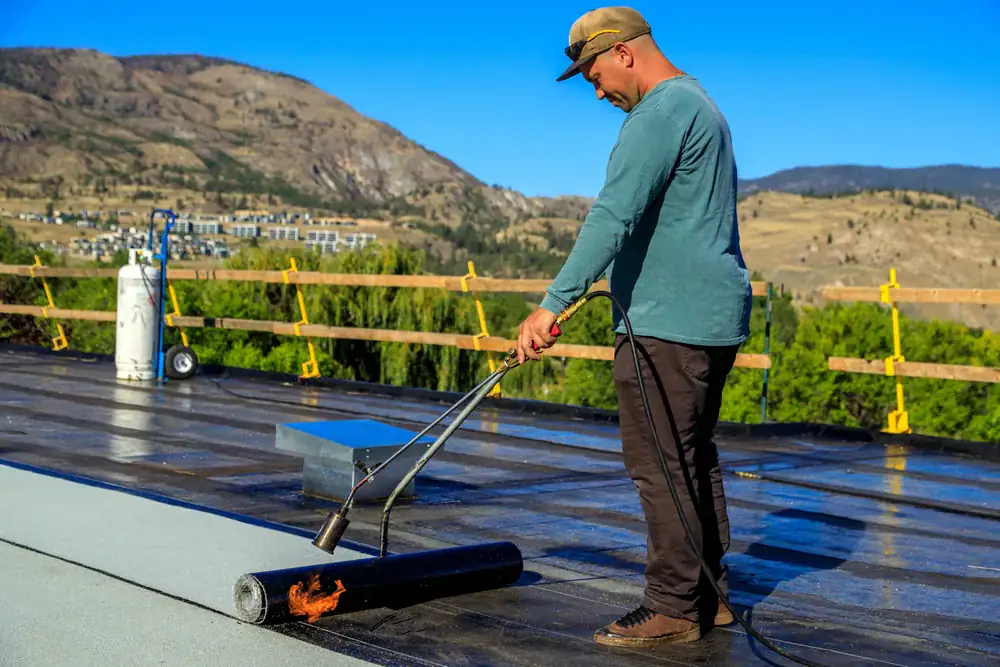
Professional roofing contractor applying roofing membrane on commercial roof in Acton, CA.

Commercial Roof Installation Process in Lynwood

Here's What Happens from Inspection to Completion

We start with a thorough roof inspection and photo documentation of current conditions. You get a clear assessment of what’s failing, what can be maintained, and what needs replacement. No upselling, no scare tactics—just honest evaluation based on what we see.

If you’re filing an insurance claim, we document everything with the level of detail adjusters need to approve your claim. We’ve walked dozens of property managers and business owners through this process. We know what documentation matters and how to present it.

Once we agree on scope and timeline, we handle permitting and Title 24 compliance paperwork. California requires cool roofing materials for most commercial applications, and we make sure your project meets those standards without you having to become an expert in state energy codes.

During installation, we work around your operations as much as possible. We coordinate with you on access, noise, and any temporary disruptions. For flat roof systems, TPO and PVC installations, or complete re-roofing projects, we keep you informed at every stage. When we finish, you get warranty documentation, compliance certificates, and a roof that’s built to protect your investment for years.

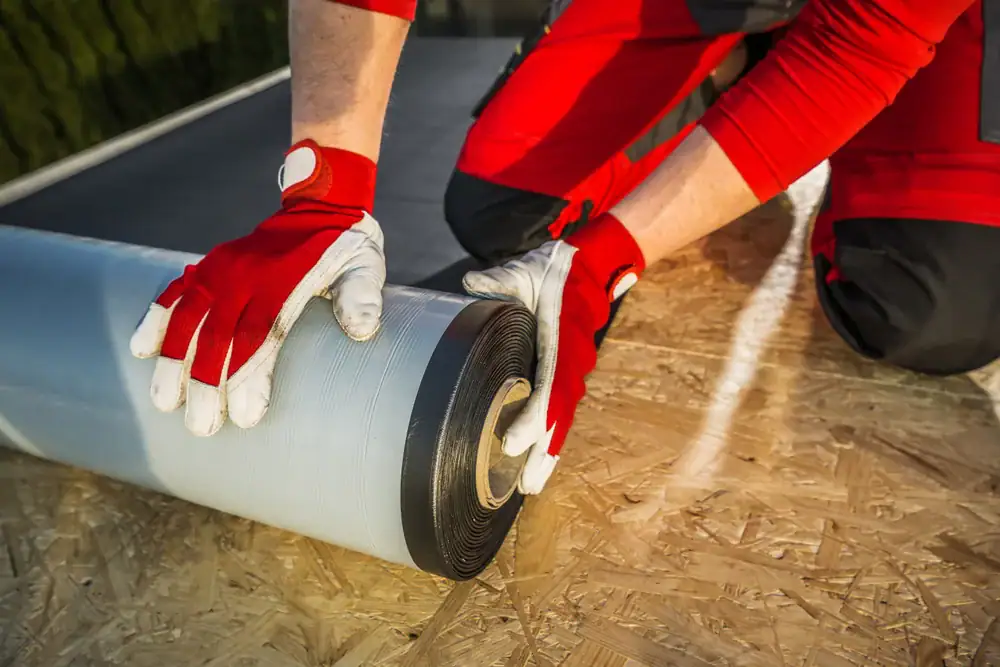
Roofing membrane installation for commercial building in Acton, CA.

Explore More Services

About Royal Roofing Company

Flat Roof Systems and Title 24 Compliance

What's Actually Included in Commercial Roofing Service

You’re getting a licensed C-39 contractor with factory certifications from major manufacturers. That means access to extended warranties and materials that aren’t available to unlicensed crews. It also means our installations meet manufacturer specifications, which is what keeps those warranties valid.

For Lynwood commercial properties, Title 24 compliance isn’t optional. Any roof replacement covering more than 50% of your existing roof or exceeding 2,000 square feet must use cool roofing materials. We handle TPO and PVC roofing installations that meet these requirements right out of the gate. These single-ply membrane systems are reflective and energy-efficient without needing additional treatments.

We also specialize in commercial roof maintenance programs that catch small issues before they become expensive problems. Regular inspections, minor repairs, and preventive maintenance extend your roof’s lifespan and keep your building protected. For older flat roof systems, we offer Title 24 cool roof restoration that brings your existing roof into compliance without full replacement.

Industrial roofing solutions for warehouses and manufacturing facilities require different approaches than office buildings or retail centers. We adjust our methods based on your building’s use, structural requirements, and operational needs. Every project gets the same level of attention to detail and proper installation techniques.

New commercial roofing installation on modern buildings in Acton, CA.

What does Title 24 compliance mean for my commercial roof in Lynwood?

Title 24 is California’s energy efficiency standard, and it requires most commercial roof replacements to use cool roofing materials. If your project covers more than 50% of your existing roof or exceeds 2,000 square feet, you’re required to install roofing that meets specific reflectivity and thermal emittance standards.

Cool roofs reflect sunlight and release absorbed heat more effectively than standard roofing materials. For commercial buildings in Lynwood, this typically means TPO or PVC membrane systems for flat or low-slope roofs. These materials are naturally reflective and meet Title 24 requirements without additional coatings.

The benefit isn’t just compliance—it’s lower cooling costs. When your roof reflects heat instead of absorbing it, your HVAC system doesn’t work as hard during summer months. Property managers and business owners typically see measurable reductions in energy bills after installing Title 24 compliant roofing. We handle all the compliance documentation and permitting, so you don’t have to navigate state requirements on your own.

Timeline depends on your building size, roof type, and weather conditions. A typical commercial roof replacement for a 10,000 to 20,000 square foot building takes two to four weeks from start to finish. Larger industrial facilities or complex projects can take longer.

We break the project into phases to minimize disruption to your operations. If you can’t shut down sections of your building, we coordinate our work schedule around your business hours. Some property managers prefer we work weekends or after hours for retail locations—we adjust based on what works for your situation.

Weather impacts flat roof installations more than you might expect. We can’t install TPO or PVC membranes in rain or when moisture is present on the roof deck. We monitor forecasts closely and communicate any weather-related delays immediately. Rushing a commercial roof installation to meet an arbitrary deadline is how you end up with leaks and warranty issues. We’d rather take the extra few days to do it right than leave you with problems six months later.

Both TPO and PVC are single-ply membrane systems that work well for flat and low-slope commercial roofs. Both meet Title 24 cool roof requirements and offer strong durability. The main differences come down to chemical resistance, flexibility, and cost.

PVC roofing handles chemical exposure better, which matters for restaurants, manufacturing facilities, or any building where rooftop equipment might leak oils or solvents. PVC is also more flexible in cold weather and has a longer track record—it’s been used commercially since the 1960s. It typically costs more per square foot than TPO.

TPO roofing has become increasingly popular because it offers good performance at a lower price point. It’s heat-welded at the seams just like PVC, creating watertight bonds. TPO works well for office buildings, retail centers, and warehouses where chemical resistance isn’t a primary concern. The material has improved significantly over the past decade, and quality TPO systems now offer 20 to 30-year lifespans.

We recommend the right system based on your building’s specific needs, not which material gives us better margins. Some contractors push one product because that’s what they’re comfortable installing. We’re factory-certified in multiple systems and choose based on what actually makes sense for your situation.

Age is the first indicator. Most commercial flat roof systems last 20 to 30 years depending on material and maintenance. If your roof is approaching or past that range, replacement is usually more cost-effective than ongoing repairs. Patching an old roof is like putting bandaids on a failing system—you’re just delaying the inevitable.

Widespread problems signal replacement needs. If you’re seeing leaks in multiple areas, significant ponding water that doesn’t drain within 48 hours after rain, or visible deterioration across large sections of the roof, repairs won’t solve the underlying issues. One or two isolated leaks can often be repaired. Ten leaks across different roof sections means the entire system is failing.

Energy costs tell you something too. If your cooling bills have increased significantly and your HVAC system is working harder, your roof might be absorbing heat instead of reflecting it. Older roofing materials break down and lose their reflective properties. A Title 24 compliant cool roof restoration or replacement can cut those costs substantially.

We provide honest assessments during inspections. We’ll tell you if repairs will buy you a few more years or if you’re throwing money at a roof that needs replacement. We document everything with photos so you can see exactly what we’re seeing. Some contractors will push replacement when repairs would work fine. We’d rather keep your business long-term by being straight with you now.

Coverage depends on your policy and what caused the damage. Most commercial property insurance covers sudden damage from storms, wind, hail, or falling objects. Gradual deterioration from age or lack of maintenance typically isn’t covered. Insurance companies expect you to maintain your roof—they’re not covering replacement just because it’s old.

Documentation makes or breaks insurance claims. We’ve worked with dozens of property managers and business owners through the claims process. Adjusters need clear photo evidence of damage, detailed scope of necessary repairs, and documentation that the damage resulted from a covered event. We provide that level of documentation as standard practice on every project.

The key is reporting damage quickly and having a contractor who understands what insurance companies require. If you wait months to report storm damage, adjusters will question whether the damage actually came from that storm or from something else. If your documentation is vague or incomplete, claims get denied or reduced.

We can’t guarantee your claim will be approved—that’s between you and your insurance company. But we can make sure you have the evidence and documentation that gives you the best chance of full coverage. We’ve seen too many property owners lose out on legitimate claims because they didn’t document properly or waited too long to file.

Real maintenance means regular inspections and small repairs before they become expensive problems. We recommend inspections twice a year—once before summer and once before winter. During inspections, we check for ponding water, examine seams and flashings, clear drains and gutters, and look for any signs of deterioration or damage.

Minor repairs get handled immediately. A small crack in a seam or a loose flashing takes minutes to fix during a maintenance visit. That same issue left alone for six months can turn into interior water damage, ruined inventory, and a multi-thousand-dollar repair bill. Maintenance programs catch these issues early.

Documentation is part of the service. You get inspection reports with photos showing current roof conditions. This creates a record of your roof’s health over time, which matters for warranty compliance and insurance purposes. If you ever need to file a claim, you have proof that you maintained the roof properly.

For Lynwood commercial properties, maintenance also means keeping your roof Title 24 compliant. Cool roofing materials need to maintain their reflective properties to deliver energy savings. We clean off debris and contaminants that reduce reflectivity. We also monitor for any changes in building codes or compliance requirements that might affect your property. Maintenance isn’t glamorous, but it’s the difference between a roof that lasts 30 years and one that fails at 15.