State Licensed “SINCE 1982”

CSLB C-39 #432352

Full Workers Comp. & $2M Liability Insurance
OUR EMPLOYEE ROOFERS ARE FACTORY CERTIFIED
*Serving most of Southern California*
State Licensed “SINCE 1982” CSLB C-39 #432352
Full Workers Comp. & $2M Liability Insurance
OUR EMPLOYEE ROOFERS ARE FACTORY CERTIFIED.

*Serving most of Southern California*

Commercial Roofing Contractor in Marina del Rey, CA

Flat Roofs That Actually Perform When It Matters

Your commercial property deserves more than patch jobs and crossed fingers. Get TPO and PVC roofing systems built right the first time.
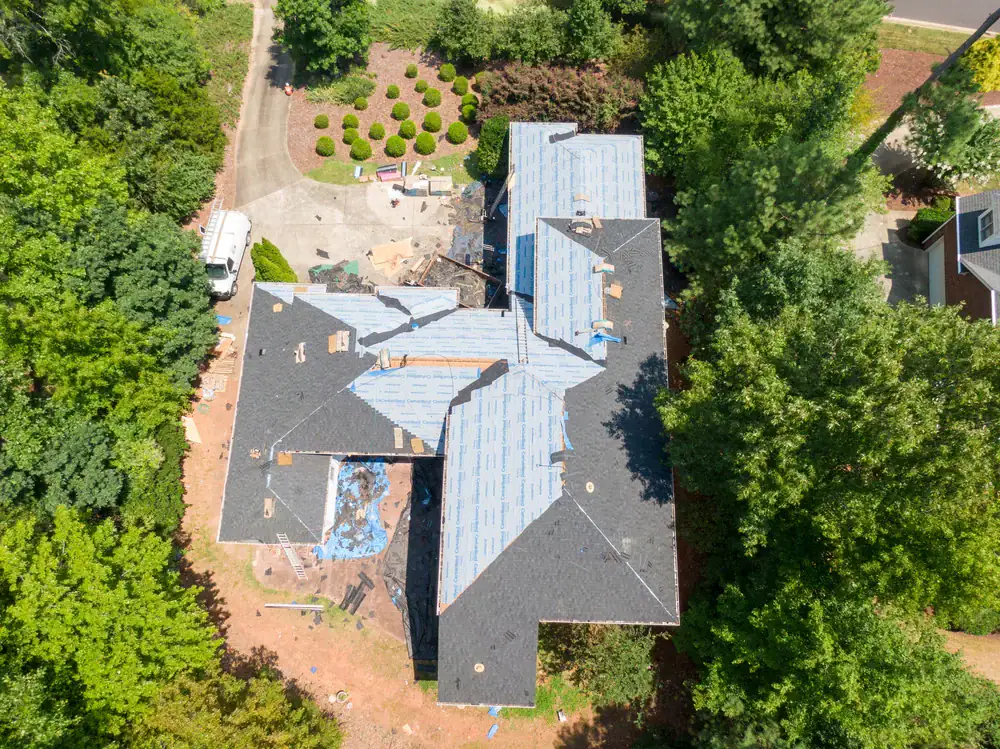
Aerial view of a residential roof undergoing commercial roofing repairs in Acton, California.
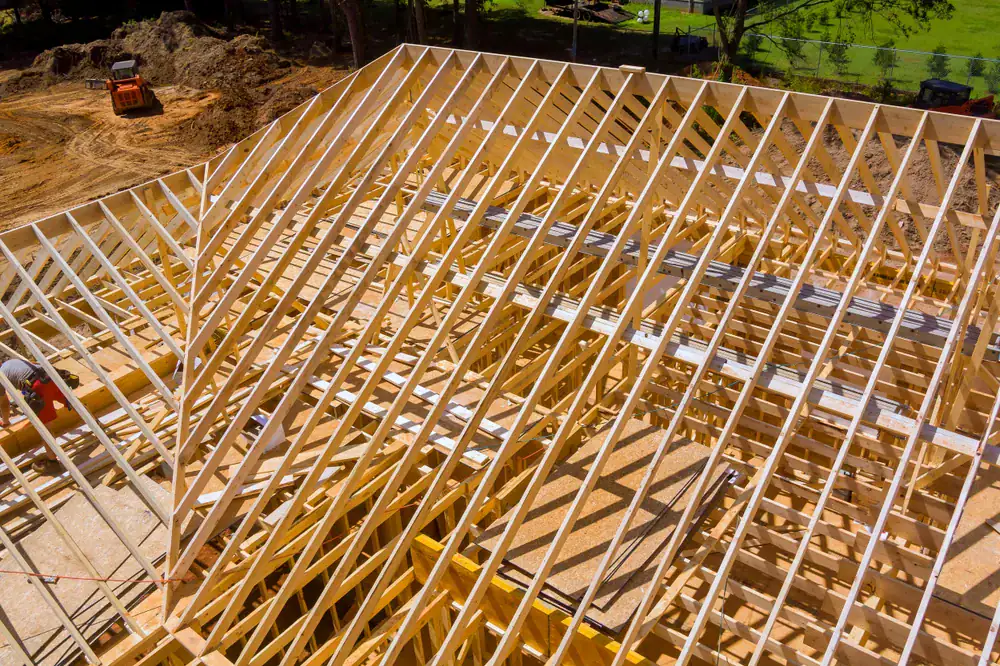
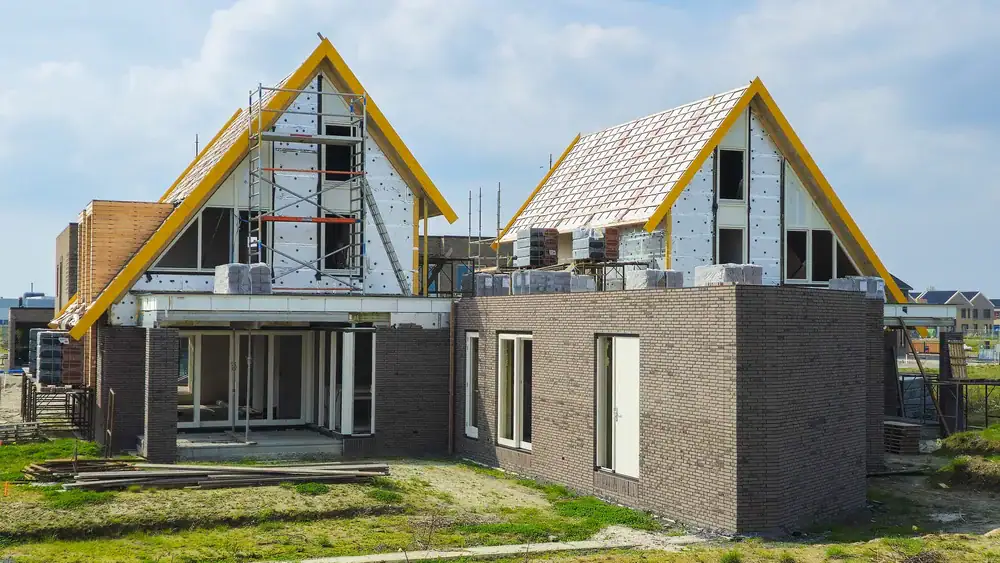
Roof framing under construction in Acton, CA for a commercial building.

Commercial Roof Maintenance Marina del Rey

Stop Reacting to Leaks, Start Preventing Them

You’re managing a commercial property in Marina del Rey, which means you’re dealing with flat roof systems that face coastal moisture, temperature swings, and the constant threat of ponding water. One leak doesn’t just cost you repair money—it costs you tenant trust, insurance headaches, and sleepless nights wondering what’s happening behind the walls.

That’s why commercial roof maintenance isn’t optional. It’s how you catch small issues before they become five-figure problems. Regular inspections identify membrane deterioration, drainage blockages, and flashing failures while they’re still manageable.

When your roof is maintained properly, you’re not scrambling for emergency repairs. You’re extending lifespan, protecting your investment, and keeping your building operational. That’s what matters when you’re responsible for keeping businesses running and tenants comfortable.

Licensed Commercial Roofer Marina del Rey

Four Decades of Commercial Roofing in Los Angeles County

We’ve been handling commercial roofing projects in Marina del Rey and throughout Los Angeles County since the early 1980s. We hold a C-39 specialty roofing license, GAF Master Elite certification, and factory authorizations from major manufacturers—credentials that matter when your building’s integrity is on the line.

Our crews aren’t rotating subcontractors. Many have been with us for decades, which means the people who start your project are the same ones who finish it. That consistency shows up in the details—the flashing work, the seam integrity, the drainage planning that prevents ponding water before it starts.

Marina del Rey’s commercial properties face unique challenges with coastal exposure and California’s Title 24 cool roof requirements. We’ve installed TPO and PVC roofing systems on everything from multi-unit residential buildings to industrial facilities, and we document every step with photos so you have a complete record for warranties and insurance purposes.

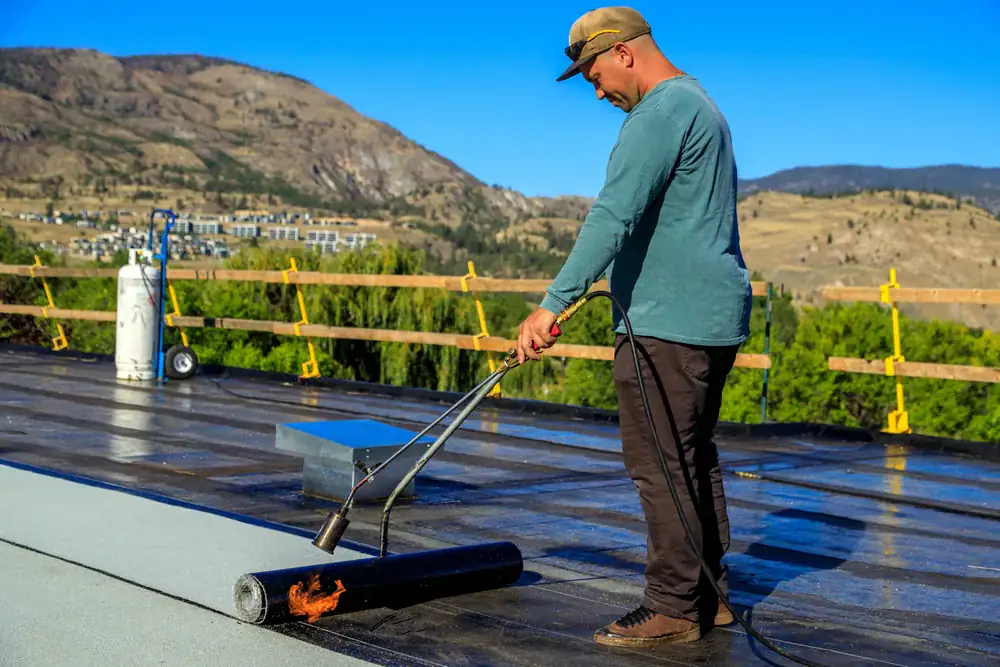
Professional roofing contractor applying roofing membrane on commercial roof in Acton, CA.

Commercial Flat Roof Installation Process

Here's What Happens From Inspection to Final Walkthrough

First, we inspect your existing roof system—not from the ground, but up close. We’re looking at membrane condition, drainage patterns, penetration seals, and any signs of moisture intrusion. You get a detailed assessment with photos, not a vague estimate.

If you’re moving forward, we map out the project timeline and coordinate with your tenants or operations team to minimize disruption. For flat roof systems using TPO or PVC membranes, proper substrate preparation is critical. We address any decking issues, ensure proper slope for drainage, and install insulation that meets Title 24 cool roof standards if required.

Installation follows manufacturer specifications exactly—seam welding, flashing details, penetration seals. We don’t cut corners on the parts you can’t see, because those are the parts that fail first. Throughout the project, we document progress with photos so you have a complete record.

After installation, we walk the roof with you, explain your warranty coverage, and set up a maintenance schedule. Most commercial roofing failures happen because small issues go unnoticed. Regular inspections catch them early.

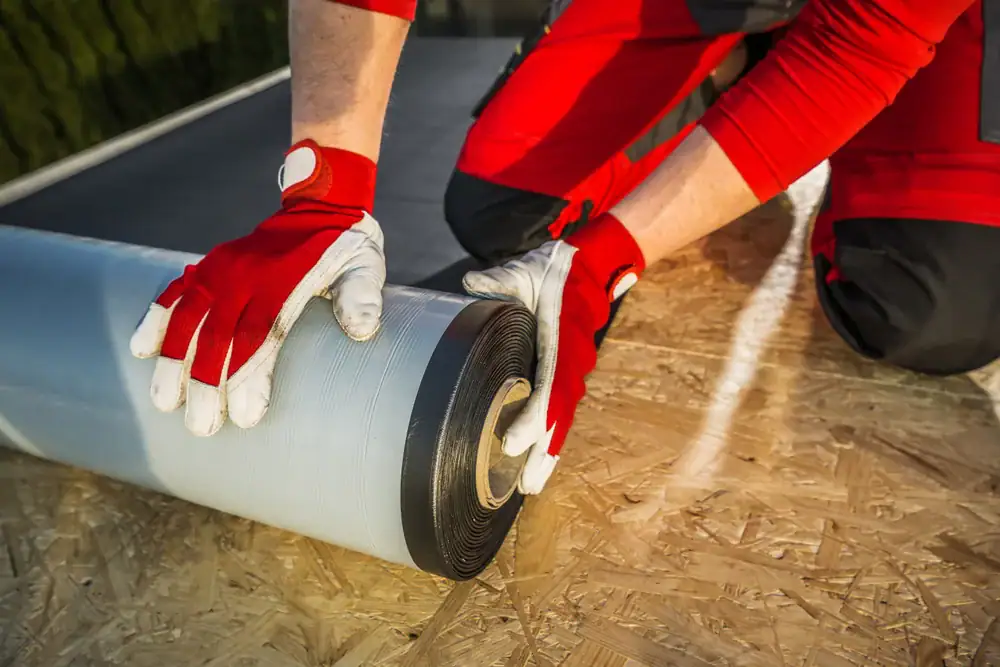
Roofing membrane installation for commercial building in Acton, CA.

Explore More Services

About Royal Roofing Company

TPO and PVC Roofing Marina del Rey

What You're Actually Getting With Our Commercial Service

When you hire us for commercial roofing in Marina del Rey, you’re getting more than installation. You’re getting a contractor who understands Title 24 compliance, which requires cool roofing on most commercial applications including low-sloped roofs and any roof replacement requiring permits. We use CRRC-certified cool roof products that meet California’s energy efficiency standards.

Our TPO and PVC roofing installations address the most common failure points: seam integrity and flashing details. TPO membranes are stiffer than PVC, which makes them harder to work with around penetrations and detail areas. Poor installation leads to leaks. We’re factory-trained on proper welding techniques and flashing applications, which is why our systems stay watertight.

Marina del Rey’s coastal environment means your roof faces moisture exposure that accelerates deterioration. We design drainage systems that prevent ponding water—the number one issue with flat roofs using TPO and PVC membranes. Water pooling leads to premature membrane failure and eventually moisture intrusion into walls and interiors.

You also get comprehensive documentation. Every project is photographed throughout installation, giving you proof of proper workmanship for warranty claims and insurance purposes. And because we maintain long-term relationships with our commercial clients, we’re available when you need inspections, repairs, or emergency service down the road.

New commercial roofing installation on modern buildings in Acton, CA.

What's the difference between TPO and PVC roofing for commercial buildings?

Both are single-ply membrane systems designed for flat and low-slope commercial roofs, but they perform differently. PVC roofing systems are more flexible and have a longer documented lifespan—they handle detail work around penetrations better because the material is easier to manipulate during installation. TPO membranes are stiffer, which makes them more challenging to install properly, especially around flashing and penetration points.

Here’s what matters for your decision: U.S.-manufactured TPO has a well-documented history of premature failures when installation quality is poor. The seams are the weak point. If they’re not welded correctly, you’ll have leaks within a few years. PVC costs more upfront but typically lasts longer and handles Marina del Rey’s coastal environment better.

Both materials meet Title 24 cool roof requirements when they’re CRRC-certified, so energy compliance isn’t the deciding factor. Your choice should be based on your budget, expected lifespan, and the complexity of your roof’s penetrations and details. If you’ve got a lot of HVAC units, vents, or other rooftop equipment, PVC’s flexibility during installation can prevent future headaches.

California’s Title 24 Building Energy Efficiency Standards require cool roofing on most commercial applications, including non-residential buildings, low-sloped roofs, and any roof replacement that requires a permit. If you’re replacing more than 50% of your roof surface or doing work that triggers a permit in Marina del Rey, you’re likely required to install a cool roof system.

Cool roofs are designed to reflect more sunlight and absorb less heat than standard roofing materials. The requirement exists to reduce building energy consumption and urban heat island effects. Any roofing product used for Title 24 compliance must be rated by the CRRC (Cool Roof Rating Council), which measures solar reflectance and thermal emittance.

Here’s the practical part: if you’re unsure whether your project requires Title 24 compliance, check with your local building department before starting work. Non-compliance can result in failed inspections, project delays, and costly reinstallation. We handle Title 24 compliance regularly for commercial properties throughout Los Angeles County, so we can verify requirements for your specific project and ensure you’re using properly rated materials.

Ponding water is the number one red flag for flat roofs using TPO and PVC membranes. It happens when water sits on your roof for more than 48 hours after rainfall, usually because of inadequate slope, clogged drains, or structural settling that creates low spots. Over time, ponding water accelerates membrane deterioration, adds weight stress to your structure, and eventually leads to leaks.

The fix depends on what’s causing the problem. If it’s poor drainage, we clear and repair drain systems and sometimes add additional drains in problem areas. If it’s inadequate slope, we use tapered insulation systems to create proper drainage pathways toward existing drains. In cases where structural settling has created significant low spots, we may need to address the substrate before installing new roofing material.

Prevention is always easier than correction. When we install commercial flat roof systems in Marina del Rey, we design drainage from the start—calculating slope, planning drain placement, and ensuring water has a clear path off your roof. During maintenance inspections, we check for early signs of ponding so we can address drainage issues before they damage your membrane. If you’re seeing standing water on your roof regularly, don’t wait. The longer water sits, the more damage it causes to the membrane and potentially to your building’s interior.

PVC roofing systems typically last 20-30 years when installed correctly and maintained properly. TPO roofs have a shorter track record—quality installations using premium TPO membranes can reach 15-20 years, but lower-quality TPO products have a documented history of premature failures, sometimes within 7-10 years. The difference comes down to material quality and installation expertise.

Here’s what affects lifespan most: installation quality, especially seam welding and flashing details. A poorly welded seam will fail years before the membrane itself deteriorates. Ponding water accelerates aging dramatically—standing water breaks down the membrane and can cut your roof’s lifespan in half. Regular maintenance catches small problems before they become big ones, which is why we recommend annual inspections for commercial properties.

Marina del Rey’s coastal environment adds another factor. Salt air and UV exposure are hard on roofing membranes. PVC handles these conditions better than TPO, which is why you’ll often see longer lifespans on PVC installations near the coast. Your warranty matters too—manufacturer warranties range from 10 to 30 years, but they’re only valid if installation follows factory specifications exactly. That’s why our factory certifications and documented installation process matter. You’re not just getting a roof; you’re getting warranty protection that actually means something if problems arise.

Start with licensing and certifications. In California, commercial roofing requires a C-39 specialty contractor license, not just a general contractor license. Factory certifications from manufacturers like GAF, Firestone, or Carlisle mean the contractor has been trained on proper installation techniques and can offer enhanced warranties. GAF Master Elite status is particularly meaningful—less than 3% of roofing contractors in North America qualify.

Next, look at their commercial experience specifically. A contractor who primarily does residential work doesn’t have the same expertise with flat roof systems, TPO and PVC installation, or Title 24 compliance. Ask about their experience with commercial properties similar to yours—multi-unit residential, office buildings, industrial facilities—whatever matches your situation.

Insurance and bonding matter more on commercial projects because the stakes are higher. Verify they carry adequate liability coverage and workers’ compensation. Ask how they handle project documentation—you want photo documentation throughout installation for warranty and insurance purposes. Finally, check their reputation with commercial property managers, not just homeowners. Commercial work requires different skills: coordinating with tenants, minimizing business disruption, understanding insurance claim processes. A contractor who’s built long-term relationships with commercial clients is more likely to understand what you actually need, not just what you’re asking for.

Yes. Commercial roof leaks don’t wait for business hours, and we understand that emergency situations need immediate response. When you’ve got water coming through your ceiling, tenants calling, or business operations at risk, you need someone who can assess the damage quickly and provide temporary protection while planning permanent repairs.

Emergency repairs typically involve locating the leak source, which isn’t always directly above where you see water inside. Water can travel along roof decking or structural members before it drips through your ceiling. We use moisture detection methods to find the actual failure point, then provide temporary weatherproofing to stop active leaking. Once the immediate crisis is handled, we assess whether you need a repair or if the damage indicates larger system failure requiring replacement.

Here’s what you should know about emergency response: temporary fixes are just that—temporary. They stop immediate damage but aren’t long-term solutions. We’ll give you an honest assessment of whether a repair will hold or if you’re looking at more extensive work. For commercial properties in Marina del Rey, storm damage and hail damage are common triggers for emergency calls, especially after severe weather. If you’re dealing with an insurance claim, we document everything with photos and provide detailed reports that support your claim. The goal is to get your building protected quickly, then work with you on the right long-term solution—not sell you more than you need when you’re already dealing with a crisis.

Other Services we provide in Marina Del Rey