State Licensed “SINCE 1982”

CSLB C-39 #432352

Full Workers Comp. & $2M Liability Insurance
OUR EMPLOYEE ROOFERS ARE FACTORY CERTIFIED
*Serving most of Southern California*
State Licensed “SINCE 1982” CSLB C-39 #432352
Full Workers Comp. & $2M Liability Insurance
OUR EMPLOYEE ROOFERS ARE FACTORY CERTIFIED.

*Serving most of Southern California*

Commercial Roofing Contractor in Norwalk, CA

Roofs That Protect Your Investment Long-Term

We’re a factory-certified commercial roofing contractor serving Norwalk property managers and business owners with flat roof systems, maintenance programs, and Title 24 compliance since 1980.
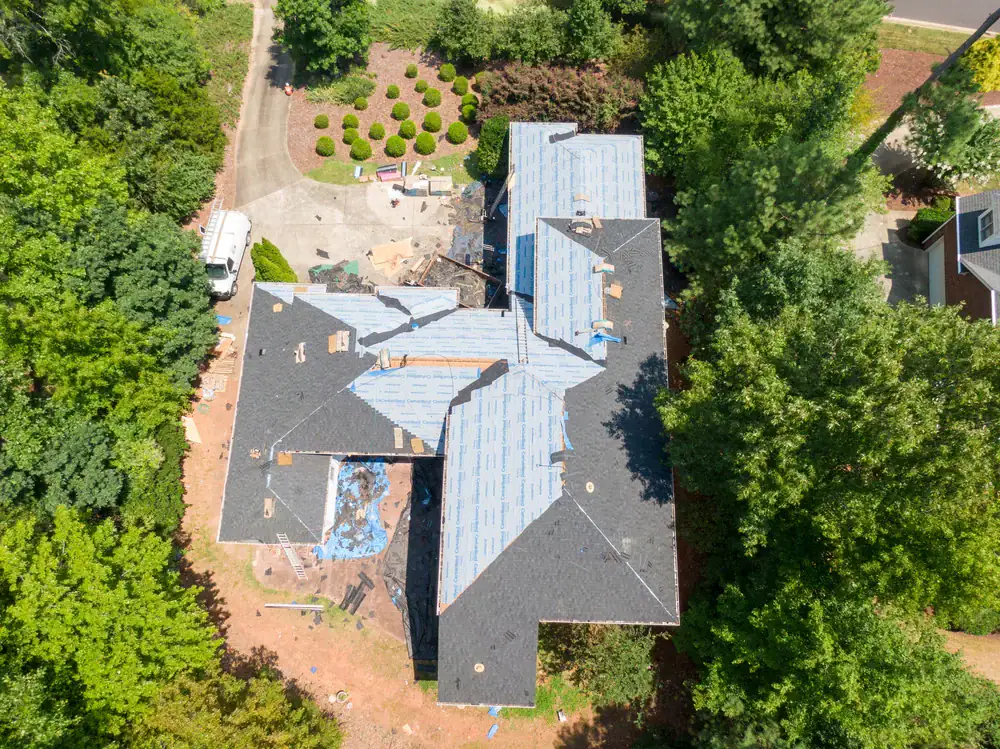
Aerial view of a residential roof undergoing commercial roofing repairs in Acton, California.
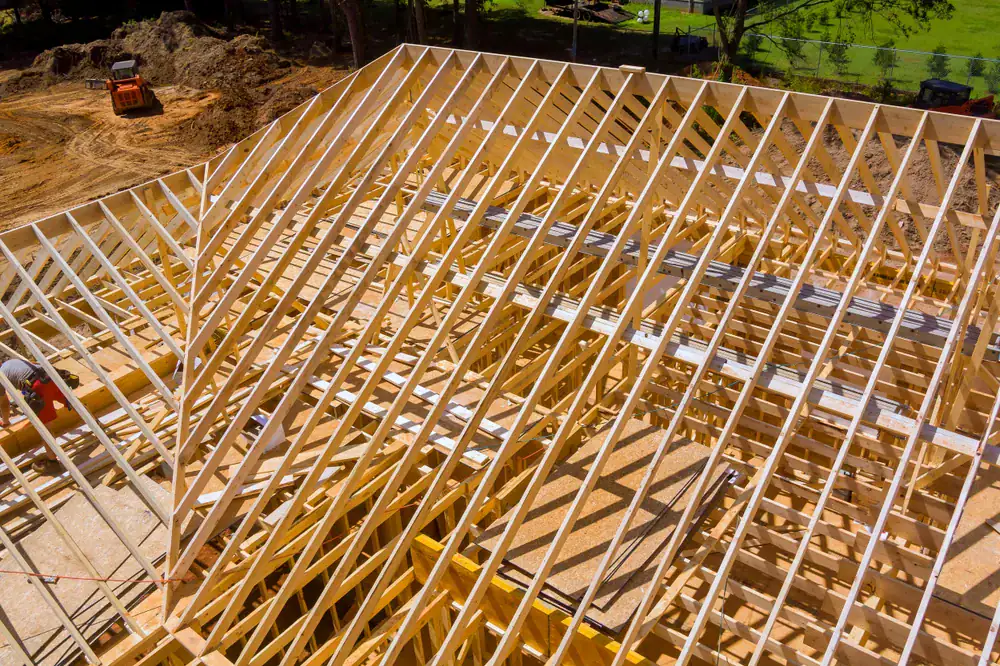
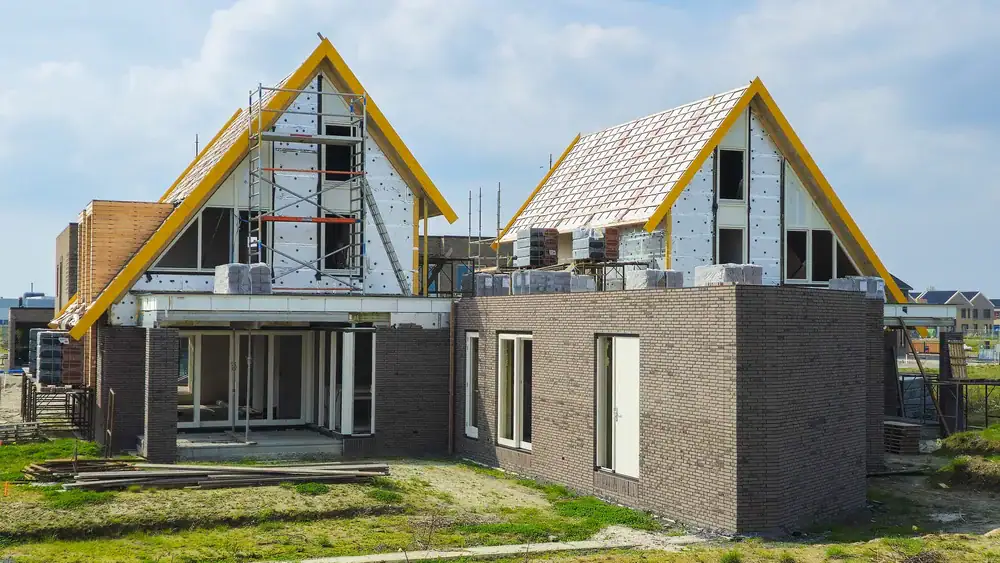
Roof framing under construction in Acton, CA for a commercial building.

Flat Roof Systems in Norwalk, CA

Your Building Stays Dry, Compliant, and Energy-Efficient

You’re managing a commercial property in Norwalk, and the last thing you need is a roof failure that shuts down operations or an insurance claim that gets denied because documentation wasn’t filed on time. Your roof isn’t something you think about until water starts dripping into tenant spaces or your cooling bills spike during summer.

A properly installed and maintained commercial roof does more than keep water out. It meets California’s Title 24 cool roof requirements, which became even stricter in 2025. It reduces your HVAC strain during those brutal LA County heat waves. It gives you documentation that satisfies insurance carriers and helps with capital planning when ownership transitions happen.

When your roof is handled right from the start, you’re not scrambling to find a contractor who’ll actually show up when problems surface. You have inspection records, warranty compliance, and a maintenance schedule that catches small issues before they become expensive emergencies. That’s what changes when you work with a contractor who’s been doing this in LA County for nearly 45 years.

Norwalk Commercial Roofing Company

Licensed, Factory-Certified, and Locally Established Since 1980

We’ve been serving Norwalk and the broader LA County area since 1980. We hold a California C-39 specialty roofing license and factory certifications from leading manufacturers, which means your warranty coverage is backed by both us and the material suppliers.

Our crews have been with us for decades, not months. When you call about a leak or schedule an inspection, you’re dealing directly with people who know your building’s history. We’ve worked on everything from multi-unit apartment complexes to industrial facilities across Norwalk, where seismic activity and UV exposure create specific challenges that require specialized knowledge.

We’re a family-owned business, and our reputation in this community matters more than hitting quarterly numbers for investors. Zero BBB complaints and a license in full compliance aren’t accidents. They’re the result of showing up, doing the work right, and being available when property managers need answers.

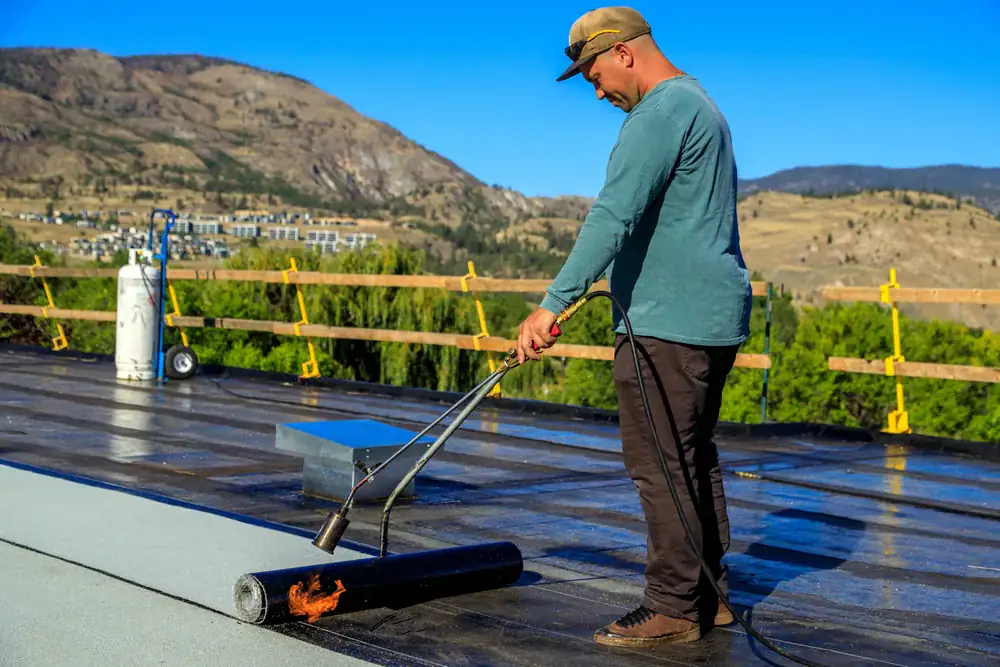
Professional roofing contractor applying roofing membrane on commercial roof in Acton, CA.

Commercial Roof Installation Process Norwalk

Here's What Happens From Inspection to Completion

It starts with an on-site inspection where we document current conditions with photos and written notes. You get a detailed report that shows what’s working, what’s deteriorating, and what needs immediate attention versus what can wait. If you’re dealing with an insurance claim, this documentation matters for maintaining warranty compliance and supporting your filing.

Once we’ve walked the roof and discussed your priorities—whether that’s Title 24 compliance, energy efficiency, or extending the life of your current system—we provide a clear scope of work. No vague estimates. You’ll know what materials we’re using, why we’re recommending TPO or PVC over other options, and what the timeline looks like.

During installation, we handle everything from tear-off (if needed) to substrate prep, proper drainage, and final inspections. For flat roof systems common in Norwalk’s commercial buildings, details like flashing, penetrations, and seam integrity make the difference between a roof that lasts 20+ years and one that starts failing in five. We document the completed work with photos, and you receive warranty paperwork that includes manufacturer backing—not just our word.

After installation, we offer preventive maintenance programs. These aren’t just sales pitches. Regular inspections catch ponding water, membrane damage, and HVAC equipment issues before they compromise your roof. You get scheduled service, priority response, and records that help with budgeting and insurance requirements.

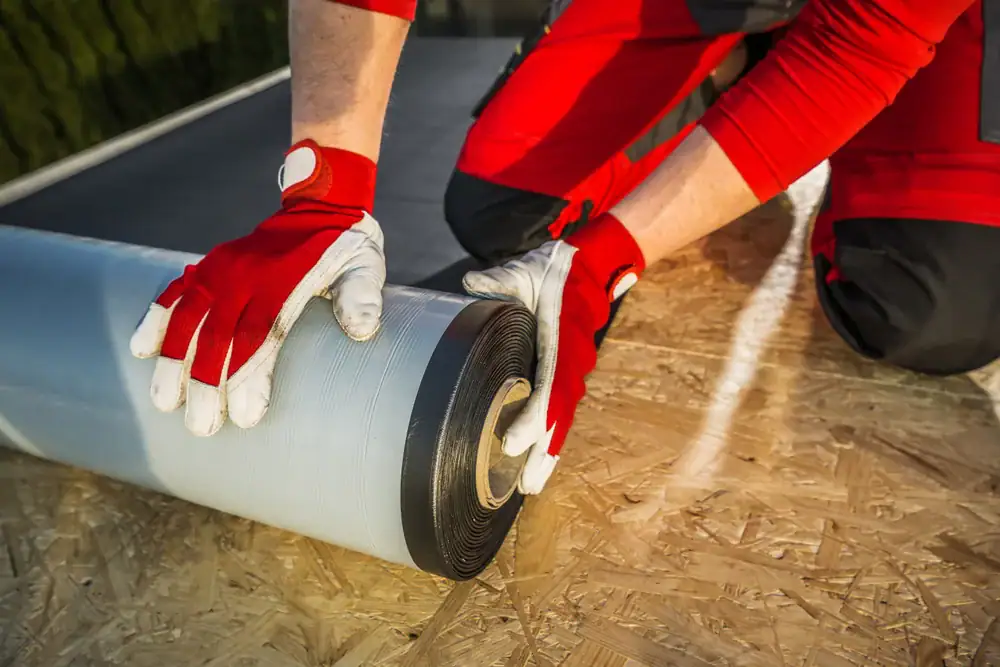
Roofing membrane installation for commercial building in Acton, CA.

Explore More Services

About Royal Roofing Company

TPO and PVC Roofing Norwalk

What's Included in Commercial Roof Maintenance and Installation

When you’re evaluating commercial roofing contractors in Norwalk, you need to know what you’re actually getting. Our services cover flat roof systems including TPO and PVC single-ply membranes, which are ideal for California’s climate. These materials meet CRRC certification requirements for Title 24 cool roof compliance and can reduce cooling costs by 10-30% in LA County buildings.

We handle Title 24 cool roof restoration for existing buildings that need to meet updated 2025 standards. This often involves coating systems that restore reflectivity without full replacement. For property managers overseeing multiple buildings, this approach saves capital while bringing properties into compliance.

Industrial roofing solutions are part of what we do, especially for facilities with equipment loads, chemical exposure, or specific drainage requirements. Norwalk has plenty of industrial and warehouse properties where standard residential techniques don’t apply. We’ve worked on these buildings for decades and understand how to handle complex details like expansion joints, seismic movement, and rooftop equipment integration.

Commercial roof maintenance programs give you scheduled inspections—typically twice a year—with documentation after every visit. We’re looking for early signs of membrane damage, clogged drains, failing sealants, and anything that could turn into a leak. Property managers use these reports for insurance compliance, ownership transitions, and long-term capital planning. You’re not guessing when the roof will need replacement; you have data.

New commercial roofing installation on modern buildings in Acton, CA.

How do I know if my commercial roof needs replacement or just repair?

Most property managers don’t realize their roof has problems until leaks show up inside the building. By then, you’re often looking at interior damage on top of roofing costs.

The real answer depends on the roof’s age, the extent of damage, and what’s causing the issues. If your roof is under 15 years old and the problem is localized—maybe around HVAC equipment or a specific drain—repair usually makes sense. But if you’re seeing widespread membrane deterioration, multiple leak points, or ponding water across large sections, patching becomes a temporary fix that costs more over time.

We’ll inspect the roof, document what we find with photos, and give you both options with honest cost projections. Sometimes a coating system can extend life by 10+ years and bring you into Title 24 compliance without full tear-off. Other times, the substrate is compromised and you need a complete replacement to avoid ongoing problems. You’ll have the information to make the call based on your budget and timeline.

Both TPO and PVC are single-ply membrane systems that work well in Norwalk’s climate, but they’re not identical. TPO is typically more cost-effective and offers excellent UV resistance and energy efficiency. It’s a solid choice for most commercial flat roofs where you need Title 24 compliance without premium pricing.

PVC costs more upfront but offers superior chemical resistance and longer proven performance—some PVC roofs installed in the 1960s are still functioning. If your building has rooftop equipment that could leak oils or chemicals, or if you’re near industrial operations, PVC’s chemical resistance matters. It’s also more flexible in cold weather, though that’s less of a concern in Southern California.

Both materials meet CRRC cool roof standards and come with strong manufacturer warranties when installed by certified contractors. The choice usually comes down to budget, building use, and how long you plan to own the property. We install both systems and can walk you through which makes sense for your specific situation based on what’s actually on your roof and how the building is used.

If you’re doing any roof replacement or recovering more than 50% of your roof area, California’s Title 24 Building Energy Efficiency Standards apply. As of January 2025, these requirements became even more stringent—they’re the most rigorous the roofing industry has seen.

Title 24 requires cool roofs that meet specific solar reflectance and thermal emittance ratings set by the Cool Roof Rating Council. For low-slope commercial roofs common in Norwalk, you need materials with high reflectivity that reduce heat absorption. This isn’t optional; it’s code. Inspectors will verify compliance, and if your materials don’t meet standards, you’ll face delays and additional costs.

The good news is that TPO, PVC, and many coating systems easily meet these requirements while also lowering your cooling costs. Buildings in LA County that install compliant cool roofs typically see 10-30% reductions in HVAC expenses. We handle the documentation and certification process so you’re not guessing whether your roof meets code. You’ll have the paperwork for inspections, insurance, and future property transactions.

Twice a year minimum—typically spring and fall. That’s not a sales recommendation; it’s what keeps small problems from becoming insurance claims and emergency repairs.

Norwalk’s climate means intense UV exposure during summer and occasional heavy rainfall in winter. Both cause specific types of damage that progress quickly if not caught early. Spring inspections identify winter storm damage, clogged drains, and any membrane issues before summer heat makes them worse. Fall inspections prepare your roof for rainy season by clearing debris, checking flashing, and ensuring drainage systems work properly.

Many commercial roof warranties actually require documented inspections to remain valid. If you file a claim and can’t show regular maintenance records, you risk denial. Insurance carriers want proof that you’ve been proactive, especially after severe weather events. We document every inspection with photos and written reports that satisfy both warranty and insurance requirements. Property managers use these records for budgeting, tracking recurring issues, and demonstrating due diligence during ownership transitions.

First, document everything with photos—the interior damage, where water is entering, and the extent of the problem. This matters for insurance claims and helps contractors diagnose the issue faster. If possible, place containers to catch water and move anything valuable away from the leak area.

Call a licensed commercial roofing contractor immediately, not just a handyman or general contractor. Commercial flat roofs require specific expertise, and temporary patches done wrong can void warranties or make the underlying problem worse. Many property managers don’t realize that their warranty requires notification within a certain timeframe after storms or discovered damage.

When we respond to leak calls in Norwalk, we’re looking for the source—which isn’t always directly above where water appears inside. Water can travel along the roof deck before finding a way through. We’ll do a temporary repair to stop active leaking, then provide a detailed assessment of what caused the failure and what’s needed for permanent repair. You’ll get documentation that supports insurance claims and helps you understand whether this is an isolated issue or a sign that your roof is reaching the end of its service life.

It depends on the size of your building, the type of system being installed, and whether we’re doing a complete tear-off or installing over existing substrate. A typical 10,000-square-foot commercial flat roof replacement usually takes 3-7 days in good weather.

Larger industrial facilities or complex projects with multiple roof levels, extensive HVAC equipment, or structural repairs can take several weeks. Weather delays happen—we can’t install certain materials in rain or extreme heat, and Southern California’s occasional winter storms can pause work. We’ll give you a realistic timeline upfront and keep you updated if conditions change.

Most property managers are concerned about business disruption. We schedule work to minimize impact on your operations, which sometimes means working in sections or coordinating around your busy periods. For occupied buildings, we contain dust and debris, maintain safe access, and communicate with tenants about what to expect. You’re not discovering surprises mid-project; you know the schedule, the daily plan, and when your building will be fully protected again.

Other Services we provide in Norwalk