Appointments Available
Phone Support 24/7
Bell Gardens, CA 90201
*Serving most of Southern California*
Appointments Available
Phone Support 24/7
Bell Gardens, CA 90201
You’re not thinking about your roof when it’s doing its job. Your tenants aren’t calling. Your insurance agent isn’t asking questions. Your energy bills aren’t climbing every summer.
That’s what a properly installed and maintained commercial roof gives you. No surprise leaks during the rainy season. No emergency calls that derail your week. No wondering if the last contractor actually knew what they were doing with your flat roof system.
When your roof works, your building works. You can focus on running your business or managing your properties instead of dealing with water damage, tenant complaints, or scrambling to find someone who can actually fix the problem. That’s not just convenience—that’s what you’re paying for when you choose the right commercial roofing contractor.
We’ve been serving commercial property owners across Los Angeles County for decades. We’re a family business with crew members who’ve been with us for twenty, thirty years—people who know commercial roofing inside and out because they’ve actually done the work.
We hold a C-39 specialty contractor license, factory certifications for TPO and PVC membrane systems, and an A+ rating with the BBB. Those aren’t just credentials to put on a website. They’re proof that we know how to handle complex commercial roofing projects the right way.
Pomona’s commercial property landscape includes everything from industrial warehouses to multi-unit residential complexes. We’ve worked on them all. We understand Title 24 cool roof requirements, insurance claim documentation, and what it takes to keep a commercial roof performing in Southern California’s climate.
First, we come out and actually look at your roof. Not a quick glance from the parking lot—a real inspection where we document what’s happening, take photos, and figure out what you actually need. Sometimes that’s a full replacement. Sometimes it’s a restoration or targeted repair. We’ll tell you the truth either way.
Once we know what we’re dealing with, we walk you through your options. If you’re managing an insurance claim, we document everything properly so your claim goes smoothly. If you need Title 24 cool roof restoration to meet California energy standards, we explain how that works and what it’ll do for your cooling costs.
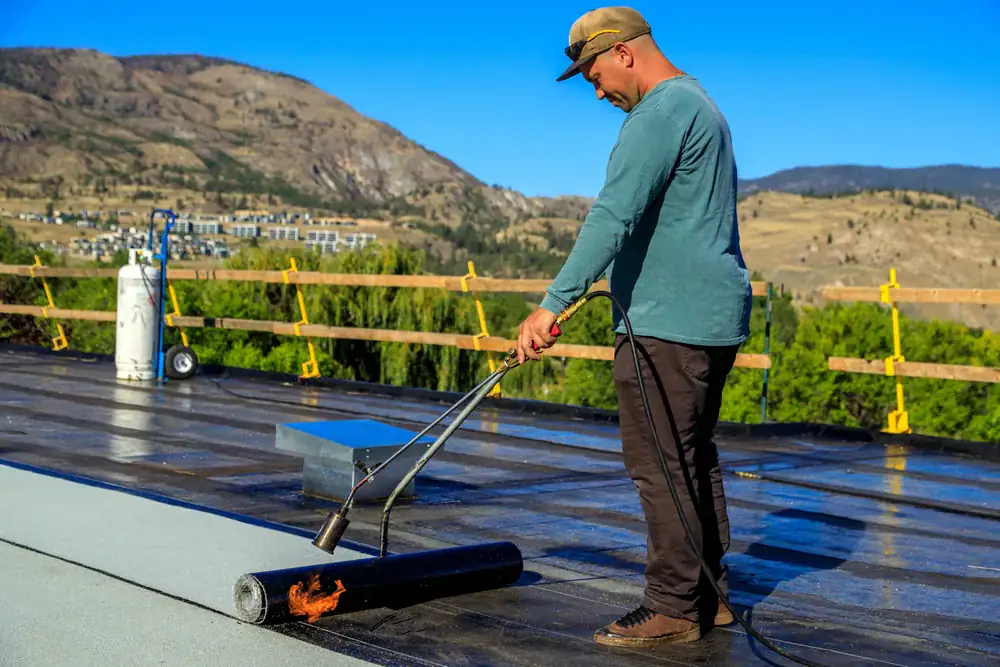
When we start the work, you’ll see the same experienced crew from start to finish. We’re not subbing this out to whoever’s available. Our people know commercial roof systems—whether that’s TPO, PVC, hot mop, or built-up roofing. We install it right, document the work with photos, and make sure you have everything you need for warranties and future maintenance.
After installation, we don’t disappear. You’ll know how to reach us if something comes up, and we can set up a commercial roof maintenance program if that makes sense for your property.
Commercial roofing in Pomona means dealing with flat roof systems that face intense sun exposure, occasional heavy rain, and temperature swings that stress roofing materials. You need a roof that can handle it without constant repairs.
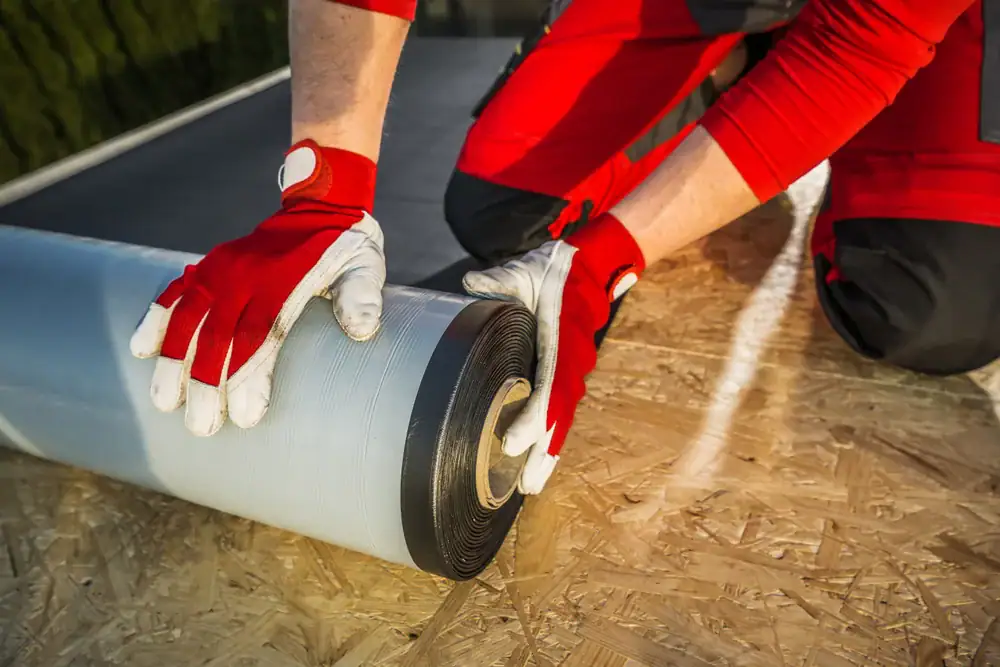
We install and maintain TPO and PVC roofing systems—the single-ply membranes that work well for commercial applications in this climate. These systems are energy-efficient, durable, and when installed correctly by factory-certified contractors, they come with solid manufacturer warranties. We also specialize in hot mop roofing, a time-tested system that’s still one of the most reliable options for flat roofs in Southern California.
Title 24 cool roof restoration is another service that matters here. California’s energy efficiency standards require certain commercial buildings to have cool roofs that reflect heat instead of absorbing it. If your building falls under these requirements, we handle the restoration work and make sure you’re compliant. Even if you’re not required to comply, cool roof coatings can cut your cooling costs significantly.
For property managers and building owners who want to avoid emergency repairs, our commercial roof maintenance programs catch small problems before they become expensive ones. Regular inspections, minor repairs, and preventative care extend your roof’s lifespan and keep your operating costs predictable.
Commercial roof replacement in Pomona typically runs between six and eighteen dollars per square foot, but that range is almost useless without context. The actual cost depends on your roof size, the system you’re installing, how much prep work the deck needs, and whether you’re dealing with any structural issues.
A straightforward TPO installation on a well-maintained deck costs less than a full tear-off and replacement with multiple penetrations, HVAC equipment, and drainage problems to fix. If you need Title 24 cool roof compliance or specific warranty requirements, that affects pricing too.
The smarter question isn’t “what’s the cheapest price”—it’s “what’s this actually going to cost me over the next fifteen to twenty years?” A roof installed correctly the first time, with proper materials and experienced labor, costs more upfront. But you’re not paying for repairs every few years, you’re not dealing with water damage claims, and you’re not replacing it prematurely because someone cut corners.
TPO and PVC are both single-ply membrane systems that work well for flat commercial roofs, but they’re not identical. PVC has been around longer and handles chemical exposure better, which matters if your roof deals with grease, oils, or certain types of runoff. It’s also more flexible in cold weather, though that’s less relevant in Pomona.
TPO is newer and has improved significantly over the past fifteen years. It’s typically less expensive than PVC and performs well in high-heat environments, which makes it popular for commercial buildings in Southern California. Both systems are heat-welded at the seams, creating watertight bonds that hold up better than adhesive-based systems.
The right choice depends on your building’s specific conditions. If you have restaurant exhaust vents or equipment that might expose the roof to chemicals, PVC makes sense. For most standard commercial applications in this area, TPO offers excellent performance at a better price point. Either way, proper installation matters more than the material itself—a poorly installed PVC roof will fail faster than a correctly installed TPO system.
A properly installed commercial flat roof in Pomona should last fifteen to thirty years, depending on the system and how well it’s maintained. TPO and PVC membrane systems typically hit twenty to thirty years when they’re installed correctly and maintained regularly. Built-up roofing and modified bitumen systems usually land in the fifteen to twenty-five year range.
The bigger variable isn’t the material—it’s the installation quality and maintenance. A roof that’s installed by experienced commercial roofers with proper attention to flashing, drainage, and seam details will outlast a cheaper installation every time. Sun exposure is intense here, and poor workmanship shows up fast.
Maintenance makes a huge difference too. Commercial roofs that get inspected twice a year and receive minor repairs as needed last significantly longer than roofs that only get attention when something’s actively leaking. Small problems like loose seams, clogged drains, or damaged flashing turn into major failures if you ignore them. A maintenance program isn’t an upsell—it’s how you actually get the full lifespan out of your roof investment.
Title 24 cool roof requirements apply to most commercial buildings in California when you’re doing a roof replacement or recovering more than fifty percent of the existing roof. The regulations require roofs to meet specific solar reflectance and thermal emittance standards, which basically means your roof needs to reflect heat instead of absorbing it.
If you’re replacing your commercial roof in Pomona, you probably need to comply unless your building falls under specific exceptions. The requirements vary slightly depending on whether you’re in a high-rise building, what climate zone you’re in, and whether you’re doing a full replacement or a restoration.
Cool roof compliance isn’t just a regulatory headache—it actually saves you money. Reflective roofing systems reduce cooling costs, sometimes significantly, by keeping your building cooler during Pomona’s hot summers. Your HVAC system doesn’t work as hard, your energy bills drop, and your roof membrane lasts longer because it’s not constantly baking in absorbed heat. We handle Title 24 cool roof restoration as part of our commercial roofing services, so you get compliance and energy savings without the guesswork.
Start with licensing and insurance. In California, commercial roofing requires a C-39 specialty contractor license, not just a general contractor license. That license means the contractor has proven experience specifically with roofing systems. Verify their license is current and check for any complaints or disciplinary actions.
Insurance matters more than most property managers realize. You need to see current general liability coverage and workers’ compensation insurance. If someone gets hurt on your property or damages your building during the work, proper insurance protects you. Don’t take their word for it—ask for certificates.
Beyond the paperwork, look at their actual experience with commercial projects similar to yours. Do they have factory certifications for the roofing systems they’re proposing? Can they provide references from other commercial property owners or managers? How long have their crew members been with them? High crew turnover usually means quality problems.
Finally, pay attention to how they communicate. Do they explain what’s wrong with your roof and why they’re recommending specific solutions? Or are they just pushing the most expensive option? A good commercial roofing contractor educates you so you can make informed decisions. That’s the difference between someone who wants a transaction and someone who’s building a reputation.
Twice a year minimum—once before the rainy season and once after. Those inspections catch problems while they’re still small and inexpensive to fix. You’re looking for things like loose or damaged membrane seams, clogged drains, damaged flashing around penetrations, and any areas where water might be ponding.
You should also inspect after any major weather event. Heavy winds can lift membrane edges or damage flashing. Hail can puncture certain roofing materials. Even if everything looks fine from the ground, it’s worth having someone who knows commercial roof systems take a look.
Regular inspections aren’t just about catching damage—they’re about documentation. If you ever need to file an insurance claim, having records of consistent maintenance and inspections strengthens your case significantly. It shows you’ve been taking care of the roof and that any damage is from a specific event, not from neglect. Most commercial roof warranties also require regular inspections to stay valid, so skipping them can void your coverage right when you need it most.
Other Services we provide in Pomona