State Licensed “SINCE 1982”

CSLB C-39 #432352

Full Workers Comp. & $2M Liability Insurance
OUR EMPLOYEE ROOFERS ARE FACTORY CERTIFIED
*Serving most of Southern California*
State Licensed “SINCE 1982” CSLB C-39 #432352
Full Workers Comp. & $2M Liability Insurance
OUR EMPLOYEE ROOFERS ARE FACTORY CERTIFIED.

*Serving most of Southern California*

Commercial Roofing Contractor in Redondo Beach, CA

Your Roof Shouldn't Be Your Biggest Liability

When your commercial roof fails, everything stops—tenants complain, operations get disrupted, and repair costs spiral. You need a contractor who gets it done right the first time.
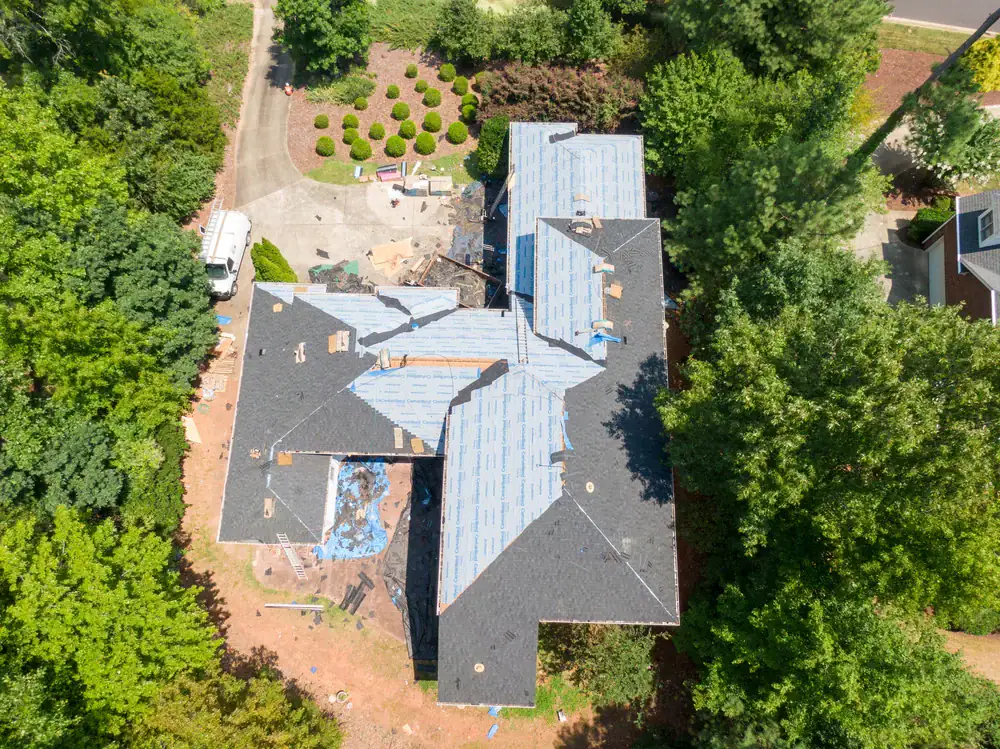
Aerial view of a residential roof undergoing commercial roofing repairs in Acton, California.
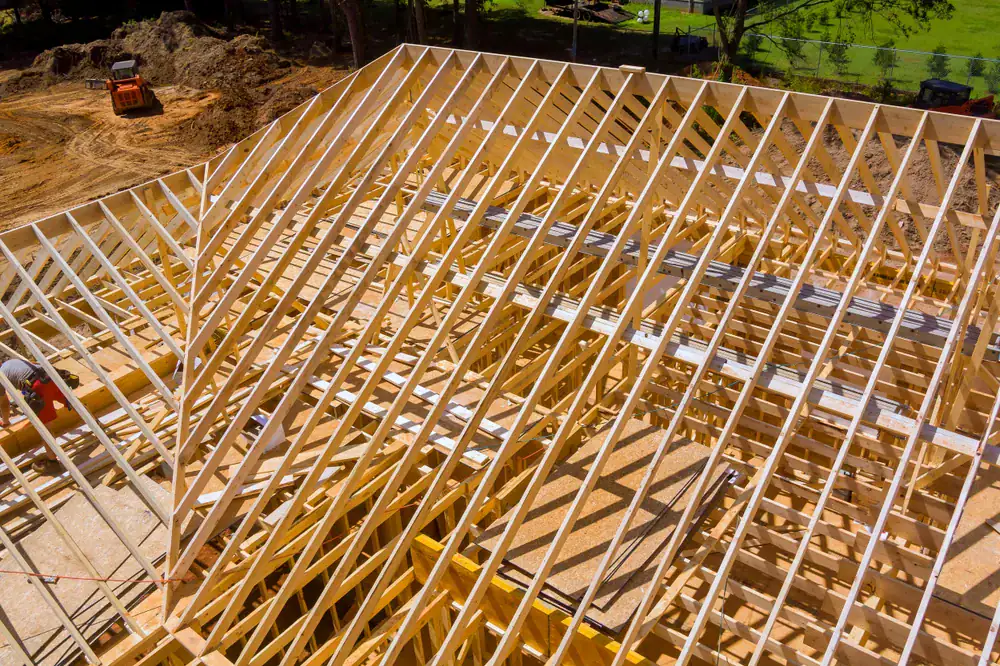
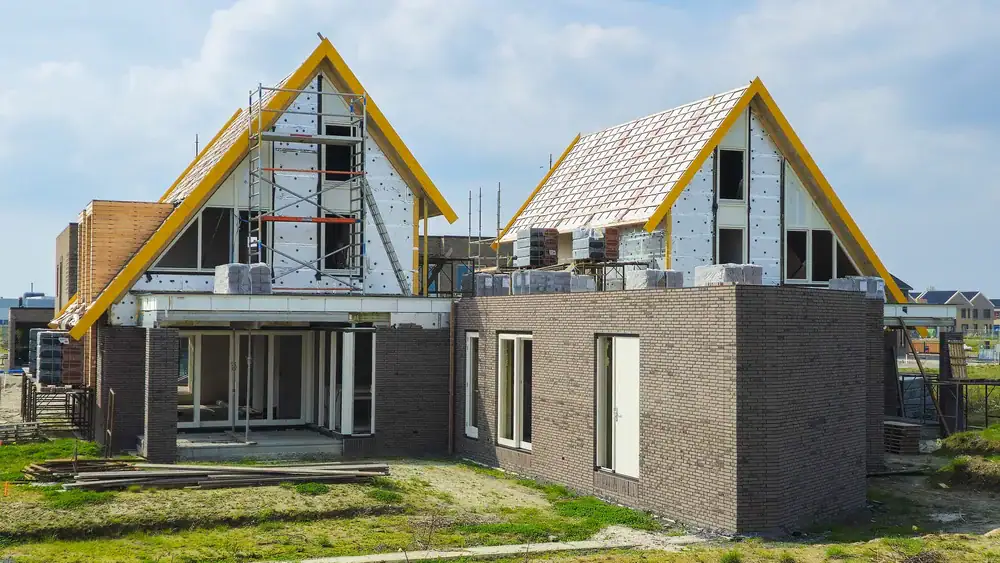
Roof framing under construction in Acton, CA for a commercial building.

Flat Roof Systems in Redondo Beach

What Happens When Your Roof Actually Works

You stop getting emergency calls about leaks. Your energy bills drop because your roof isn’t radiating heat into the building all day. Your tenants stay comfortable, your operations keep running, and you’re not scrambling to find budget for another patch job.

That’s what a properly installed commercial roofing system does. Whether you’re managing a multi-family property, an industrial warehouse, or a commercial building in Redondo Beach, your roof should protect your investment—not drain it.

The difference comes down to who installs it. TPO and PVC roofing systems can last 20+ years when installed correctly with Title 24 cool roof compliance built in. But if the contractor cuts corners or doesn’t understand California’s energy codes, you’ll be dealing with failures, code violations, and costly repairs within a few years. That’s the gap we close.

Redondo Beach Commercial Roofing Experts

Nearly 50 Years Serving Los Angeles County

We’ve been handling commercial roofing projects across Redondo Beach and Los Angeles County since 1982. We’re family-owned, fully licensed with a C-39 specialty contractor license, and we maintain an A+ rating with the Better Business Bureau.

What sets us apart isn’t just longevity. It’s that our crews have been with us for decades, our leadership is hands-on at every project, and we document everything with photos and reports that hold up with insurance carriers and property transfers. We’re bonded, insured, and factory-certified with major manufacturers—which means your warranty coverage is legitimate, not just paperwork.

Redondo Beach properties face intense sun exposure, seismic activity, and strict California energy codes. We’ve been navigating those challenges for commercial property managers, HOAs, and building owners throughout the South Bay for nearly half a century.

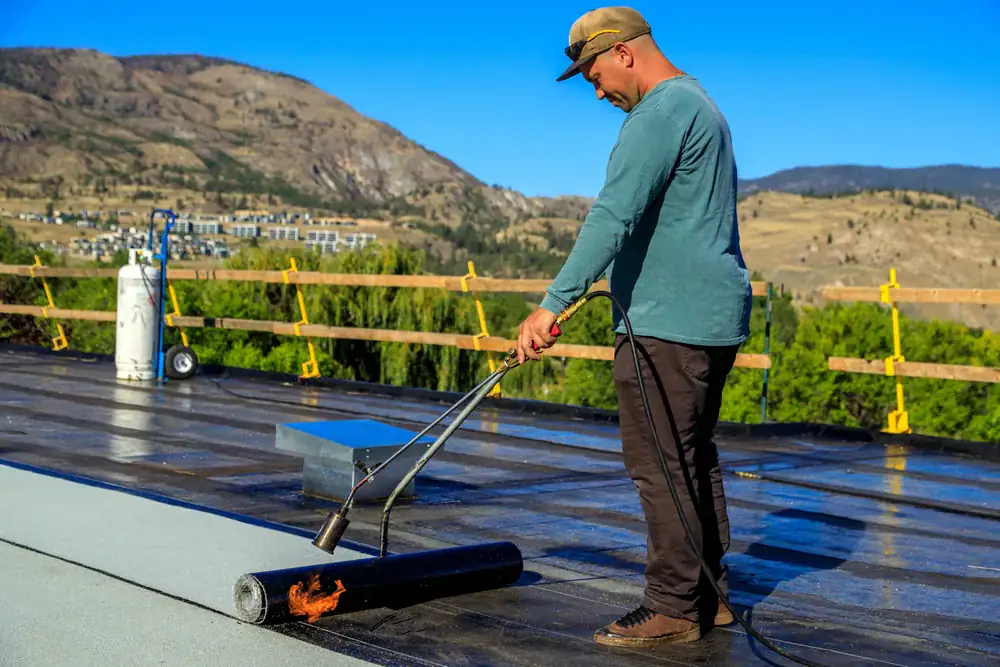
Professional roofing contractor applying roofing membrane on commercial roof in Acton, CA.

Commercial Roof Maintenance Process

Here's What Actually Happens on Your Project

First, we inspect your roof and document everything with photos. You get a written report that breaks down what’s failing, what’s still functional, and what your options are. No upselling, no scare tactics—just clear information so you can make the right call for your budget and timeline.

If you move forward, we handle permits, coordinate with your property management team to minimize disruptions, and schedule the work around your tenants’ needs. Our crews show up on time, complete the installation to manufacturer specs, and clean up daily. Every step gets documented.

Once the roof is installed, you receive all warranty paperwork, final photos, and a maintenance plan. We’re not disappearing after the check clears. You’ll have our number, and we’ll be here when you need an inspection, a repair, or your next roof down the line. That’s how we’ve built generational relationships with property owners across Redondo Beach and LA County.

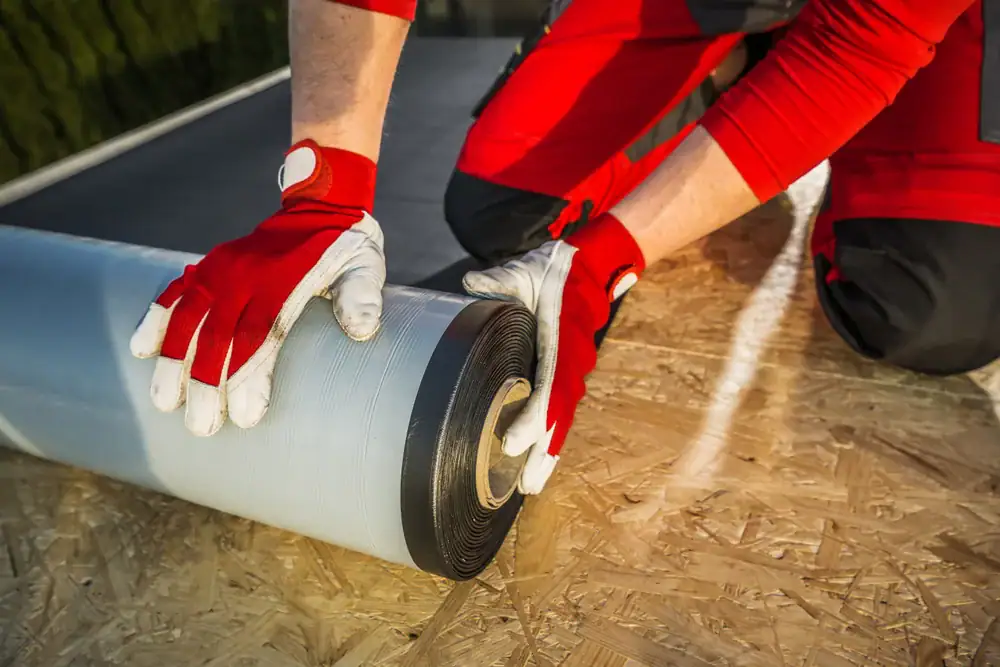
Roofing membrane installation for commercial building in Acton, CA.

Explore More Services

About Royal Roofing Company

Industrial Roofing Solutions in Redondo Beach

What's Included in a Commercial Roof Installation

You’re getting more than just a new roof. Every commercial roofing project includes a full inspection with photo documentation, Title 24 cool roof compliance verification, and coordination with your insurance carrier if you’re filing a claim. We handle hot mop systems, TPO, PVC, EPDM, modified bitumen, and cap sheet installations—whatever your building requires.

In Redondo Beach, Title 24 compliance isn’t optional. California’s energy codes require cool roofing for most commercial applications, and the requirements shift based on your building type, roof slope, and climate zone. We make sure your roof meets those standards so you’re not dealing with code violations or failed inspections later.

You also get manufacturer-backed warranties because we’re factory-certified. That matters when something goes wrong five or ten years down the road. If the manufacturer won’t honor the warranty because the roof wasn’t installed by a certified contractor, you’re stuck paying out of pocket. We eliminate that risk. And because we document every phase of the project, you’ll have records that transfer cleanly if you sell the property or switch management companies.

New commercial roofing installation on modern buildings in Acton, CA.

How do I know if my commercial roof needs replacement or just repairs?

Most property managers don’t realize there’s a problem until leaks start showing up inside the building. By that point, you’re often looking at more than a simple patch job.

Here’s what to watch for: recurring leaks in the same area, visible ponding water that sits for more than 48 hours after rain, cracks or blistering in the roof membrane, or rising energy bills that suggest your roof isn’t reflecting heat anymore. If your roof is over 15 years old and you’re seeing any of these signs, a full inspection is worth the time.

We’ll come out, document the condition with photos, and give you a straight answer. Sometimes a restoration or coating can buy you another 5-10 years. Other times, the substrate is compromised and a replacement is the only move that makes financial sense. You’ll get both options with real numbers so you can decide what works for your budget and timeline.

Both are single-ply membrane systems that meet Title 24 cool roof requirements, but they’re not interchangeable. TPO is more affordable upfront and works well for standard commercial applications. It’s heat-welded at the seams, reflects UV rays, and typically lasts 15-20 years with proper maintenance.

PVC costs more but handles chemical exposure better, which matters if you’ve got HVAC exhaust, grease from restaurant vents, or industrial processes that put stress on the roof. PVC is also more flexible in cold weather and has a longer track record—some PVC roofs installed in the 1960s are still performing.

For most commercial properties in Redondo Beach, TPO is the cost-effective choice. But if your building has unique demands—high foot traffic, rooftop equipment, or exposure to chemicals—PVC might be worth the investment. We’ll walk you through both options based on what’s actually happening on your roof, not what’s easier for us to install.

If you’re replacing more than 2,000 square feet of roofing or doing work that requires a permit, Title 24 compliance is mandatory. California’s energy code requires cool roofs for most commercial buildings—roofs that reflect solar heat instead of absorbing it. The goal is to reduce cooling costs and energy consumption.

Compliance requirements vary based on your building’s climate zone, roof slope, and whether it’s new construction or a replacement. Redondo Beach falls under a coastal climate zone, which has specific reflectance and emittance standards your roof has to meet. If your contractor isn’t factoring this in, you’ll fail inspection and have to redo the work.

We handle Title 24 compliance on every commercial project. That includes selecting materials that meet the code, documenting the installation, and coordinating with inspectors. You won’t get stuck in permit limbo or face fines because something was missed. It’s built into how we operate, not an afterthought.

Timeline depends on the size of your roof, the system you’re installing, and weather conditions. A typical 10,000-square-foot commercial roof takes about one to two weeks from start to finish. Larger industrial roofing projects can run longer, but we break the work into phases so you’re not shutting down operations.

We coordinate with your property management team to schedule around tenant needs. If you’ve got retail or office tenants, we can work early mornings or weekends to minimize noise and disruption. For warehouses and industrial facilities, we’ll plan around your peak hours and loading schedules.

Most of the noise and activity happens during tear-off and installation. Once the new membrane is down, the final steps are quieter. We also clean up daily—no debris piles sitting in your parking lot for weeks. You’ll know the schedule upfront, and if weather delays us, we’ll communicate immediately so you’re not left guessing.

Even the best commercial roofing system needs regular inspections to catch small issues before they become expensive problems. You should have your roof inspected at least twice a year—once before winter and once after. That’s when you’ll spot clogged drains, loose flashing, or membrane damage from debris.

Flat roof systems are especially vulnerable to ponding water. If water sits for more than 48 hours, it starts breaking down the membrane and can lead to leaks. Keeping drains clear and making sure your roof has proper slope is critical. We also recommend inspections after major storms or if you’ve had rooftop work done by HVAC or solar contractors—they can accidentally damage the membrane without realizing it.

Maintenance costs are minimal compared to emergency repairs. A small patch or flashing repair might run a few hundred dollars. Ignoring it until water is pouring into your building can mean thousands in repairs plus interior damage to deal with. We offer maintenance plans that include scheduled inspections and priority service if something comes up between visits.

Insurance carriers and buyers want proof that your roof was installed correctly and maintained over time. Without documentation, you’re stuck arguing with adjusters or taking a hit on your property value because the roof’s condition is unclear.

We photograph every phase of installation—tear-off, substrate condition, membrane installation, flashing details, and final completion. You get a full report with those photos plus warranty paperwork and maintenance records. If you file a claim later, you’ve got evidence that the roof was installed to code and manufacturer specs.

That documentation also matters when you sell the property or transition management companies. New owners and managers want to know what they’re inheriting. If you can hand them a complete history with inspection reports and photos, it removes uncertainty and protects your investment. We’ve seen property deals stall because the roof’s condition couldn’t be verified—don’t let that happen to you.

Other Services we provide in Redondo Beach