State Licensed “SINCE 1982”

CSLB C-39 #432352

Full Workers Comp. & $2M Liability Insurance
OUR EMPLOYEE ROOFERS ARE FACTORY CERTIFIED
*Serving most of Southern California*
State Licensed “SINCE 1982” CSLB C-39 #432352
Full Workers Comp. & $2M Liability Insurance
OUR EMPLOYEE ROOFERS ARE FACTORY CERTIFIED.

*Serving most of Southern California*

Commercial Roofing Contractor in Rose Hills, CA

Your Roof Fixed Right the First Time

Factory-certified crews, Title 24 compliance handled, and a track record that goes back to 1980—serving Rose Hills property managers who need it done right.
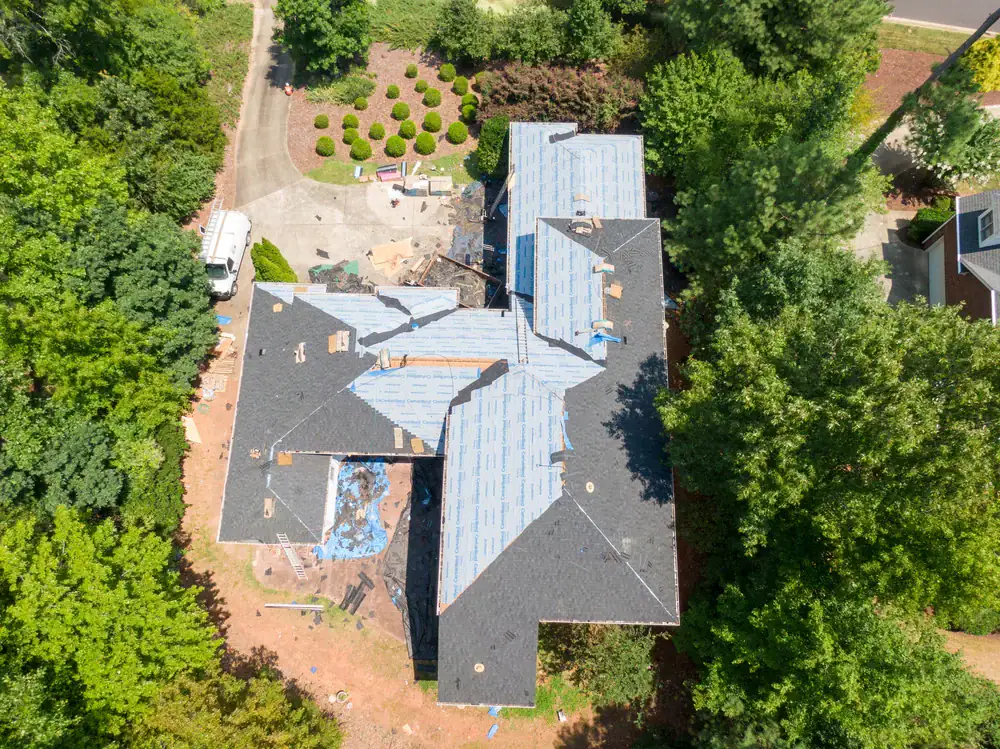
Aerial view of a residential roof undergoing commercial roofing repairs in Acton, California.
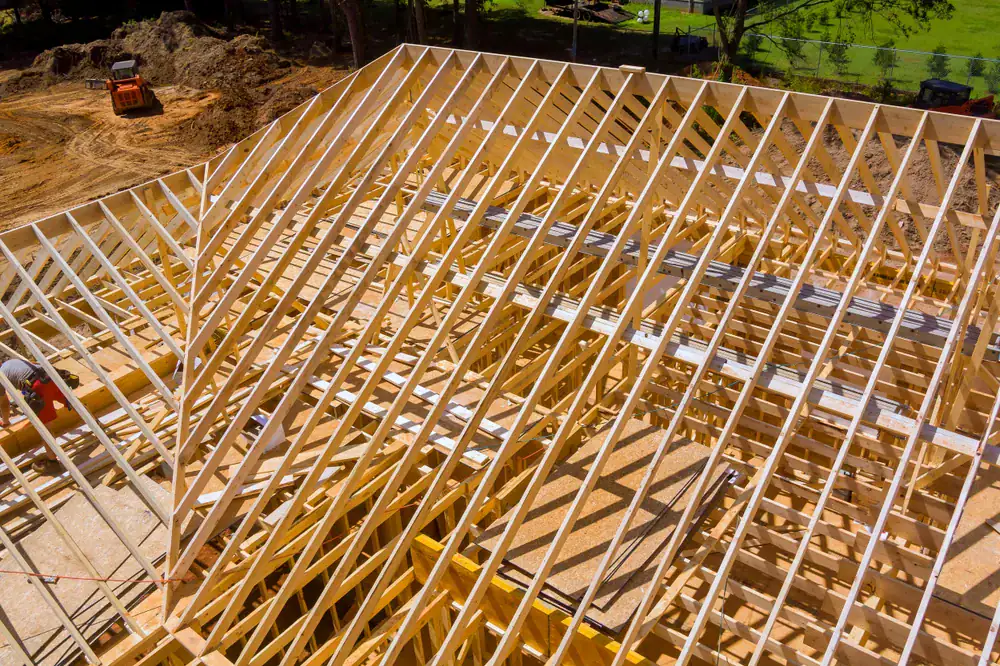
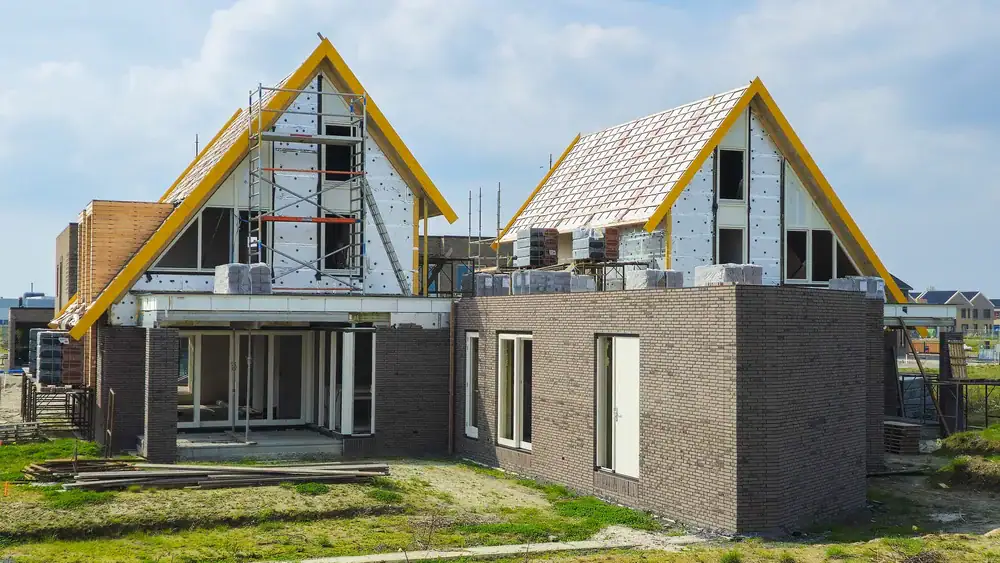
Roof framing under construction in Acton, CA for a commercial building.

Commercial Roof Systems Rose Hills

What You Get When the Job's Actually Done Right

You’re not looking for the cheapest bid. You’re looking for a roof that doesn’t leak three months later, a crew that shows up when they say they will, and someone who can navigate Title 24 requirements without you having to become an expert yourself.

That’s what matters when you manage commercial properties in Rose Hills. Tenants don’t care about your roofing problems—they just want them fixed. Your job is to keep buildings running, not chase down contractors who ghost you after the deposit clears.

We’ve handled commercial projects across Los Angeles County since 1980. We’re GAF Master Elite certified, which puts us in the top 2% nationally. Our crews are factory-trained on TPO and PVC roofing systems, flat roof installations, and Title 24 cool roof restoration. We carry $2 million in liability coverage and maintain our C-39 contractor license because that’s what serious commercial work requires.

You get a roof that meets California energy codes, holds up under LA County’s heat, and comes with warranties that actually mean something. No runaround, no excuses.

Rose Hills Commercial Roofing Experts

Four Decades Serving LA County Property Managers

We’ve been operating out of Los Angeles County since 1980. We’ve maintained GAF Master Elite status since 2002, which means we’ve consistently met their standards for licensing, insurance, training, and customer satisfaction for over two decades.

Rose Hills sits in an area where commercial properties range from older industrial buildings to modern retail centers. We’ve worked on both. Our crews know how to handle hot mop systems, modified bitumen, TPO, PVC, and EPDM installations. We’re not a residential company trying to break into commercial work—this is what we do.

Eighty-six percent of our business comes from repeat clients and referrals. That happens when you show up on time, document your work with photos, handle insurance claims properly, and don’t disappear after the final payment. We’re a family-owned business, and our crew retention reflects that—some of our roofers have been with us for decades.

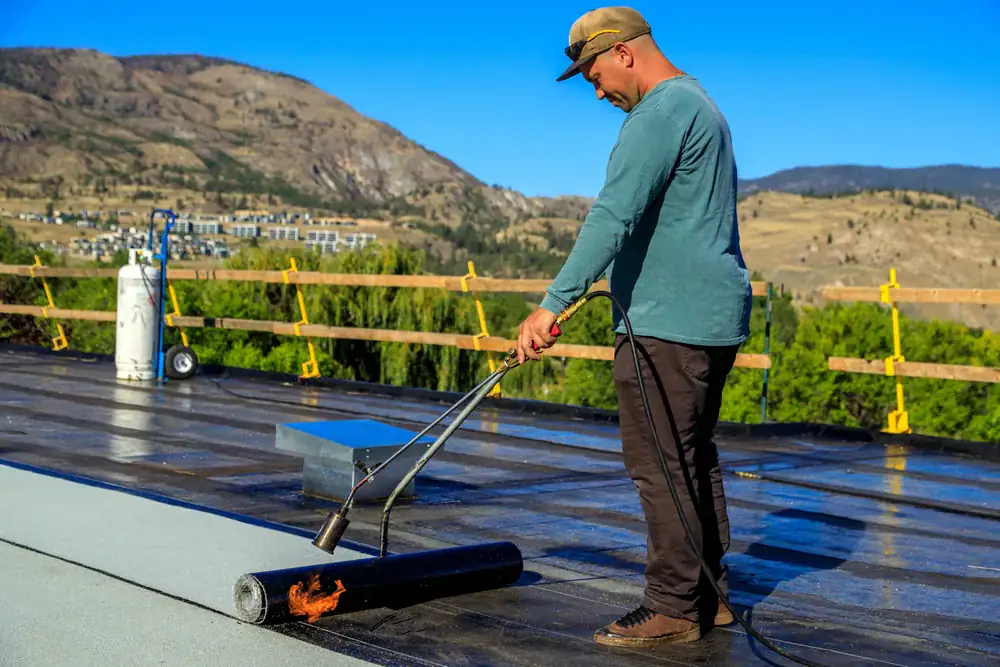
Professional roofing contractor applying roofing membrane on commercial roof in Acton, CA.

Commercial Roofing Process Rose Hills

Here's How We Handle Your Commercial Roof

First, we inspect your roof and document everything with photos. You get a detailed assessment of what’s failing, what’s salvageable, and what your options are. If you’re dealing with an insurance claim, we know what documentation adjusters need.

Next, we provide a written estimate that breaks down materials, labor, timeline, and warranty coverage. We’ll explain whether TPO, PVC, or another system makes sense for your building. We’ll also confirm Title 24 compliance requirements so you’re not surprised later.

Once you approve the scope, we schedule the work around your tenants and business operations. Our project managers coordinate everything—material delivery, crew scheduling, site safety, and daily progress updates. We handle permits and inspections.

During installation, our factory-certified crews follow manufacturer specs exactly. That’s how warranties stay valid. We protect your property, manage debris removal, and keep the site clean.

After completion, you get final documentation including photos, warranty paperwork, and maintenance recommendations. We’re available for follow-up inspections and any questions that come up down the road.

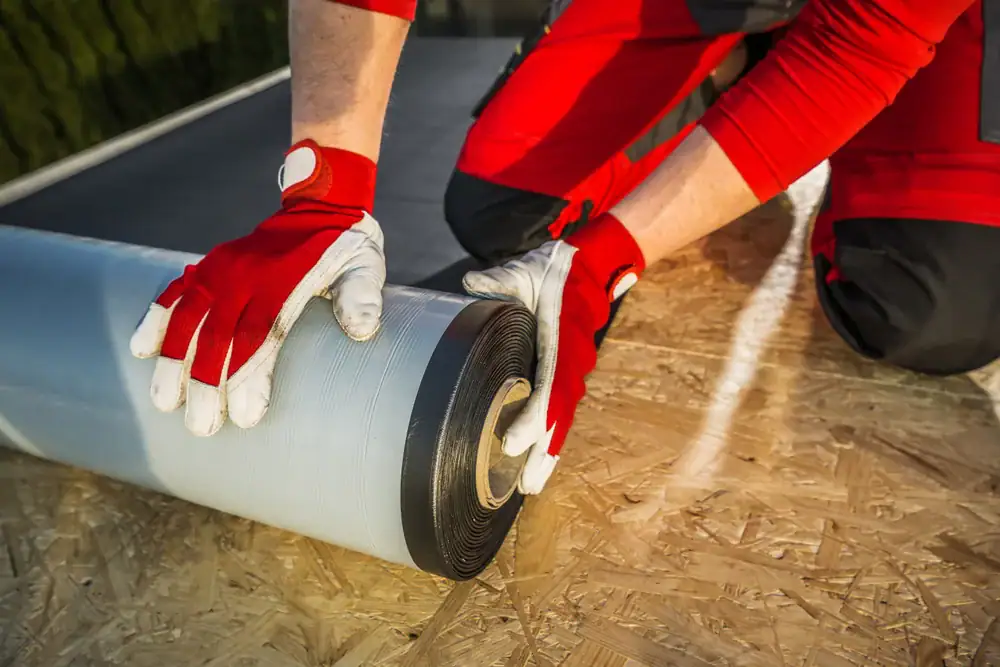
Roofing membrane installation for commercial building in Acton, CA.

Explore More Services

About Royal Roofing Company

Flat Roof Systems Rose Hills CA

What's Included in Your Commercial Roofing Project

You’re getting a complete roofing solution, not just installation. That includes material selection based on your building’s specific needs—TPO for energy efficiency and durability, PVC for chemical resistance and longevity, or modified bitumen for proven performance on flat roof systems.

Rose Hills properties face intense summer heat and occasional heavy rain. We install cool roof systems that meet California’s Title 24 energy requirements, which can lower your cooling costs and help with LEED certification if that matters for your property. Energy Star-qualified materials are standard when they make sense.

Every project includes proper drainage assessment, flashing details around penetrations, and edge securement that meets wind uplift requirements for LA County. We coordinate with your HVAC contractors if rooftop units need to be lifted or relocated. Our crews handle all the details that cause problems when they’re overlooked.

You also get comprehensive warranty coverage—both manufacturer warranties on materials and workmanship warranties from us. We document everything with before, during, and after photos. That documentation protects you if questions come up later, especially with insurance claims or property sales.

Commercial roof maintenance programs are available if you want scheduled inspections and minor repairs handled proactively. Most property managers find that regular maintenance extends roof life significantly and prevents emergency situations.

New commercial roofing installation on modern buildings in Acton, CA.

How long does a commercial roof replacement take in Rose Hills?

Timeline depends on your building size, roof type, and weather. A typical 10,000 square foot flat roof replacement takes one to two weeks from start to finish. Larger industrial roofing projects can run three to four weeks.

We schedule around your business operations whenever possible. If you need us to work weekends or off-hours to avoid disrupting tenants, we can coordinate that. Weather delays happen—you can’t install TPO or PVC roofing in rain, and extreme heat affects material application. We’ll give you a realistic timeline upfront and update you if anything changes.

The actual installation moves quickly once we start. Most of the timeline involves prep work, material delivery, permits, and final inspections. We don’t drag projects out—our crews stay on your job until it’s complete.

Both are single-ply membrane systems that work well on flat roofs, but they’re not identical. TPO is more affordable and has become the most popular choice for commercial buildings—it holds about 40% of the market. It’s heat-welded at the seams, reflects UV rays, and meets Title 24 cool roof requirements.

PVC costs more but has a longer track record—over 50 years of proven performance. It’s more resistant to chemicals, grease, and punctures, which matters if you have rooftop equipment or restaurant exhaust. PVC is also easier for contractors to work with, which can mean better installation quality.

For most Rose Hills commercial properties, TPO makes sense unless you have specific exposure concerns. We’ll walk you through the pros and cons based on your building’s actual conditions. Both systems come with strong manufacturer warranties when installed correctly.

Yes, if you’re doing a roof replacement or recovering more than 2,000 square feet in California. Title 24 is the state’s energy code, and it requires cool roof systems that reflect solar heat rather than absorbing it. This reduces cooling loads and energy consumption.

Cool roof requirements vary slightly depending on your climate zone within LA County and whether your building is conditioned space. Most commercial flat roof systems in Rose Hills need a minimum solar reflectance index. TPO and PVC roofing systems typically meet these standards, as do certain coatings applied over existing roofs.

We handle Title 24 compliance documentation as part of your project. That includes selecting approved materials, coordinating with your building department, and providing the paperwork needed for final inspection. You don’t need to become an expert on energy codes—that’s our job. We make sure your roof passes inspection the first time.

Age and condition tell the story. Most commercial roofing systems last 15 to 30 years depending on the material and maintenance history. If your roof is approaching the end of its expected lifespan and you’re seeing multiple leak points, membrane cracking, or ponding water, replacement usually makes more sense than patching.

Repair works when damage is localized—a few seams failing, isolated punctures, or flashing issues around penetrations. If you’re calling for repairs multiple times per year, you’re throwing money away. At some point, the cost of ongoing maintenance exceeds the value you’re getting.

We’ll give you an honest assessment during inspection. We document problem areas with photos and explain what’s causing the failures. If your roof has another five years left with minor repairs, we’ll tell you that. If it’s time for replacement, we’ll explain why patching won’t solve the underlying issues. You make the call based on real information, not a sales pitch.

Scheduled inspections, minor repairs, and documentation that proves you’re maintaining your roof properly. Most commercial roof maintenance programs include twice-yearly inspections—typically spring and fall—to catch small problems before they become expensive emergencies.

During inspections, we check membrane condition, seam integrity, flashing details, drainage systems, and rooftop equipment penetrations. We clear debris from drains and gutters, reseal minor cracks, and tighten loose fasteners. You get a written report with photos showing current conditions and any concerns.

Regular maintenance extends roof life significantly. It also protects your warranty—most manufacturer warranties require documented maintenance to stay valid. If you ever file an insurance claim, having maintenance records shows you’ve been responsible about upkeep. For property managers in Rose Hills overseeing multiple buildings, maintenance programs take roofing off your daily worry list. You know someone’s watching it, and you have documentation proving it.

Yes. We document damage with detailed photos, provide written assessments of what failed and why, and prepare estimates formatted for insurance adjusters. We’ve worked with most major commercial property insurers, so we know what documentation they require.

Insurance claims need clear evidence that damage resulted from a covered event—usually wind, hail, or sudden failure rather than deferred maintenance. We photograph everything before we touch it, measure affected areas, and explain the scope of necessary repairs in terms adjusters understand.

We can meet with your adjuster on-site if needed, answer their technical questions, and provide material specifications and labor breakdowns. If there’s a dispute about scope or coverage, our documentation gives you what you need to make your case. We don’t handle the claim filing itself—that’s between you and your insurer—but we provide the technical expertise and evidence that supports your claim. Most property managers in Rose Hills find that professional documentation makes the claims process much smoother.

Other Services we provide in Rose Hills