Appointments Available
Phone Support 24/7
Bell Gardens, CA 90201
*Serving most of Southern California*
Appointments Available
Phone Support 24/7
Bell Gardens, CA 90201
Your roof should be working for you, not against you. When it’s installed right with the right materials, you’re looking at lower monthly utility bills because your building isn’t absorbing heat like a sponge. You’re not scrambling to find someone when a leak pops up during business hours. You’re not wondering if you’re compliant with state energy codes.
A commercial roof that’s spec’d and installed correctly means your HVAC system isn’t fighting an uphill battle all summer. It means you can actually plan maintenance instead of reacting to emergencies. And it means when an inspector shows up or an insurance adjuster asks questions, you’ve got documentation and a system that was done right from day one.
That’s what happens when the job is handled by someone who knows hot mop systems, cool roof restoration, and Title 24 inside and out. You get a roof that performs, not one that just looks fine until the next heatwave or rainstorm exposes the shortcuts.
Royal Roofing Company holds a C-39 specialty contractor license, which means we’re not a general contractor dabbling in roofing. We’re certified by CertainTeed, GAF, and Owens Corning. We carry an A+ BBB rating and rank in the top 1% of licensed contractors in California.
Our crews have been with us for decades. That’s not common in this industry, but it matters when you need consistency and people who actually know what they’re doing on your roof. We’ve worked on commercial properties throughout San Dimas and Los Angeles County long enough to know what holds up under 300 days of sun and what doesn’t.
If you’re managing a building in San Dimas, you know the sun here isn’t a minor inconvenience. It’s a constant force that degrades roofing materials, raises indoor temps, and drives up operating costs if your roof isn’t designed to handle it.
We start with a comprehensive on-site inspection. Not a quick glance from the parking lot—an actual assessment where we document current conditions, identify problem areas, and determine whether you need repairs, restoration, or full replacement. You get photos and a written report.
From there, we walk you through your options. If you’re dealing with an older flat roof system, we’ll explain whether TPO or PVC roofing makes sense, or if Title 24 cool roof restoration is the smarter move. If you’ve got ponding water or membrane issues, we’ll tell you exactly what’s causing it and what it takes to fix it properly.
Once you approve the scope, we handle permitting and scheduling. Our crews show up when we say they will, and we keep your business operations in mind throughout the project. That means coordinating around your hours, protecting your property, and keeping you updated as work progresses.
After installation, you get documentation for your records and insurance files. We also offer commercial roof maintenance programs if you want to stay ahead of small issues before they become expensive problems.
You’re getting more than just labor and materials. Every commercial roofing project we handle includes a full assessment of your building’s specific needs, compliance with California Title 24 energy efficiency standards, and material selection based on your budget and performance goals.
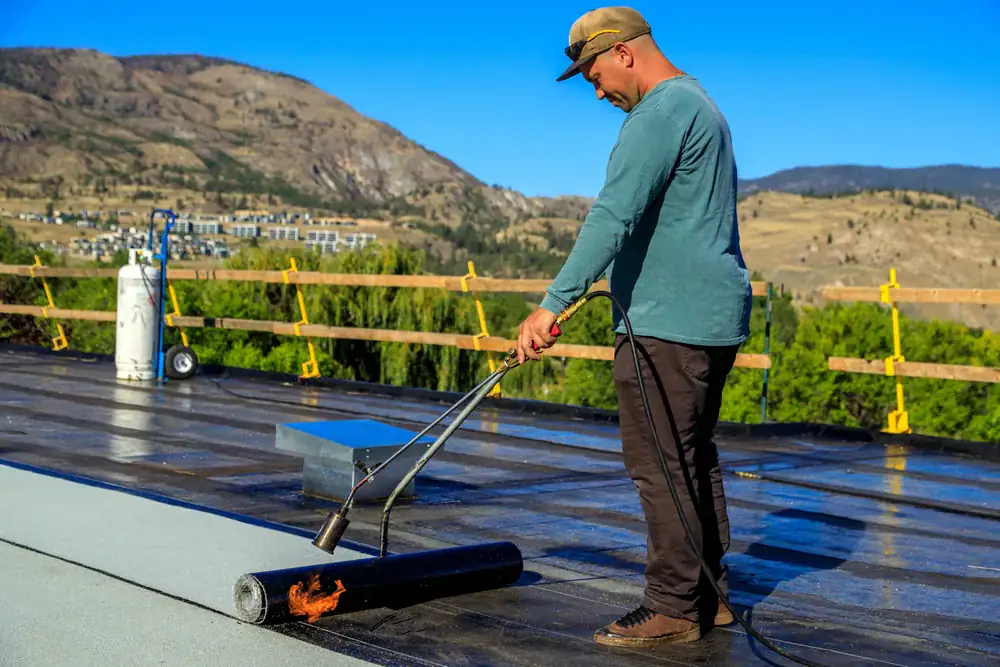
For flat roof systems, that often means TPO or PVC roofing with reflective properties that reduce heat absorption. In San Dimas, where summer temps regularly hit the 90s and UV exposure is relentless, cool roof systems aren’t just nice to have—they directly impact your energy costs and roof lifespan. We also specialize in hot mop roofing, which is still one of the most durable and cost-effective solutions for many commercial buildings in Los Angeles County.
If you’re dealing with an aging roof that’s not quite ready for replacement, cool roof restoration can extend its life while bringing you into Title 24 compliance. We’ll apply reflective coatings that redirect sunlight and lower surface temperatures, cutting your cooling costs without the expense of a full tear-off.
You also get photo-documented workmanship for insurance claims, factory certifications on materials, and a crew that’s been doing this type of work together for years. That consistency matters when you’re trusting someone with a significant investment in your property.
Start by looking at age and current condition. Most commercial roofs in San Dimas last 15-25 years depending on the system and how well they’ve been maintained. If yours is approaching that range and you’re seeing multiple issues—leaks, membrane damage, ponding water, or visible wear—replacement is usually the smarter financial move.
If your roof is newer but you’re dealing with isolated problems like a few leaks or minor membrane lifting, repairs might be enough. The key is getting an honest assessment from someone who’s not trying to upsell you. We’ll inspect your roof, document what we find, and tell you whether a repair buys you a few more years or if you’re just delaying the inevitable.
One thing to watch for: if your energy bills have crept up and your building feels harder to cool, that’s often a sign your roof is absorbing too much heat. In that case, even if the roof isn’t leaking, a cool roof restoration or retrofit might make sense to cut operating costs and extend the roof’s lifespan.
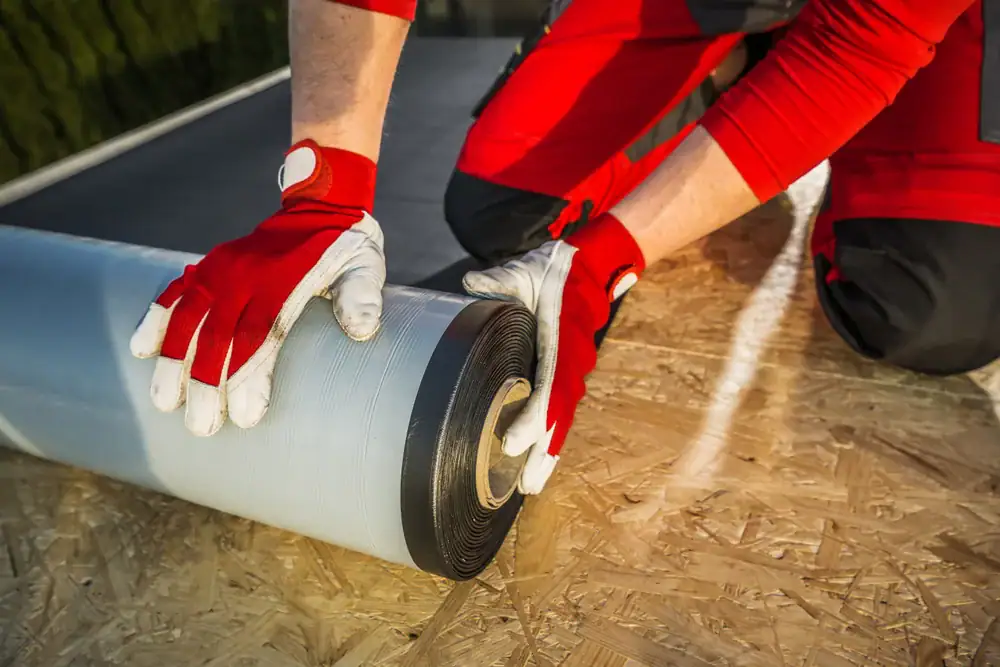
Both are single-ply membrane systems designed for flat or low-slope commercial roofs, and both perform well in San Dimas’ climate. TPO (thermoplastic polyolefin) is typically more affordable and offers solid energy efficiency with its reflective white surface. It’s heat-welded at the seams, which creates a watertight bond, and it holds up well against UV exposure.
PVC (polyvinyl chloride) costs a bit more upfront but tends to be more durable, especially if your roof is exposed to chemicals, grease, or heavy foot traffic. It’s also heat-welded and highly reflective, so you get similar energy savings. PVC has been around longer and has a strong track record in commercial applications.
The right choice depends on your building’s use, your budget, and how long you plan to own the property. If you’re running a restaurant or industrial facility where the roof sees more wear, PVC might be worth the extra cost. For standard office or retail buildings, TPO usually makes more sense. We’ll walk you through both options based on what your building actually needs.
Yes, if you’re doing any major roof work—replacement, recovering, or certain types of restoration—your roof needs to comply with California’s Title 24 energy efficiency standards. This applies to most commercial buildings in San Dimas and throughout Los Angeles County.
Title 24 requires cool roofs with specific reflectivity and thermal emittance ratings. The goal is to reduce energy consumption by keeping buildings cooler, which directly lowers your air conditioning costs. If you’re replacing your roof or adding a new layer, the materials we install have to meet those standards, and we handle the documentation to prove compliance.
If your roof is older and doesn’t meet current Title 24 requirements, you’re not required to upgrade it unless you’re doing significant work. But here’s the thing: upgrading to a compliant cool roof system often pays for itself through lower energy bills. In a climate where your building is baking under the sun most of the year, a reflective roof can cut cooling costs by 10-20%. That’s real money back in your pocket every month, and it makes your property more attractive if you ever sell or lease it.
Commercial roof maintenance typically runs a few hundred to a couple thousand dollars per year depending on your building size and roof type. That might sound like an unnecessary expense when your roof isn’t leaking, but it’s one of the smartest investments you can make.
Regular maintenance catches small problems—minor membrane damage, clogged drains, loose flashing—before they turn into leaks that damage your interior, disrupt your business, and cost tens of thousands to fix. A maintenance program usually includes inspections, cleaning, minor repairs, and documentation. You’re essentially buying peace of mind and extending your roof’s lifespan by years.
Here’s the math that matters: if a maintenance program costs you $1,500 a year and prevents just one major leak that would’ve cost $10,000 to repair plus lost business and damaged inventory, you’re way ahead. Most commercial property managers and building owners in San Dimas who’ve dealt with emergency roof repairs will tell you they wish they’d invested in maintenance sooner. It’s a lot easier to budget for planned maintenance than to scramble for emergency repair funds.
Start with licensing and insurance. In California, you want a contractor with a C-39 roofing specialty license, not just a general contractor’s license. That C-39 means they’ve met specific requirements for roofing work. Verify their license is active and check their insurance coverage—both liability and workers’ comp. If someone gets hurt on your property and they’re not properly insured, you’re on the hook.
Next, look at manufacturer certifications. Contractors certified by companies like GAF, CertainTeed, or Owens Corning have been trained on proper installation methods and can offer better warranties. Check their BBB rating and ask for references from other commercial property owners, not just residential customers. Commercial roofing is different, and you want someone who regularly works on buildings like yours.
Finally, pay attention to how they communicate. Do they show up when they say they will? Do they explain your options clearly without pressuring you? Do they provide detailed written estimates and documentation? A good commercial roofing contractor treats your project like the significant investment it is. They answer your questions, keep you informed, and stand behind their work. If someone’s dodging questions or rushing you into a decision, that’s a red flag.
It depends on your building size, roof type, and whether we’re doing repairs, restoration, or full replacement. A straightforward flat roof replacement on a 10,000 square foot building typically takes one to two weeks. Larger buildings or more complex projects can take longer.
Weather plays a role too, though San Dimas’ dry climate works in your favor most of the year. We can’t install certain roofing materials in rain or extreme heat, but those delays are rare here. The bigger timeline factors are usually permitting, material delivery, and coordinating around your business operations.
We’ll give you a realistic timeline upfront and keep you updated throughout the project. If you need us to work around your business hours or schedule work in phases to minimize disruption, we can usually accommodate that. The key is planning ahead—emergency repairs obviously happen on a faster timeline, but if you’re planning a replacement or major restoration, giving us a few weeks’ notice helps us schedule efficiently and keep the project on track.
Other Services we provide in San Dimas