State Licensed “SINCE 1982”

CSLB C-39 #432352

Full Workers Comp. & $2M Liability Insurance
OUR EMPLOYEE ROOFERS ARE FACTORY CERTIFIED
*Serving most of Southern California*
State Licensed “SINCE 1982” CSLB C-39 #432352
Full Workers Comp. & $2M Liability Insurance
OUR EMPLOYEE ROOFERS ARE FACTORY CERTIFIED.

*Serving most of Southern California*

Commercial Roofing Contractor in Agoura Hills, CA

Your Roof Shouldn't Be Your Biggest Business Risk

When your commercial roof fails, everything stops—operations, revenue, tenant satisfaction. We handle complex systems the right way, so you can focus on running your business.
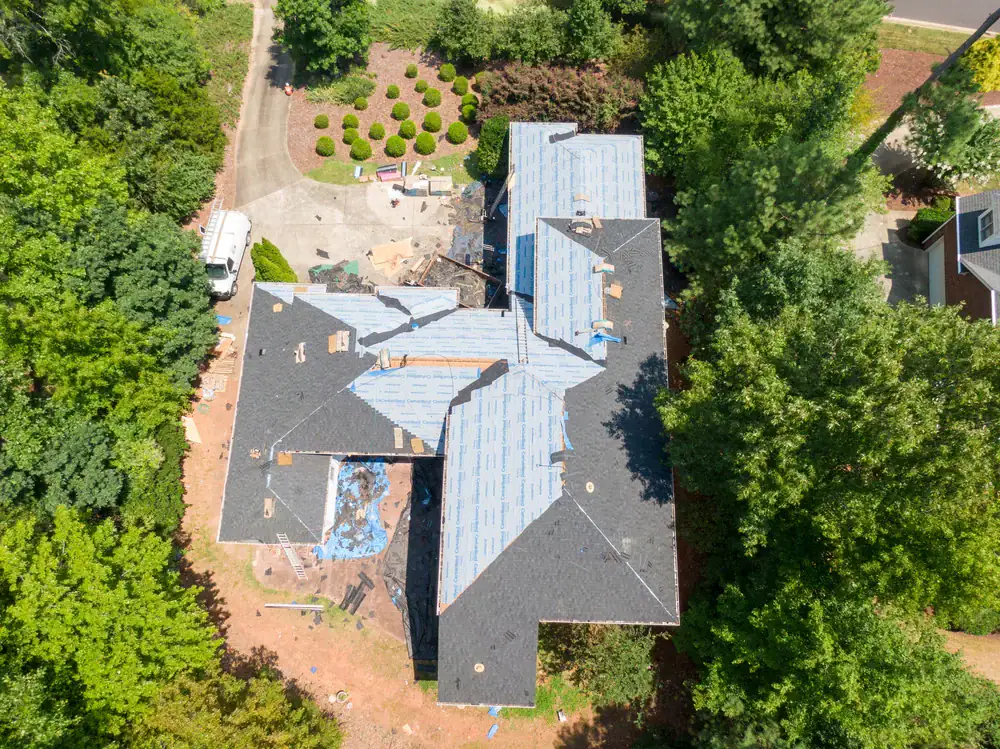
Aerial view of a residential roof undergoing commercial roofing repairs in Acton, California.
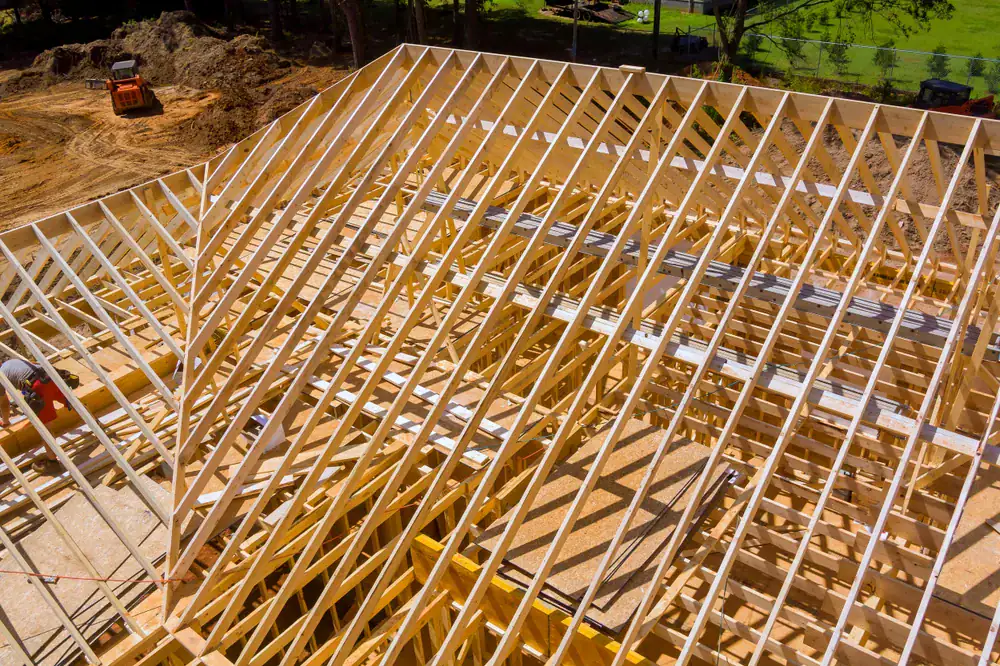
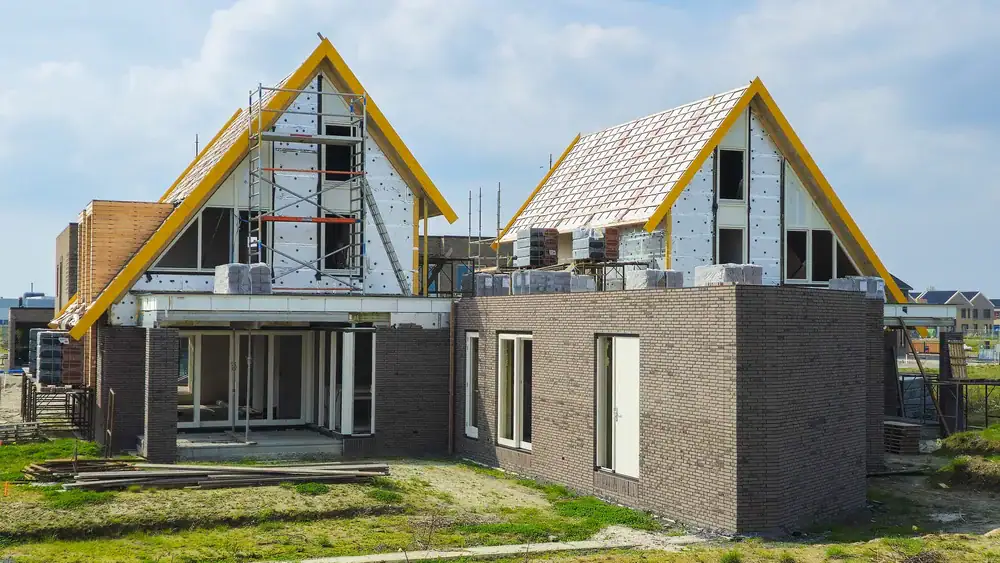
Roof framing under construction in Acton, CA for a commercial building.

Commercial Roof Maintenance Agoura Hills

What Happens When Your Roof Actually Works

You stop worrying about the next rainstorm. Your insurance adjuster approves claims without pushback because the documentation is already there. Your energy bills drop because the roof meets Title 24 standards and actually reflects heat instead of absorbing it.

That’s what happens when a commercial roof is installed correctly and maintained properly. No emergency calls during business hours. No scrambling to find tarps when the forecast changes. No explaining to tenants why there’s a bucket in the hallway again.

The difference isn’t the materials—it’s knowing which system works for your building type, your budget, and California’s energy codes. Flat roof systems, TPO and PVC roofing, cool roof restoration—they all have specific applications. Choosing wrong costs you twice: once for the bad install, once for the fix.

Agoura Hills Industrial Roofing Solutions

Four Decades of Commercial Roofing in LA County

We’ve been handling commercial properties across Los Angeles County since 1980. Same owner. Same crews—some have been here 20+ years. Same approach: document everything, educate the client, do it right the first time.

Agoura Hills sits in Climate Zone 9 under California’s Title 24 standards, which means specific requirements for thermal emittance and solar reflectance. Most contractors don’t know that. We’ve been navigating these codes since they were introduced, and we’ve seen what happens when they’re ignored.

We hold a C-39 specialty roofing license, factory certifications from major manufacturers, and an A+ BBB rating. But what matters more is this: property managers call us back. For decades. That doesn’t happen unless the roof holds up and the process is transparent.

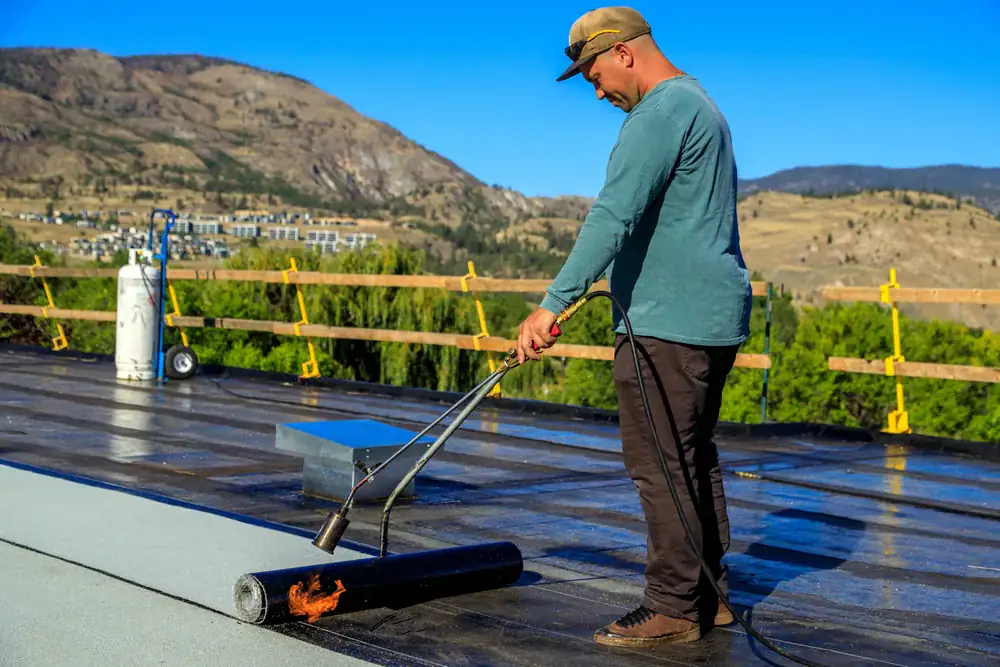
Professional roofing contractor applying roofing membrane on commercial roof in Acton, CA.

Commercial Roofing Process Agoura Hills

Here's What Happens From Inspection to Completion

It starts with a real inspection—not a sales pitch disguised as one. We document the current condition with photos, identify code compliance gaps, and explain what needs to happen and why. If your roof qualifies for restoration instead of replacement, we’ll tell you. If it doesn’t, we’ll show you exactly why.

Once you approve the scope, we pull permits through Agoura Hills Building and Safety. California requires two inspections for commercial roofing projects, and we coordinate both. Our crews show up when scheduled—not subcontractors we hired last week, but employees who’ve been doing this for years.

During installation, we photo-document each phase. That documentation protects you during insurance claims and gives you a record for future maintenance. When the job’s done, you get a full warranty backed by the manufacturer and our 43 years in business.

The goal isn’t just a new roof. It’s a roof that passes inspection, meets Title 24 energy standards, and lasts long enough that you’re not back here in five years wondering what went wrong.

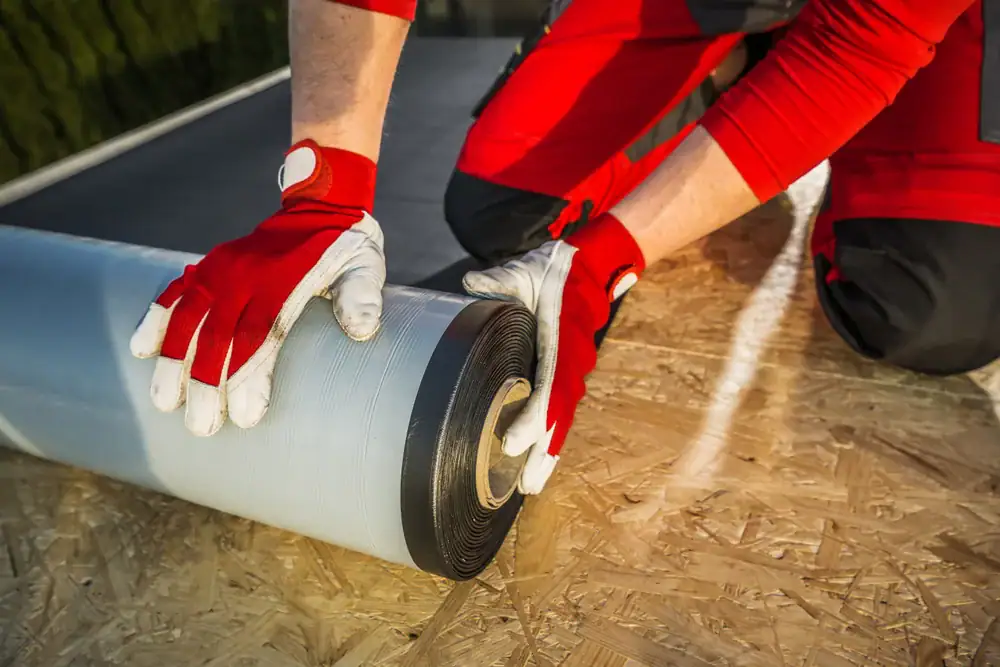
Roofing membrane installation for commercial building in Acton, CA.

Explore More Services

About Royal Roofing Company

Flat Roof Systems Agoura Hills CA

What's Included in Commercial Roofing Services

We handle single-ply membrane systems—TPO and PVC—which make up the majority of commercial roofing in California for good reason. They meet cool roof requirements, last 20+ years when installed correctly, and reduce cooling costs by 7-15% compared to traditional materials.

For buildings that need it, we install and maintain hot mop built-up roofing systems. Most contractors avoid this work because it requires specialized skills and equipment. We’ve been doing it for four decades, and it’s still one of the most durable options for certain flat roof applications.

Agoura Hills has seen significant commercial development over the past decade—office buildings, retail centers, multi-family complexes. Many of these properties are approaching the age where roofs need attention. If your building was constructed or re-roofed in the early 2000s, you’re likely due for an inspection at minimum.

We also offer maintenance programs. Annual inspections catch small problems before they become expensive ones. Drains get cleared, seams get checked, and you get documentation showing the roof is being properly maintained—which matters when it’s time to file an insurance claim or sell the property.

New commercial roofing installation on modern buildings in Acton, CA.

Does my commercial roof in Agoura Hills need to meet Title 24 standards?

If you’re re-roofing or building new, yes—Title 24 applies to most nonresidential buildings in California. Agoura Hills falls under Climate Zone 9, which has specific requirements for solar reflectance and thermal emittance.

The rules vary based on your building type, roof slope, and square footage. Low-slope roofs under 10,000 square feet have different requirements than larger buildings. Steep-slope roofs have their own standards. Any product used for compliance has to be rated by the Cool Roof Rating Council.

Here’s what matters: if your roof doesn’t meet Title 24, it won’t pass inspection. And if it somehow does pass, you’re leaving energy savings on the table. Cool roofs can cut cooling costs by double digits, which adds up over a 20-year roof life. We’ll tell you exactly what your building requires and make sure the materials we install are CRRC-rated and compliant.

It depends on the size of your roof, the system being installed, and whether we’re doing a full tear-off or a restoration. A typical 10,000-square-foot flat roof replacement usually takes one to two weeks from permit to final inspection.

Larger buildings or complex systems take longer. If we’re working around tenants or business operations, we’ll phase the work to minimize disruption. Most commercial clients can’t shut down for a week, so we plan around your schedule—not ours.

Weather plays a role too. We don’t install roofing in the rain, and Southern California’s rainy season runs roughly November through March. If your roof is already leaking, we’ll tarp and stabilize it while we wait for conditions to improve. Rushing a roof install to meet a deadline is how you end up with problems three years later.

Both are single-ply membrane systems. Both meet California’s cool roof standards. Both last 20+ years when installed properly. The difference comes down to chemical resistance, seam strength, and cost.

PVC handles grease, oils, and certain chemicals better than TPO, which makes it the better choice for restaurant roofs or buildings near industrial areas. PVC seams are also heat-welded and tend to be more durable in high-wind areas. But PVC costs more upfront.

TPO is the more economical option and works well for most commercial applications—office buildings, retail centers, warehouses. It’s lighter than PVC, reflects heat just as effectively, and has become the most popular commercial roofing material in the U.S. for a reason. We’ll recommend the right system based on your building’s exposure, your budget, and what’s actually on your roof now.

If more than 30% of your roof is damaged, replacement usually makes more sense than patching. If the underlying insulation is wet or the decking is compromised, repairs won’t fix the problem—they’ll just delay it.

We look at a few things during inspections: ponding water that doesn’t drain within 48 hours, widespread membrane cracking or blistering, seams that are pulling apart, and visible rust or rot on the decking. We also check the roof’s age. Most commercial roofs are designed to last 15-25 years depending on the system. If yours is past that window, replacement is likely the smarter investment.

Sometimes a roof qualifies for restoration—a process where we clean, repair, and coat the existing membrane to extend its life another 10-15 years. That only works if the structure underneath is sound. We’ll give you an honest assessment either way, with photos to back it up.

Yes. We document everything—before, during, and after. That documentation is what insurance adjusters need to approve claims without delays or disputes.

When storm damage happens, we’ll inspect the roof, photograph the damage, and provide a detailed scope of work that matches what insurance companies expect to see. We’ve worked with enough adjusters over 43 years to know what they’re looking for: proof that the damage is recent, proof that the roof was properly maintained, and proof that the repairs are necessary and code-compliant.

We don’t handle the claim for you—that’s between you and your insurer—but we’ll give you everything you need to support it. And if the adjuster wants to meet on-site, we’ll walk the roof with them and answer their questions. Claims complexity is one of the biggest frustrations property managers face. Having a contractor who knows how to navigate that process makes a difference.

We do. Annual inspections and maintenance agreements are one of the best ways to extend your roof’s life and avoid emergency repairs. Most commercial roof failures don’t happen overnight—they start small and get ignored until they’re expensive.

A maintenance program includes scheduled inspections, drain cleaning, minor repairs, and documentation of the roof’s condition over time. That documentation proves the roof has been properly maintained, which strengthens insurance claims and protects your investment if you ever sell the property.

For property managers overseeing multiple buildings, maintenance programs also create predictable costs instead of surprise expenses. You’re not scrambling to find budget for an emergency tear-off in the middle of the fiscal year. We’ll customize a program based on your roof type, building use, and budget. Some clients want quarterly visits. Others just need an annual checkup. Either way, you’ll know what’s happening with your roof before it becomes a problem.

Other Services we provide in Agoura Hills