Appointments Available
Phone Support 24/7
Bell Gardens, CA 90201
*Serving most of Southern California*
Appointments Available
Phone Support 24/7
Bell Gardens, CA 90201
Your roof isn’t just overhead protection. It’s a budget line that either stays predictable or blows up when you least expect it.
When your commercial roof gets regular attention, you’re not scrambling for emergency repairs at three times the cost. You’re not dealing with water damage that shuts down operations or forces you to relocate tenants. You’re not voiding warranties because someone missed an inspection.
Instead, you’re extending your roof’s life by years, cutting cooling costs by 10-25% with reflective systems, and keeping everything documented for insurance and compliance. That’s what happens when maintenance isn’t an afterthought. Your roof becomes an asset you can plan around, not a liability waiting to leak.
We’ve been handling commercial roofs across Los Angeles County for decades. Our crews aren’t rotating faces—many have been with us for 20, 30 years. That continuity matters when you’re dealing with complex flat roof systems, Title 24 compliance, and insurance documentation.
We hold a C-39 specialty license and factory certifications for every system we install. Our BBB A+ rating isn’t new, and neither is our approach: show up, explain what’s happening, document everything, and make sure you understand what you’re paying for.
Anaheim’s commercial buildings deal with intense sun, aging infrastructure, and strict California energy codes. We’ve seen it all, from industrial warehouses needing TPO retrofits to HOA properties requiring Title 24 cool roof restoration. If your roof is flat and it’s in Anaheim, we’ve probably worked on one like it.
First, we inspect your roof and document what we find with photos and measurements. You get a detailed report that breaks down current conditions, compliance issues, and what needs attention now versus later. No surprises, no upselling.
If you move forward, we schedule the work around your operations. For commercial properties, that usually means coordinating with tenants, minimizing disruption, and keeping areas safe and accessible. Our crews arrive on time, work clean, and our full-time safety director oversees every job with field inspectors checking quality as we go.
Once the work’s done, you get complete documentation—photos, material specs, warranty information, and maintenance schedules. That paperwork isn’t just for your records. It’s what keeps your manufacturer warranty valid and makes insurance claims straightforward if something happens down the road. We treat documentation like it’s part of the job, because it is.
Most commercial buildings in Anaheim have flat or low-slope roofs, and the material you choose affects everything from energy costs to how often you’re calling for repairs. TPO and PVC roofing systems are the most common for a reason—they’re durable, reflective, and meet California’s Title 24 cool roof requirements without extra coatings.
Title 24 isn’t optional. Every roof replacement or retrofit in California has to meet specific energy efficiency standards, and those standards get stricter every few years. If your roof doesn’t comply, you’re looking at fines, failed inspections, and headaches during property sales or refinancing. We stay current on Title 24 updates so your roof passes inspection the first time.
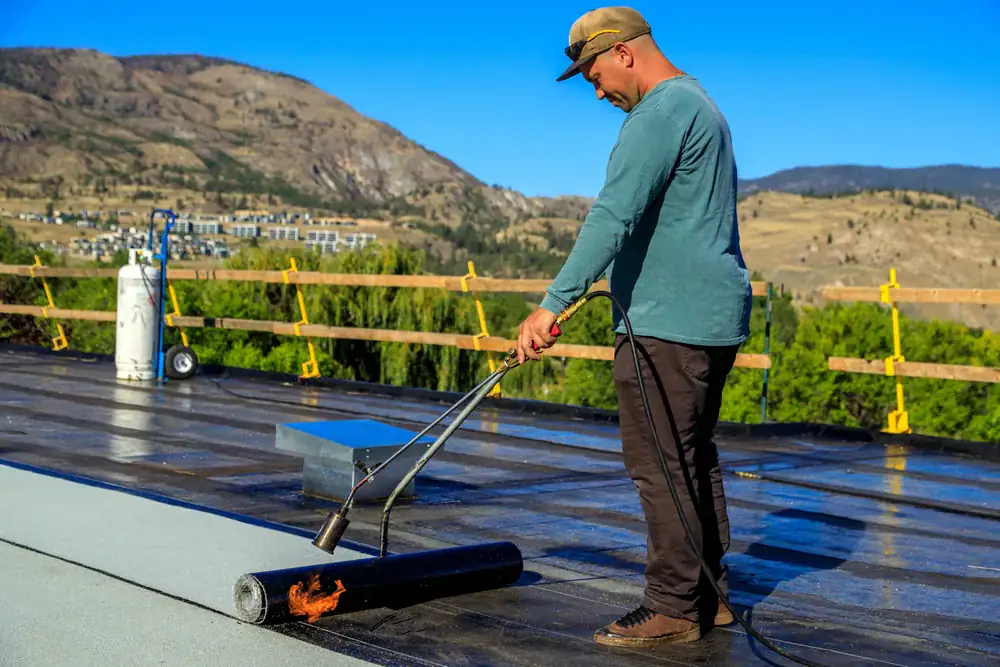
We also handle hot mop systems, modified bitumen, EPDM, and emergency roof repairs when leaks can’t wait. Anaheim’s aging commercial buildings often need more than a patch job—they need someone who understands how these systems fail and what it takes to fix them right. Whether it’s a full tear-off or a maintenance program that keeps small problems from becoming expensive ones, we’re set up to handle it.
Commercial roof replacement in Anaheim typically runs between $4 and $12 per square foot, depending on the system you choose, the size of your roof, and whether you need a full tear-off or can install over the existing surface. TPO and PVC systems tend to fall in the middle of that range and offer the best balance of cost, durability, and Title 24 compliance.
Tear-off adds to the cost but it’s often necessary if your roof has multiple layers, water damage, or failing insulation. Leaving a bad roof under a new one just delays problems. You’ll also want to factor in things like equipment access, building height, and whether your roof needs structural repairs before we can install anything new.
The real cost isn’t just the install—it’s what happens over the next 15 to 25 years. A cheaper roof that needs constant repairs or doesn’t meet energy codes ends up costing more than a quality system installed right the first time.
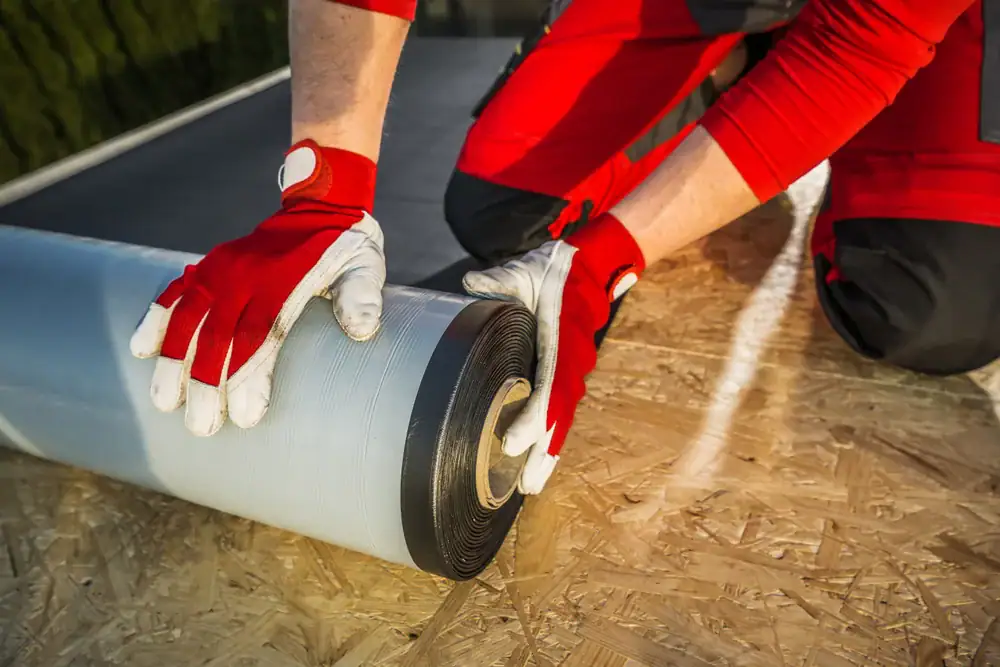
TPO and PVC are both single-ply membranes that work well for flat commercial roofs, but they’re not identical. PVC has been around since 1966 and has a longer track record, especially in areas with heavy chemical exposure or grease buildup. It’s more resistant to punctures and holds up better around restaurant exhaust or industrial environments.
TPO came out in the 1990s and costs less, which is why it’s become the most popular choice for standard commercial buildings. It’s highly reflective, meets Title 24 requirements, and performs well in Southern California’s climate. The seams are heat-welded just like PVC, so installation quality matters more than the material itself.
If your building has rooftop equipment, heavy foot traffic, or exposure to oils and chemicals, PVC is usually the better call. For most office buildings, warehouses, and retail spaces in Anaheim, TPO delivers solid performance at a lower upfront cost without sacrificing longevity.
You should inspect your commercial roof at least twice a year—once before summer and once after winter. Anaheim doesn’t get harsh winters, but even light rain can expose weak spots, and summer heat accelerates wear on flat roof systems. Catching small issues early costs a fraction of what you’ll pay for emergency repairs or water damage.
If your building is older, has a history of leaks, or sits under trees, you’ll want to inspect more often. Same goes for roofs with heavy equipment, HVAC units, or regular foot traffic. Every time someone walks on your roof or a contractor works up there, you’re risking punctures, displaced flashing, or damaged seams.
Most manufacturer warranties require documented inspections to stay valid. Miss those inspections and you could void coverage worth thousands of dollars. We provide detailed reports after every inspection so you have proof of maintenance and a clear record of your roof’s condition over time.
Yes. If you’re replacing or retrofitting a commercial roof in California, it has to meet Title 24 energy efficiency standards. That means your roof needs to reflect a certain amount of solar heat to reduce cooling loads and energy consumption. Most TPO and PVC systems meet these requirements out of the box because they’re light-colored and highly reflective.
Title 24 gets updated every few years, and the 2026 version will be even stricter. If your roof doesn’t comply, you’ll fail inspections, face fines, and run into problems when you try to sell or refinance the property. Compliance isn’t just about passing inspection—it’s about avoiding penalties and keeping your building marketable.
Cool roof coatings can bring older roofs into compliance without a full replacement, but that only works if the underlying roof is in decent shape. If your roof is already failing, a coating just delays the inevitable. We assess whether your roof qualifies for restoration or needs a full replacement to meet current codes.
A solid commercial roof maintenance program includes regular inspections, minor repairs, drain and gutter cleaning, and detailed documentation of everything we find and fix. The goal is to catch problems while they’re still small—before they turn into leaks, water damage, or emergency calls that cost three times more to fix.
During each visit, we check seams, flashing, penetrations, and drainage. We clear debris, reseal areas that are starting to separate, and make sure your roof is draining properly. Flat roofs in Anaheim collect dirt, leaves, and debris that block drains and cause ponding water. Left alone, that standing water breaks down your roof membrane and leads to leaks.
Maintenance programs typically cost a fraction of what you’d spend on emergency repairs, and they extend your roof’s life by up to 25%. You also get documentation that keeps your warranty valid and gives you a clear record for insurance claims. Most property managers who switch to planned maintenance never go back to the reactive approach.
A commercial roof in Anaheim typically lasts 15 to 30 years depending on the system, installation quality, and how well it’s maintained. TPO and PVC roofs usually hit 20 to 25 years if they’re installed correctly and inspected regularly. Modified bitumen and built-up roofs can last 15 to 20 years, while metal roofing can push 30 years or more.
Southern California’s intense sun is hard on roofs. UV exposure breaks down materials faster than in cooler climates, and heat cycling causes expansion and contraction that stresses seams and fasteners. If your roof isn’t reflective or doesn’t have proper ventilation, that heat also drives up cooling costs and accelerates aging.
The biggest factor in roof longevity is maintenance. Roofs that get inspected twice a year and have small issues fixed right away last significantly longer than roofs that only get attention when they leak. Deferred maintenance doesn’t save money—it just guarantees you’ll replace your roof sooner and deal with more damage along the way.
Other Services we provide in Anaheim