Appointments Available
Phone Support 24/7
Bell Gardens, CA 90201
*Serving most of Southern California*
Appointments Available
Phone Support 24/7
Bell Gardens, CA 90201
Your commercial property in Artesia faces 330 days of brutal sun exposure every year. Roof surface temperatures hit 170°F in summer. Then storms arrive and test every seam, drain, and flashing that’s been baking under UV rays for months.
A roof done right means you’re not scrambling when the first rain hits. It means your insurance adjuster sees photo-documented workmanship that makes claims processing seamless. It means Title 24 compliance isn’t a question mark—it’s handled.
You get predictable maintenance costs instead of emergency repair bills. Your tenants stay comfortable. Your property value holds. And you’re not fielding calls from frustrated managers wondering why the ceiling is dripping again.
That’s what happens when a commercial roofing contractor actually understands what’s at stake for property owners in Los Angeles County.
We’ve been serving commercial properties in Artesia and throughout Los Angeles County since 1981. Steve Pinkus has owned Royal Roofing Company for 43 years—that’s not a typo.
We hold a C-39 specialty contractor license (#432352), maintain GAF Master Elite status (top 2% of all GAF contractors since 2002), and carry $2 million in liability coverage. Our crew isn’t a rotating door of subcontractors. Many have been with us for decades.
Artesia’s climate is unforgiving. The combination of intense heat, sea salt from coastal proximity, and sudden temperature swings destroys roofing materials faster than most areas. We’ve seen every failure mode this environment can produce, and we know how to build systems that last here.
First, we inspect your roof—not just the obvious problem areas, but drainage systems, flashing, membrane condition, and structural concerns. You get photos and a written assessment that explains what’s failing and why. No upselling. Just facts.
If you’re filing an insurance claim, we document everything with the level of detail adjusters need. If you’re budgeting for next year, we give you realistic numbers and timelines so you can plan accordingly.
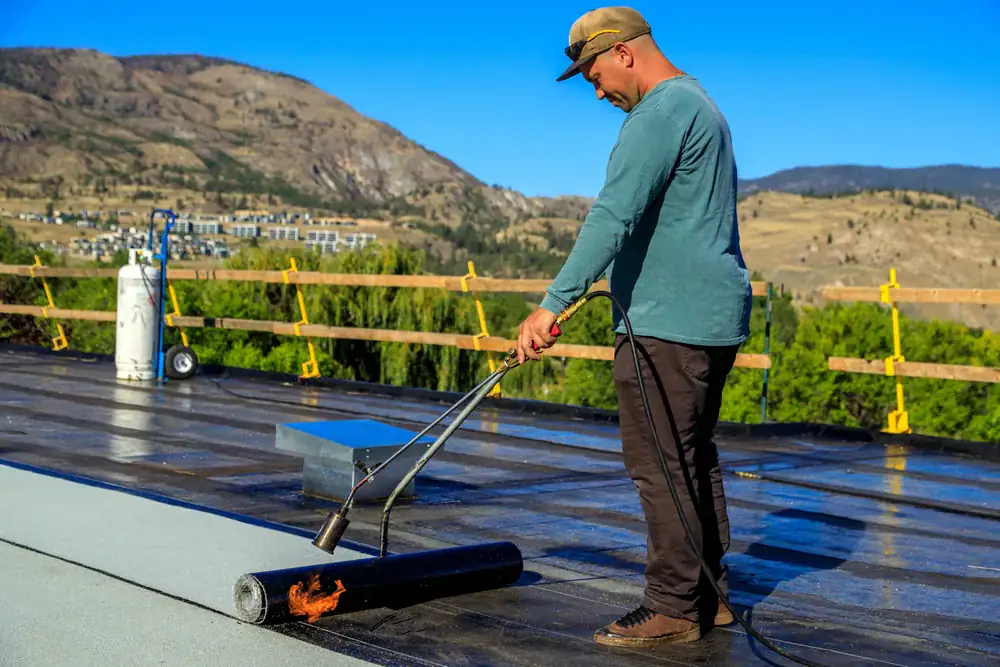
During installation, we handle hot tar cap sheet systems, modified bitumen, TPO, PVC, and EPDM roofing. We’re factory-certified, which means manufacturers trust our work enough to back it with their warranties. Our crews show up when scheduled, protect your property during work, and clean up completely when done.
After completion, you get warranty documentation, maintenance recommendations, and a point of contact if questions come up. Most of our commercial clients come back for ongoing maintenance—because a roof that’s inspected twice a year lasts significantly longer than one that’s ignored until it leaks.
Every commercial roofing project in Artesia starts with Title 24 compliance. California requires all new or replacement low-slope roofs to meet cool roof standards. We install Energy Star-qualified systems and reflective coatings that satisfy state requirements—no guesswork involved.
Flat roof systems need proper drainage in this climate. Artesia gets minimal rain, but when storms hit, clogged drains and scuppers turn roofs into pools. We assess and repair drainage during every project because standing water is the fastest way to destroy a commercial roof.
TPO and PVC roofing systems work well here because they reflect heat and resist UV degradation better than traditional materials. We’re certified installers for major manufacturers, which means you get factory-backed warranties on materials and workmanship.
Industrial roofing solutions often require custom flashing, equipment curbs, and penetration sealing. We handle HVAC units, exhaust vents, skylights, and other roof-mounted equipment without compromising the membrane integrity. And if you need ongoing commercial roof maintenance contracts, we offer scheduled inspections and minor repairs that prevent major failures.
Most commercial roof replacements in Artesia take between three days and two weeks, depending on building size, roof type, and weather conditions. A 10,000 square foot flat roof with straightforward access typically takes five to seven days from tear-off to final inspection.
Weather matters more than most property managers realize. We can’t install certain roofing materials when temperatures drop below 40°F or during rain. Artesia’s climate is generally cooperative, but we schedule around forecasted conditions to avoid delays.
If you’re replacing a roof on an occupied building, we coordinate work to minimize disruption. That might mean staging the project in phases, working specific hours, or protecting sensitive areas. The goal is getting it done right without shutting down your operations.
TPO and PVC are both single-ply membrane systems that work well in Artesia’s climate, but they’re not identical. PVC costs more upfront but offers superior chemical resistance and longer lifespan—often 25 to 30 years with proper maintenance. TPO is more affordable and performs well in standard commercial applications, typically lasting 15 to 20 years.
PVC handles rooftop grease, oils, and harsh chemicals better, making it the right choice for restaurant properties or industrial facilities. TPO works great for office buildings, retail centers, and warehouses where chemical exposure isn’t a concern.
Both materials meet Title 24 cool roof requirements. Both resist UV damage better than traditional built-up roofing. The decision usually comes down to budget, expected lifespan, and what’s happening on your roof. We’ll walk you through the cost difference and help you decide based on your specific property needs—not which product has a higher margin for us.
Yes, if you’re installing a new roof or replacing an existing low-slope roof in California. Title 24 mandates that commercial roofs meet minimum solar reflectance and thermal emittance standards. This isn’t optional—it’s state law, and inspectors will check compliance.
Cool roofs reflect more sunlight and absorb less heat than traditional roofing materials. In Artesia’s climate, where roof surface temperatures regularly exceed 150°F, cool roofs can reduce your HVAC costs significantly. You’re not just meeting a regulation—you’re lowering operating expenses.
We install Title 24-compliant systems as standard practice. That includes Energy Star-qualified membranes, reflective coatings, and proper documentation for building inspectors. You don’t need to become an expert on California energy code. We handle compliance as part of every commercial roofing project.
Twice a year minimum—once before summer heat arrives and once before winter storms. Artesia’s climate creates specific failure patterns that regular inspections catch early. UV exposure degrades sealants and flashing. Thermal cycling stresses seams. Debris clogs drains during the long dry season, then causes flooding when rain finally hits.
Most commercial roof failures don’t happen suddenly. They start as minor issues that compound over months. A small crack in flashing becomes water intrusion. A clogged drain becomes ponding water. Ponding water becomes membrane deterioration. By the time you see ceiling stains, you’re looking at expensive repairs.
Scheduled inspections cost a fraction of emergency repairs. We check drainage systems, inspect seams and penetrations, clear debris, and document roof condition with photos. If we find problems, you get a written report with repair recommendations and cost estimates. Then you decide whether to fix it now or monitor it—but at least you know what’s happening up there before it becomes a crisis.
UV exposure and thermal cycling are the primary killers. Artesia gets intense sun 330 days a year. Roof surface temperatures can swing 80°F between day and night. That constant expansion and contraction stresses every seam, fastener, and membrane bond. Materials designed to keep water out start cracking, shrinking, and separating.
Drainage failures are the second major cause. Flat roofs aren’t actually flat—they have slight slopes toward drains and scuppers. But leaves, dirt, and debris accumulate during the long dry season. When storms arrive, clogged drainage systems turn roofs into ponds. Standing water finds every weak point in your roofing membrane and exploits it.
Poor installation is the third issue, though property managers usually don’t discover this until years later. Improperly sealed seams, incorrect flashing details, and inadequate fastening patterns all create failure points. That’s why manufacturer certifications matter—factory-trained installers know the details that prevent premature failure. And that’s why we maintain our certifications and document our work with photos. You’re not just trusting our word. You’re getting verifiable proof the job was done to manufacturer specifications.
Yes, and this is where photo documentation becomes critical. Insurance adjusters need evidence that damage occurred, proof of proper installation, and detailed cost breakdowns for repairs or replacement. We’ve been handling insurance-driven roofing projects for decades.
When you call us after storm damage or a leak, we document everything with photos before starting work. That includes the damage itself, underlying conditions, and any code compliance issues that need addressing. We provide written estimates that match insurance company formats, making the claims process smoother for everyone involved.
We’re not public adjusters—we can’t negotiate with your insurance company on your behalf. But we can provide the technical documentation and cost information that supports your claim. Many property managers tell us our detailed reports and photos made the difference between a denied claim and full coverage. We understand what adjusters need to see, and we provide it upfront so you’re not stuck in a back-and-forth documentation loop while your roof keeps leaking.
Other Services we provide in Artesia