State Licensed “SINCE 1982”

CSLB C-39 #432352

Full Workers Comp. & $2M Liability Insurance
OUR EMPLOYEE ROOFERS ARE FACTORY CERTIFIED
*Serving most of Southern California*
State Licensed “SINCE 1982” CSLB C-39 #432352
Full Workers Comp. & $2M Liability Insurance
OUR EMPLOYEE ROOFERS ARE FACTORY CERTIFIED.

*Serving most of Southern California*

Commercial Roofing Contractor in Avalon, CA

Roofs That Protect Your Investment, Not Just Cover It

You need a commercial roofing contractor who understands compliance, schedules, budgets, and what happens when any of those fall apart in Avalon, CA.
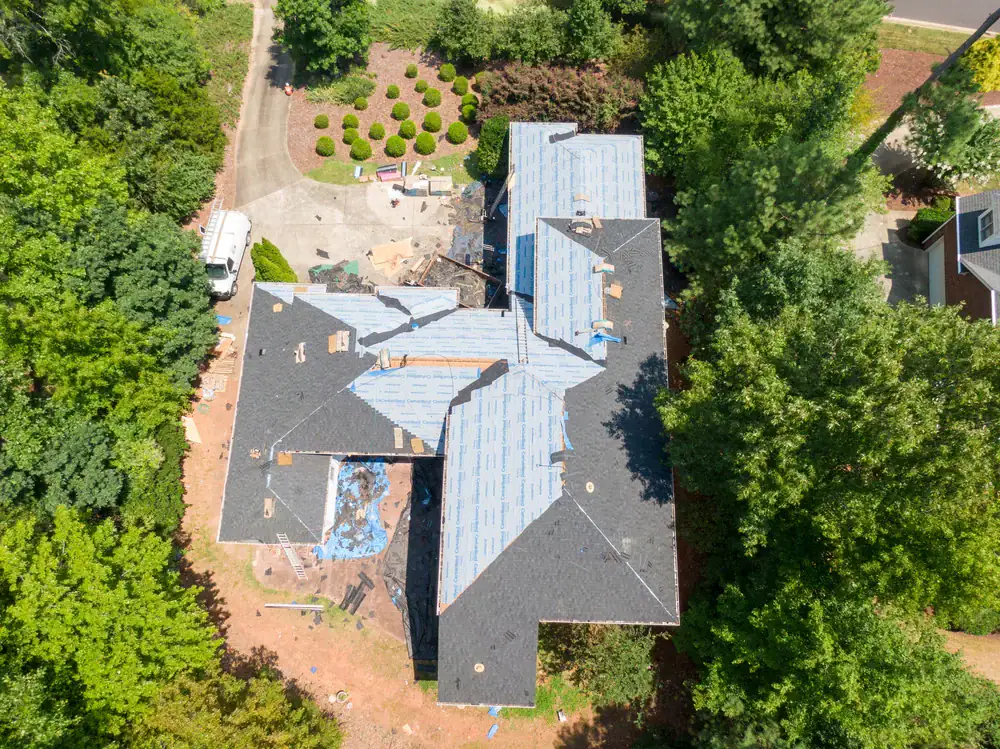
Aerial view of a residential roof undergoing commercial roofing repairs in Acton, California.
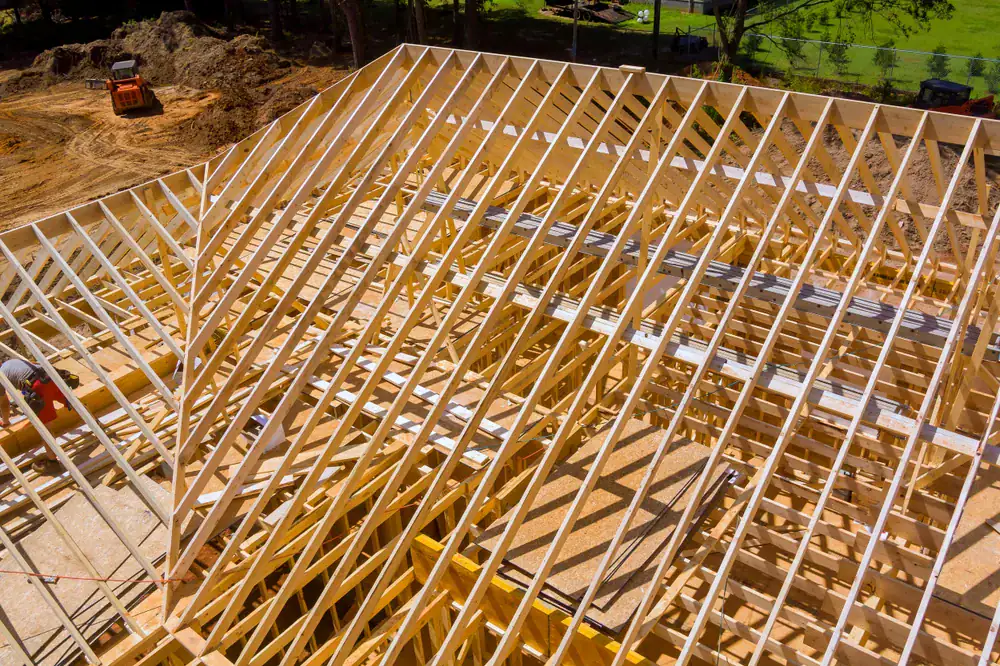
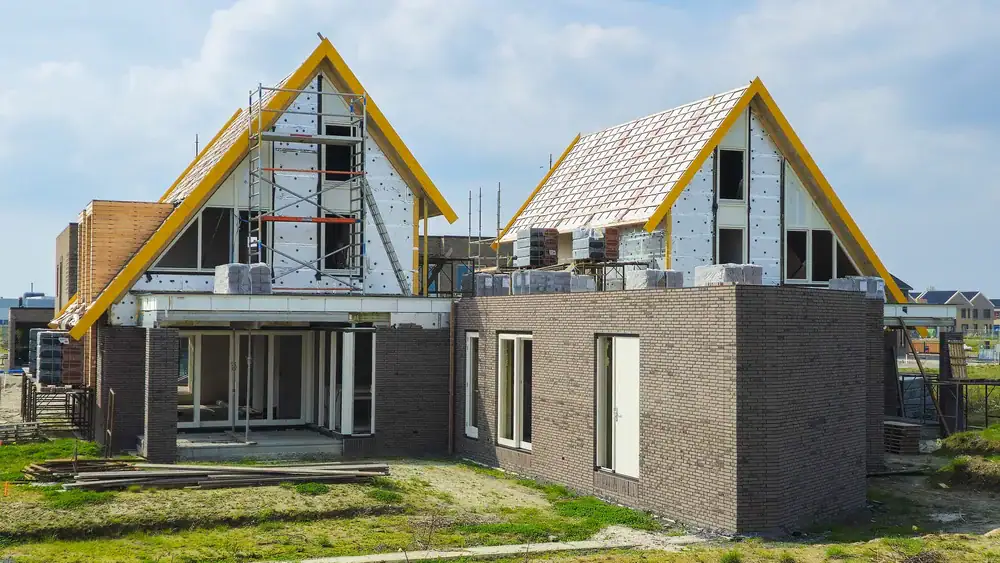
Roof framing under construction in Acton, CA for a commercial building.

Commercial Roof Maintenance in Avalon, CA

Your Building Stays Operational, Compliant, and Protected

When your commercial roof works the way it should, you’re not scrambling to reschedule tenant move-ins because of leaks. You’re not explaining budget overruns to your board. You’re not dealing with emergency calls on weekends or wondering if your roof will pass the next insurance inspection.

You’ve got a roof system that meets Title 24 requirements without the guesswork. Your property stays energy efficient, which means lower operating costs and fewer complaints about interior temperatures. Your documentation is clean, your warranties are intact, and your roof actually extends asset value instead of draining capital budgets.

That’s what happens when installation is done right the first time. When materials match manufacturer specs. When your contractor knows the difference between Title 24 compliance and just slapping reflective coating on a failing substrate. You get years of reliable performance, not years of callbacks and patch jobs.

Avalon, CA Commercial Roofing Company

Four Decades of Getting Commercial Roofs Right

Royal Roofing Company has been handling commercial roofing projects across Los Angeles County since 1980. That’s over 40 years of flat roof systems, TPO and PVC roofing installations, Title 24 cool roof restoration, and industrial roofing solutions for property managers, HOA boards, and business owners who need results they can count on.

We’ve held GAF Master Elite status since 2002, which puts us in the top 2% of roofing contractors nationally. Our crews are factory-trained and certified, not subcontractors we call when we’re busy. We’re a C-39 licensed specialty roofing contractor with an A+ BBB rating, and we’ve been serving commercial properties in the Avalon area with the same hands-on approach since day one.

Avalon’s commercial properties face unique challenges with coastal weather exposure and strict energy codes. You need a contractor who understands how salt air affects membrane longevity and why Title 24 compliance matters for your 2026 inspection cycle.

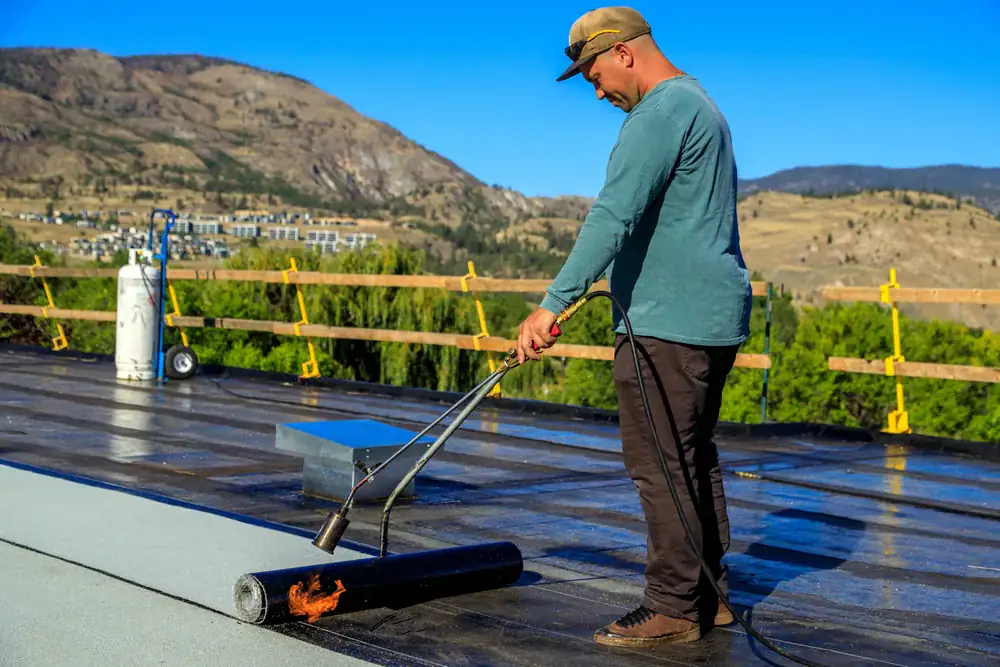
Professional roofing contractor applying roofing membrane on commercial roof in Acton, CA.

Commercial Roofing Process in Avalon, CA

Here's How We Handle Your Commercial Roof Project

We start with a detailed roof inspection and evaluation, not a sales pitch. You’ll get a line-item estimate that breaks down materials, labor, contingencies, and timeline so you know exactly what you’re approving. No vague “roof replacement” lump sums that leave room for surprise charges later.

Once you’re ready to move forward, we coordinate scheduling around your tenant obligations and business operations. Our project manager walks the site with your team to identify access points, staging areas, and any timing restrictions. We handle permits, manufacturer certifications, and Title 24 documentation so you’re not chasing paperwork.

During installation, our in-house crews follow manufacturer specs to the letter. Proper fastening patterns, correct seam welding, flashing details that actually prevent water intrusion. We document everything with photos for your records and insurance files. You’ll know what’s happening each day, and if weather or unforeseen conditions create delays, you’ll hear about it immediately with a revised timeline.

After completion, you receive warranty documentation, maintenance recommendations, and a roof asset management plan. You’re not guessing when to schedule your next inspection or what to budget for upkeep. You’ve got a clear roadmap for extending your roof’s service life and avoiding emergency spending.

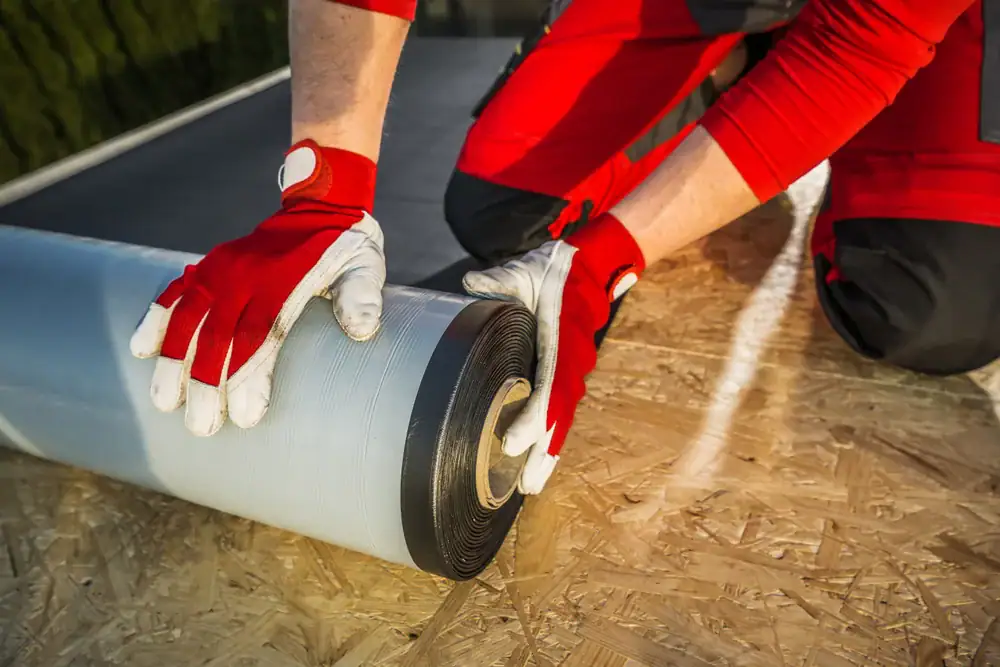
Roofing membrane installation for commercial building in Acton, CA.

Explore More Services

About Royal Roofing Company

Industrial Roofing Solutions in Avalon, CA

What's Included in Our Commercial Roofing Service

You get a complete roof system designed for your specific building type and use case. That includes hot tar cap sheet, modified bitumen, TPO, PVC, or EPDM systems depending on your structure, budget, and performance requirements. We’re not pushing one product line because it’s easier for us to install.

Every project includes Title 24 compliance verification and Energy Star qualified materials where applicable. Avalon’s 2026 code requirements aren’t optional, and retrofitting a non-compliant roof later costs significantly more than doing it right during installation. We handle cool roof coatings with proper SRI ratings, reflective membranes, and structural assessments for future solar readiness.

You also get insurance-compliant documentation with photo records of all critical installation phases. If you ever need to file a claim or prove proper maintenance, you’ll have everything your carrier requires. We use first-rate materials from GAF, CertainTeed, and Owens Corning with full manufacturer backing, and our Master Elite status means you’re eligible for extended warranty coverage that most contractors can’t offer.

Flexible financing is available if you need to spread costs across budget cycles. We’re not interested in forcing you into emergency repairs you can’t afford. We’d rather help you plan properly and execute when timing makes sense for your operation.

New commercial roofing installation on modern buildings in Acton, CA.

How do I know if my commercial roof needs replacement or just repair?

Most property managers wait too long because they’re trying to stretch budgets, and that’s understandable. But here’s what to look for: multiple leaks in different areas usually mean your membrane is failing system-wide, not just in one spot. Visible ponding water that sits for more than 48 hours after rain indicates drainage problems that will shorten your roof’s life regardless of membrane condition.

If your roof is over 20 years old and you’re patching it annually, you’re spending more on reactive maintenance than you’d save by delaying replacement. Energy bills creeping up without explanation often point to insulation breakdown or reflective coating failure. Any roof that failed its last insurance inspection is on borrowed time.

The real test is this: can a repair buy you 3-5 more years of reliable performance, or are you just postponing inevitable failure? We’ll tell you honestly which situation you’re in, because our reputation depends on roofs that last, not selling you work you don’t need yet.

Title 24 requirements for 2026 are stricter than most property managers realize. Low-slope commercial roofs need cool roof systems with a minimum Solar Reflectance Index between 75 and 85 depending on your climate zone. That’s not just white coating—it’s specific membrane materials and installation methods that meet tested performance standards.

You also need structural capacity and designated zones for future solar panel installation, even if you’re not installing panels now. The state assumes all commercial buildings will eventually add solar, so your roof needs to support that load. This affects decking, fastening patterns, and how we design drainage.

Energy calculations have to prove your building meets efficiency targets, which means your roof works together with your HVAC and insulation as a system. You can’t just swap one component and call it compliant. We handle the documentation and testing to prove your roof meets code, and we know which inspectors in LA County are sticklers for specific details. Compliance isn’t optional, and fixing a failed inspection after installation is expensive and disruptive.

Timing depends on roof size, system type, and how much tear-off is required. A typical 10,000 square foot TPO installation takes 5-7 business days in good weather. Larger industrial facilities or complex multi-level buildings can run 2-3 weeks. We’ll give you a detailed timeline during estimation so you can plan around lease obligations and business operations.

Noise is unavoidable during tear-off and mechanical fastening, usually loudest between 8am and 11am. We coordinate with you on start times if you have tenants who work nights or early morning retail operations. Most membrane welding and detail work is quieter. We stage materials to minimize disruption to parking and access, and we keep the site clean daily so debris isn’t blowing around your property.

Weather delays happen, especially with single-ply systems that can’t be installed in rain or extreme heat. We monitor forecasts closely and adjust schedules proactively. If we have to pause work, we make sure your building is watertight before we leave. You’ll never come in to find an open roof because we didn’t plan for overnight weather. Communication is constant—you’re not guessing what’s happening or when we’ll be back.

Coastal environments are tough on roofing materials because of salt air, UV exposure, and temperature swings. TPO and PVC single-ply membranes perform well here because they resist UV degradation and their heat-welded seams don’t rely on adhesives that salt air can compromise. PVC has slightly better chemical resistance if your building has HVAC exhaust or other rooftop equipment that generates condensation.

Modified bitumen systems work in coastal areas but require more frequent maintenance because granule loss accelerates near the ocean. If you go that route, plan on recoating every 8-10 years instead of 12-15. EPDM rubber membranes are durable but their seams are glued, not welded, which creates more potential failure points in high-wind coastal conditions.

Your existing substrate condition matters as much as membrane choice. If your decking has rust issues from salt exposure, we need to address that before installing any new system. Proper drainage is critical in coastal areas where wind-driven rain can overwhelm inadequate scuppers. We assess your specific building and exposure before recommending a system, because there’s no one-size-fits-all answer. What works for an inland warehouse doesn’t always work for a coastal commercial property in Avalon.

Insurance carriers want proof that your roof was installed correctly and maintained according to manufacturer requirements. That means photo documentation of substrate condition before installation, critical flashing details during installation, and completed seam work before final inspection. We photograph every phase and provide you with a digital record you can submit with claims or policy renewals.

You also need manufacturer certifications and warranty documentation that proves materials meet their specifications. If you file a claim and can’t prove your roof was installed by a certified contractor using approved methods, your carrier can deny coverage. Our GAF Master Elite status and factory certifications mean your installation meets the highest industry standards, and we provide all the paperwork your insurance company requires.

Maintenance records matter too. If your carrier sees you’ve had regular inspections and addressed minor issues promptly, they’re more likely to cover storm damage or unexpected failures. We provide maintenance plans with scheduled inspection dates so you’re never scrambling to prove you took care of your roof. Proper documentation isn’t just paperwork—it’s financial protection when you need it most.

Plan on two inspections per year minimum—once before winter and once after. Each inspection runs $300-500 depending on roof size and access difficulty. You’re looking for debris accumulation, drain blockages, membrane damage, and any signs of premature wear. Catching small problems early saves thousands compared to emergency repairs.

Minor repairs like resealing penetrations or replacing damaged flashing typically cost $500-1,500 per visit. Coating refresh for reflective roofs runs $1.50-3.00 per square foot every 8-12 years depending on system type and sun exposure. If you’ve got rooftop equipment, budget for semi-annual HVAC curb inspections because that’s where most leaks start.

Total annual maintenance cost for a well-installed commercial roof usually runs 1-2% of replacement cost. So if your roof cost $100,000 to replace, expect $1,000-2,000 yearly for proper upkeep. That might sound like a lot, but it’s significantly less than the $15,000-25,000 you’ll spend on emergency repairs if you skip maintenance. Property managers who budget proactively spend less over the roof’s lifetime and avoid the capital budget chaos that comes with unexpected failures.

Other Services we provide in Avalon