Appointments Available
Phone Support 24/7
Bell Gardens, CA 90201
*Serving most of Southern California*
Appointments Available
Phone Support 24/7
Bell Gardens, CA 90201
You’re not thinking about your roof every time it rains. Your insurance premiums stay reasonable because your system is documented and maintained. Your energy bills drop because the membrane reflects heat instead of absorbing it.
That’s what a properly installed and maintained commercial roof does. It protects your building, your tenants, and your operating budget without constant emergencies or surprise failures.
Most commercial roofs in the LA area are hitting that 15 to 25-year mark right now. If yours is one of them, you’re either planning ahead or you’re about to deal with leaks, business interruptions, and costs that could’ve been avoided. The difference between those two scenarios usually comes down to who you call and whether they actually know what they’re doing.
We’ve held the same contractor license since 1982. No citations, no complaints, no subcontractors we can’t vouch for. Just crews who’ve been with us for years and an owner who’s closed over $75 million in roofing work because he knows how to do it right.
We’re GAF Master Elite certified, which puts us in the top 2% of roofing contractors in North America. We carry factory certifications from Sarnafil, Sika, APOC, and Western Colloid. That means when we install your roof, it’s backed by both our warranty and the manufacturer’s.
Avocado Heights sits in a climate zone where roofs take a beating from UV exposure, temperature swings, and occasional heavy rain. We’ve worked on commercial properties throughout LA County long enough to know what fails and what holds up. Most of our work comes from referrals and repeat clients, which tells you something about how those roofs perform over time.
It starts with an inspection. We document the current condition with photos and notes so you know exactly what you’re dealing with. If it’s an insurance claim, we make sure the documentation meets what adjusters need to see.
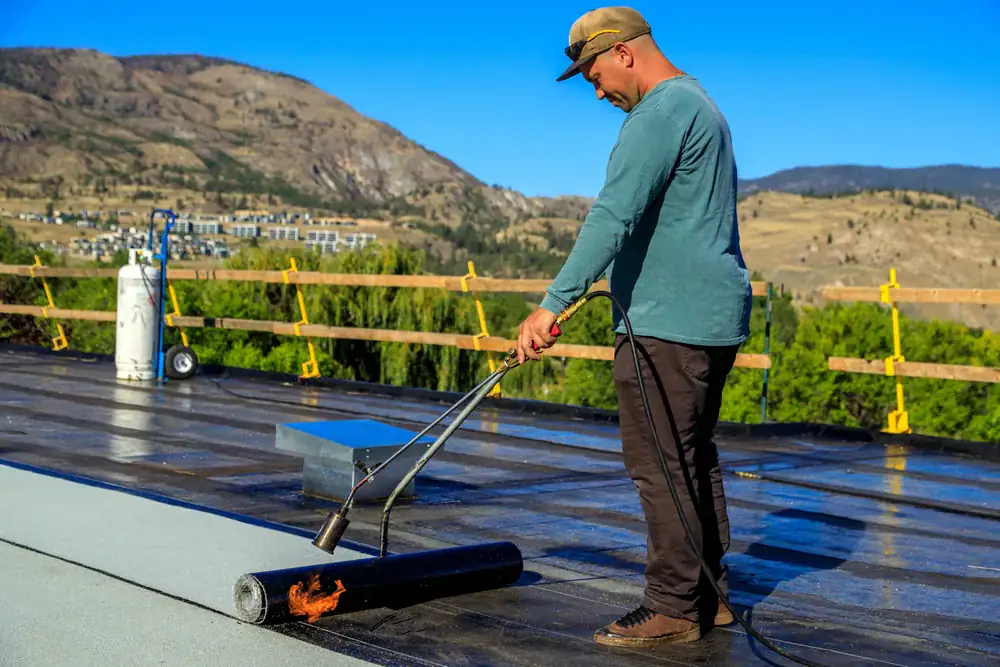
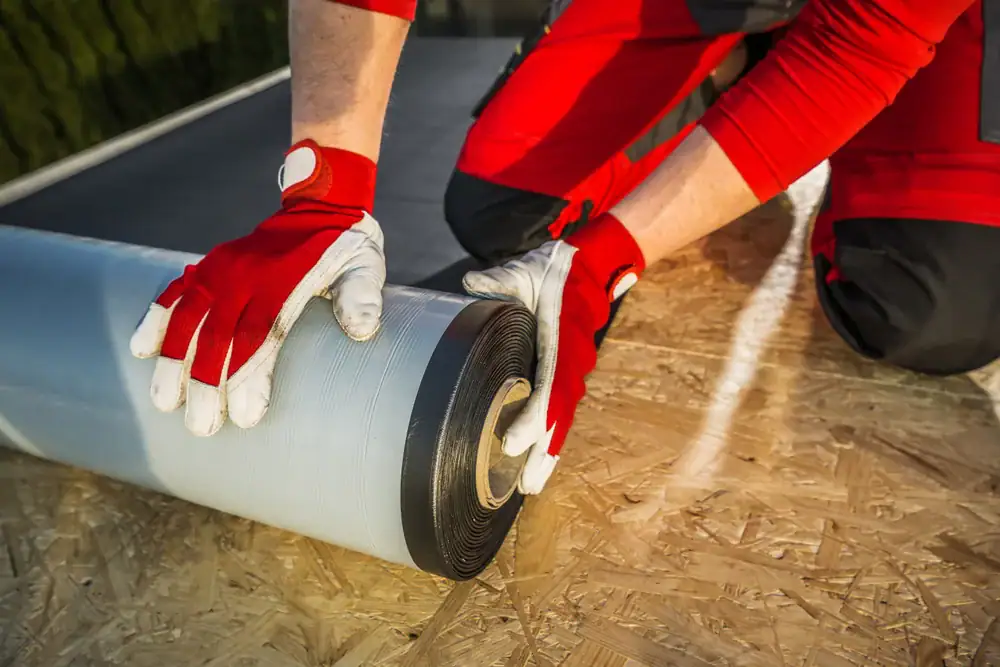
Next, we walk you through your options. TPO and PVC single-ply systems are popular right now because they meet Title 24 cool roof requirements and cut cooling costs. Modified bitumen and built-up systems still make sense for certain buildings. We’ll tell you what works for your property, your budget, and your timeline.
Once you approve the plan, our crews handle the install. No subcontractors. Same project manager from start to finish. We protect the areas below the work zone, coordinate around your tenants or operations, and keep the site clean.
After the job, you get a completed roof report with photos, warranty documents, and maintenance recommendations. If something comes up later, you call the same number and talk to people who remember your building. That’s how it should work.
We install TPO, PVC, modified bitumen, built-up, and coated roof systems. All of them meet California’s Title 24 cool roof standards, which is required for most commercial re-roofing projects in this state. Cool roofs aren’t just about compliance—they reflect up to 80% of solar heat, which drops your cooling costs by 7 to 15% in most cases.
Flat roof systems and low-slope assemblies make up the majority of commercial buildings in Avocado Heights and the surrounding LA County area. These roofs handle water differently than steep residential roofs, so drainage, membrane seams, and flashing details matter more. We’ve installed enough of them to know where problems show up and how to prevent them.
Maintenance is part of the equation. A roof that gets inspected twice a year and receives small repairs as needed will outlast one that’s ignored until it fails. We offer scheduled maintenance programs that include condition reports, minor repairs, and documentation that keeps your insurance coverage intact. For property managers juggling multiple buildings, that kind of predictability makes budgeting a lot easier.
If you’re dealing with an aging roof, rising insurance costs, or Title 24 compliance questions, we can walk you through what makes sense for your situation. Most of the commercial properties in this area are approaching that replacement window, so you’re not alone in figuring this out.
Most commercial roofs last between 15 and 30 years depending on the system, installation quality, and how well they’re maintained. TPO and PVC single-ply membranes typically last 20 to 30 years. Modified bitumen systems usually hit 15 to 20 years. Built-up roofs can go 20 to 25 years if they’re properly maintained.
The LA climate accelerates wear because of high UV exposure and temperature swings. Roofs that sit in full sun all day without reflective coatings age faster. Membranes that aren’t maintained develop small punctures or seam failures that turn into bigger problems.
If your roof was installed in the late 1990s or early 2000s, you’re likely in that replacement window right now. Waiting until leaks start usually means you’re dealing with interior damage, business disruption, and higher costs. Getting ahead of it with an inspection and a replacement plan gives you more control over timing and budget.
Title 24 is California’s energy code, and it requires most commercial re-roofing projects to use cool roof materials. Cool roofs have high solar reflectance and thermal emittance, which means they reflect sunlight instead of absorbing it. This reduces cooling costs and helps buildings meet state energy standards.
If you’re re-roofing a low-slope commercial building over 2,000 square feet in California, you almost certainly need to comply. The specific requirements depend on your climate zone, roof slope, and building type, but most projects in the LA area fall under the cool roof mandate.
TPO and PVC membranes meet Title 24 standards right out of the box because of their bright white reflective surface. Coatings can bring older systems into compliance if a full replacement isn’t in the budget yet. We handle the documentation and product selection so your project meets code without unnecessary complications. Inspectors check for this, and non-compliant roofs can create permitting issues or insurance problems down the line.
Yes. We’ve handled insurance-driven roofing projects for years and know what documentation adjusters need to approve claims. That includes photo evidence of damage, detailed condition reports, and estimates that match how insurance companies evaluate roof repairs or replacements.
Insurance claims get complicated when the documentation isn’t clear or when contractors don’t understand how depreciation and coverage limits work. We take photos during the inspection, note all damage areas, and provide reports that support your claim without inflating costs or making it harder to get approval.
If your roof is older than 15 to 20 years, some insurance companies increase deductibles or reduce payouts based on depreciation. In those cases, a full replacement might make more financial sense than patching a system that’s near the end of its lifespan. We’ll walk you through what your policy covers and what your options are so you can make an informed decision. Our goal is to get your roof fixed correctly and keep the process as straightforward as possible.
Both TPO and PVC are single-ply membranes that meet Title 24 cool roof requirements and perform well in the LA climate. The main differences come down to chemical resistance, seam strength, and cost.
PVC is more resistant to chemicals, grease, and certain types of rooftop equipment exhaust. If your building has restaurant equipment, HVAC units with chemical emissions, or other rooftop elements that could interact with the membrane, PVC is usually the better choice. It’s also more flexible in cold weather, though that’s less of a concern in Southern California.
TPO is less expensive and has become the most widely installed commercial roofing membrane in the country. It’s durable, energy efficient, and holds up well under UV exposure. Seam welding technology has improved significantly over the past decade, so properly installed TPO systems perform reliably for 20-plus years.
Both systems reflect around 80% of solar heat, which cuts cooling costs. Both come with strong manufacturer warranties when installed by certified contractors. The right choice depends on your building’s specific conditions, your budget, and what kind of rooftop equipment you’re running. We’ll walk you through which one makes sense for your property.
Commercial roof replacement costs vary based on roof size, system type, existing conditions, and how much prep work is needed. TPO systems typically run between $4 and $8 per square foot installed. PVC systems are slightly higher, usually $5 to $10 per square foot. Modified bitumen and built-up systems fall somewhere in between depending on the number of plies and surface materials.
If your existing roof has multiple layers, significant damage, or failing insulation, removal and disposal add to the cost. Rooftop equipment, parapets, and complex flashing details also affect labor time. A straightforward 10,000-square-foot flat roof replacement might run $50,000 to $80,000 depending on the system and site conditions.
The best way to get an accurate number is to have someone inspect your roof and give you a detailed estimate. We provide written quotes that break down materials, labor, and any additional work so you know exactly what you’re paying for. Financing options and phased replacement plans are available if budget timing is tight. Most property managers find that planning ahead and replacing before major failures happen saves money compared to emergency repairs and tenant disruption costs.
Yes. We provide 24-hour emergency leak service and roof tarping when you need it. If your roof fails during a storm or develops a sudden leak that’s affecting your building operations, call us and we’ll get someone out to stop the damage and protect the interior.
Emergency repairs are about containment first. We tarp or patch the immediate problem, document what happened, and give you a clear assessment of what needs to happen next. Sometimes a permanent repair can happen right away. Other times, the roof needs to dry out or the damage is extensive enough that a larger repair or replacement is the smarter move.
Most emergency calls come from roofs that were already near the end of their lifespan or hadn’t been maintained. That’s why we recommend scheduled inspections twice a year—they catch small issues before they turn into 2 a.m. phone calls. But when emergencies happen, we respond quickly and handle the situation without dragging it out or making it more complicated than it needs to be. You’ll talk to the same people who do the work, and we’ll make sure you understand what’s happening and what it’s going to take to fix it.
Other Services we provide in Avocado Heights