State Licensed “SINCE 1982”

CSLB C-39 #432352

Full Workers Comp. & $2M Liability Insurance
OUR EMPLOYEE ROOFERS ARE FACTORY CERTIFIED
*Serving most of Southern California*
State Licensed “SINCE 1982” CSLB C-39 #432352
Full Workers Comp. & $2M Liability Insurance
OUR EMPLOYEE ROOFERS ARE FACTORY CERTIFIED.

*Serving most of Southern California*

Commercial Roofing Contractor in Bellflower, CA

Your Roof Shouldn't Be Your Biggest Risk

You need a commercial roofing contractor in Bellflower who shows up when they say they will, documents everything for your insurance, and actually picks up the phone.
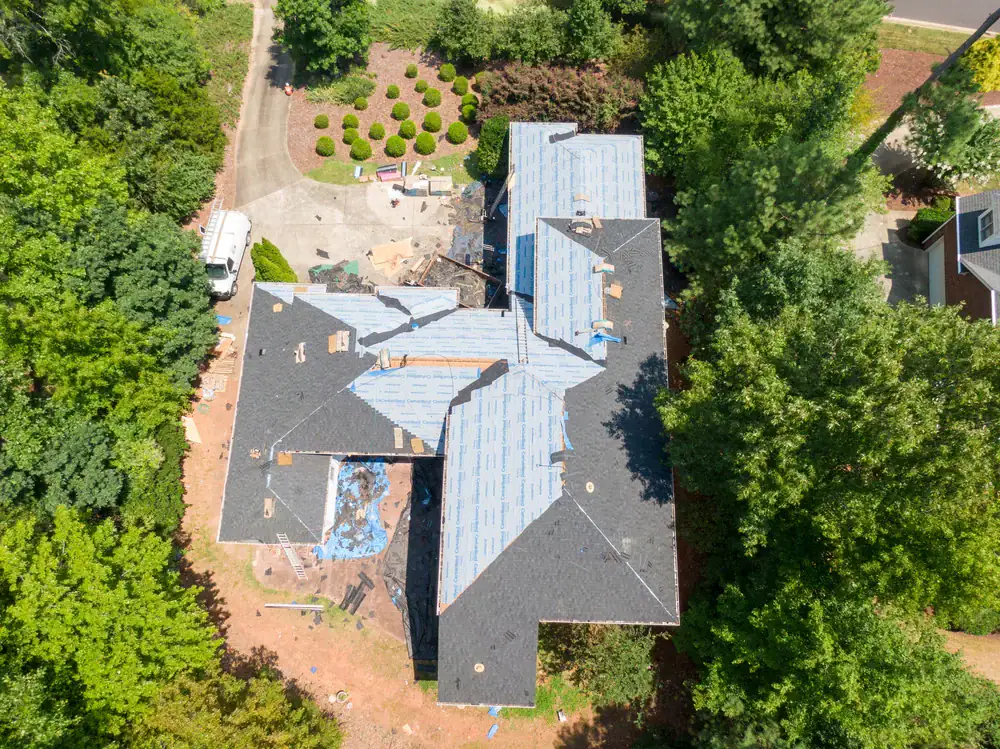
Aerial view of a residential roof undergoing commercial roofing repairs in Acton, California.
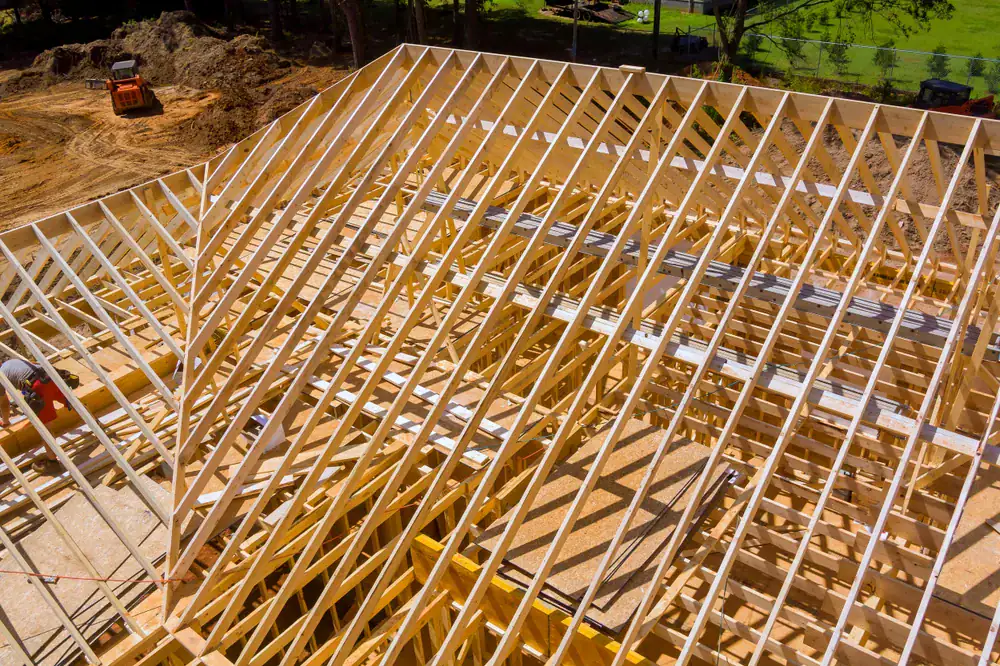
Roof framing under construction in Acton, CA for a commercial building.

Commercial Roof Maintenance in Bellflower, CA

What Happens When Your Roof Actually Works

You’re not thinking about your roof when it’s doing its job. You’re running your business, managing your property, dealing with tenants or clients who actually need your attention.

A roof that works means no emergency calls during the rainy season. No scrambling to document damage for insurance claims. No wondering if the contractor you hired six months ago will even return your call when something goes wrong.

It means your TPO or PVC roofing system is Title 24 compliant, your maintenance is scheduled twice a year like it should be, and someone who knows your building’s history is actually looking at it. Not some new crew every time.

When your flat roof system is installed right and maintained consistently, you’re not paying for the same repair three times. You’re not explaining to your boss or your board why water is dripping into the warehouse again. You’re just moving forward, which is what you hired a roofing contractor to help you do.

Bellflower Commercial Roofing Experts

Forty Years in Bellflower Teaches You Things

We’ve held the same C-39 license since 1980. Same family ownership. Same commitment to keeping crews in-house instead of subbing out your job to whoever answers the phone.

Steve and Stephanie Pinkus, along with licensee Reggie Wills, run this business hands-on. That means when you call, you’re talking to people who’ve seen thousands of commercial roofs across Los Angeles County and know exactly what works in Bellflower’s climate.

You’re working with factory-certified roofers who carry full workers comp and $2 million in liability coverage. Not because it sounds good in marketing, but because it’s required to do this work legally and because you deserve that protection. Bellflower’s commercial properties need contractors who understand Title 24 cool roof requirements and can document every step for your insurance and compliance needs.

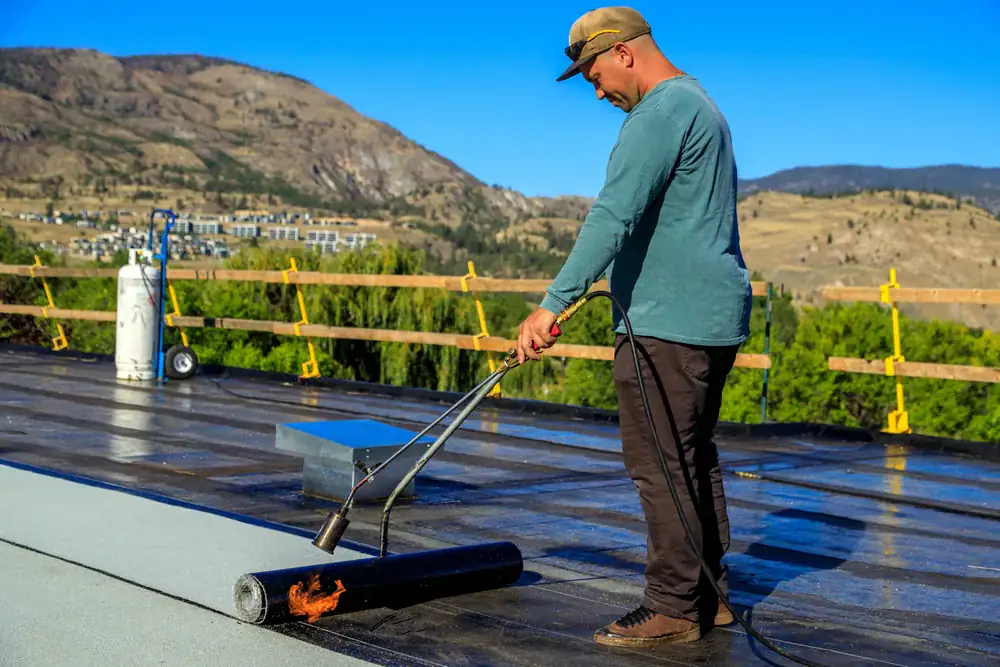
Professional roofing contractor applying roofing membrane on commercial roof in Acton, CA.

Our Commercial Roofing Process

Here's What Happens When You Call

First, someone actually picks up. You’ll talk to our team about what’s going on with your roof—whether it’s an emergency leak, planned maintenance, or a full replacement you’ve been putting off.

We schedule a site visit where we inspect your commercial roof system and take photos. If it’s insurance-related, we document everything you’ll need for your claim. If it’s maintenance, we walk you through what we found and what actually needs attention versus what can wait.

You get a written estimate that breaks down the work, materials, and timeline. We explain whether your building needs Title 24 compliance upgrades, which flat roof systems make sense for your use case, and how a maintenance program could extend your roof’s life by years.

Once you approve, our crews show up when scheduled. Same trained employees, not rotating subcontractors. We complete the work, clean up, and provide you with documentation and photos of the finished job. Then we stay available, because a roof isn’t a one-time transaction when you’re doing it right.

Roofing membrane installation for commercial building in Acton, CA.

Explore More Services

About Royal Roofing Company

Title 24 Cool Roof Restoration Bellflower

What's Included in Commercial Roofing Here

Your commercial property in Bellflower needs roofing solutions that meet California’s Title 24 energy standards. That means cool roof systems—usually TPO and PVC roofing membranes that reflect heat instead of absorbing it. These aren’t just code requirements; they actually lower your cooling costs.

Industrial roofing solutions here also include regular maintenance programs. Most commercial roofs should be inspected twice a year, typically spring and fall, to catch small problems before they become expensive ones. Preventative maintenance adds years to most roof systems and keeps your insurance documentation current.

We handle flat roof systems for warehouses, retail centers, office buildings, and apartment complexes throughout Bellflower and Los Angeles County. Whether you’re dealing with an aging roof that needs restoration, storm damage that requires insurance claims, or new construction that needs Title 24 compliance from day one, you’re getting the same crew and the same attention to detail. Every job gets photo documentation, which matters when you’re filing claims or proving compliance during inspections.

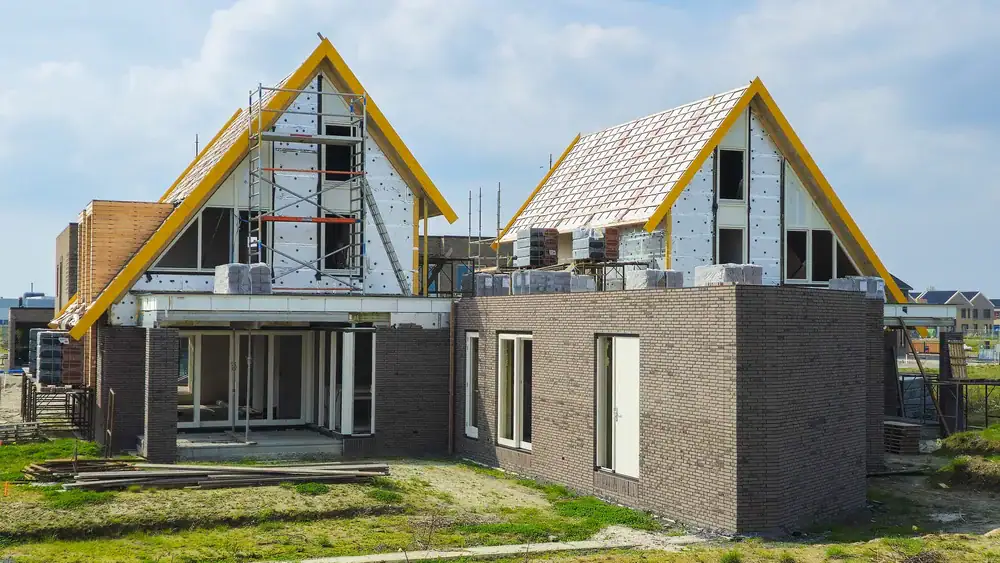
New commercial roofing installation on modern buildings in Acton, CA.

How often does a commercial roof in Bellflower actually need maintenance?

Twice a year minimum—once in spring and once in fall. That’s the industry standard, and it’s not arbitrary.

Spring inspections catch damage from winter storms before summer heat makes it worse. Fall inspections prepare your roof for the rainy season, which in Southern California can be unpredictable but intense when it hits. Bellflower’s climate means your roof expands and contracts with temperature swings, and those seams and flashings need regular attention.

Skipping maintenance doesn’t save money. It just means you’re paying for emergency repairs instead of planned ones, and emergency work always costs more. A good maintenance program catches issues when they’re still small—a loose membrane, a clogged drain, a failing seal—before water gets inside your building and you’re dealing with interior damage on top of roof repairs.

They meet Title 24 cool roof requirements without additional coatings, and they hold up better in Bellflower’s climate than older systems.

TPO and PVC membranes are white and reflective, which means they bounce heat back instead of absorbing it into your building. That lowers your cooling costs, sometimes significantly depending on your building size. Since January 2015, Los Angeles requires cool roofs for new construction and major alterations, so if you’re replacing more than 50% of your roof or adding more than 2,000 square feet, you need a compliant system.

These single-ply systems are also more durable and easier to maintain than built-up or modified bitumen roofs. Seams are heat-welded, not glued, which means fewer failure points. When repairs are needed, they’re more straightforward. You’re looking at a 20-30 year lifespan with proper maintenance, versus 15-20 for older flat roof systems.

Documentation is everything. Your insurance company needs proof of what happened, what condition the roof was in before damage occurred, and what work is necessary to fix it.

That’s why photo documentation matters from day one. If you have regular maintenance records showing your roof was in good condition before a storm, your claim is stronger. If you’re filing after wind damage or a leak, you need current photos showing the damage, the affected areas, and the scope of necessary repairs.

We document every job with photos and detailed reports. We’ve worked with insurance companies across LA County for decades, so we know what they’re looking for. We can walk you through the claims process, provide the documentation your adjuster needs, and explain what’s covered versus what’s considered deferred maintenance. The key is having a contractor who understands insurance requirements and doesn’t disappear when the paperwork gets complicated.

A C-39 roofing license means the contractor is required to carry workers compensation insurance and has passed California’s testing requirements. It’s not optional, and it’s not just paperwork.

When you hire a C-39 contractor, you’re protected if someone gets hurt on your property. You’re working with someone who’s been vetted by the state and has to maintain insurance and bonding to keep that license active. You can verify their license, check for complaints, and see their history.

Contractors without proper licensing might be cheaper upfront, but you’re taking on massive liability. If a worker gets injured and the contractor doesn’t have workers comp, you could be on the hook. If the work fails and they’re not properly bonded, you have no recourse. We’ve held the same C-39 license since 1980 with no citations or disciplinary actions. That’s not luck—it’s doing the work right and staying accountable.

Most commercial roof replacements take one to three weeks depending on building size, roof complexity, and weather. Smaller buildings might be done in days; larger industrial facilities take longer.

The timeline depends on whether we’re doing a complete tear-off or installing over existing systems, what type of flat roof system you’re installing, and whether there’s underlying damage that needs repair first. Weather delays happen—we’re not installing roofing in the rain, and extremely hot days can affect material performance.

We give you a realistic timeline upfront and keep you updated if anything changes. For businesses that can’t shut down, we can often phase the work to minimize disruption. The goal isn’t just speed—it’s doing the installation right so you’re not dealing with callbacks or premature failure. A roof installed correctly the first time lasts decades. A rushed job costs you more in the long run.

It depends on the roof’s age, the extent of damage, and what you’re planning for the building long-term. There’s no one-size-fits-all answer, but here’s how to think about it.

If your roof is under 10 years old and damage is localized—storm damage, a specific leak, isolated wear—repairs usually make sense. If your roof is over 15 years old and you’re seeing multiple problem areas, recurring leaks, or widespread deterioration, replacement is often more cost-effective than patching the same issues repeatedly.

Title 24 compliance also factors in. If you’re repairing more than 50% of your roof area or over 2,000 square feet, you might trigger cool roof requirements anyway. At that point, a full replacement with a modern TPO or PVC system gives you better energy efficiency, a longer lifespan, and a fresh warranty. We’ll walk your roof with you, show you what we’re seeing, and give you honest recommendations based on what actually makes financial sense for your situation.

Other Services we provide in Bellflower