State Licensed “SINCE 1982”

CSLB C-39 #432352

Full Workers Comp. & $2M Liability Insurance
OUR EMPLOYEE ROOFERS ARE FACTORY CERTIFIED
*Serving most of Southern California*
State Licensed “SINCE 1982” CSLB C-39 #432352
Full Workers Comp. & $2M Liability Insurance
OUR EMPLOYEE ROOFERS ARE FACTORY CERTIFIED.

*Serving most of Southern California*

Commercial Roofing Contractor in Beverly Hills, CA

Your Roof Protects Everything You've Built

Factory-certified commercial roofing built to last, installed by crews who’ve been doing this for decades—not weeks.
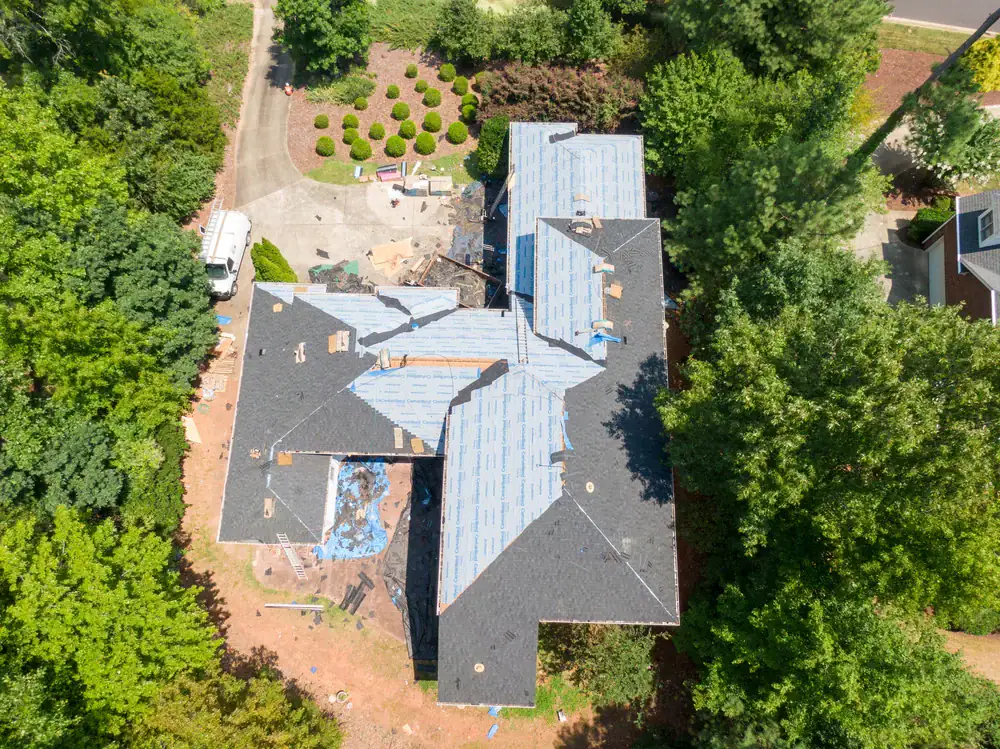
Aerial view of a residential roof undergoing commercial roofing repairs in Acton, California.
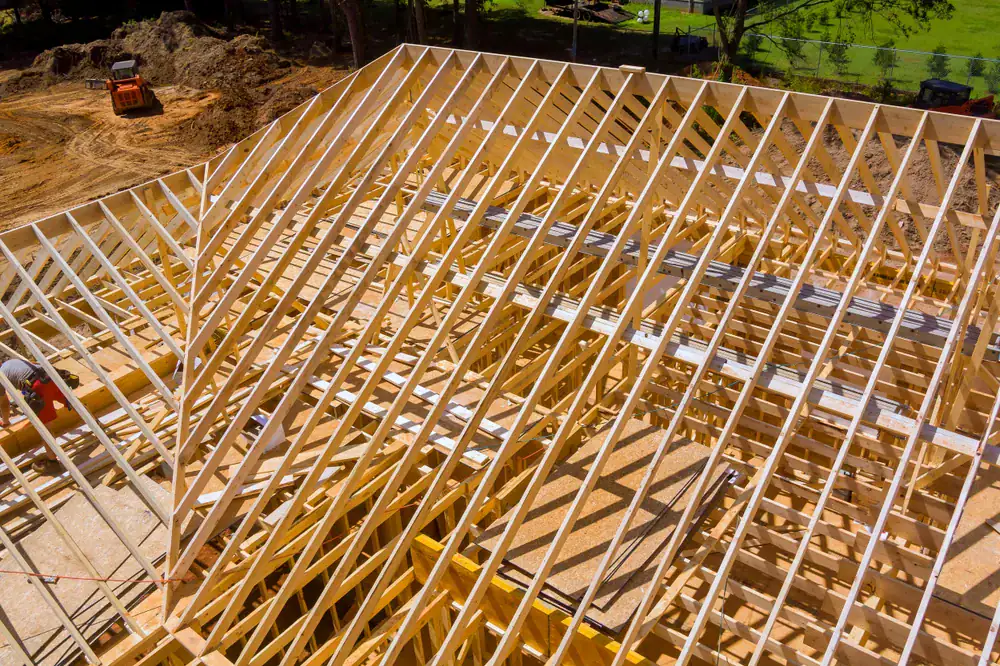
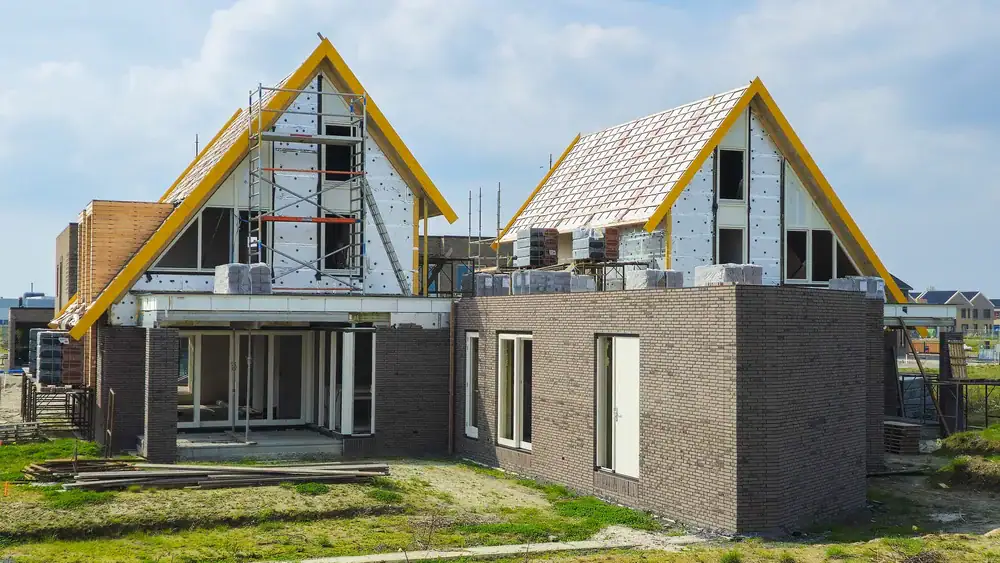
Roof framing under construction in Acton, CA for a commercial building.

Commercial Roof Systems Beverly Hills

What You Actually Get From Better Roofing

Your commercial property isn’t just a building. It’s an investment that houses your tenants, your operations, your reputation. When your roof fails, everything inside is at risk.

A properly installed flat roof system does more than keep water out. It lowers your energy bills, especially when it’s Title 24 compliant. It protects your interior from costly damage. It gives you years before you need to think about replacement again.

You’re not looking for the cheapest bid. You’re looking for a roof that actually performs in Beverly Hills heat, handles our occasional heavy rain, and doesn’t become a maintenance nightmare two years later. That’s what happens when the installation is done right the first time—by people who hold a C-39 specialty license and factory certifications, not just a general contractor trying to figure it out.

Most property managers we work with have dealt with at least one roofing disaster. A contractor who disappeared. A system that failed early. An insurance claim that got denied because the documentation wasn’t there. You don’t want to be in that position again.

Beverly Hills Commercial Roofing Experts

Decades in Business, Same Crews, Real Certifications

We’ve been handling commercial roofing projects across Los Angeles County for decades. We’re not a franchise or a crew that formed last year. We’re a family-run operation with the same experienced installers who’ve been with us for years.

We hold a C-39 roofing specialty license, which means we’re legally qualified to handle complex commercial systems that most general contractors can’t touch. We’re factory-certified by the manufacturers whose products we install—TPO, PVC, modified bitumen, built-up roofing. That’s not just a piece of paper. It means we’ve been trained on proper installation methods, and it means your warranty is actually valid.

Beverly Hills properties demand a higher standard. The buildings here aren’t cookie-cutter, and neither are the roofing solutions. We’ve worked on everything from multi-unit residential complexes to office buildings to industrial facilities. We understand local building codes, Title 24 cool roof requirements, and what it takes to get permits approved without delays.

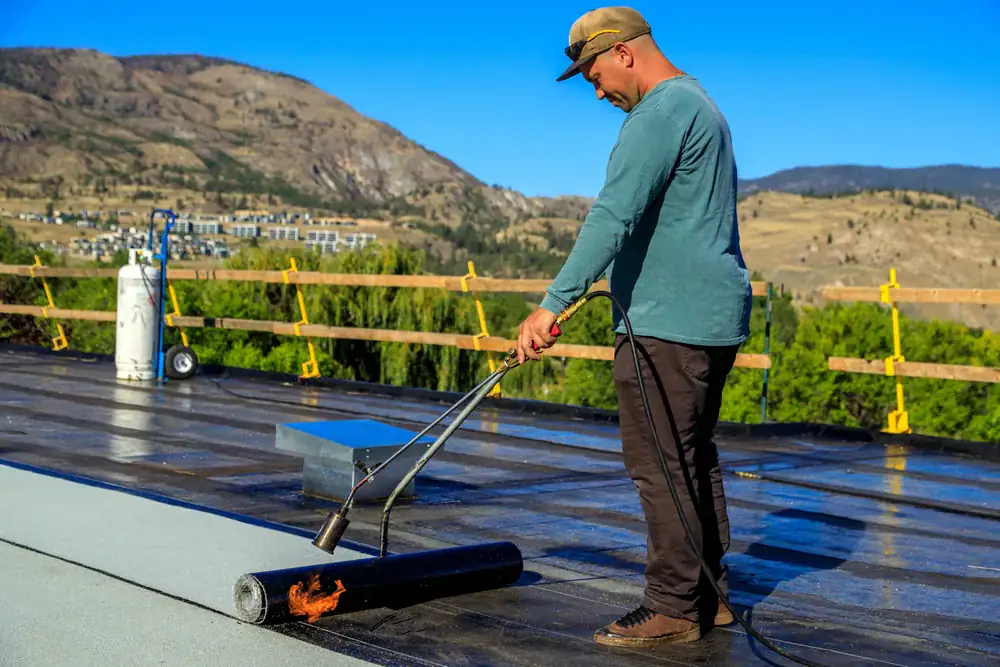
Professional roofing contractor applying roofing membrane on commercial roof in Acton, CA.

Commercial Roof Installation Process

Here's How a Commercial Roof Project Actually Happens

First, we come out and inspect your existing roof. Not a five-minute walk-around—a real assessment. We’re looking at the condition of your membrane, the substrate underneath, drainage issues, any signs of ponding water or previous patch jobs. We document everything with photos, which matters later if you’re filing an insurance claim.

Then we talk through your options. If you’ve got a flat roof system that’s near the end of its life, we’ll explain whether TPO, PVC, or another membrane makes sense for your building. If you’re dealing with Title 24 compliance for a retrofit or addition, we’ll walk you through cool roof requirements and what qualifies. You’ll get a detailed estimate that breaks down materials, labor, and timeline—not a vague number on a napkin.

Once we start work, you’ll see the same crew every day. We coordinate with your property schedule to minimize disruption. If you’ve got tenants or operating hours to work around, we plan for that upfront. Our installers follow manufacturer specs exactly, because that’s what keeps your warranty intact and your roof performing for 20+ years instead of needing repairs in year three.

After installation, you get documentation. Photos of the work, warranty paperwork, maintenance recommendations. If you ever need to file a claim or sell the property, you’ll have everything you need to show the roof was installed correctly by licensed professionals.

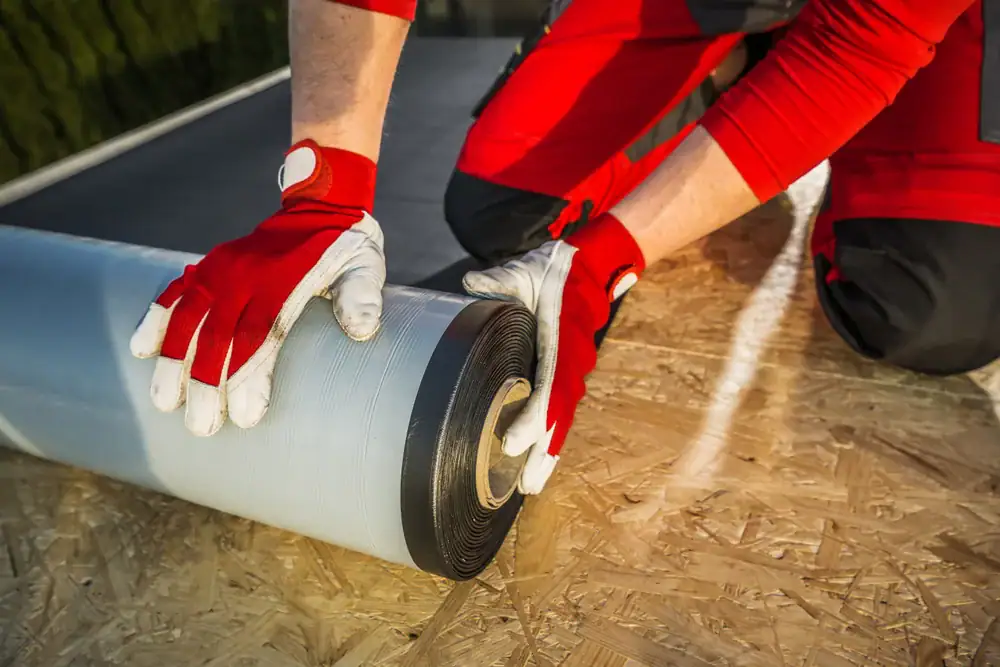
Roofing membrane installation for commercial building in Acton, CA.

Explore More Services

About Royal Roofing Company

Flat Roof Systems and Maintenance

What's Included in Commercial Roofing Service

Commercial roofing in Beverly Hills isn’t one-size-fits-all. Your building might need a single-ply membrane like TPO or PVC. You might have an older built-up roof that needs restoration or replacement. Maybe you’re dealing with Title 24 cool roof regulations because you’re adding square footage or doing a major renovation.

We handle flat roof systems, low-slope roofing, and industrial roofing solutions. That includes new installations, complete tear-offs and replacements, roof restoration, and ongoing commercial roof maintenance programs. If your property has multiple buildings or a mix of roof types, we can manage all of it.

Energy efficiency matters more than it used to. A Title 24-compliant cool roof can drop your surface temperature by 50 degrees, which directly impacts your HVAC costs. In a place like Beverly Hills where cooling expenses add up fast, that’s real money back in your budget every year. We’ll make sure your roof meets current energy codes and qualifies for any available rebates.

Maintenance is the other piece most property managers overlook until it’s too late. A commercial roof needs regular inspections—twice a year minimum. Drains get clogged. Seams develop small issues before they become big leaks. Catching problems early is the difference between a $500 repair and a $50,000 emergency replacement. We offer maintenance contracts that keep your roof in good shape and extend its lifespan significantly.

New commercial roofing installation on modern buildings in Acton, CA.

What's the difference between TPO and PVC roofing for commercial buildings?

Both are single-ply membranes used on flat and low-slope commercial roofs, but they’re not interchangeable. TPO (thermoplastic polyolefin) is the more economical option and it’s highly reflective, which helps with energy efficiency and Title 24 compliance. It performs well in most commercial applications and has become the most popular choice—about 37% of commercial roofs use TPO.

PVC (polyvinyl chloride) costs more upfront, but it’s more resistant to chemicals, grease, and certain types of damage. If your building has restaurant exhaust, HVAC equipment that might leak, or other exposure to oils and fats, PVC holds up better long-term. It’s also more flexible in cold weather, though that’s less of a concern in Beverly Hills.

The real answer depends on your specific building, your budget, and how long you plan to own the property. Both systems can last 20+ years when installed correctly by a factory-certified contractor. We’ll walk you through the pros and cons based on your actual situation, not just push whatever we have in the truck.

Yes, and here’s why it matters more than most people realize. In California, a C-39 roofing specialty license is required for any roofing project over $500. General contractors with a B license can do roofing work, but they’re not specialists. The C-39 license means the contractor has demonstrated specific knowledge and experience in roofing systems, materials, and installation methods.

When something goes wrong—and eventually something always does—you want a contractor who’s legally qualified and properly insured for roofing work specifically. If an unlicensed or incorrectly licensed contractor installs your roof and there’s a failure, your manufacturer warranty is likely void. Your insurance company may deny claims. And you have very limited legal recourse.

Beyond the legal requirements, a C-39 contractor has access to better training, factory certifications, and manufacturer support. We’re not figuring out TPO installation from a YouTube video. We’ve been through formal training programs, we know the building codes, and we have relationships with the manufacturers who stand behind the products. That’s not something you get from a general handyman or a contractor working outside their license class.

Title 24 is California’s energy code, and it applies to new construction, additions, and certain types of roof replacements. If you’re adding square footage to your building, doing a major renovation, or replacing more than 50% of your roof in a three-year period, you likely need to meet cool roof requirements.

A cool roof reflects more sunlight and absorbs less heat than a standard roof. The regulations specify minimum solar reflectance and thermal emittance values. Most modern TPO and PVC systems meet these requirements automatically, but older materials or darker membranes might not qualify. The goal is to reduce your building’s cooling load and overall energy consumption.

Here’s what gets tricky: even if your project doesn’t technically trigger Title 24 requirements, installing a cool roof anyway usually makes financial sense in Beverly Hills. Lower surface temperatures mean your HVAC system works less, your energy bills drop, and your roof membrane lasts longer because it’s not constantly baking in extreme heat. We can run the numbers with you and show you the payback period. Most property owners are surprised how quickly the energy savings add up, especially on larger commercial buildings.

A real maintenance program isn’t just someone showing up once a year to glance at your roof. You want scheduled inspections at least twice annually—typically spring and fall. The contractor should be checking all penetrations, seams, and flashings. They should clear drains and gutters, look for ponding water, inspect any rooftop equipment, and document everything with photos.

Small issues get addressed immediately. A lifted seam gets re-sealed. A clogged drain gets cleared before water backs up. A damaged section gets patched before it becomes a leak that damages your interior. This is how you turn a 15-year roof into a 25-year roof. Most commercial roofs fail prematurely because of deferred maintenance, not because the system itself wore out.

You also want a maintenance program that includes documentation for your records. If you ever sell the property, file an insurance claim, or need to prove you’ve maintained the roof properly for warranty purposes, you’ll have a complete history. We provide written reports after every inspection, photos of any issues and repairs, and recommendations for future work. That documentation has saved our clients thousands of dollars in insurance claims and helped them avoid disputes with buyers during property sales.

It depends entirely on the size of your building, the type of system being installed, and whether we’re doing a complete tear-off or a restoration over the existing roof. A small commercial building—say 5,000 to 10,000 square feet—might take one to two weeks. A larger property or a complex with multiple buildings could take a month or more.

Weather rarely delays us in Beverly Hills, but permitting and inspections add time to the schedule. We handle all the permit applications and coordinate with city inspectors, but you should plan for that process. If your building has tenants or operating hours we need to work around, that also affects the timeline. We can often schedule noisy tear-off work for weekends or off-hours to minimize disruption.

The key is planning ahead. Most commercial roofs don’t fail overnight—you usually have months or even a year or two of warning signs. If you’re seeing leaks, noticing higher energy bills, or your roof is approaching 20 years old, start the conversation now. That gives us time to schedule the work during your slow season, coordinate with your tenants, and get everything permitted properly. Waiting until you have an emergency means you’re at the mercy of whoever’s available immediately, and that rarely ends well.

Yes, and this is one area where experience really matters. We’ve worked with dozens of property managers and building owners through the insurance claim process. The key is documentation—insurance companies want proof that the damage was caused by a covered event, not by deferred maintenance or normal wear and tear.

When we inspect a damaged roof, we document everything with detailed photos and notes. We identify what caused the damage, what needs to be repaired or replaced, and what it’s going to cost. We can provide estimates and reports in the format insurance adjusters expect, which speeds up the approval process significantly. We’ve seen too many claims denied or underpaid because the contractor didn’t provide adequate documentation.

We don’t work for the insurance company—we work for you. Our job is to make sure you get a roof that’s properly repaired or replaced, not the cheapest possible fix that barely meets minimum standards. If the adjuster’s estimate doesn’t cover what actually needs to be done, we’ll walk you through the supplement process and provide the backup documentation to support it. Having a contractor who understands insurance claims and has a track record of photo-documented workmanship makes a massive difference in how smoothly the process goes and how much you ultimately recover.

Other Services we provide in Beverly Hills